Why Teak Wood Is Best for Furniture and Doors
Teak wood resists moisture, insects, and decay naturally — unlike cedar or pine, which need chemical preservative coats to survive outdoors. A well-maintained teak door or dining table lasts 50+ years; plantation-grown teak costs $20-$50 per board foot, making it a cheaper 30-year choice than replacing a softer wood piece every decade. This guide covers how teak compares to other hardwoods by Janka rating, what plantation vs. Burmese teak means for buyers in 2026, and the correct maintenance schedule to keep it looking right.
Quick Answer
Teak wood is the best choice for furniture and doors because its natural oils repel moisture, insects, and rot without chemical treatment — unlike pine or cedar. It scores 1,155 lbf on the Janka hardness scale, lasts 50+ years outdoors with minimal care, and plantation-grown teak costs $20-$50 per board foot from FSC-certified sources.
Exceptional Durability
Best Teak Wood Care Pick
Furniture Clinic Teak Oil
A traditional Tung and Linseed Oil formula that restores teak’s golden-brown color and creates a water-resistant seal. Dries to a natural matte finish.
- Best for: Regular oiling every 3-4 months to maintain teak’s golden color
- Why we picked it: Natural Tung and Linseed Oil formula, UV protection, quick-drying matte finish
- Main drawback: 17oz bottle may not cover a full large outdoor set in one application
Compare more teak care options
 Option 1 Furniture Clinic Teak Care Kit
|
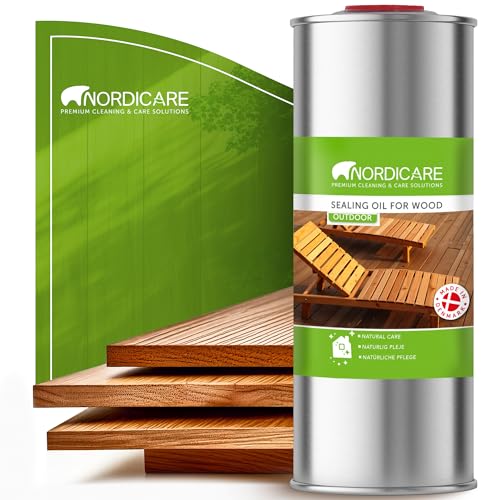
 Option 2 Nordicare Teak Oil 16.9 oz
|
 Option 3 Nordicare Teak Oil 34 oz
|
As an Amazon Associate we earn from qualifying purchases.
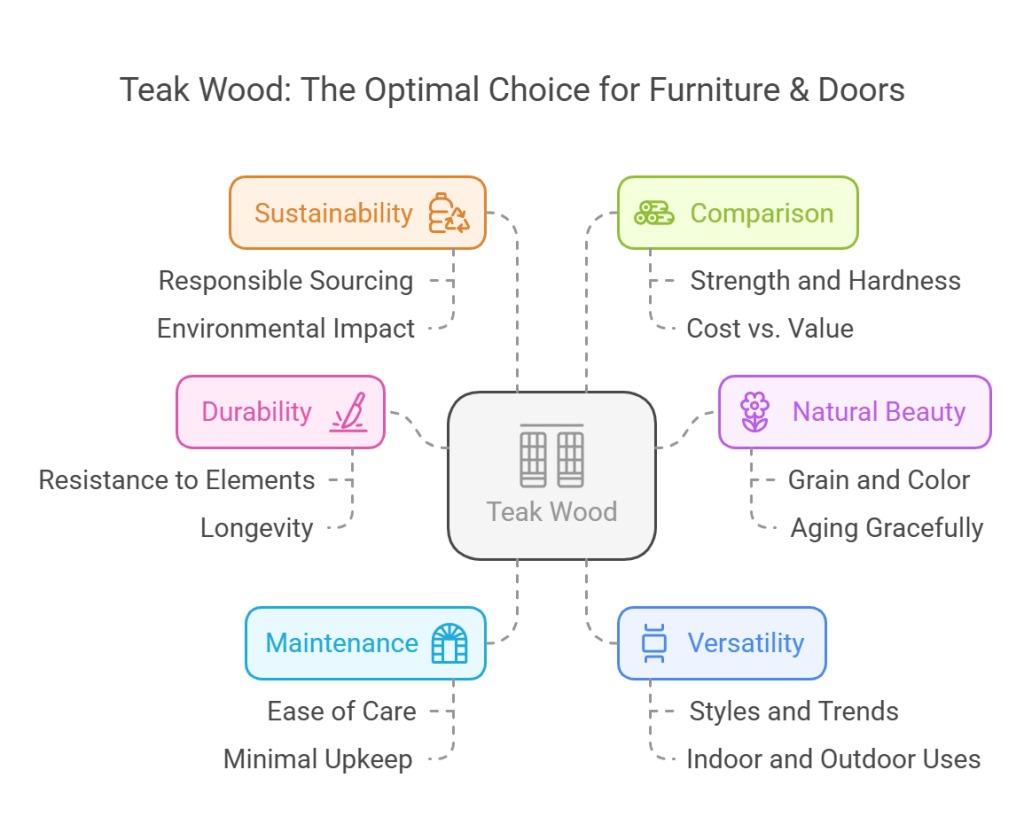
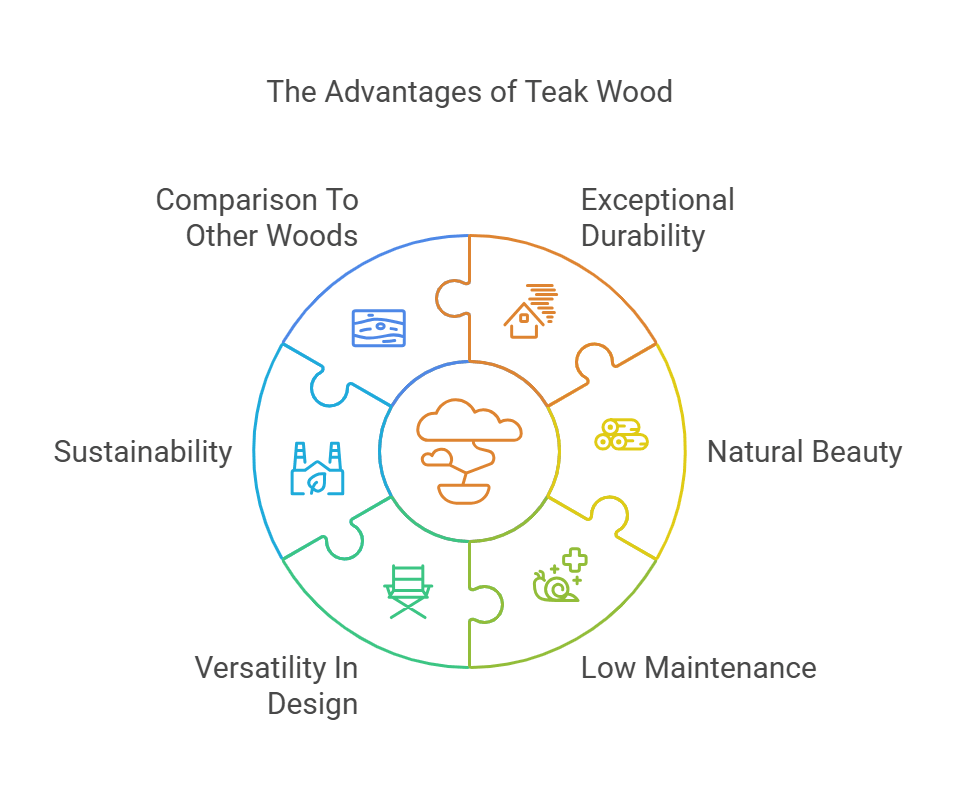
Teak wood’s durability comes from two sources that work together: a naturally high oil content and a tight, interlocking grain structure. The oils repel water and inhibit the fungal growth that rots softer woods. The grain resists splitting and denting under load. Together, these properties mean teak furniture placed outdoors in a rainy climate will still be structurally sound 20 years later — without requiring annual sealants.
Resistance to Elements
Teak resists water, insects, and decay better than most hardwoods because its natural silica content acts as an additional barrier against wood-boring insects, while the oil content prevents moisture from penetrating the grain. Rain, snow, and humidity that would cause cedar or pine to crack, warp, or develop mold do not affect teak the same way. For a deep dive on this property, see our full guide on whether teak wood is truly waterproof and what its limits are.
Longevity
Teak furniture and doors last for decades with minimal care. Its natural oils protect the wood from wear and tear across seasons. A well-built teak main door designed for a grand entrance can handle decades of daily use and still look great. Properly maintained outdoor teak furniture commonly reaches 50+ years of service life.
Natural Beauty
Teak’s aesthetic value is as functional as its durability. Its grain runs straight and tight, giving each piece a clean, consistent look that works in both traditional and contemporary interiors. The color — ranging from warm golden-brown when freshly finished to a silver-gray patina when left untreated outdoors — gives buyers two distinct looks from the same material.
Grain and Color
The grain of teak wood is straight and tight, giving it a neat, clean look. Color ranges from golden brown to dark brown with occasional darker streaks where growth rings compressed. This natural variation adds depth and character to each piece without being unpredictable or knotty like pine. The consistent grain also means teak takes finishes evenly when you choose to stain or seal it.
Aging Gracefully
Teak ages gracefully when exposed to the elements. Left untreated outdoors, it develops a silver-gray patina over 6-12 months that many designers actively prefer for a weathered, natural look. This patina does not signal damage — the wood beneath remains as strong as when it was installed. If you prefer to preserve the golden-brown color, oiling every 3-4 months maintains it without stripping the wood’s natural protection.
Versatility in Design
Teak adapts to more design contexts than most hardwoods because its neutral grain and color tone don’t compete with other elements in a room. It pairs well with metal, stone, fabric upholstery, and glass — making it a practical choice for designers working across different aesthetics. The same teak that looks right in a mid-century modern living room also works on a tropical outdoor deck.
Indoor and Outdoor Uses
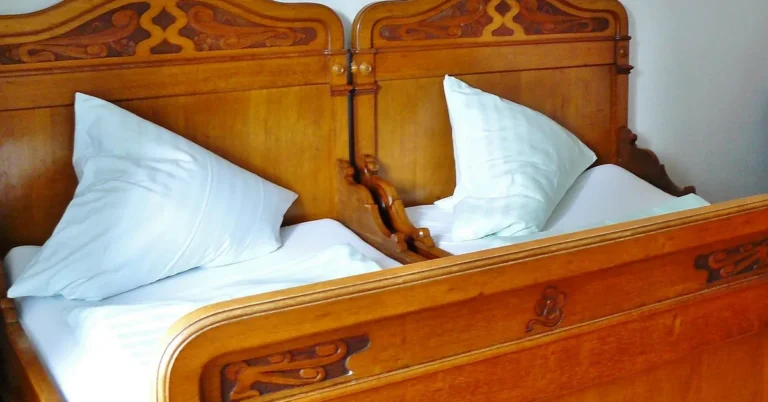
Teak is one of the few hardwoods genuinely suited for both indoor and outdoor use without modification. Indoors, it creates a warm, inviting atmosphere and holds up well under daily use as dining tables, bed frames, and cabinetry. Outdoors, it is ideal for patio furniture and garden benches. Its resistance to water and pests means outdoor pieces do not need to be stored during wet seasons the way cedar or teak alternatives do.
Low Maintenance
Teak’s low maintenance requirements are a practical advantage, not just a marketing claim. Because the wood’s natural oils prevent pest infiltration and moisture absorption, it does not need the chemical treatments that cedar, pine, or even oak require to survive outdoors. The maintenance schedule is simple and infrequent.
Maintenance Schedule
| Task | Frequency | Method |
|---|---|---|
| Dusting | Weekly | Soft cloth, wipe with grain |
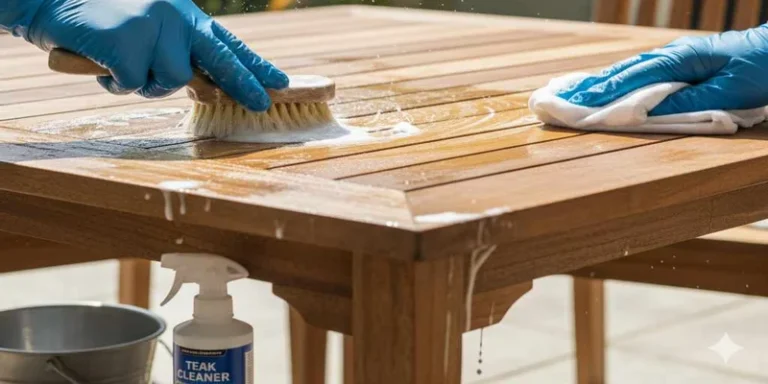
| Cleaning | Every 3-6 months | Mild soap and water, rinse, dry 48 hours |
| Oiling (optional) | Every 3-4 months | Teak oil applied with lint-free cloth |
| Full reconditioning | Every 2-3 years | Sand with 120-grit, then 180-220, apply sealer or oil |
The key distinction between teak oil and teak sealer: oil penetrates and feeds the wood but requires 3-4 applications per year; sealer locks in the wood’s natural oils and typically needs only one application per season. For most outdoor teak, a quality sealer is the better long-term choice. See our guide on teak oil vs sealer for a side-by-side comparison.
Plantation Teak vs. Burmese Teak: What Buyers Need to Know in 2026
Not all teak is the same. The two main types — plantation-grown teak and old-growth Burmese (Myanmar) teak — differ significantly in price, availability, and ethical sourcing. This distinction matters for buyers because it affects both cost and whether the purchase supports responsible forestry.
Plantation Teak: The Standard for Responsible Buyers
Plantation-grown teak — sourced primarily from Indonesia, Central America, and parts of Africa — is harvested on managed 25-30 year cycles with replanting built into the process. It is the practical and ethical choice for most furniture and door buyers in 2026. FSC-certified plantation teak costs $20-$50 per board foot, is widely available through U.S. lumber suppliers, and performs identically to old-growth teak in furniture and door applications. The grain may be slightly less consistent than old-growth wood, but the difference is not visible in finished furniture.
Burmese Teak: High Cost and Sourcing Risks
Old-growth Burmese teak from Myanmar has historically been the benchmark for teak quality — tighter grain, denser wood, deeper color. But Myanmar teak now carries serious sourcing risks. Following Myanmar’s 2021 military coup, major importers restricted or eliminated Burmese teak purchases due to concerns that revenue funds the military government. Some industry observers have used the term “blood teak” for Myanmar-sourced wood from this period. Old-growth Burmese teak also costs $100+ per board foot when available — roughly 2-5x the price of plantation teak. For most furniture and door projects, plantation teak from FSC-certified sources is both the ethical and cost-effective choice.
How to verify sourcing when buying teak furniture or lumber: Ask for FSC certification or SVLK (Indonesian Legal Wood) documentation. Avoid suppliers who cannot identify the country of origin. U.S. lumber suppliers with transparent sourcing chains are a reliable starting point.
Teak Wood Cost: Is the Premium Worth It?
Teak costs more upfront than pine or cedar — but the long-term math often favors teak for outdoor applications. A cedar outdoor dining table may need replacement or major refinishing every 8-10 years; a teak table in the same conditions typically lasts 30-50+ years with basic care. Over a 30-year horizon, the teak piece frequently costs less per year of use.
Strength and Hardness
Teak’s Janka hardness rating of 1,155 lbf places it well above common furniture softwoods and makes it suitable for high-traffic applications. Here is how it compares to other commonly used woods:
| Wood Type | Janka Hardness | Best Use | Outdoor Performance |
|---|---|---|---|
| Teak | 1,155 lbf | Furniture, doors, marine | Excellent (no treatment needed) |
| Oak | 1,290 lbf | Flooring, furniture | Fair (needs sealing outdoors) |
| Mahogany | 800-900 lbf | Furniture, cabinetry | Good (with annual treatment) |
| Cedar | 350 lbf | Siding, light furniture | Fair (needs regular preservative) |
| Pine | 420 lbf | Indoor furniture, framing | Poor (needs chemical treatment) |

Price Ranges by Teak Type
- Plantation teak (FSC-certified, Indonesia/Central America): $20-$50 per board foot
- Old-growth teak (pre-restriction Burmese or reclaimed): $80-$150+ per board foot
- Teak furniture (finished piece): $200-$2,000+ depending on size and grade
- Teak entry door: $500-$3,000+ depending on size, glass inserts, and hardware
Sustainability and Responsible Sourcing
Teak has a mixed sustainability record depending on where it is sourced. Old-growth teak from unmanaged forests has contributed to deforestation in Southeast Asia. However, plantation teak — grown on managed land with replanting — is a genuinely renewable resource. The Forest Stewardship Council (FSC) certification is the reliable indicator that teak comes from a responsibly managed source.
Why Teak Lasts Longer Than Alternatives
From an environmental standpoint, teak’s longevity matters. A teak door that lasts 50 years requires one tree harvest over that period. A fiberglass or aluminum door has a shorter effective lifespan and involves higher-impact manufacturing processes. Teak’s resistance to rot and pests also eliminates the need for chemical preservatives that leach into soil and groundwater around outdoor furniture over time.
“In 12 years of woodworking, I’ve replaced outdoor cedar pieces three times in humid climates. The teak pieces I built in year one are still in use — they only needed a cleaning and light oil every couple of years. The cost-per-year difference is not close.”
— Md Meraj, founder of Woodworking Advisor, 12+ years in the shop
Frequently Asked Questions
Why is teak wood ideal for furniture?
Teak wood is ideal for furniture because its natural oils protect it from moisture, insects, and decay without requiring chemical treatment. It scores 1,155 lbf on the Janka hardness scale — well above pine (420 lbf) and cedar (350 lbf) — meaning it resists dents and scratches under daily use. Both indoor and outdoor teak furniture can last 50+ years with basic maintenance.
Is teak wood suitable for doors?
Yes, teak wood is an excellent choice for both exterior and interior doors. Its dimensional stability — a shrinkage coefficient of 5.3% — means it resists warping and swelling with humidity changes better than most hardwoods. For main entry doors that face weather exposure, teak outperforms most alternatives without requiring annual sealing. If you are planning a main door for an Indian home, see our guide to traditional and modern teak wood main door designs, including Vastu-friendly directions and price ranges by grade.
How long does teak wood furniture last?
Teak wood furniture commonly lasts 50+ years outdoors with basic care — annual cleaning and oiling every 3-4 months to maintain color, or every few years if you allow the natural gray patina to develop. Indoors, away from direct weather, teak furniture can last generations. Its natural oils and tight grain resist the internal stresses that cause softer woods to crack and split over time.
What makes teak wood different from other woods?
Teak wood is distinguished from other hardwoods by its combination of natural oil content, silica presence, and tight grain — properties that few other species share simultaneously. Oak is harder but needs sealing outdoors. Mahogany is beautiful but less moisture-resistant. Cedar is lightweight but soft and requires preservative treatments. Teak requires none of these workarounds because its natural chemistry provides moisture, insect, and decay resistance built in from the tree.
How much does teak wood furniture cost compared to other hardwoods?
Teak lumber costs $20-$50 per board foot for plantation-grown FSC-certified wood, which is more expensive than pine ($3-$8/bf) or cedar ($5-$12/bf) but comparable to quality mahogany ($15-$35/bf) and less than old-growth Burmese teak ($100+/bf). Finished teak furniture ranges from $200 for simple pieces to $2,000+ for large outdoor sets. Over a 30-year horizon, the higher upfront cost is typically offset by not needing to replace or heavily restore the piece — unlike cedar or pine outdoor furniture.
Conclusion
Teak wood is the best choice for furniture and doors when durability, low maintenance, and long-term value matter more than upfront cost. Its natural oil content, 1,155 lbf Janka hardness, and resistance to moisture and insects without chemical treatment set it apart from common alternatives. For buyers in 2026, plantation-grown FSC-certified teak from Indonesia or Central America at $20-$50 per board foot provides the same performance benefits as old-growth Burmese teak at a fraction of the cost and without the ethical sourcing concerns. The choice between teak and other hardwoods is not just about aesthetics — it is a 30-50 year investment decision.
Sponsored / affiliate links. As an Amazon Associate I earn from qualifying purchases. I may earn additional commission from eligible campaigns.