Cost to Install Wood Floors: Your Ultimate Budget Guide
Are you dreaming of a warm, inviting home with beautiful wood floors underfoot? Wood flooring can transform any space, adding elegance and comfort.
But before you dive into this home improvement project, you’re probably wondering about the cost to install wood floors. After all, your budget matters, and understanding the expenses upfront can help you make informed decisions. We’ll break down everything you need to know about the cost, from materials to installation fees.
Get ready to uncover the secrets to achieving your dream floors without breaking the bank. Stick with us to discover how you can make your flooring vision a reality.
Types Of Wood Flooring
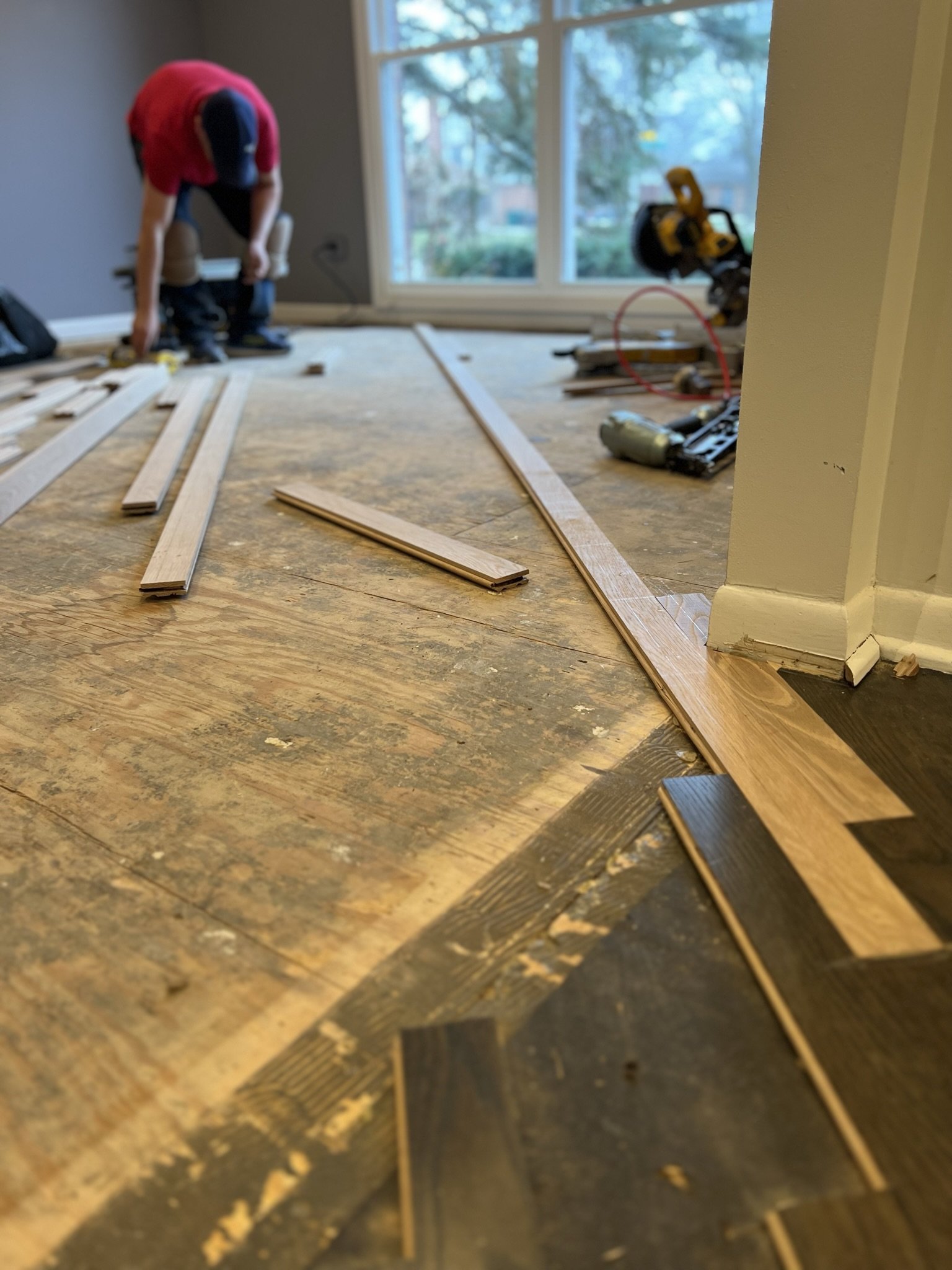
Credit: www.plushardwoodflooring.com
Solid hardwoodis made from one piece of wood. It is known for its rich look. This type is durable and lasts a long time. It can be refinished many times. Solid hardwood is perfect for areas with less moisture. It is more expensive than other types. But the beauty it offers is unmatched.
Engineered woodis made from layers of wood. The top layer is real wood. It looks almost like solid hardwood. It is more stable in moist areas. Engineered wood is often cheaper. It cannot be refinished as many times as solid wood. But it is a great choice for basements.
Laminate flooringis made from synthetic materials. It mimics the look of wood. It is very affordable. Laminate is easy to clean and maintain. It is not real wood but looks similar. It is a good choice for families. It is less durable than real wood. But it is perfect for high-traffic areas.

Credit: www.fixr.com
Factors Affecting Cost
Different wood species have different prices. Oak is a popular choice. It costs less than cherry wood. Cherry wood is expensive but looks beautiful. Pine is a cheaper option. It is soft and easy to scratch. Always consider your budget.
The type of flooring finish affects cost. Prefinished wood is ready to use. It costs more upfront. Unfinished wood is cheaper at first. But it needs extra work. This adds to the total cost. Think about what you prefer.
Bigger rooms need more wood. This increases the total cost. Small rooms need less wood. So, they cost less to install. Measure your room first. This helps you plan your budget.
Labor And Installation Expenses
Hiring a professional can be costly. Labor fees may vary by location. Skilled workers may charge $4 to $8 per square foot. These fees include tools and equipment use. Experience adds to the quality of the work. Professionals finish the job quickly and efficiently. Costs may increase if floors need preparation. This includes leveling or cleaning.
Installing wood floors yourself can save money. Materials are the main expense. Tools may be needed for cutting and fitting. DIY kits may cost around $1 to $3 per square foot. It takes time and patience. Mistakes may lead to extra costs. Instructions must be followed carefully.
Unexpected expenses can arise. Old flooring removal may add costs. Disposal of waste also requires funds. Stairs and odd-shaped rooms may need extra work. Fasteners and adhesives add to the price. Delivery charges may apply for heavy items.
Cost-saving Tips
Install wood floors in the off-season. It can save money. Fewer people buy during winter or fall. Installers often offer lower prices. Better deals. Less competition means more savings. Plan ahead. Choose colder months for installation. Smart choice.
Buying in bulk saves money. Stores offer discounts for large orders. More wood, less cost. Ask about deals before buying. Compare prices. Find the best offer. Buying more often saves money. Smart shoppers buy in bulk.
Reuse old wood. Save money. Use recycled wood for flooring. Cheaper than new wood. Good for the earth. Many places sell used wood. Check local stores. Find good deals. Recycling helps save costs. Smart and green choice.
Budget Planning
Understanding the total cost is vital. Wood floors can be costly. Consider the price of materials. Include labor costs too. Always keep a bit extra. This covers unexpected expenses. Research average prices. This helps in setting a realistic budget.
Get quotes from different contractors. Compare them carefully. Look at what each includes. Some may include materials. Others may not. Check for any hidden fees. Always ask questions. This way, you find the best deal.
Some may not have enough savings. Financing can help. Many stores offer plans. You can pay monthly. This makes it easier. Always read the terms. Understand the interest rates. Choose the plan that fits your budget.
:max_bytes(150000):strip_icc()/installing-hardwood-floor-170040982-582b748c5f9b58d5b17d0c58.jpg)
Credit: www.thespruce.com
Long-term Investment
Wood floorslast for many years. They can handle heavy use. Scratches and dents are rare. Proper care keeps them strong. They are a good choice for homes.
Homes with wood floors often sell for more money. They are attractiveto buyers. People love their look and feel. A great way to boost home value. Wood floors add charm.
Wood floors need cleaning. Dust and dirt can hurt them. Use soft brooms and mops. Avoid too much water. Regular care is necessary. Keep them looking nice.
Frequently Asked Questions
How Much Do Wood Floors Cost Per Square Foot?
Wood flooring costs vary based on type and quality. Typically, prices range from $5 to $15 per square foot. Installation, materials, and location can affect the total cost. Always consider additional expenses like underlayment and finishing.
What Factors Affect Wood Floor Installation Cost?
Several factors impact installation cost, including wood type, room size, and labor rates. Additional elements like subfloor condition and design complexity also play a role. Always get multiple quotes to ensure competitive pricing.
How Long Does Wood Floor Installation Take?
Installation time varies based on room size and wood type. Generally, professionals complete the job in 2 to 5 days. Preparation and finishing might extend this period. Proper planning ensures efficient completion.
Are There Hidden Costs In Wood Floor Installation?
Hidden costs can arise, such as subfloor repairs or additional materials. Always inquire about potential extra charges before starting. Clear communication with your contractor helps avoid unexpected expenses.
Conclusion
Wood flooring offers timeless beauty and durability. Costs vary by material and labor. Budget wisely and explore different options. Consider local prices for installation. Oak, cherry, or maple? Each wood has its own charm. Think about room size and layout.
Small spaces might cost less. Larger areas need more wood and time. Check for quality and warranties. Invest in good installation for long-lasting floors. Proper care keeps them looking new. Before deciding, compare quotes from professionals. Ask questions and clarify doubts.
With careful planning, wood floors can enhance your home beautifully.