How to Remove Water Stains from Wood Floors (By Finish Type)
A white water stain on a wood floor sits in the finish and often fades with low heat; a black stain has reached the wood itself and needs oxalic acid or sanding. The catch is that the right fix depends on your floor’s finish: wax floors take steel wool and mineral spirits, while polyurethane floors must never be waxed. This guide covers how to identify your finish, each method by stain color, and when to stop and refinish.
Why Water Stains Appear on Wood Floors
Best Floor Cleaner Pick
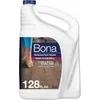 |
Bona Hardwood Floor Cleaner Refill (128 fl oz): $18.12 A pH-neutral cleaner made for polyurethane-finished floors, which is the damp-cloth cleaner step the finish-type fixes below start with.
As an Amazon Associate we earn from qualifying purchases. |
Wood flooring is protected by a finish, and a water stain is the finish, the wood, or both losing that fight. The color tells you how far the water got. Our wood flooring guide compares floor types if you are not sure what you have.
- White or cloudy: moisture trapped in the clear coat. The wood underneath is usually fine.
- Gray or dark brown: water has worked through the finish at a worn spot or seam and darkened the wood fibers.
- Black: long exposure, often a leak or a plant pot, where the wood reacts and turns dark all the way through.
Fix the moisture source first
No cleaner holds if the water is still arriving. Check under plant pots, around dishwashers, fridge water lines, and radiators before you treat anything. A dark stain that returns a month after you remove it means the source is still wet.
Identify your finish before you choose a method
The National Wood Flooring Association (NWFA) treats surface finishes (water-based urethane, oil-modified polyurethane, conversion varnish, moisture-cured urethane) and wax finishes as different maintenance jobs. To test for wax, rub a little mineral spirits on a clean white rag in a closet or under furniture: a slight yellow or brown color on the rag suggests paste wax is present. Most modern floors are surface-finished, and the method below changes depending on which you have.
| Stain | Surface finish (polyurethane) | Wax finish | Stop and call a pro if |
|---|---|---|---|
| White or cloudy ring | Low heat, then a damp cloth with the finish maker’s cleaner | Fine steel wool with a little mineral spirits, then rewax and buff | The ring spreads or the boards feel soft |
| Dark brown | Finish is breached: spot sand or screen, then recoat | Light sanding, then stain, wax and buff | Boards are lifting or cupped |
| Black | Local strip to bare wood, oxalic acid, then refinish | Same: bare wood, oxalic acid, refinish | Mold, buckling, or a stain after the leak is fixed |
Source: finish-type guidance from the NWFA Technical Publication C100, Maintenance and Recoating of Hardwood Floors (PDF); the stain-color pairings are our reading of it.
How to Remove White Water Stains from Wood Floors
White stains are the easy case because they live in the finish. Work from the gentlest method upward and stop as soon as the mark fades.
Step 1: Prep the Area
Move rugs and furniture off the spot and sweep or vacuum so grit does not scratch the finish while you work. On a surface-finished floor, NWFA guidance is to wipe the area with a lightly dampened soft cloth and the manufacturer’s recommended cleaner. Never wet-mop; NWFA says moisture should not stay on the floor and should be wiped up immediately.
Step 2: Try the Hairdryer Method
Set a hairdryer to low heat, hold it 6 to 8 inches above the spot, and move it in slow circles for 2 to 5 minutes, checking every minute. The heat drives out the trapped moisture. Keep it moving; concentrated heat can soften or blister a finish.
Step 3: Use a Mild Abrasive
If the ring survives, rub a small amount of baking soda mixed with a few drops of water, applied with a soft cloth in the direction of the grain, for a minute or two. Wipe with a barely damp cloth and dry at once. Test in a hidden spot first, because abrasives can dull a glossy finish.
Step 4: Wax Floors Only: Steel Wool and Mineral Spirits
For wax-finished floors, NWFA’s guidance for white spots from water spills is fine steel wool with a small amount of mineral spirits, rubbed gently in a circular motion until the spot is gone, then rewaxed and rebuffed. Do not use this on a polyurethane floor: the steel wool will scratch the coat.
Step 5: Restore the Sheen the Right Way
Many older guides, including an earlier version of this one, suggest wax or furniture polish to finish. NWFA guidance says never to use a wax finish on top of a surface finish, so on a polyurethane floor skip wax. If the spot looks dull, use a topcoat dressing from the finish maker, or have the area screened and recoated. Our guide to varnishing wood floors covers finish types and dry times if you recoat.
How to Remove Dark or Black Water Stains from Wood Floors
Dark stains are harder because the water has passed the finish and changed the wood. Surface cleaners cannot reach them, so the job becomes removing the finish over the stain, treating the wood, and refinishing.
Step 1: Assess the Damage
Check whether the finish is intact. If it is cracked or worn, or the board feels rough or raised, water is in the wood. Look for cupping, soft spots, or mold: those mean moisture damage, and you should jump to the professional section below rather than treating the surface.
Step 2: Try Hydrogen Peroxide on Exposed Wood
Once the finish over the stain is removed, dab 3% hydrogen peroxide on with a cotton ball, leave it for 5 to 10 minutes, wipe, and dry. It is a mild lightener that can fade a light-to-medium dark mark. It can also lighten the surrounding wood, so test first and expect to repeat it.
Step 3: Use Oxalic Acid for Stubborn Black Stains
Black stains are the case oxalic acid is for. Our guide to removing water stains from wood tables explains why: water carrying metal residue reacts with the wood and turns it dark, and oxalic acid is the wood bleach that reverses it once the finish is off. Mix the crystals with warm water according to the package, brush it on only the stain, and rinse and neutralize as the label directs. Wear gloves and eye protection and ventilate the room. See our wood bleaching guide for how it behaves on different species.
Step 4: Sand and Refinish (Last Resort)
If the stain survives, sand the area back to clean wood, match the stain color on a scrap or hidden spot, and recoat. NWFA describes screening or padding and recoating as the option for a worn surface finish, and spot sanding for stubborn stains. A spot repair on a factory-finished floor can leave a visible patch, so recoating the whole room often looks better. Engineered floors are the exception: the top wear layer can be thin, so check the manufacturer’s spec before sanding.
Preventing Water Stains on Wood Floors
- Wipe up spills right away; NWFA guidance is that moisture on a wood floor should be wiped up immediately.
- Use saucers under plant pots and check them for overflow.
- Put walk-off mats at doorways to catch wet shoes.
- Clean with a damp, not wet, mop and the finish maker’s cleaner. NWFA also notes that oil soaps can void finish and flooring warranties. Our Bona cleaner guide shows the damp-cloth method.
- Keep indoor humidity steady; large seasonal swings move the boards and open seams where water gets in.
Mistakes to Avoid When Removing Water Stains
- Waxing a polyurethane floor. NWFA says never to put wax over a surface finish; it also makes later recoating harder.
- Using steel wool on polyurethane. It belongs to the wax-floor method only.
- Soaking the spot. A wet cloth adds the very moisture that caused the stain.
- Skipping the hidden-spot test. Peroxide, oxalic acid and abrasives can all change the color or sheen.
- Treating a stain with the leak still active. The mark returns.
- Putting oxalic acid on an intact finish. It cannot reach the wood, so you only damage the coat.
When to Stop and Call a Professional
Call a flooring pro if boards are cupped or buckled, the wood feels soft, you see mold, the stain returns after the source is fixed, or the affected area is more than a few boards. Also call before sanding a floor you suspect has a thin engineered wear layer.
“Never use a wax finish on top of a surface finish.”
National Wood Flooring Association, Technical Publication C100
Frequently Asked Questions
Why do water stains appear on a wood floor?
Water gets past or into the finish. White or cloudy marks mean moisture is trapped in the clear coat. Dark or black marks mean water reached the bare wood, usually through a worn spot, a seam, or a long-term leak. Spills left to sit, plant saucers, and wet mopping are the usual causes.
Can vinegar remove water stains from wood floors?
It is not a step in the National Wood Flooring Association guidance, which points to the finish maker’s recommended cleaner for polyurethane floors and warns that oil soaps can void warranties. For white marks, try low heat first. For anything else, use a cleaner made for your finish rather than a kitchen acid.
Is hydrogen peroxide safe for dark stains on wood floors?
Household 3% hydrogen peroxide is a mild lightener, and on bare or exposed wood it can fade a dark mark. It will not soak through an intact polyurethane coat, and it can lighten the surrounding wood, so test an out-of-sight spot first. Black iron stains usually need oxalic acid instead.
Can I remove a water stain without sanding the whole floor?
Yes, if the stain is white and sits in the finish, or if it is a small dark stain you can treat locally. Sanding becomes the answer when the stain is deep or the finish is failing. A spot repair on a factory-finished floor can show as a patch, so a screen and recoat of the whole room often looks better.
How do I know if my floor has a wax or a surface finish?
Rub a little mineral spirits on a clean white rag in a low-traffic spot such as a closet. A slight yellow or brown color on the rag suggests paste wax. Wax floors are cleaned with steel wool and rewaxed; polyurethane and other surface finishes must never be waxed over.
When is a water stain permanent damage?
When boards are cupped, buckled, soft, or moldy, the problem is moisture damage rather than a stain. Fix the leak, let the wood dry, and have a flooring professional judge whether boards need replacing. A stain that keeps returning after the source is fixed also points to wet subfloor conditions.
Sponsored / affiliate links. As an Amazon Associate I earn from qualifying purchases. I may earn additional commission from eligible campaigns.