Is Engineered Wood Flooring Actually Waterproof? (Not Always)
No engineered wood flooring with a real wood veneer is 100% waterproof — wood absorbs moisture no matter how it’s engineered. What’s actually sold as “waterproof wood flooring” splits into two different products: water-resistant engineered hardwood (real wood on top, tighter construction) and fully waterproof rigid-core WPC/SPC flooring (a wood-look printed layer over a vinyl composite core, not real wood). This guide covers which one to buy for a kitchen, bathroom, or basement, and what specs actually matter.
“Waterproof” vs. “Water-Resistant”: What the Label Actually Means
Required Add-On: Moisture Barrier
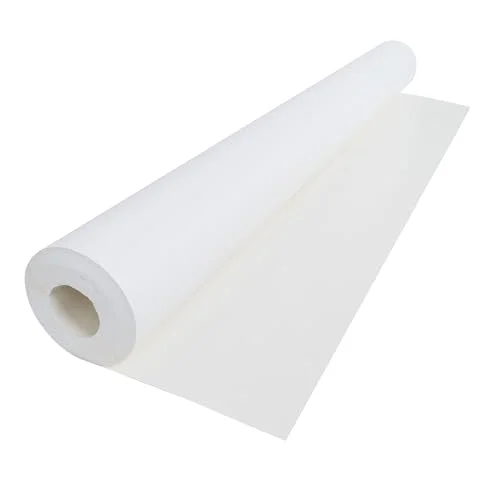 |
ROBERTS Silicone Moisture Barrier Underlayment (200 sq ft) – $27.49 Even a fully waterproof rigid-core floor still needs a real moisture barrier underneath in a kitchen, bathroom, or basement — this is the underlayment that actually stops ground/subfloor moisture, which the wood or wood-look surface layer alone does not.
|
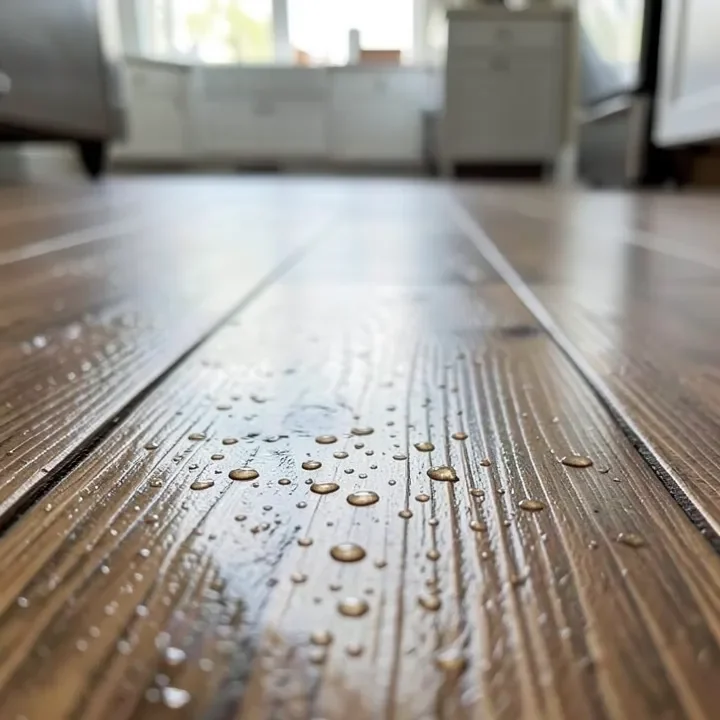
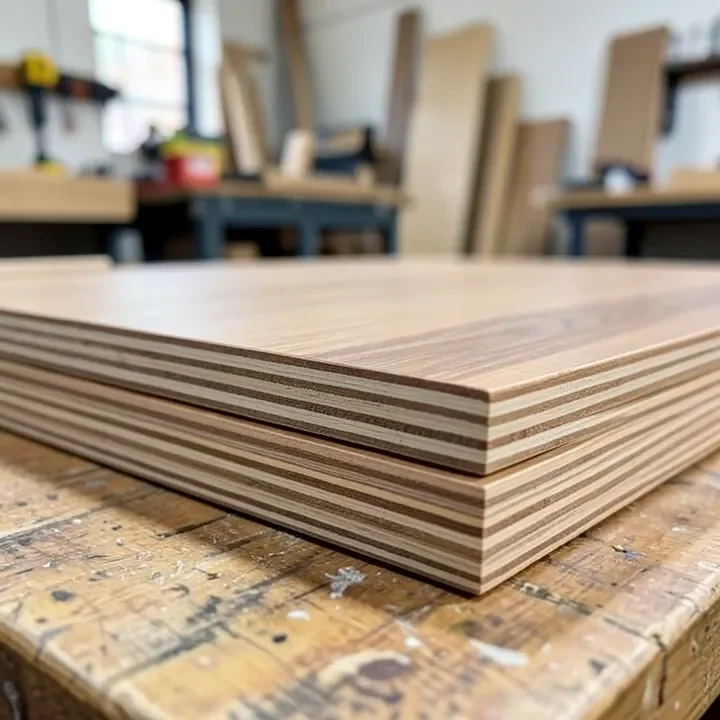
Water-resistant engineered hardwood is real wood — a hardwood veneer bonded to a plywood or composite core — built to shrug off spills and humidity better than solid hardwood, but it will still swell or warp if water sits on it or seeps into the seams. Brands like Shaw’s Repel Hardwood line market this as “waterproof” for marketing purposes, but the manufacturer’s own care instructions still say to wipe up spills immediately and never let water pool.
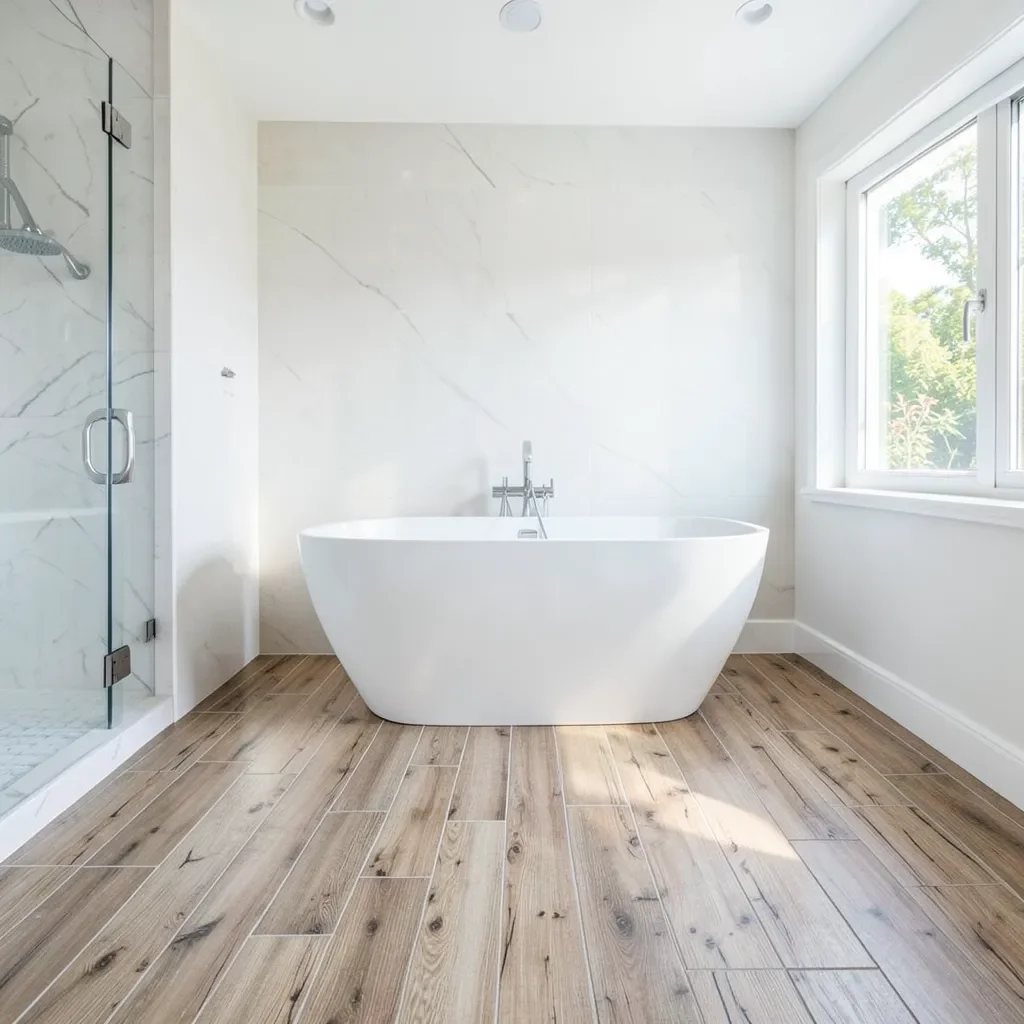
Fully waterproof rigid-core flooring (WPC or SPC) is not real wood at all — it’s a wood-plastic or stone-plastic composite core with a high-resolution printed wood-look layer and a protective wear layer on top. COREtec is the best-known brand in this category. Because the core itself is plastic-based, it can sit in standing water indefinitely without swelling, which is why it’s the only category actually safe for a bathroom floor or a basement.
Real Wood vs. Rigid-Core: Side-by-Side
| Spec | Water-Resistant Engineered Hardwood | Rigid-Core WPC/SPC |
|---|---|---|
| Real wood? | Yes — genuine wood veneer | No — printed wood-look layer |
| Standing water tolerance | Limited — wipe spills fast | Full — core is 100% waterproof |
| Can be refinished/sanded? | Yes, if veneer is 2mm+ | No — printed layer, not sandable |
| Best rooms | Kitchens, living areas, powder rooms | Full bathrooms, basements, mudrooms |
| Typical price per sq ft | $4–$12 | $2–$7 |
What to Check Before You Buy
- Wear layer thickness: 12 mil is the minimum for a home; 20 mil holds up far better to pets, furniture, and daily kitchen foot traffic.
- Core type (rigid-core only): SPC is denser and more dent-resistant — better for kitchens. WPC is softer and quieter underfoot — better for bedrooms and living rooms.
- Wood veneer thickness (real engineered hardwood only): 2mm or thicker allows at least one future sanding/refinish; anything thinner is a one-and-done floor.
- Warranty terms: read what’s actually excluded — most warranties on water-resistant hardwood explicitly exclude damage from standing water, which tells you how far to trust the “waterproof” label.
📊 Wear layers run from about 12 mil (light residential use) up to 30 mil (heavy commercial traffic), and a typical engineered hardwood’s wood veneer runs 2–6mm over a 5–14mm core — the veneer thickness is what actually limits how many times you can refinish it. Source: MSI Surfaces, SPC vs. WPC flooring guide
Which Room Gets Which Type
Kitchens and mudrooms with occasional spills: water-resistant engineered hardwood is fine if you clean up quickly, and it gives you the real-wood look and refinish option down the road. Full bathrooms, laundry rooms, and basements: go rigid-core WPC/SPC — these are the rooms where standing water or slow leaks are most likely, and only a true plastic-composite core shrugs that off indefinitely. For a full breakdown of every flooring type by room and budget, see our wood flooring guide.
Whichever type you choose, day-to-day care is nearly identical — sweep or vacuum regularly, use a damp (not wet) mop, and avoid ammonia-based cleaners. Our engineered hardwood care guide covers the full daily and deep-clean routine.
Frequently Asked Questions
Is there such a thing as truly waterproof engineered hardwood flooring?
Not with a real wood veneer. Engineered hardwood with an actual wood wear layer can be made water-resistant (coated, tighter seams, some water-resistant cores), but wood itself absorbs moisture, so it isn’t 100% waterproof. Fully waterproof wood-look flooring uses a WPC or SPC rigid vinyl composite core with a printed wood-look layer, not real wood.
What’s the difference between WPC and SPC flooring?
WPC (wood-plastic composite) has a foamed core that’s softer and quieter underfoot but slightly less dent-resistant. SPC (stone-plastic composite) has a denser, more rigid core that resists dents and heavy furniture better but feels harder underfoot. Both are 100% waterproof; SPC is the better pick for kitchens and high-traffic areas.
Can I put real engineered hardwood in a bathroom?
Water-resistant engineered hardwood can handle a powder room or a bathroom with good ventilation and quick spill cleanup, but it’s not recommended for a shower area, a room with a tub that overflows, or anywhere standing water is likely. For full bathrooms and basements, a 100% waterproof rigid-core (WPC/SPC) floor is the safer choice.
How thick should the wear layer be on waterproof flooring?
For a home, 12 mil is the minimum for light use; 20 mil holds up much better to pets, furniture, and daily kitchen traffic. On true engineered hardwood, look for a wood veneer of at least 2mm, since a thinner veneer limits how many times the floor can be sanded and refinished later.
The single most useful thing to remember: if a wood-look floor has to survive standing water in a bathroom or basement, it can’t have real wood in it. Match the room to the material first, then shop within that category on wear layer, warranty, and price.
Sponsored / affiliate links. As an Amazon Associate I earn from qualifying purchases. I may earn additional commission from eligible campaigns.
 East West Furniture SP-5HH05 Sango Premier Engineered Hardwood Flooring - European Oak - 1/2 in x 7 in x Random Length Handscraped, 26.24 sqft/box, Shadow Grey
 East West Furniture SP-7HH02 Sango Premier Engineered Hardwood Flooring - European Oak - 1/2 in x 7 in x Random Length Handscraped, 26.24 sqft/box, Special Walnut