Can You Use Windex on Wood Floors? Ammonia vs Ammonia-Free
Do not use original Windex on hardwood floors. The classic formula contains ammonia, which the National Wood Flooring Association (NWFA) says not to use, and an off-label cleaner can void your floor warranty. Ammonia-free versions are a gray area, not a green light. This guide covers what each Windex type does, how to check your finish, what to use instead, and how to fix a floor you already wiped.
Can You Use Windex on Wood Floors? The Answer by Product
Best Hardwood Spray Pick
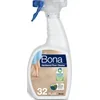 |
Bona Hardwood Floor Cleaner Spray, 32 fl oz A ready-to-use spray made for sealed hardwood, so you skip the guesswork of adapting a glass cleaner.
|
As an Amazon Associate we earn from qualifying purchases.
The answer depends on which bottle you are holding. Windex sells several formulas, and the ammonia question is the one that matters most for a finished wood floor.
| Windex type | Ammonia? | Verdict for wood floors |
|---|---|---|
| Original (classic blue) | Yes, ammonia is listed on the label | Avoid. NWFA guidance says not to use ammonia on wood floors. |
| Ammonia-Free | No | Gray area. Not a wood floor cleaner. Small spot only, after checking your flooring maker’s care guide and testing a hidden area. |
| Multi-Surface and other variants | Varies by formula, read the label | Not designed for finished wood flooring. Skip it as a routine cleaner. |
Price is not a good reason to reach for glass cleaner. A bottle made for hardwood costs only a few dollars more, and the difference shows up in what the finish looks like years later, as the next sections explain.
Why the Ammonia Formula Is the Problem
Ammonia is an alkaline cleaner. On a sealed floor it acts on the finish, not the bare wood, and the finish is what protects the boards from moisture and scratches. NWFA’s own maintenance publication (Technical Publication C100) lists “don’t use ammonia” among its care tips, and it says routine maintenance is really about protecting the finish from scratches and moisture. For the full breakdown of what ammonia does to a coating and how to repair the damage, see our guide to ammonia on hardwood floors.
Windex is also built to flash-dry on glass, so people assume it “evaporates” on wood and does no harm. That is the myth worth correcting. The concern is not that one wipe will ruin a floor. The concern is that a product never approved for your finish can leave a dulling film, and repeated use is what causes trouble.
The Hidden Cost Nobody Mentions: Warranty and Recoating
Most top-ranking pages stop at “it can dull the finish.” The bigger cost comes later. According to NWFA’s maintenance publication, using a non-recommended product may ruin the appearance of the finish and can cause problems down the road when it is time to recoat. The same publication says that improper cleaners can void the flooring manufacturer’s warranty, and that most finish and factory-finished flooring warranties are voided by oil soap cleaners.
- Prefinished floors: follow the flooring manufacturer’s cleaning directions.
- Site-finished floors: follow the finish manufacturer’s directions.
- Maker unknown: NWFA suggests a generic hardwood floor cleaner from a local wood flooring retailer.
In other words, the question to ask is not only “will Windex hurt my floor today?” but “will it complicate a recoat or a warranty claim later?” If you plan to refinish or recoat, keep glass cleaners away from the surface in the meantime.
Which Floor Finish Do You Have?
Windex risk depends on the finish more than on the wood species. Use this table as a starting point, then confirm with your installer or the maker’s care guide.
| Floor type | Windex verdict | Better approach |
|---|---|---|
| Factory-finished or polyurethane-sealed hardwood | Avoid the original formula. Ammonia-free only as a last-resort spot cleaner. | Maker-recommended cleaner on a lightly dampened microfiber pad |
| Waxed hardwood | Avoid. Liquid cleaners and moisture are hard on wax. | Dust-mop and follow wax-floor care (buffing, re-waxing) |
| Oil-finished hardwood | Avoid. Cleaners not made for oil finishes can strip or dull them. | Use a cleaner or maintenance product the finish maker names |
| Unfinished (raw) wood | Never. Any liquid soaks in. | Dry methods only, then have it sealed |
| Laminate or vinyl plank | Check the maker’s guide first | Cleaner the manufacturer lists, applied to the cloth, not the floor |
Not sure what you have? A common shop check is to place a single drop of water on a hidden spot. If it beads up and sits on top for several minutes, you likely have a surface finish. If it soaks in or darkens the wood, treat the floor as unfinished, waxed, or oiled and avoid liquid cleaners until you know more.
What About Ammonia-Free Windex and Multi-Surface Sprays?
Some cleaning sites say ammonia-free Windex can be used on hardwood in a pinch, diluted about 1 cup of cleaner to 3 cups of water and applied with a barely damp cloth. That ratio is a common suggestion from cleaning sources, not an NWFA recommendation, and it does not override a flooring warranty. If you decide to try it, follow a cautious routine:
- Read your flooring maker’s care instructions or ask the installer whether glass cleaner is acceptable.
- Pick a hidden spot, such as inside a closet or under a couch.
- Spray a small amount onto a microfiber cloth, never directly on the floor.
- Wipe the spot, then buff it dry with a clean cloth right away.
- Look at it in daylight after it dries for haze, dull patches, or a sticky feel before doing anything more.
Even a passing test does not make it a better choice than a cleaner made for wood. If the goal is a streak-free floor, the usual culprit is residue, not lack of shine.
What to Use on Wood Floors Instead
Start with dry cleaning. Grit scratches finish, so sweeping or vacuuming on a hard-floor setting removes the most damaging thing on the floor. NWFA also says household dust treatments should never be used on wood floors, so skip sprays that promise a shine while dusting.
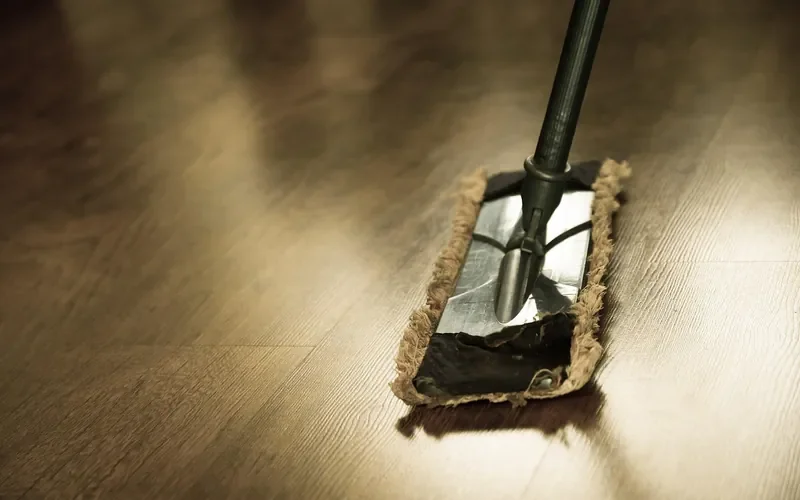
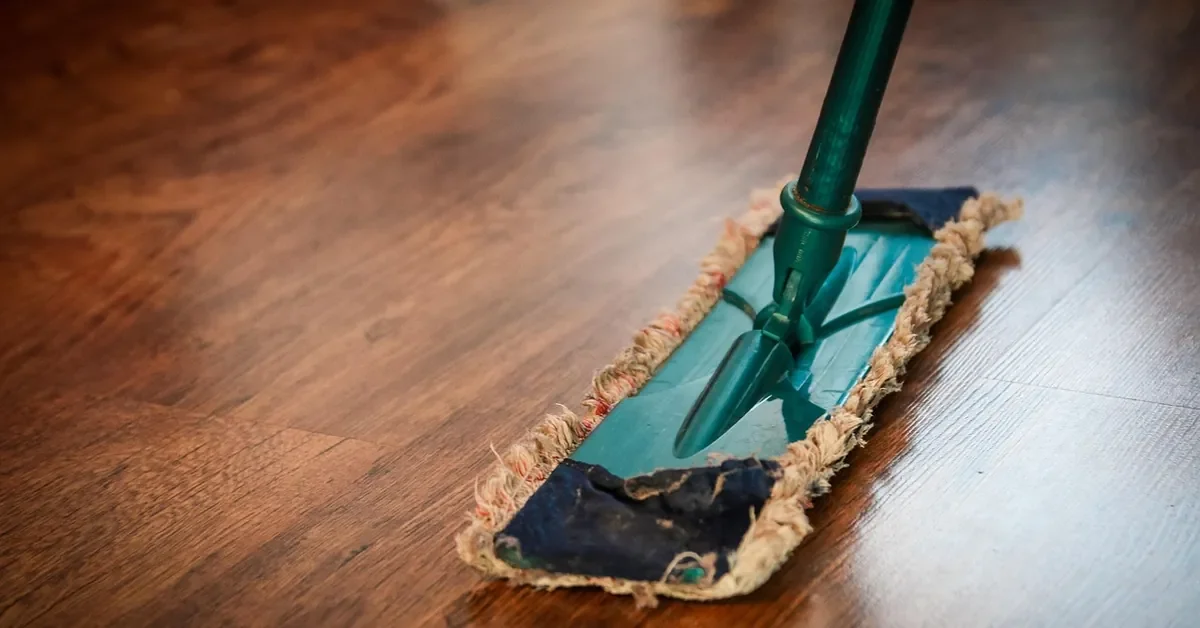
For damp cleaning, use a lightly dampened (not wet) microfiber pad and a maker-approved cleaner. NWFA’s guidance is to wipe up spills right away with a lightly dampened cloth and not to let moisture stand on the floor. Our roundups of the best hardwood floor cleaners and best non-toxic wood floor cleaners cover specific picks, and the cleaning supplies guide covers pads and mops. If you have a robot mop, check whether robot mops are safe for hardwood floors before you add liquid to the routine.
Trying another household product? Our page on using 409 on wood covers a similar question, and our polyurethane floor cleaning guide covers sealed floors in more detail.
If You Already Used Windex on Your Wood Floor
Do not panic, and do not keep going. A single wipe on a sealed floor often leaves no obvious mark, but stop using it and follow these steps:
- Wipe the area with a cloth dampened with plain water to lift any leftover cleaner.
- Dry it immediately with a clean, dry towel so no moisture sits on the seams.
- Let it dry, then check in daylight for haze, dull patches, or a tacky feel.
- Switch to a maker-approved cleaner for the next cleaning.
- If the finish looks dull or damaged, contact a flooring professional before trying a recoat.
If you used the ammonia formula repeatedly, see our guidance on repairing ammonia damage.
Frequently Asked Questions About Windex on Wood Floors
Can I use Windex on my hardwood floors?
Not the original blue formula. It contains ammonia, and the National Wood Flooring Association lists ammonia as something not to use on wood floors. Ammonia-free Windex is a gray area: check your flooring maker’s care guide first, and if it does not forbid glass cleaner, test a hidden spot with a lightly dampened cloth.
Is ammonia-free Windex safe for wood floors?
It avoids the ammonia problem, but it is still a glass cleaner, not a wood floor cleaner. The NWFA tells owners to use the cleaner recommended by the flooring or finish manufacturer, and using a non-recommended product can void a warranty. Treat it as a last resort for a small spot, not a routine cleaner.
Can I use Windex on laminate wood floors?
Check the laminate maker’s care instructions first. Many laminate and vinyl plank makers specify their own cleaner and warn against harsh chemicals and standing liquid. If you use any glass cleaner, apply it to a cloth rather than the floor, keep it to a small area, and wipe dry right away.
Can you use Windex Multi-Surface on wood floors?
Multi-surface cleaners are formulated for a range of hard, sealed surfaces, not specifically for finished wood flooring. Because formulas differ, read the label and your flooring maker’s guide. For regular cleaning, a cleaner made for hardwood is the safer choice.
What should I use to clean my wood floors instead?
Sweep or vacuum with a hard-floor setting to remove grit, then damp-mop with a lightly dampened microfiber pad and the cleaner your flooring manufacturer recommends. If the maker is unknown, the NWFA suggests a generic hardwood floor cleaner from a wood flooring retailer.
Bottom line: keep Windex on glass. For wood floors, use the cleaner your flooring or finish maker names, keep the pad barely damp, and treat ammonia-free glass cleaner as a rare, tested-first exception.
Sponsored / affiliate links. As an Amazon Associate I earn from qualifying purchases. I may earn additional commission from eligible campaigns.