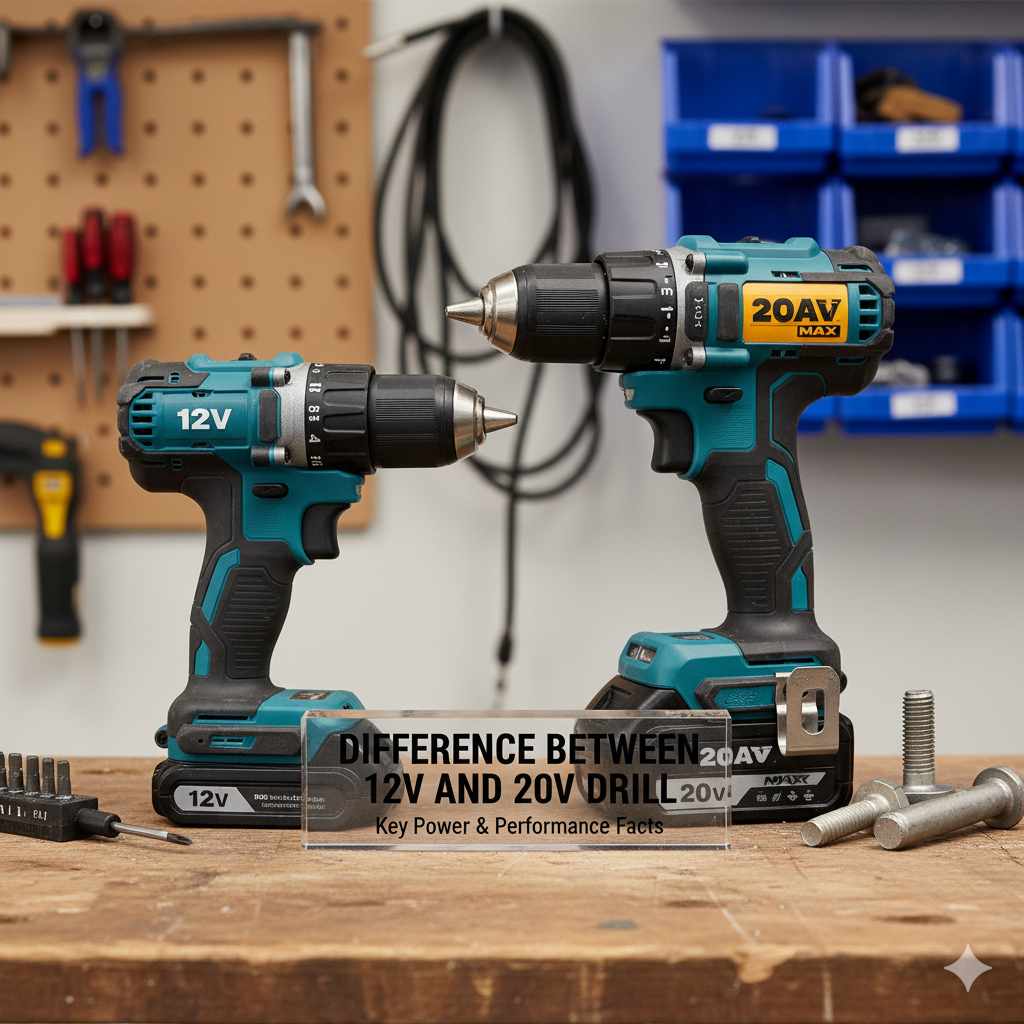
Difference between 12V And 20V Drill: Key Power & Performance Facts
When it comes to choosing the right drill for your projects, you might find yourself stuck between a 12V and a 20V drill. You want a tool that’s powerful, reliable, and fits your needs perfectly.
But what exactly sets these two apart? Understanding the difference can save you time, money, and frustration. You’ll discover how voltage affects drill performance, battery life, and overall usability. By the end, you’ll know which drill is the best match for your tasks—and why it matters to your work.
Keep reading to make the smartest choice for your toolbox.
Power Output Comparison
Understanding the power output difference between 12V and 20V drills helps choose the right tool. Power output affects how well the drill handles tasks. This section breaks down the voltage and wattage and their impact on drilling performance.
Voltage And Wattage Explained
Voltage shows the electrical force the drill battery provides. A 20V drill has a higher voltage than a 12V drill. This means it can push more power to the motor.
Wattage measures the real power the drill uses. It combines voltage and current. Higher wattage means the drill can do tougher jobs without slowing down.
Impact On Drilling Performance
Higher voltage drills, like 20V, handle harder materials better. They keep speed under heavy loads. This results in faster drilling and less effort.
12V drills work well for light tasks like assembling furniture or drilling small holes. They are lighter and easier to control for quick jobs.
Choosing the right voltage depends on the type of work. Heavy duty tasks benefit from 20V drills. Simple home projects often do fine with 12V drills.
Battery Life And Efficiency
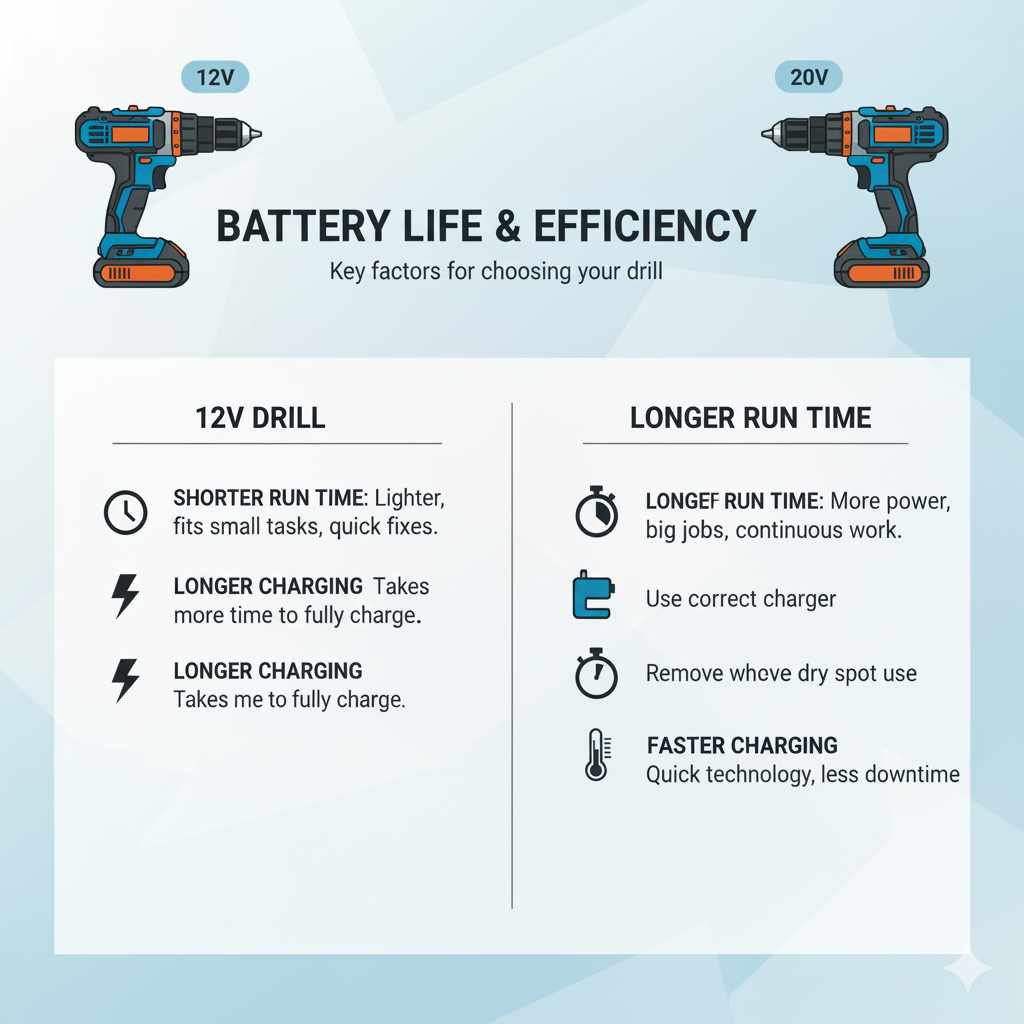
Battery life and efficiency are key factors when choosing between a 12V and 20V drill. They affect how long the drill runs and how quickly it recharges. These details help you pick the right tool for your needs.
Run Time Differences
A 20V drill usually offers longer run time than a 12V drill. The higher voltage means more power and longer use. This suits big jobs that need continuous work. A 12V drill has less power but is lighter and fits small tasks. It runs shorter, which is good for quick fixes.
Charging Speeds
Charging speeds vary between 12V and 20V drills. Some 20V batteries have fast charging technology. They get ready to use in less time. 12V batteries often take longer to charge. Fast charging saves time on the job. It helps you finish tasks without long breaks.
Size And Weight Factors
Size and weight play a big role in choosing between a 12V and 20V drill. These factors affect how easy the drill is to carry and use. Small differences can change your work experience.
Portability Considerations
12V drills are usually smaller and lighter. This makes them easy to carry around for long periods. They fit well in tight spaces and small tool bags. Ideal for quick jobs or light tasks. 20V drills are heavier and bigger. They offer more power but can tire your arms faster. Carrying them around all day can be harder.
Ergonomics And Handling
Lightweight 12V drills provide better control and less strain. You can hold them steady for precise work. Their compact size helps reduce hand fatigue. 20V drills, while heavier, often have better grips and balance. They can handle tougher jobs but may feel bulky. Choose the drill that feels comfortable in your hand.
Best Uses For 12v Drills
12V drills are perfect for smaller tasks around the house. They are light, easy to handle, and enough for many daily jobs. These drills work well for people who do simple repairs or small projects. They offer good power without being too heavy or expensive.
Light-duty Tasks
12V drills handle light work like screwing and drilling into soft materials. They are great for tightening loose screws or assembling furniture. These drills work well on wood, plastic, and drywall. They are not meant for tough jobs like drilling into metal or concrete. Their smaller size makes them easy to control and less tiring to use.
Diy And Home Projects
Home projects like hanging pictures or building shelves suit 12V drills. They help with small repairs and crafting jobs around the house. These drills are useful for hobbyists and beginners. They provide enough power for most DIY needs without being too complex. Their compact design makes them easy to store and carry.
Best Uses For 20v Drills
20V drills offer more power and longer battery life than 12V models. They handle tough jobs with ease. These drills are perfect for tasks requiring high torque and speed. Their versatility makes them a top choice for serious users. Here are some of the best uses for 20V drills.
Heavy-duty Applications
20V drills excel in heavy-duty tasks. Drilling through thick wood or metal is easier. They provide strong torque to drive large screws quickly. These drills keep working without overheating. They handle demanding projects like building decks or fences. Users benefit from their durability and power.
Professional And Construction Work
Professionals prefer 20V drills for construction sites. They deliver reliable performance for daily use. These drills complete framing, drywall installation, and cabinet making fast. Their battery lasts long during full workdays. The robust build withstands rough handling. They are essential for tradespeople and contractors.
Cost And Value Comparison
Choosing between a 12V and a 20V drill involves understanding the cost and value each offers. This section breaks down the initial cost and long-term benefits to help you decide which drill fits your needs and budget.
Initial Investment
12V drills usually cost less upfront. They are great for small home tasks and light jobs. The price is lower because their power and battery size are smaller. 20V drills have a higher price due to stronger motors and bigger batteries. They are meant for tougher jobs and longer use. If budget is tight, a 12V drill is easier to buy. But spending more on a 20V drill gives you more power and features.
Long-term Benefits
20V drills offer better performance over time. They handle heavy work without overheating or losing power. This means fewer tool replacements or repairs. Their batteries last longer per charge, saving time. 12V drills work well for light tasks but may struggle with hard materials. They often need charging more often and may wear out faster. Investing in a 20V drill can save money on repairs and replacements. The value comes from durability and efficiency in the long run.
Additional Features And Accessories
Additional features and accessories can greatly affect the usefulness of a drill. They expand the tool’s capabilities and make tasks easier. Both 12V and 20V drills offer various options. These options suit different needs and skill levels.
Common Attachments
Many drills come with useful attachments. These include drill bits, screwdriver bits, and hole saws. Some kits add sanding pads or wire brushes. Attachments fit easily and switch quickly. A 20V drill often supports heavier attachments. It handles tougher jobs with larger bits. A 12V drill works well with smaller, lighter attachments. This makes it ideal for simple household tasks.
Smart Technology Integration
Smart technology is becoming common in modern drills. Some 20V models include Bluetooth or app connectivity. This helps track battery life and tool usage. It can also control speed and torque settings. 12V drills rarely have these features. Smart tech improves precision and tool maintenance. It suits users who want more control and feedback.
Safety And Maintenance Tips
Safety and maintenance are key when using 12V or 20V drills. Proper care keeps your drill working well. It also protects you from accidents. Understanding how to handle and maintain your drill improves its life and performance.
Proper Handling
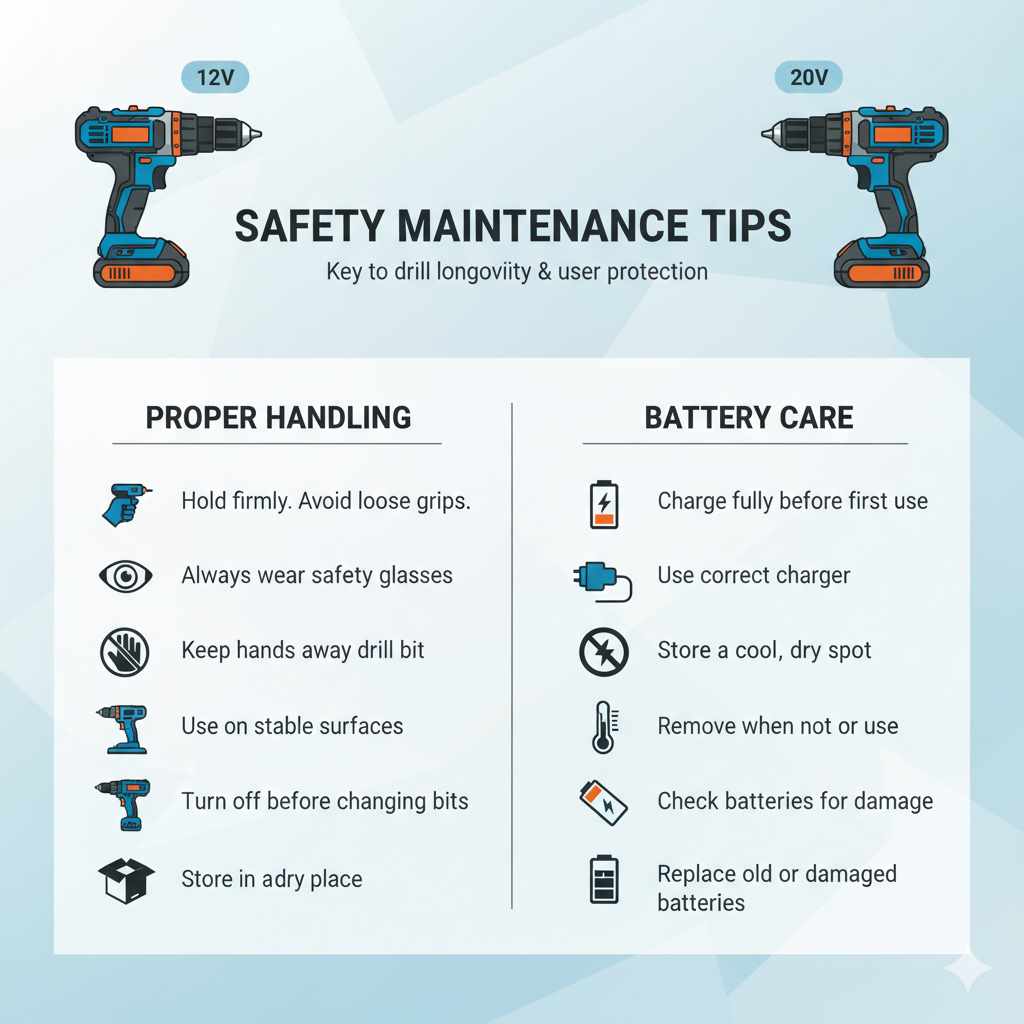
Hold your drill firmly during use. Avoid loose grips to prevent slipping. Always wear safety glasses to protect your eyes. Keep your hands away from the drill bit. Use the drill on stable surfaces only. Turn off the drill before changing bits. Store the drill in a dry place to avoid damage.
Battery Care
Charge the battery fully before first use. Use the charger made for your drill’s battery. Avoid overcharging to extend battery life. Store batteries in a cool, dry spot. Remove the battery when the drill is not in use. Check batteries for damage regularly. Replace old or damaged batteries promptly.
Frequently Asked Questions
What Are The Main Power Differences Between 12v And 20v Drills?
12V drills offer moderate power suitable for light tasks. 20V drills provide higher power, ideal for heavy-duty jobs and tougher materials.
Which Drill Is Better For Home Diy Projects?
A 12V drill is usually sufficient for most home DIY projects. It is lightweight, easy to handle, and perfect for occasional use.
How Does Battery Life Compare Between 12v And 20v Drills?
20V drills generally have longer battery life due to higher capacity batteries. However, 12V drills consume less power and recharge faster.
Are 20v Drills Heavier Than 12v Drills?
Yes, 20V drills tend to be heavier due to larger batteries and motors. This might affect comfort during extended use.
Conclusion
Choosing between a 12V and 20V drill depends on your needs. A 12V drill suits small tasks and light work. The 20V drill works better for heavy jobs and longer use. Battery life and power differ, so consider how you will use it.
Both drills offer good value but serve different purposes. Think about the kind of projects you do most. This will help you pick the right drill for your toolbox. Simple and clear.