5/32 vs 7/32 Drill Bit: Which Pilot Hole Size Do You Need?
A 5/32″ bit drills a 0.156″ hole — the pilot size for #6-#8 wood screws in softwood. A 7/32″ bit drills a 0.219″ hole, the hardwood pilot for a #12 screw or the clearance hole for #10-#12 fasteners passing through freely. Use the wrong one and you either split softwood or leave a hardwood screw with nothing to grip. This guide covers exact decimal sizes, a full pilot-hole chart by screw gauge, and how to pick between them.
Understanding Drill Bit Size Matters
Best Wood Drill Bit Set Pick
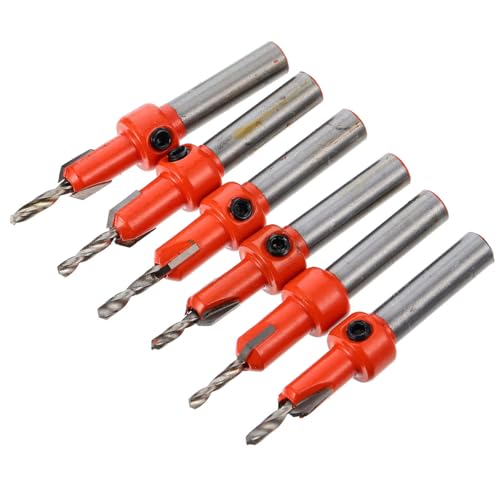
29-Piece Brad Point Wood Drill Bit Set, 1/16″-1/2″
Covers every fractional size between 5/32″ and 7/32″ (and everything past it) with a centering brad point that stops bits from wandering on wood.
- Best for: anyone drilling pilot and clearance holes across multiple screw gauges without buying single bits
- Why we picked it: brad point tip is built for wood specifically, not metal — it centers instead of skating on the surface
- Main drawback: not the right choice for drilling metal or masonry
Compare more wood drill bit set options
 Option 1 29-Pc Brad Point Set, 1/16″-1/2″ (Budget)
|
 Option 2 TOOLMAYS Brad Point Set, 29 Pc
|
 Option 3 Stark USA 115-Pc HSS Index (Wood + Metal)
|
As an Amazon Associate we earn from qualifying purchases.
Drill bits are the workhorses of any drilling task — they’re the part that actually makes the hole, and diameter is the one spec that matters most. Using the correct size is like using the right key for a lock: too small and the screw splits the wood or won’t go in; too large and the screw sits loose and won’t hold. See the full drilling and screw-sizing hub for pilot holes, anchors, and stuck-screw fixes across every gauge.
For beginners, making a perfect pilot hole or clearance hole can feel daunting — you want a fit that’s not too tight and not too loose. That’s where the difference between a 5/32″ and a 7/32″ bit becomes genuinely useful to know, not just trivia.
What Does 5/32″ Mean?
A 5/32″ drill bit measures 5/32 of an inch across — approximately 0.15625 inches, or 3.97mm. That’s a relatively small diameter, making it the go-to for tasks that need precision and don’t involve large fasteners.
Think of it as a fine-tipped pen compared to a marker: it’s for detailed, controlled holes. It’s commonly used for pilot holes on smaller screws (furniture assembly, electronics, delicate woodworking), smaller clearance holes, and any cut where splitting thin or brittle material is a real risk.
When to Use a 5/32″ Drill Bit
The 5/32″ drill bit is your friend for smaller, detail-oriented tasks around the workshop and home:
- Pilot holes for small screws: attaching small hinges, drawer pulls, or assembling furniture with #6 or #8 wood screws — a 5/32″ bit is typically the ideal pilot size and prevents the wood from splitting.
- Drilling for anchors: small wall anchors for lightweight pictures or decorations often call for a 5/32″ bit for a snug fit.
- Smaller clearance holes: if you need a hole a small bolt or screw can pass through without threading, thin plywood and similar stock take this size well.
- Crafting and hobby work: delicate craft projects, model building, or small clean holes in plastic or certain metals.
- Starting holes for larger bits: a precise center-start before stepping up to a bigger bit.
Always check the screw or fastener manufacturer’s pilot-hole recommendation — it can vary slightly by brand and thread pitch. For general woodworking with common small screws, 5/32″ is a frequent recommendation.
What Does 7/32″ Mean?
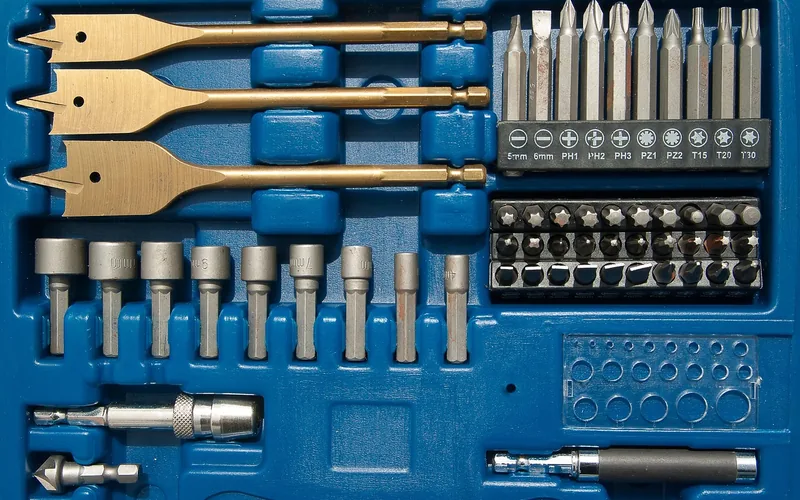
The 7/32″ drill bit steps up in size: it drills a hole of approximately 0.21875 inches (5.56mm), noticeably wider than the 5/32″ bit. For the exact decimal-to-metric conversion and how it compares against nearby fractional sizes, see our 7/32″ drill bit exact-size breakdown.
This size is the hardwood pilot hole for a #12 wood screw, and it doubles as the clearance hole for #10-#12 screws and machine screws of similar diameter passing through without threading. It strikes a balance: large enough for common mid-size fasteners, small enough to still leave material for a screw’s threads to grip.
When to Use a 7/32″ Drill Bit
The 7/32″ drill bit enters the scene when your project needs slightly larger fasteners or holes:
- Hardwood pilot holes for #12 screws: sturdier wood, larger furniture pieces, or hardware that needs more grip — this is the correct hardwood pilot for a #12 wood screw, not for #10 (which takes a smaller 13/64″ hardwood pilot).
- Clearance holes for bolts and machine screws: a clean, slightly larger opening for fasteners you don’t want threaded into the material.
- General drilling tasks: everyday jobs that don’t need the extreme precision of smaller bits but aren’t massive either.
- Thicker material: slightly thicker planks or softer metals where a larger clearance is required.
The goal of a pilot hole is to guide the screw and prevent splitting, not to make it a loose fit. The 7/32″ bit does that for #12-range fasteners before you move to larger structural screws.
5/32″ vs. 7/32″ Drill Bit: Key Differences at a Glance
Here’s a quick-reference summary of the crucial differences between these two sizes.
| Feature | 5/32″ Drill Bit | 7/32″ Drill Bit |
|---|---|---|
| Diameter (Fractional) | 5/32 inches | 7/32 inches |
| Diameter (Decimal) | Approximately 0.156 inches | Approximately 0.219 inches |
| Hole Size Comparison | Smaller | Larger |
| Ideal For | Small screws, delicate work, precise pilot holes, small anchors. | Hardwood #12 pilot holes, general-purpose clearance holes for #10-#12 screws and bolts. |
| Common Screw Sizes (Pilot Holes) | #6 to #8 wood screws (softwood) | #12 wood screws (hardwood) |
| Pressure Required to Drive Screw | Less pressure needed; screw has more material to grip. | More pressure usually needed; screw has less material to grip, but still secure. |
| Risk of Splitting Wood | Lower, especially in softer woods or thin stock. | Slightly higher than 5/32″ if driven into very thin material without care. |
How to Choose the Right Drill Bit Size (The Smart Way!)
Picking the right bit comes down to the relationship between material, fastener, and hole size:
- Check your fastener: most name-brand screws, bolts, or anchors have packaging that states the recommended pilot hole size. This is the golden rule.
- Consider the material: softer materials need smaller pilot holes to prevent splitting; harder materials can take a slightly larger pilot, or sometimes none at all for very small screws.
- Pilot hole vs. clearance hole: a pilot hole is drilled before a screw, slightly smaller than the screw’s minor (root) diameter so the threads still bite. A clearance hole is drilled for a bolt or screw to pass through freely, slightly larger than the screw’s major diameter.
- Match bit to thread: aim for a pilot hole roughly 60-75% of the screw’s thread diameter. Consulting the fastener packaging beats doing this math by hand.
- When in doubt, test on scrap: drill a hole in a scrap piece of the same material, then drive the screw. Splitting means the hole was too small; a loose screw means it was too large (or the screw is stripped). Adjust and try again.
Wood Screw Pilot Hole Chart: Softwood vs. Hardwood by Gauge
Screw packaging doesn’t always spell out an exact bit size, and a single 7/32″ recommendation gets repeated online for a wider range of screws than it actually fits. The table below breaks pilot and clearance sizes down by screw gauge and wood hardness, matching the same reference chart used across this site’s drilling guides so the numbers stay consistent from article to article.
| Screw # | Softwood Pilot | Hardwood Pilot | Clearance Hole |
|---|---|---|---|
| #4 | 3/32″ | 7/64″ | 1/8″ |
| #6 | 7/64″ | 9/64″ | 5/32″ |
| #8 | 1/8″ | 11/64″ | 11/64″ |
| #10 | 9/64″ | 13/64″ | 13/64″ |
| #12 | 5/32″ | 7/32″ | 7/32″ |
| #14 | 3/16″ | 1/4″ | 1/4″ |
Read straight from this chart: a 5/32″ bit is the softwood pilot for a #12 screw, not a #6-#8 — for the smallest common wood screws it’s actually slightly oversized. And 7/32″ is precisely a #12 screw’s hardwood pilot hole, doing double duty as the clearance hole for #10-#12 fasteners in any wood. If you’re working from a screw number rather than a fastener’s stated diameter, this chart is more reliable than eyeballing it against a 5/32″ or 7/32″ bit alone.
📊 #4 through #14 wood screws span a pilot-hole range of just 3/32″ to 1/4″ — a 1/8″ miss in either direction is the difference between a split board and a stripped screw. Source: site drilling reference chart, cross-checked against standard fastener pilot-hole guidance.
Drill Bit Materials and Types
While we’re talking about size, it’s worth a brief mention that drill bits come in different materials and types, which affect performance. For general home and woodworking tasks, you’ll most often encounter:
- High-Speed Steel (HSS): the most common material. HSS bits are durable, handle the heat drilling generates, and work on wood, plastics, and many metals — a great all-around choice for beginners. See how they compare to cobalt bits if you also drill hardened steel.
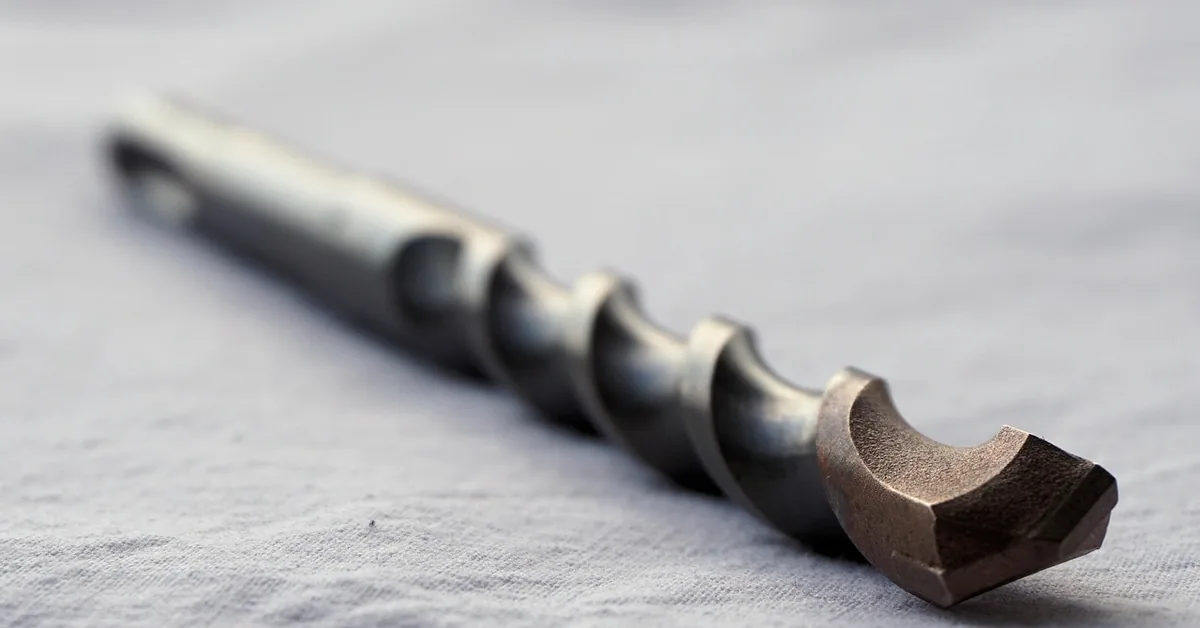
- Twist Drill Bits: the standard, helical-fluted bit most people picture — excellent for round holes in a variety of materials. If you switch between wood and metal often, our drill bits for metal vs. wood guide covers the tip-geometry differences.
For most DIY projects, a good set of HSS twist or brad point bits in common sizes (including 5/32″ and 7/32″) will serve you well. Keep bits sharp — a dull bit works harder, produces poorer results, and is more likely to skate or snap.
Safety First! Essential Drilling Tips
Drilling is a fundamental skill, but safety should always be the top priority:
- Wear safety glasses: wood chips, dust, and broken bits can fly at high speed.
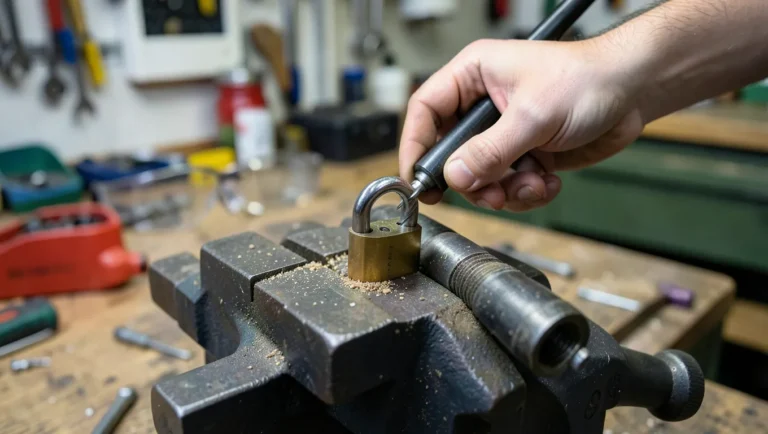
- Secure your workpiece: clamp or vise it. Never hold small pieces by hand while drilling.
- Choose the right speed: slower for larger bits or harder materials, faster for small bits in soft material.
- Apply steady pressure: let the bit do the work — forcing it can overheat or break it.
- Keep bits sharp: sharp bits drill cleaner holes with less effort. A dull bit heats up quickly and produces dust instead of shavings.
- Proper grip: hold the drill firmly with both hands, and use the auxiliary handle if it has one.
- Know what’s behind the material: you don’t want to drill through a wall into a wire or pipe.
“Employers must ensure that employees are protected from exposure to live electrical parts… de-energize and lock out circuits before work begins where contact is possible.”
That’s the standard behind the general-contractor rule of thumb: know what’s on the other side of a wall before you drill into it, especially near outlets, switches, or anywhere wiring could run.
Frequently Asked Questions (FAQ)
What’s the main difference between a 5/32″ and a 7/32″ drill bit?
The primary difference is diameter. A 5/32″ bit creates a smaller hole (about 0.156 inches), while a 7/32″ bit creates a larger hole (about 0.219 inches). That difference directly determines which screws or fasteners each bit is suited for.
When should I use a 5/32″ drill bit instead of a 7/32″ bit?
Use a 5/32″ bit for smaller tasks: pilot holes for small wood screws like #6 or #8, small clearance holes, or detailed craft work. It’s for when you need a finer, more precise hole than a 7/32″ bit would leave.
Is a 7/32-inch drill bit a pilot hole or a clearance hole?
It depends on the screw gauge and wood hardness. For a #12 wood screw, 7/32″ is the hardwood pilot hole. For #10-#12 screws in any wood, 7/32″ also works as the clearance hole, letting the fastener pass through without threading into the material.
What size drill bit should I use for a #10 or #12 wood screw pilot hole?
A #10 screw takes a 9/64″ pilot in softwood and 13/64″ in hardwood. A #12 screw takes 5/32″ in softwood and 7/32″ in hardwood. They’re close in diameter but not the same — check the screw gauge, not just “medium screw,” before picking a bit.
Is 5/32 or 7/32 bigger?
7/32″ is bigger. In decimals, 5/32″ is about 0.156 inches and 7/32″ is about 0.219 inches — a difference of roughly 1/16 inch (0.0625 inches), which is enough to change which screw gauge and wood hardness each bit is meant for.
Sponsored / affiliate links. As an Amazon Associate I earn from qualifying purchases. I may earn additional commission from eligible campaigns.