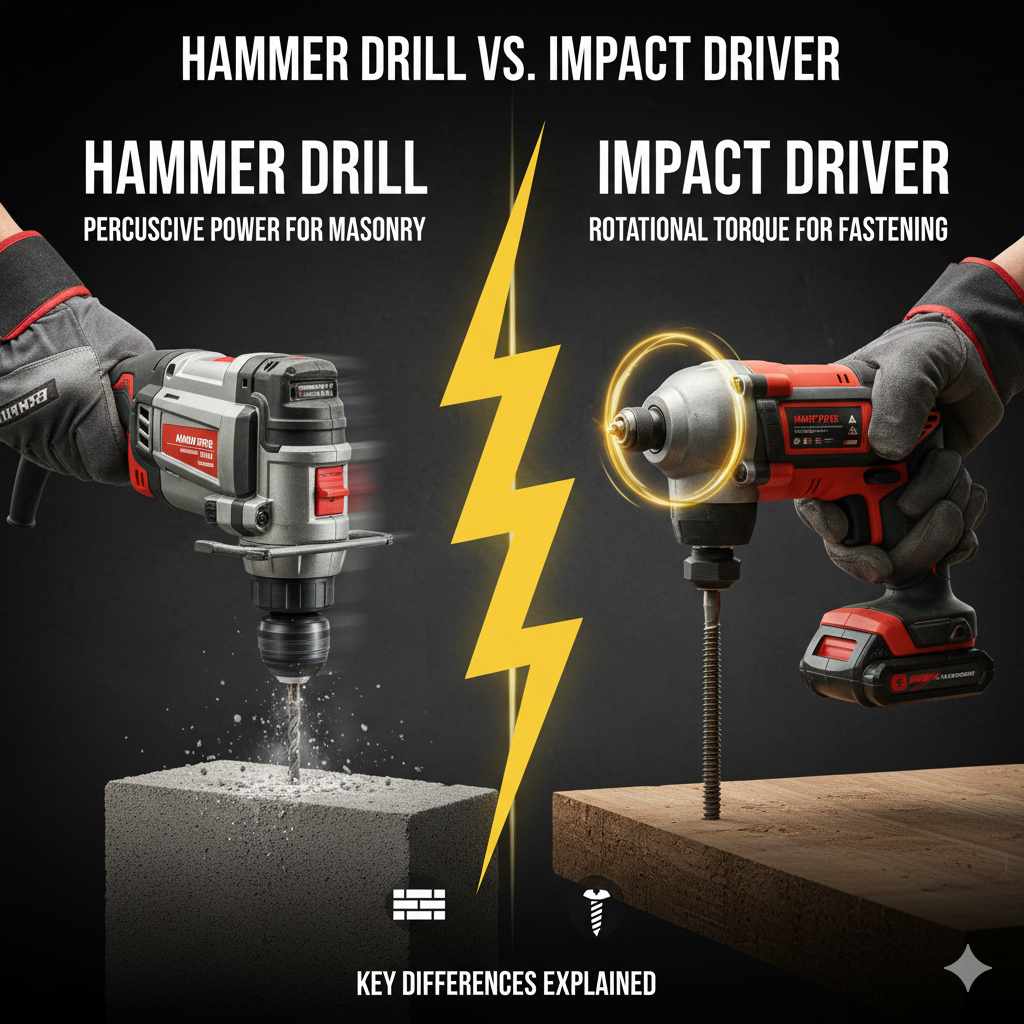
Difference between a Hammer Drill And Impact Driver: Key Insights
Have you ever stood in the tool aisle, staring at a hammer drill and an impact driver, wondering which one you really need for your DIY project? You’re not alone.
Many people find themselves puzzled by the differences between these two essential power tools. Choosing the right tool can make your project easier, more efficient, and a lot more fun. But with all the jargon and technical specs, it’s easy to feel overwhelmed and unsure.
Don’t worry; we’re here to simplify things for you. By the end of this article, you’ll clearly understand what each tool does, how they differ, and most importantly, which one you should choose for your specific needs. Stick around to discover the key differences that could save you time, money, and effort on your next project.
Tool Design And Structure
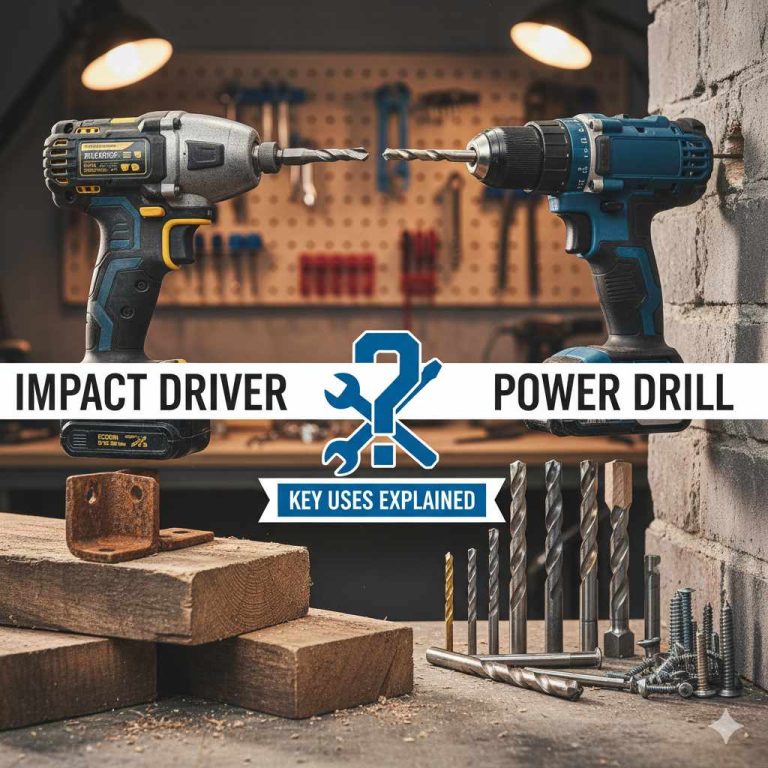
Hammer drillsare bigger and heavier. They have a strong body. This helps them make holes in hard walls. Their handles are usually thick and strong. This makes them easy to hold during work.
Hammer drills are often much heavierthan impact drivers. They can weigh more than five pounds. Impact drivers are lighter. Sometimes they weigh less than three pounds. This makes impact drivers easier to carry. Their small size helps them fit in tight spaces.
Functionality And Mechanism
:max_bytes(150000):strip_icc()/SPR-impact-driver-vs-drill-5116867-hero-37b95592c1a44e97baa3de9f859fbd0a.jpg)
Credit: www.thespruce.com
Hammer drillsand impact drivershave different working principles. A hammer drill uses a forward and backward motion. This is combined with a spinning action. It helps drill into hard surfaces like concrete. The hammer action is like a chisel hitting the surface repeatedly.
An impact driver, on the other hand, uses a rotational force. It also applies a sudden downward force. This helps in driving screws faster. It is very effective for driving long screws into wood. Both tools are useful, but they work differently.
Rotational action is key for both tools. But they apply it differently. A hammer drill rotates with hammer action. The impact driver rotates with impact action. The impact action is more powerful. It helps in driving screws into tough materials. The rotational movement ensures smooth drilling or driving. These differences make them unique for specific tasks.
Applications And Uses
Hammer drillsand impact driversserve different tasks. Hammer drills are perfect for making holes in concrete and brick. They work with heavy-duty materials. Impact drivers are best for driving screws into wood and metal. They are fast and powerful. Choosing the right tool for the job is key. It makes work easier and quicker.
Suitable Projects
Hammer drills are ideal for building walls or floors. They help in construction projects. Impact drivers are great for furniture making. Also for assembling equipment. Each tool shines in its own area. Picking the right one saves time.
Material Compatibility
| Tool | Materials |
|---|---|
| Hammer Drill | Concrete, Brick, Stone |
| Impact Driver | Wood, Metal, Drywall |
Power And Performance
Hammer drillsand impact driversare tools with different strengths. Hammer drills are for making holes in hard materials. They use a pounding action. This makes drilling into concrete or brick easier. Impact drivers, on the other hand, are best for driving screws. They use a rotational force. This helps in tight spaces.
Torque is the turning force of a tool. Hammer drills have moderate torque. They are not as fast as impact drivers. Impact drivers have high torque. This makes them spin screws quickly. But they are not for drilling holes.
Both tools can be cordlessor corded. Cordless tools use batteries. They are easy to carry around. Corded tools need to be plugged in. They have more power but less freedom to move.
Cost And Value
The price of a hammer drill can be higher. It usually costs between $70 and $150. An impact driver is often cheaper. Prices range from $50 to $100. Both tools have affordable options. But quality can vary. Spending more often means getting better quality. Cheaper models might not last as long. Consider your budget and needs.
Hammer drills are very durable. They can handle tough jobs. This makes them last longer. Impact drivers are also strong. They work well for many tasks. Both tools are built to last. Choose a good brand for better longevity. Regular maintenance helps too. Clean and store them properly.
User Experience
Choosing between a hammer drill and an impact driver depends on the task. Hammer drills are ideal for concrete and masonry. Impact drivers work best for driving screws and bolts. Each tool serves a specific function, ensuring efficient results. Understanding their differences enhances user experience in DIY projects.
Ease Of Use
Using a hammer drill feels different than an impact driver. A hammer drill pushes forward. It helps break through hard surfaces. Heavy duty tasks suit the hammer drill well. An impact driver twists screws quickly. It needs less effort. The impact driver is lighter. Handy for everyday jobs.
Safety Considerations
Safety is crucial with tools. Hammer drills can vibrate a lot. Firm grip is essential. Always wear ear protection. Impact drivers are quieter. Less vibration, but still wear safety gear. Eye protection shields you from debris. Proper handling prevents accidents. Read instructions before use.
Maintenance And Care
Understanding the difference between a hammer drill and an impact driver is essential for effective tool use. Hammer drills excel in heavy-duty drilling tasks, while impact drivers are perfect for driving screws with ease. Proper maintenance enhances tool longevity and performance.
Routine Maintenance
Keeping tools in good shape is important. Clean the hammer drilland impact driverafter use. Remove dust and debris. This helps tools work well. Check for loose screws and tighten them. Oil moving parts regularly. This prevents rust and keeps them smooth. Store tools in a dry place. Moisture can damage them. Use protective cases if possible. They prevent scratches and dents. Regular checks ensure tools last longer.
Common Issues
Tools can have problems. The drill might not spin. Check the power source. Batteries can be weak or dead. Replace them if needed. Impact driversmay jam. Remove the jammed part carefully. Avoid forcing it. Bits may wear out fast. Use the right size for each task. Overheating is common. Let tools cool down before using again. Listen for strange noises. They can signal a problem. Fix issues early to avoid bigger repairs.
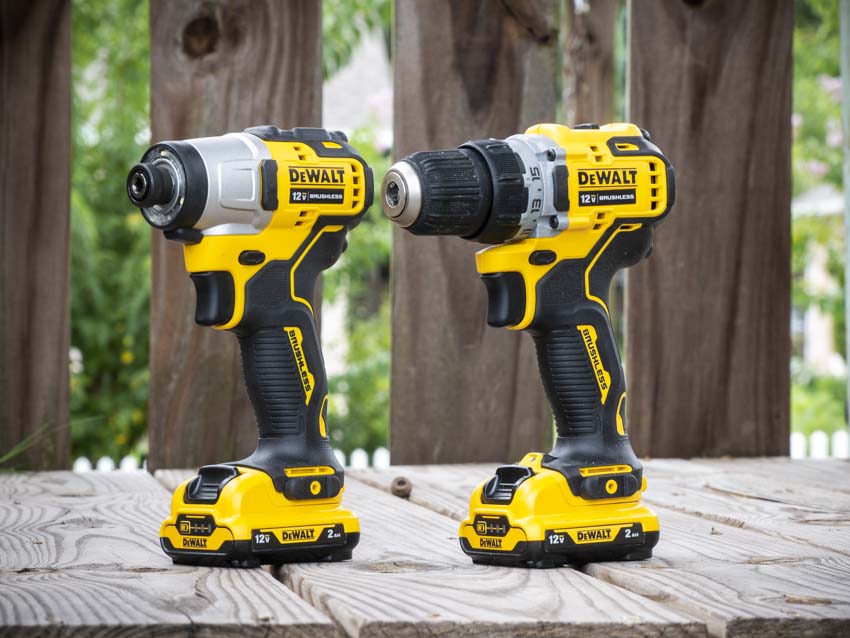
Credit: www.protoolreviews.com
Choosing The Right Tool
Selecting the right tool can be tricky. A hammer drill is perfect for concrete and brick tasks. An impact driver excels at driving screws with high torque. Understanding their differences ensures efficient project execution.
Project Needs
Understanding what your project needs is important. A hammer drillis best for drilling into hard surfaces. It works well with concrete and bricks. On the other hand, an impact driveris great for driving screws. It helps with wood and metal work. Both tools have their own strengths.
Consider the materials you will work with. This helps in picking the right tool. If you need to drill into walls, choose a hammer drill. For building furniture, an impact driver is better. Always match the tool to the task.
Budget And Preferences
Budget matters when buying tools. Hammer drills can be more expensive. Impact drivers often cost less. Check your budget first. Also, think about your own preferences. Some people like lightweight tools. Others prefer powerful machines. Try holding the tool in your hand. See how it feels. Make sure it is easy to use. The right choice makes work easier and faster.

Credit: www.youtube.com
Frequently Asked Questions
Which Is Better, An Impact Drill Or A Hammer Drill?
Choose an impact drill for driving screws and light drilling tasks. Opt for a hammer drill for concrete and masonry work. Impact drills are versatile for DIY projects, while hammer drills offer superior power for heavy-duty applications. Consider project requirements and material hardness before deciding.
Can A Hammer Drill Be Used As An Impact Driver?
A hammer drill and an impact driver serve different purposes. A hammer drill is for drilling into hard surfaces. An impact driver is for driving screws and bolts. Using a hammer drill as an impact driver is not recommended. Each tool is designed for specific tasks to ensure efficiency and safety.
Can A Hammer Drill Be Used As A Normal Drill?
Yes, a hammer drill can be used as a normal drill. It has a switch to disable the hammer function. This allows it to perform regular drilling tasks on wood and metal. Always ensure the right drill bit is used for the material to avoid damage.
When Should You Not Use A Hammer Drill?
Avoid using a hammer drill on delicate materials like wood or tiles. Opt for a regular drill instead. For precision tasks, a hammer drill can cause damage. Use it for hard surfaces like concrete or masonry only. Always ensure the drill setting is suitable for the material you’re working with.
Conclusion
Choosing between a hammer drill and an impact driver depends on your needs. Hammer drills excel at drilling into hard surfaces like concrete. Impact drivers are great for driving screws and bolts with ease. Consider what tasks you will do most.
Think about the materials you will work with often. Both tools have unique strengths. A hammer drill offers power for tough jobs. An impact driver delivers speed and precision. Understanding these differences helps you make informed choices. This ensures your projects are completed efficiently and effectively.