How Long Should Concrete Cure Before Drilling Anchor Bolts?
Concrete needs at least 7 days of cure before you can safely drill for mechanical (wedge) anchor bolts, but ACI 318 requires a 21-day minimum cure before installing chemical (epoxy) anchor bolts — not the flat 28 days most guides quote. Drilling or loading anchors into green concrete can spall the hole and strip pull-out strength, failing deck-ledger inspections. This guide covers cure time by anchor type, IRC deck-ledger embedment code, and how to check concrete strength before you drill.
Quick Answer
Wait at least 7 days before drilling mechanical wedge-anchor holes into new concrete, and a full 21 days — the ACI 318 minimum — before installing chemical (epoxy) anchor bolts. For load-bearing deck ledgers and post bases, wait the full 28-day cure and use 1/2″-diameter code-compliant anchors at the manufacturer’s specified embedment depth.
Concrete Curing Process
Best Deck Anchor Bolt Pick
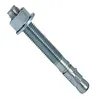
CONFAST 1/2″ x 5-1/2″ Wedge Anchor, Box of 25 – $32.99
Matches the 1/2″-diameter, code-compliant anchor spec this guide covers for deck ledger and post-base connections, with enough length to clear the 2-1/2″ minimum embedment through a 2x ledger board.
- Best for: securing deck ledger boards and post bases into fully cured concrete footings
- Why we picked it: 5-1/2″ length clears the code-minimum embedment even through a doubled ledger board
- Main drawback: zinc plating suits covered/indoor use — choose stainless for ground-contact or coastal exposure
Compare more deck anchor bolt options
 Option 1 HROMIGRY 1/2″ x 5-1/2″ (25 Pack) – $29.99
|
 Option 2 YuGtcen 1/2″ x 3-1/2″ Stainless (4pcs) – $8.79
|
 Option 3 HROMIGRY 1/2″ x 10″ (12 Pack) – $29.99
|
As an Amazon Associate we earn from qualifying purchases.
Concrete curing is a chemical reaction, not simple drying — water and cement react to form a crystalline bond that gives concrete its strength. Rushing that reaction, or letting the surface dry out too fast, leaves the material weaker than its design strength.
Temperature, humidity, and the specific concrete mix all change how fast that reaction runs. Warm, humid conditions speed curing; cold or very dry conditions slow it down and can require extra cure time before drilling. If you’re working with a bagged mix like Quikrete rather than ready-mix, cure times can run a bit differently — see our Quikrete-specific drilling guide for that product’s numbers.
Mechanical vs. Chemical (Epoxy) Anchor Bolts: Cure Time Differs
Concrete anchor bolts fall into two families with different cure-time rules. Mechanical (wedge or sleeve) anchors grip by friction against the drilled hole, so most contractors drill and set them once the concrete reaches roughly 65% of its design strength — about 7 days under normal curing conditions. Chemical (epoxy or adhesive) anchors bond directly to the concrete itself, and ACI 318 Section 17.1.2 sets a 21-day minimum concrete age before they’re installed at all — concrete younger than that is considered “green” and can compromise bond strength.
Simpson Strong-Tie’s own published load values for both wedge anchors and epoxy anchors are calculated against concrete that’s at least 21 days old — not the 28 days repeated on most DIY sites. If a project needs full rated capacity sooner than that, check the anchor manufacturer’s technical data sheet for a reduced-strength design value instead of guessing.
📊 ACI 318 Section 17.1.2 sets a 21-day minimum concrete age for adhesive (epoxy) anchor installation — concrete younger than that is classified “green” and can reduce bond strength. — Source: ICC-ES ESR-3037 (Simpson Strong-Tie)
Ideal Curing Time For Drilling
Concrete gains strength fast at first, then levels off. The table below shows roughly how much of its final design strength concrete has reached at each stage — this is why “how long” really means “how strong,” not a fixed calendar number.
| Concrete Age | Approx. Strength Gained |
|---|---|
| 1 day | 16% |
| 3 days | 40% |
| 7 days | 65% |
| 14 days | 90% |
| 21 days | ~95% |
| 28 days | 99% |
Industry testing from the National Precast Concrete Association confirms the 28-day figure is a standardized strength benchmark, not a hard safety cutoff — but for anything load-bearing, like a deck ledger or post base, waiting for the full 28-day cure removes the guesswork. Cold or wet weather slows every stage of this curve; warm, dry weather speeds it up.
Anchoring Deck Ledger Boards and Post Bases Into Concrete (IRC Code)
For deck-framing and other woodworking projects, the concrete-cure question usually comes down to one connection: bolting a ledger board or post base into a concrete foundation wall or footing. IRC Section R507.9 requires deck ledgers attached to a concrete or grout-filled masonry wall to use 1/2″-diameter code-compliant expansion, epoxy, or adhesive anchors, spaced a maximum of 16 inches on center and staggered in two rows for 2×10 and larger ledger stock.
Embedment depth depends on the anchor type: expansion (mechanical) anchors need a minimum of 2-1/2 inches of embedment into solid concrete, while epoxy anchors need at least 4-1/4 inches. Add the ledger board’s own thickness on top of that embedment depth when sizing anchor bolt length, and never set these anchors before the concrete has cleared the cure minimums above — the same 1/2″ anchor bolts are also used in wood-frame sill plate connections. Inspectors check bolt spacing and embedment, not just that a bolt exists.
Risks Of Drilling Too Early
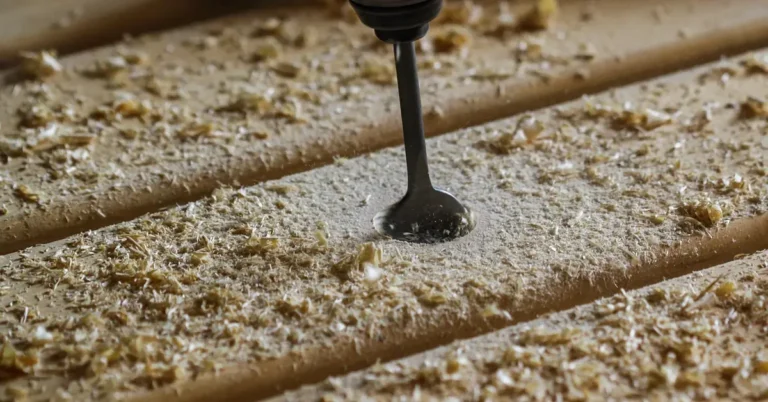
Drilling before concrete reaches adequate strength can chip and crack the hole, and an anchor set in that damaged concrete won’t grip as designed. Loose anchors can work free over time, which is a structural risk on anything load-bearing — a deck ledger, a post base, or an equipment mount.
Concrete needs time to settle before it takes on stress. Waiting the appropriate minimum for your anchor type — 7 days for mechanical, 21 days for chemical — is what separates a secure connection from one that fails an inspection or pulls loose under load.

Tools And Techniques For Drilling
Concrete needs adequate cure time before drilling anchor bolts, and the right tool matters almost as much as the wait. Proper technique prevents damage and gives your anchor a secure, code-compliant hold.
Choosing The Right Drill
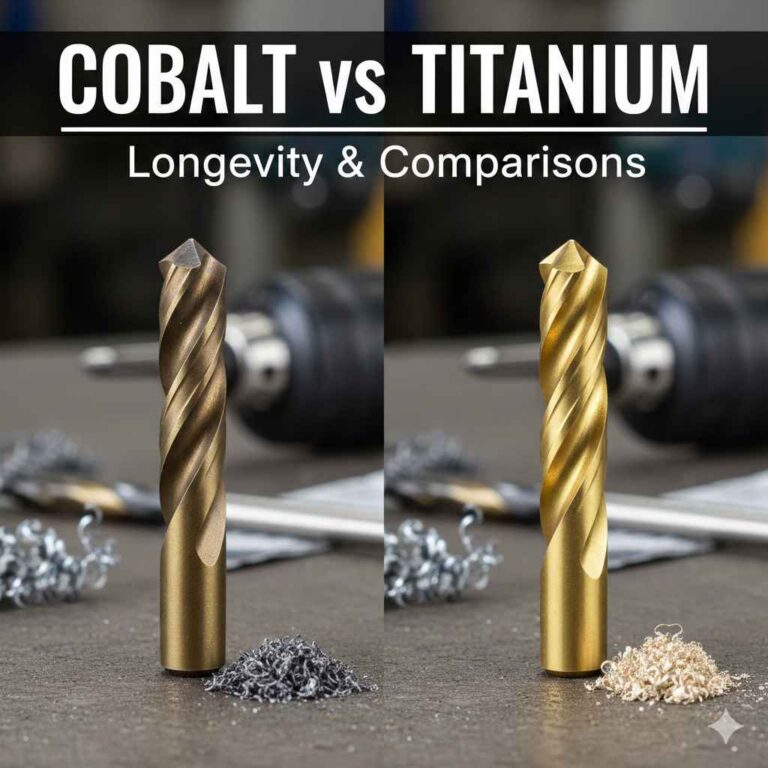
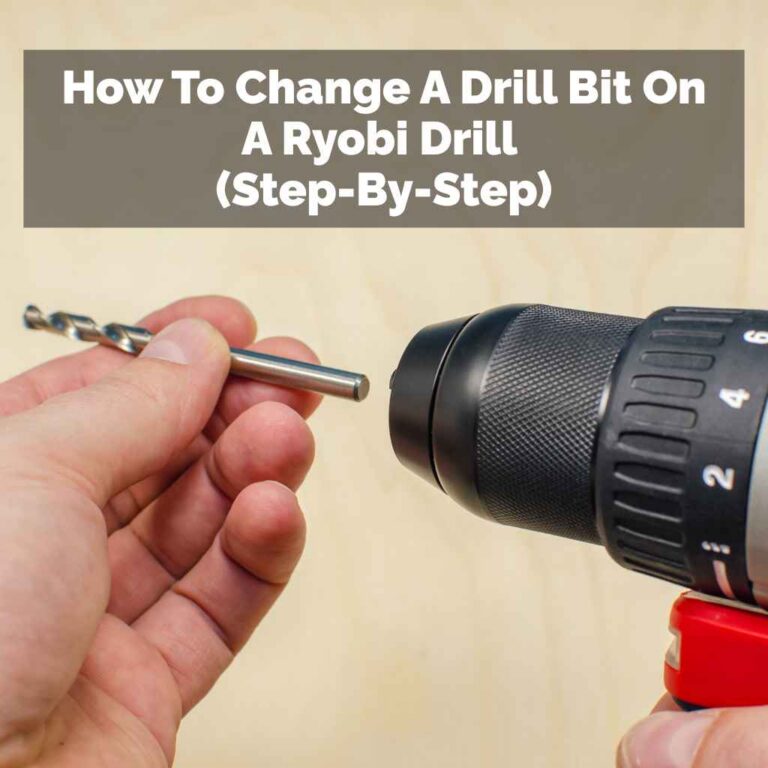
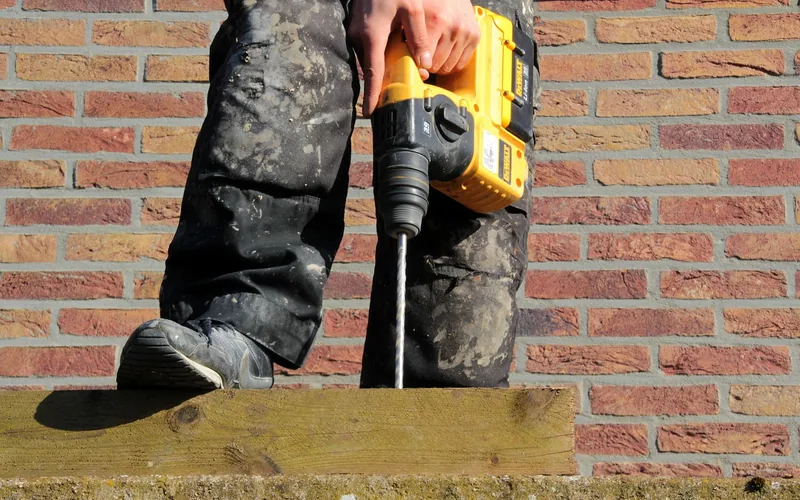
Choosing the right drill matters for concrete work. Hammer drills use a pounding action that makes them far more effective on concrete and masonry than a standard drill. Cordless models are fine for a handful of holes; a corded rotary hammer is worth renting for a full deck’s worth of ledger anchors. Don’t have a hammer drill on hand? A standard drill with a carbide masonry bit can still drill into concrete without a hammer drill for a handful of anchor holes. Drill bits matter too — use carbide-tipped masonry bits sized to the anchor manufacturer’s spec, and check the bit for wear before every job.
Proper Drilling Techniques
- Mark the hole: Mark the drilling spot with a pencil or chalk, then confirm the location clears rebar or embedded conduit.
- Gear up: Put on safety goggles, gloves, and a dust mask before starting the drill.
- Start slow: Begin at a slow speed to let the bit seat cleanly, then increase speed gradually as the hole deepens.
- Clear the dust: Blow or vacuum dust out of the hole every inch or so — packed dust cushions the anchor and weakens its grip.
- Drill past spec: Drill about 1/4 to 1/2 inch deeper than the anchor’s rated embedment so leftover debris doesn’t stop it from seating fully.
- Test-fit first: Dry-fit the anchor bolt in the hole before final setting to confirm a snug, code-compliant fit.
“When I’m anchoring a ledger board into an existing footing, I always blow the hole clear with compressed air and dry-fit the bolt before final setting — packed concrete dust is the number one reason a wedge anchor won’t reach full holding power.”
Safety Measures
Proper safety gear matters just as much as cure time when drilling into concrete — silica dust from concrete drilling is a real long-term respiratory hazard, not just a cleanup nuisance.
Protective Equipment
Wear safety goggles to shield eyes from dust and concrete chips, and ear protection against the noise of a hammer drill or rotary hammer. Gloves prevent hand injuries from a slipping drill, and an N95 or better dust mask protects against airborne silica. Steel-toed boots and clothing that covers arms and legs round out the basics for any concrete drilling job.
Handling Dust And Debris
A shop vacuum with a HEPA filter captures fine concrete dust far better than sweeping, which just puts it back into the air. Wet drilling — using a small amount of water to keep dust down — works well outdoors but isn’t practical for most DIY ledger and post-base jobs. Dispose of debris properly and keep the work area clear to avoid slip hazards.
Tips For Successful Bolt Installation
Match your wait time to your anchor type: at least 7 days for mechanical wedge anchors, 21 days minimum (per ACI 318) for chemical/epoxy anchors, and the full 28-day cure for any load-bearing deck ledger or post-base connection. Weak, undercured concrete won’t hold an anchor at its rated capacity no matter how carefully you drill.
Check moisture in the hole before setting an epoxy anchor — most adhesive anchor systems require a dry or damp (not wet) hole to bond properly, per the manufacturer’s instructions. Avoid oversized bits, which enlarge the hole and weaken the anchor’s grip, and always align bolts square to the surface for even load distribution.
Frequently Asked Questions
How Long Should Concrete Cure Before Drilling Anchor Bolts?
At least 7 days for mechanical (wedge) anchor bolts under normal curing conditions. Chemical (epoxy) anchor bolts need a 21-day minimum concrete age per ACI 318. For load-bearing work like a deck ledger or post base, wait the full 28-day cure so the concrete reaches its designed strength before it takes on stress.
Can You Drill Into Fresh Concrete?
Not safely. Fresh concrete under about 7 days old is still soft and can crack or crumble around a drilled hole. Waiting lets the concrete reach enough compressive strength to hold a drilled hole and an anchor without damage.
What Happens If You Drill Anchor Bolts Too Early?
Drilling too early can chip or crack the surrounding concrete and reduce an anchor’s pull-out strength. The bolt may sit loose, work free under load, or fail a structural inspection. Waiting for the cure minimum for your anchor type prevents all three problems.
Does Curing Time Vary By Concrete Type?
Yes. Bagged mixes, fiber-reinforced mixes, and mixes with accelerators or retarders all cure at different rates than standard ready-mix concrete. Temperature and humidity shift the timeline further, so always check the specific mix’s data sheet rather than assuming a flat 28 days.
How Long Before You Can Install Chemical (Epoxy) Anchor Bolts?
ACI 318 Section 17.1.2 sets a 21-day minimum concrete age before installing chemical (epoxy) anchor bolts. Concrete younger than 21 days is considered “green” and can compromise the adhesive bond, so most manufacturers won’t publish rated load values for anchors installed earlier than that.
What Anchor Bolt Size and Embedment Does a Deck Ledger Board Need?
IRC Section R507.9 requires 1/2″-diameter code-compliant anchors spaced a maximum of 16 inches on center. Expansion (mechanical) anchors need at least 2-1/2 inches of embedment into solid concrete; epoxy anchors need at least 4-1/4 inches, plus the ledger board’s thickness on top of that.
Conclusion
Match your wait time to the anchor: 7 days for mechanical wedge anchors, 21 days for chemical (epoxy) anchors per ACI 318, and the full 28-day cure for any load-bearing connection like a deck ledger or post base. Rushing the process risks cracked concrete, a weak hold, and a failed inspection.
Always check the anchor manufacturer’s technical data sheet and your local building code before drilling, since embedment depth, spacing, and cure requirements vary by anchor type and application. Patience here is what turns a drilled hole into a connection that actually holds.
Sponsored / affiliate links. As an Amazon Associate I earn from qualifying purchases. I may earn additional commission from eligible campaigns.