Difference between Urethane And Polyurethane: Explained
Have you ever stood in a store aisle, staring at products labeled urethane and polyurethane, wondering what sets them apart? You’re not alone.
Whether you’re a DIY enthusiast, a professional in construction, or simply curious, understanding the difference between these two materials can be crucial. You might think they sound similar, and that’s true, but their unique properties can make a big difference depending on what you need them for.
Imagine saving time and money by choosing the right material for your project the first time. We’ll break down the differences in simple terms, helping you make informed decisions with confidence. Keep reading, because once you understand these differences, you’ll be better equipped to tackle any project with ease.
Credit: sawsonskates.com
Urethane Basics
Urethane is a simple compound. It contains carbon, nitrogen, and oxygen. These elements form a strong bond. Polyurethane is made from urethane. It has many linked units. This creates a flexible and strong material.
Urethane is used in paints and coatings. It protects surfaces. Polyurethane has many uses too. Foam cushions are made from it. It insulates homes. You find it in clothing and shoes. This material is very versatile.
Polyurethane Fundamentals
Polyurethane is a type of plastic. It comes from chemicals called isocyanates and polyols. These chemicals form a chain. The chain has many links. Each link is important. Urethane is one link in the chain. Polyurethane has many links. This makes it strong and flexible.
Polyurethane is used in many products. It is in furniture and car seats. It helps make soft cushions. It is also in paints and varnishes. These keep things shiny and safe. Polyurethane is in insulation too. It keeps houses warm. It is a very useful material.
Key Differences
Urethane is a chemical compound used to create various products. Polyurethane is a polymer made from urethane. Polyurethane offers more durability and flexibility compared to urethane.
Material Properties
Urethane is a single chemical compound. Polyurethane is a group of compounds. Urethane is often used in paints and coatings. It provides a smooth finish. Polyurethane is used in foam products. It creates flexible cushions. Urethane has less complex structures. Polyurethane has many complex chains. These chains give unique properties. Urethane is often softer. Polyurethane can be harder.
Durability And Flexibility
Urethane is less durable. It wears out faster. Polyurethane is more durable. It lasts longer. Flexibility varies between them. Urethane is more flexible. It bends easily. Polyurethane is less flexible. It holds shape better. Durability matters in long-term use. Polyurethane often wins. Urethane might need replacement sooner. Both are useful in different ways.
Manufacturing Processes
Urethane is made using simple steps. It involves mixing chemicals. Polyurethane needs a more complex process. It requires several steps and machines. This makes polyurethane harder to produce. The steps need to be just right. This ensures the product is strong.
Making urethane is less costly. The process is simpler and cheaper. Polyurethane costs more to make. This is because of the complex steps. Machines used for polyurethane are expensive. This makes the end product cost higher. Buyers may pay more for polyurethane. But they get a stronger product.
Environmental Impact
Urethane and polyurethane have different effects on nature. Urethane uses fewer resources in production. Polyurethane can be less friendly to the Earth. It often needs more chemicals.
Both materials help in making long-lasting products. This reduces waste. But, urethane might be slightly better for the planet. It often needs fewer changes to its formula.
Recycling is important. Polyurethane can be recycled. It helps reduce waste. But it’s not easy to recycle. It needs special processes.
Urethane might not be as recyclable. It often gets thrown away. This can harm the environment. Choosing the right material matters.
Choosing The Right Material
Urethane and polyurethane are both good choices for different projects. Urethane is often used in paints and varnishes. It provides a hard finish. Polyurethane is popular for furniture and floors. It offers a flexible coating. Understanding your project needs is key. Do you need a tough surface or a flexible one? Check the specific tasks your material will face.
Durability matters a lot in choosing a material. Urethane is very durable and resists scratches. Polyurethane can handle more stress and bends without breaking. Temperature is another factor. Urethane can withstand high heat. Polyurethane works better in cold environments. Consider these factors for the best outcome. Choose wisely for your project needs.
Common Misconceptions
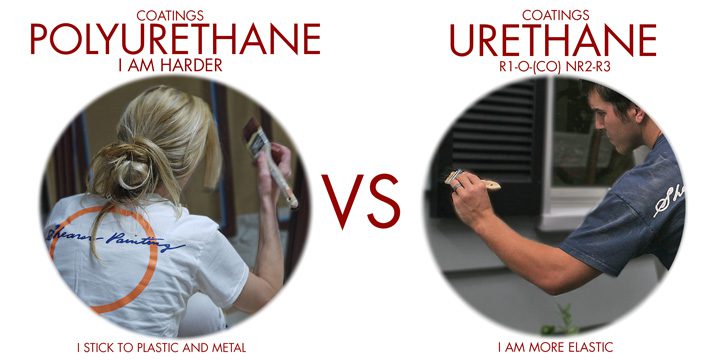
People often get confused about urethane and polyurethane. They think they are the same. They are not. Urethane is a single molecule. It is a building block. Polyurethane is a chain of molecules. It is made from urethane. Polyurethane is stronger. It lasts longer.
Many use urethane and polyurethane wrong. Urethane is used in paints. Polyurethane is used in foam cushions. Urethane is softer. Polyurethane is tougher. Products need specific types. Mixing them can ruin things. Choose the right one for the job.
Credit: www.uniflexinc.com
Frequently Asked Questions
Which Is Better, Urethane Or Polyurethane?
Polyurethane is often preferred for its durability and flexibility. Urethane and polyurethane are related, but polyurethane provides better resistance to wear and tear. Choose based on specific needs and application requirements.
What Is The Purpose Of Urethane?
Urethane is used for protective coatings, adhesives, and insulation. It enhances durability and resistance to chemicals. It is versatile in industrial applications, providing a reliable solution for various manufacturing needs.
What Are The Disadvantages Of Polyurethane?
Polyurethane can emit harmful VOCs, affecting indoor air quality. It may degrade under UV exposure, reducing durability. Some types are flammable and require careful handling. Disposal can be challenging due to non-biodegradable properties. Production processes may have environmental impacts.
What Is Another Name For Urethane?
Urethane is also known as ethyl carbamate. It’s a chemical compound used in various industrial applications. It’s important in making plastics, resins, and adhesives. Urethane should not be confused with polyurethane, which is a polymer. Always handle it with care due to potential health risks.
Conclusion
Understanding urethane and polyurethane differences helps in making better choices. Urethane, a single unit, is versatile and flexible. Polyurethane, a polymer, offers durability and resistance. Both materials suit different needs and applications. Choose urethane for flexibility and polyurethane for strength.
Consider your specific requirements before deciding. This ensures you select the right material. Whether for furniture, flooring, or coatings, knowing these differences matters. Make informed decisions to achieve the best results. Always weigh the pros and cons of each. This guarantees satisfaction with your final choice.