DIY Kitchen Drawer Dividers: Organize Your Space Effortlessly
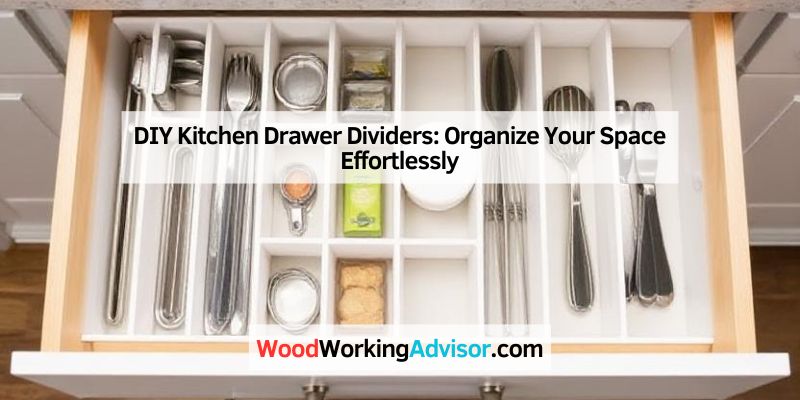
Organizing your kitchen can be a challenge. Kitchen drawers often become cluttered and messy.
DIY kitchen drawer dividers are a great solution to this problem. They help you keep your kitchen tools neat and easy to find. With a few simple materials, you can create custom dividers that fit your needs perfectly. These dividers can save you time and reduce stress.
No more searching for that missing spatula or measuring spoon. Plus, making your own dividers is cost-effective and fun. You get to choose the design and materials, ensuring they match your kitchen’s style. Ready to transform your kitchen drawers? Let’s dive into how to make your own DIY kitchen drawer dividers.
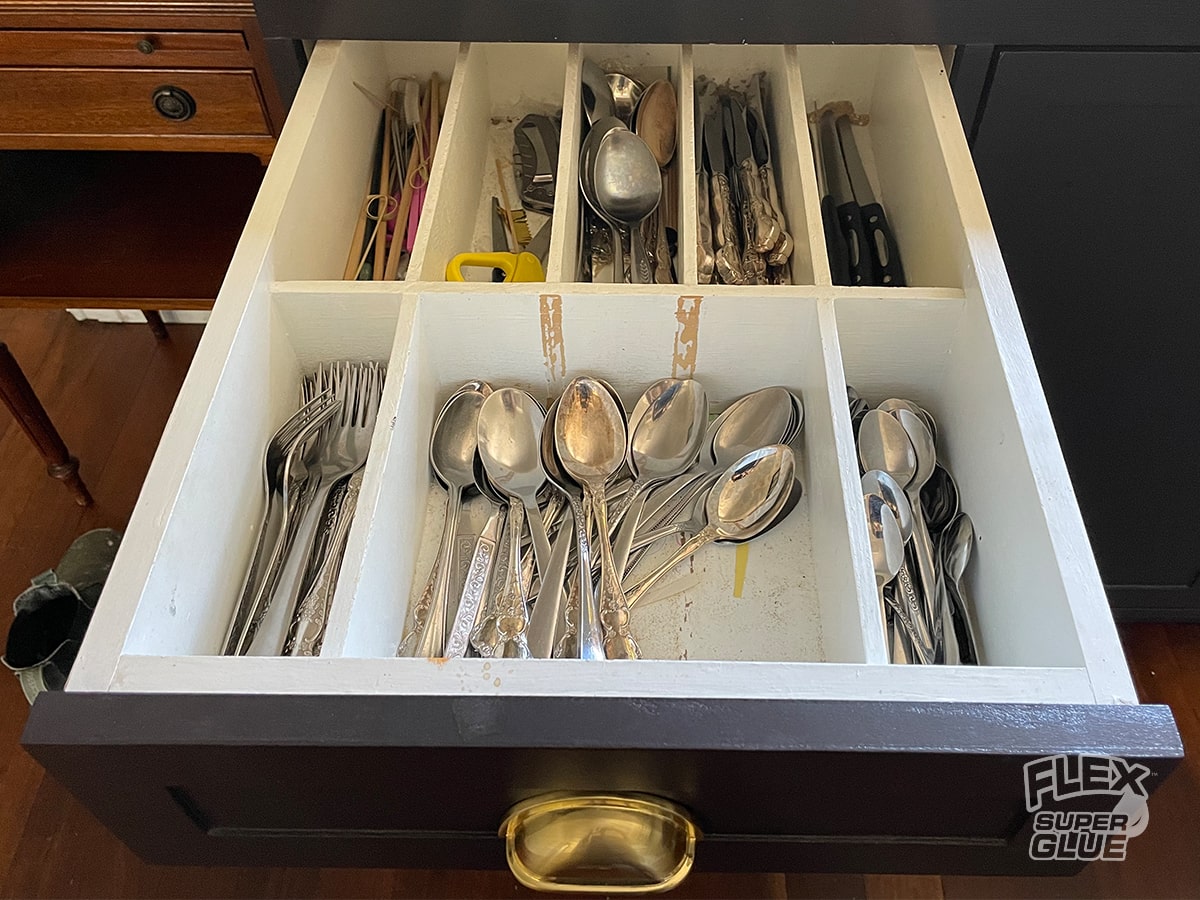
Credit: flexsealproducts.com
Benefits Of Kitchen Drawer Dividers
Create DIY kitchen drawer dividers to keep utensils and tools organized. Enjoy a clutter-free kitchen and find items quickly. This simple project saves time and enhances efficiency.
Maximize Space
Kitchen drawer dividers help to maximize space. Everything has its place. No more clutter. You can store more items neatly. Small and large items fit well. This keeps your kitchen tidy. You will find what you need quickly. More space means more room for cooking tools.
Easy Access
Drawer dividers make everything easy to access. Items are organized. You don’t have to search for things. It saves time. You know where everything is. This makes cooking more fun. No more digging through messy drawers. Quick access means less stress in the kitchen.
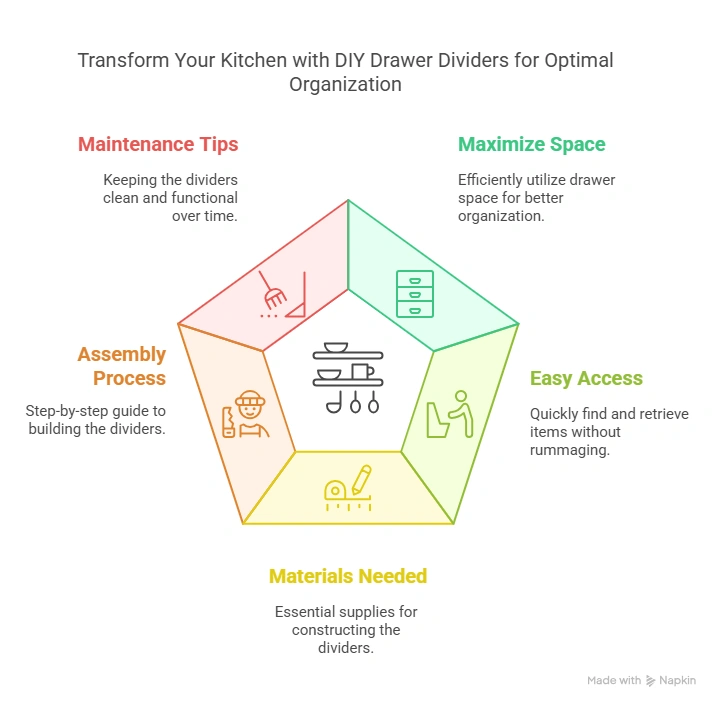
Materials Needed
Some basic tools are needed. A measuring tape helps to get the right size. Pencil and ruler are good for marking cuts. Use a saw to cut the wood or plastic. A screwdriver is needed to fix screws. Sandpaper helps to smooth rough edges.
Wood is strong and lasts long. Plastic is also a good choice. It is easy to clean. MDF is cheap and easy to cut. Plywood is strong and looks good. Choose screws that are right for the material. Use glue for extra hold.
Measuring Your Drawers
First, measure the width of the drawer. Use a tape measure for this. Write down the number. Next, measure the depth. Go from the front to the back. Write this number down. Lastly, measure the height. Go from the bottom to the top. Write down this number too.
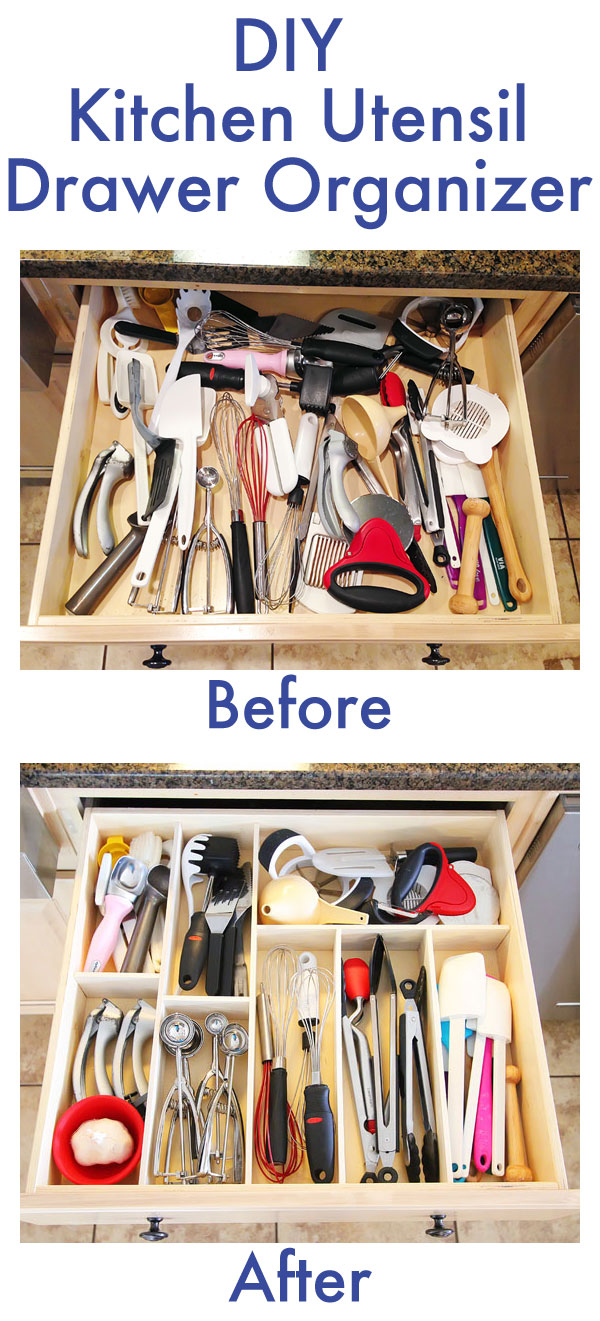
Cut the divider to fit. Use your measurements. Make sure it is snug. Trim as needed. Fit the divider inside. Test if it moves. Adjust if needed. Ensure it is stable.
Credit: www.kevinandamanda.com
Cutting The Dividers
Always wear safety goggles to protect your eyes. Use gloves to keep your hands safe. Keep the work area clean and free of clutter. Ensure all tools are in good condition. Do not rush the cutting process. Take your time and make sure each cut is precise. Secure the material before cutting. This helps prevent accidents. Keep children and pets away from the work area. Always follow the tool manufacturer’s safety instructions. Unplug power tools when not in use.
Measure the drawer carefully. Mark the wood with a pencil. Use a straight edge to guide your cuts. Cut slowly and steadily. Ensure your saw is sharp. A dull saw can be dangerous. Check the measurements again after cutting. Sand the edges to make them smooth. This prevents splinters. Test fit the dividers in the drawer. Make adjustments as needed. Repeat the process for each divider.
Assembling The Dividers
Measure the drawer. Cut the wood to fit. Sand the edges. Arrange the pieces in the drawer. Glue or nail them in place. Let the glue dry. Test the dividers. Make adjustments if needed.
Not measuring the drawer right is a big mistake. Using the wrong wood type can be an issue. Not sanding the edges can cause splinters. Glue not drying can lead to weak dividers. Wrong placement of dividers can waste space. Take your time to do it right.
Installing The Dividers
First, measure the drawer. Cut the dividers to fit snugly. Use a saw for clean edges. Sand the edges to avoid splinters. Place the dividers in the drawer. Make sure they fit well. Adjust as needed. Next, secure the dividers with glue or nails. Glue works well for a clean look. Nails add extra strength. Let the glue dry completely. Check the stability. Adjust again if needed. Enjoy your organized drawer.
Adjustments may be needed over time. Drawers can shift. Dividers might loosen. Check them regularly. Fix loose dividers with more glue. Tighten nails if needed. Consider adding more dividers. Keep your kitchen tidy. Simple steps make a big difference.
Organizing Your Items
Separate items by use. Put all cooking utensils together. Group spoons, forks, and knives in one place. Keep measuring cups and spoons together. Place spatulas and whisks in another section.
Store small items in smaller sections. Use dividers to keep bottle openers and peelers in one spot. Group food storage bags and clips together. This way, everything is easy to find.
Put most-used items in the front. Store less-used items in the back. Place similar items near each other. This helps keep the drawer neat.
Use adjustable dividers. They can fit different drawer sizes. This keeps everything in place. No more messy drawers.
Maintenance Tips
Keep your drawer dividers clean with a simple wipe. Use a damp cloth with mild soap. Avoid soaking the wood dividers in water. This prevents damage. For plastic dividers, warm soapy water works well. Dry them thoroughly to avoid mold.
Inspect your dividers regularly. Tighten any loose screws. Replace damaged parts as needed. This keeps them functional. Store extra dividers in a dry place. Avoid placing them in direct sunlight. This prevents warping or fading.

Credit: www.christeneholderhome.com
Frequently Asked Questions
What Can I Use As A Drawer Organizer?
Use dividers, trays, bins, or small boxes as drawer organizers. They help keep items tidy and easily accessible.
What Is The Best Material For Drawer Dividers?
The best material for drawer dividers is acrylic. Acrylic is durable, easy to clean, and visually appealing. Wood and bamboo are also excellent choices for a natural look.
Does Dollar Tree Have Drawer Organizers?
Yes, Dollar Tree offers various drawer organizers. You can find affordable and practical options in their stores.
How To Organize A Kitchen Junk Drawer?
Sort items into categories. Use dividers or small containers. Discard unnecessary items. Label sections for easy access. Regularly maintain organization.
Conclusion
Creating your own kitchen drawer dividers can be simple and fun. It helps you organize utensils and gadgets efficiently. Plus, it saves money and allows for customization. You can use various materials like wood or cardboard. The process is straightforward and can be a family project.
Once done, your drawers will be tidy and functional. Enjoy a neat and orderly kitchen with your DIY dividers.