
DIY Pedalboard Wood: Build Your Perfect Music Gear Organizer
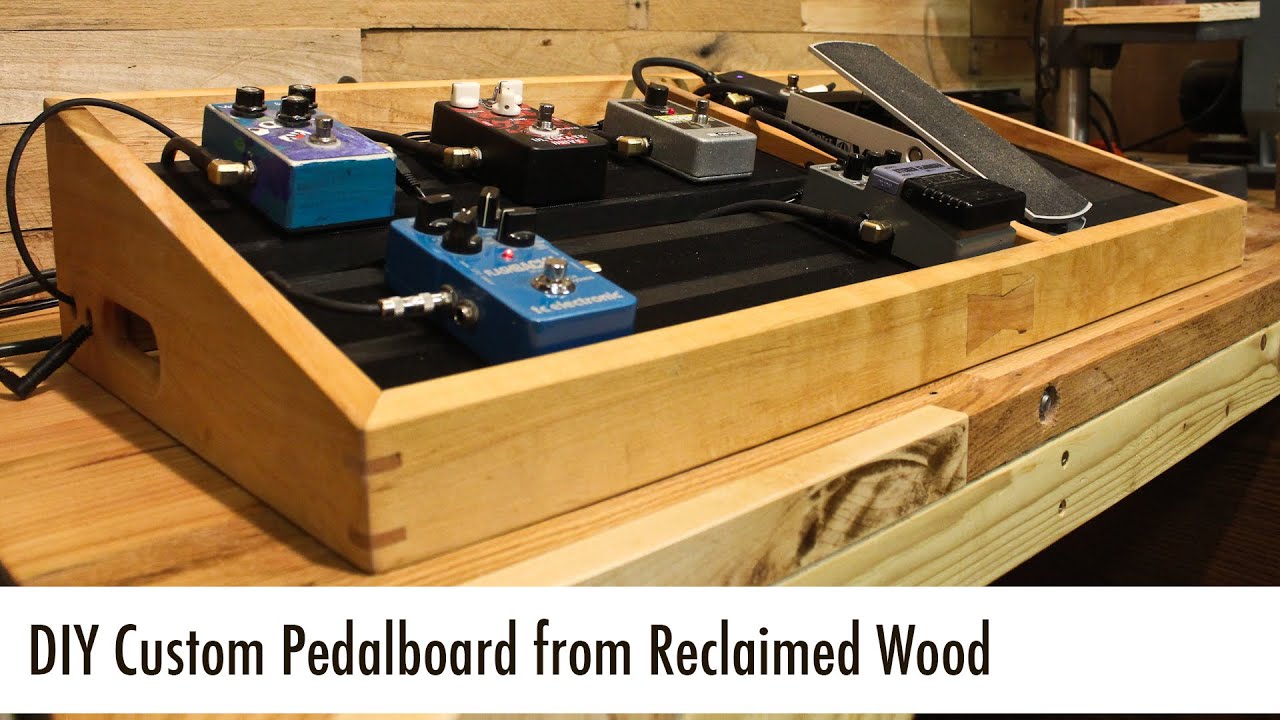
A DIY pedalboard made of wood can transform your music setup. It’s practical and adds a personal touch.
Building your own pedalboard isn’t just cost-effective; it offers customization and creativity. Crafting a wooden pedalboard might sound complex, but it’s quite manageable. With basic tools and a bit of patience, you can create a sturdy and stylish pedalboard that suits your needs.
Whether you’re a seasoned musician or a hobbyist, a DIY pedalboard can enhance your gear organization. This project allows you to arrange pedals to your liking, ensuring easy access during performances. Plus, designing and building it yourself brings a sense of accomplishment and personalization. So, let’s explore the process and materials needed to craft your own unique pedalboard.
Credit: www.youtube.com
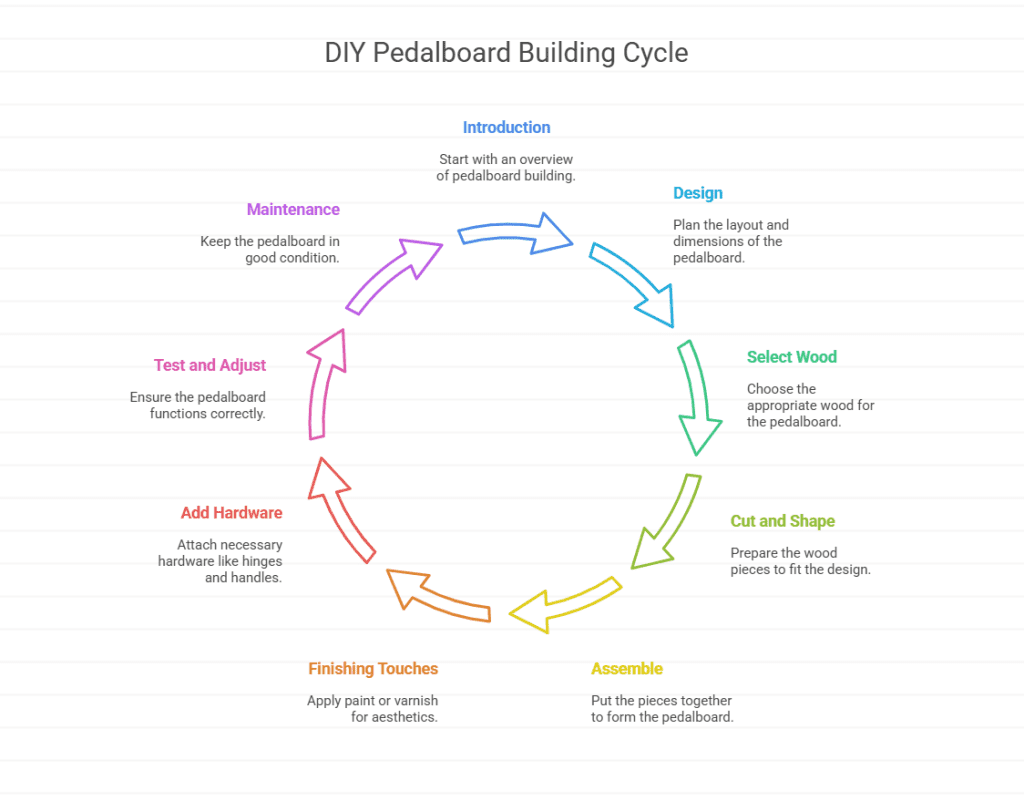
Introduction To Diy Pedalboard
Building your own pedalboard can be very fun. It is cheap and easy. A custom pedalboard fits your needs. It keeps your pedals in one place. No more mess with cables. It looks great too.
A custom pedalboard is unique. It shows your style. You can choose the size. Make it small or big. Add space for new pedals. You can also pick the wood. Choose a light wood or a dark wood. You decide. Plus, it is a great project. Enjoy building something with your hands.
- Wood planks
- Screws
- Wood glue
- Sandpaper
- Paint or stain
- Drill
- Saw
- Measuring tape
Designing Your Pedalboard
Pedalboards come in different sizes. Choosing the right size is important. Think about the pedals you use. If you have many pedals, you need a bigger board. If you have few pedals, a small board is enough. Measure your pedals before buying a board. This helps to know the space needed.
Planning the layout is key. Place the pedals on the board. See how they fit together. Arrange them in a way that makes sense. The pedals you use most should be easy to reach. Leave space for cables and power supplies. This helps keep the board neat. Use velcro or zip ties to hold pedals in place.
Selecting The Wood
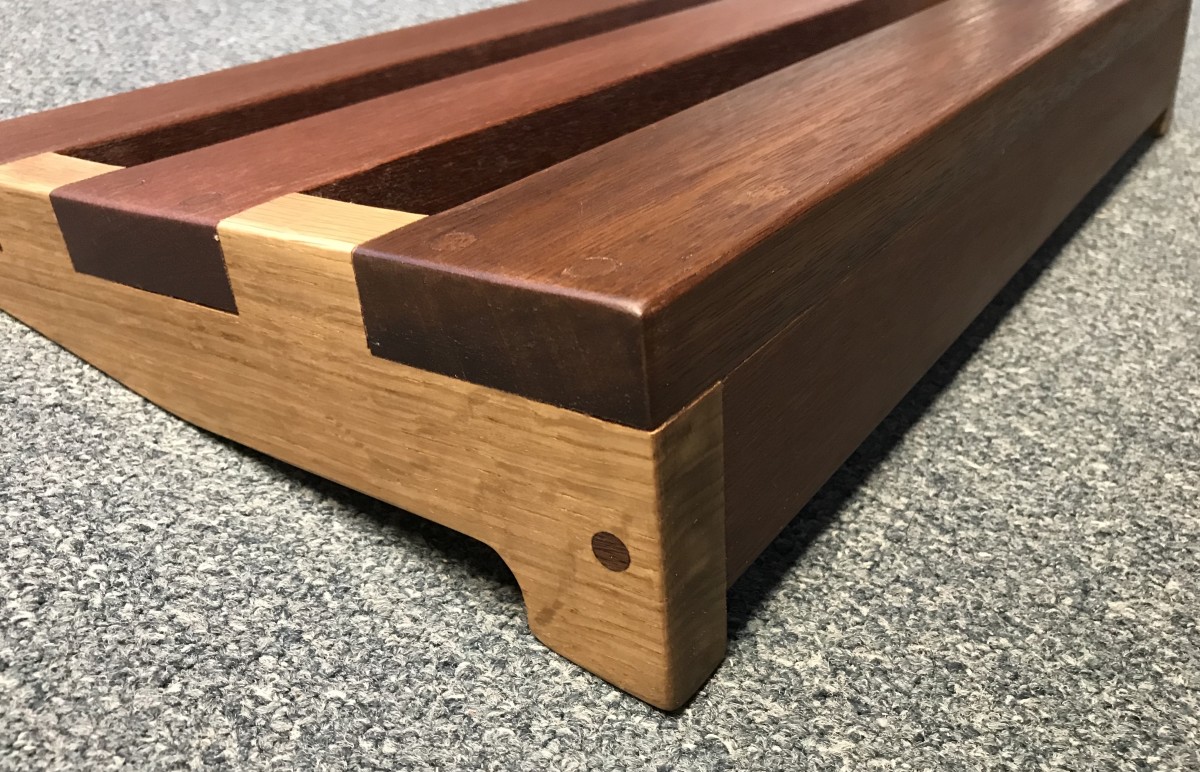
Choosing the right wood is crucial. There are many options. Pine, oak, and plywood are popular.
| Wood Type | Pros | Cons |
|---|---|---|
| Pine | Lightweight, easy to work with | Soft, dents easily |
| Oak | Strong, durable | Heavy, more costly |
| Plywood | Affordable, stable | Less attractive, may warp |
Credit: discover.hubpages.com
Cutting And Shaping The Wood
To cut and shape the wood, you need a few tools. A saw is essential. It helps to have a measuring tape. A drill is useful for making holes. Sandpaper smooths the edges. Clamps hold the wood in place. Safety goggles protect your eyes. Gloves keep your hands safe.
Safety is very important when working with tools. Always wear safety goggles. They protect your eyes from dust and debris. Gloves protect your hands from cuts. Make sure your workspace is clean. Keep tools organized to avoid accidents. Don’t rush; take your time to work carefully. Check your tools before using them. Ensure they are in good condition.
Assembling The Pedalboard
First, gather all the needed tools and materials. This includes wood, screws, and a drill. Measure and cut the wood pieces to the right size. Make sure all pieces fit well together.
Next, start drilling pilot holes. This helps prevent the wood from splitting. Screw the pieces together. Check that the frame is sturdy. Attach the top board. Secure it tightly. Place your pedals on the board. Arrange them in the order you like.
Use Velcro to keep pedals in place. Connect the pedals with patch cables. Plug in the power supply. Test your setup to make sure it works well.
- Forgetting to measure twice before cutting.
- Using screws that are too long.
- Not drilling pilot holes, which can split the wood.
- Ignoring the order of pedals.
- Using weak Velcro that doesn’t hold pedals well.
- Not testing the setup before final use.
Finishing Touches
Start by sanding the wood with coarse sandpaper. This helps remove rough spots. Then, use finer sandpaper for a smooth finish. Always sand in the direction of the wood grain. This prevents scratches. Wipe away dust with a damp cloth. Repeat the sanding if needed. Smooth wood makes painting easier.
Choose paint or stain for your pedalboard. Paint adds color and protection. Stain shows the wood’s natural beauty. Apply with a brush or cloth. Use even strokes for a neat look. Let it dry completely. Add a second coat if needed. Seal with a clear finish for extra protection. This keeps your pedalboard looking new.
Adding Hardware
Mounting brackets help keep pedals in place. They stop pedals from moving. Use screws to attach the brackets. Make sure the screws fit well. Brackets should be strong. They need to handle the weight of pedals. Choose brackets made of metal or hard plastic. These materials last longer. Place the brackets evenly. This keeps the board balanced. Try to use more brackets for heavy pedals. This way, pedals stay secure.
Cable management keeps your board tidy. Use cable ties to bunch cables together. This stops cables from tangling. Velcro strips can also help. Stick cables to the board with Velcro. Clips are another option. They hold cables in place. Pick clips that match your board. Small clips work for thin cables. Larger clips are better for thick cables. Keep cables short. Long cables create mess. Mark each cable. Labels help you find the right cable quickly.
Testing And Adjustments
First, arrange your pedals on the board. Ensure each pedal has enough space. This helps you press buttons easily. Next, connect the cables. Keep them neat. Avoid tangling them. Test each pedal. Check if they work correctly. Adjust their positions if needed. Make sure you can reach all pedals quickly. This setup will make playing more enjoyable.
Start by plugging in your guitar. Turn on your amp. Play a few notes. Listen carefully. Adjust the volume and tone. Make small changes to each pedal. Find the best sound. Test different settings. Try different combinations. Fine-tune as needed. Repeat until you are happy with the sound. This will help you achieve the perfect tone.
Maintenance Tips
Dust can collect on your pedalboard. Use a soft cloth to wipe it off. Avoid using water. It can damage the wood. Use a dry cloth instead. Clean your pedals too. Dust can affect their performance. Check for loose screws. Tighten them if needed. Inspect cables for wear. Replace damaged ones. Keeping your pedalboard clean helps it last longer.
Inspect your pedalboard regularly. Look for signs of wear. Check the wood for cracks. Fix them if you find any. Test your pedals. Make sure they work well. Check the connections. Ensure they are secure. Inspect the power supply. Make sure it is working right. Regular check-ups keep your pedalboard in top shape.
Frequently Asked Questions
What Materials Do I Need For A Diy Pedalboard?
You’ll need plywood, screws, wood glue, a saw, and a drill. Optionally, you can add paint or varnish for finishing.
How Do I Choose The Right Size?
Measure your pedals and plan the layout. Ensure there’s enough space for all pedals and cables.
How Do I Secure Pedals On The Board?
Use Velcro strips to secure the pedals. Attach one side to the board and the other to the pedals.
Can I Add A Power Supply To My Pedalboard?
Yes, you can mount a power supply underneath the board. Ensure it’s compatible with your pedal requirements.
Conclusion
Building your DIY pedalboard from wood is a rewarding project. It offers customization and a personal touch. You save money while creating a unique piece. Follow the steps, gather your tools, and enjoy the process. Your pedals will have a perfect home, crafted by you.
Stay creative and have fun with your music journey. Happy building!