How to Install Glass Block Windows in a Wood Frame
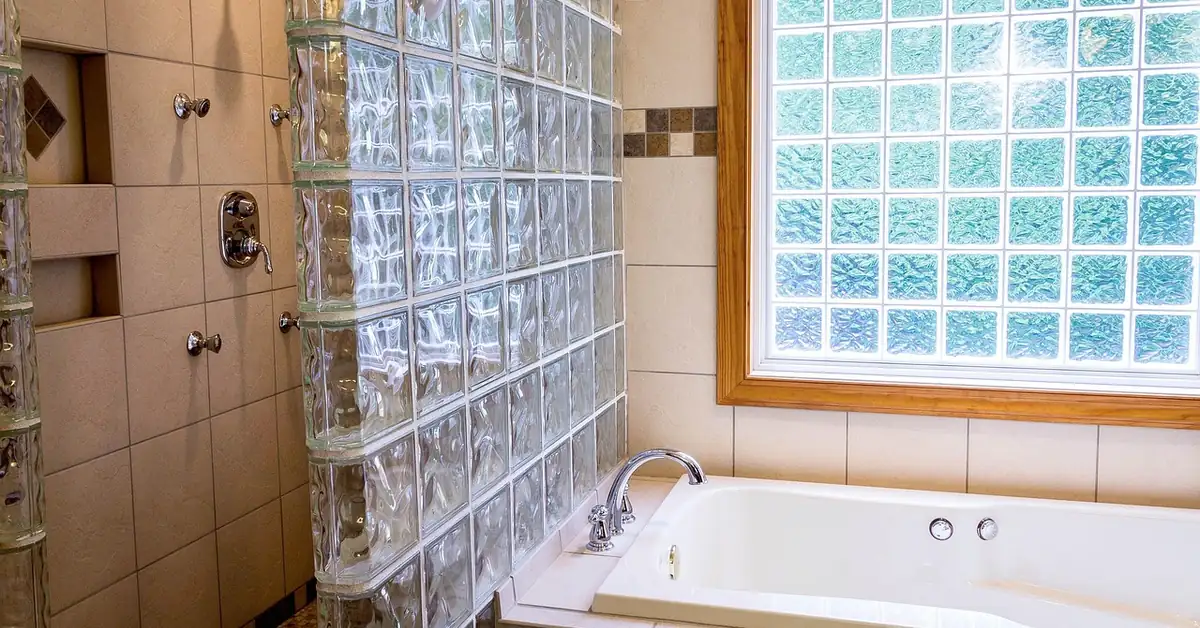
Glass block windows can’t be mortared straight to a wood-framed rough opening — wood pulls moisture out of the mortar as it cures, so it flakes, shrinks, and leaves the window loose and drafty. Skip that mistake by screwing a vinyl or metal perimeter channel into the frame first, then sealing the blocks to it with 100% silicone instead of mortar. This guide covers measuring the opening, installing the channel, and sealing it correctly.
Quick Answer
Frame the rough opening, then set a vinyl or metal glass block channel inside it instead of mortaring blocks directly to wood — wood absorbs the mortar’s moisture and the bond fails. Dry-fit the blocks with plastic spacers, caulk the channel with 100% silicone, then seal the exterior perimeter. Expect $471–$989 professionally installed in 2026.
Tools and Materials You’ll Need
Best Glass Block Install Kit Pick

Glass Block Window Spacers (10-Pack, PVC) – $15.00
Dry-fit compatible spacers that match the channel-and-dry-fit method this guide recommends instead of mortaring blocks directly to the frame.
- Best for: keeping every course of blocks aligned without masonry experience
- Why we picked it: built for the dry-fit-first process covered above, on 3-inch-thick blocks
- Main drawback: sized for 3-inch blocks — measure yours before buying
Compare more glass block install options
 Option 1 Seves Glass Block 4″ Vertical Spacer Pack – $30.05
|
 Option 2 Gorilla 100% Silicone Caulk, White 10oz – $9.77
|
 Option 3 COLORPAPA Vinyl Hopper Window, 32″x14″ – $105.99
|
As an Amazon Associate we earn from qualifying purchases.
- Tape measure, plumb bob, and level
- Vinyl or metal glass block perimeter channel, sized to your block thickness
- Glass blocks (commonly 6×6 or 8×8 inches, 3 or 4 inches thick)
- Plastic or PVC glass block spacers (horizontal and vertical)
- 100% silicone sealant — not mortar — for the wood-frame joint
- Caulk gun
- Wood stops or trim material
- Exterior-grade insulation foam board and house wrap
- Screws or a nail gun
- Sandpaper and primer, if refinishing the existing frame
Gathering Materials
Installing glass block windows in a wood frame starts with accurate measurements and the right materials, not mortar and a trowel. Measure the rough opening‘s height, width, and depth with a tape measure, then subtract 1/2 inch from the width and height for clearance. Choose blocks in clear, colored, or patterned glass — standard sizes run 6×6 or 8×8 inches, some with predrilled holes for ventilation. Buy a channel system sized to your block thickness, plastic spacers, and 100% silicone sealant instead of a mortar mix.
Why Mortar Doesn’t Bond to a Wood Frame
Glass block mortar is a cement-based product that cures by reacting with water — and wood ruins that reaction. The wood in your frame draws moisture out of the mortar as it sets, so the mix flakes, shrinks, and pulls away from the frame instead of bonding to it. The result shows up months later as a loose, leaky, drafty window, not as an install-day failure.
The fix is to stop asking mortar to bond dissimilar materials. Install a vinyl or metal glass block channel inside the wood rough opening first, screwing it to the frame on all four sides. The blocks then sit in that channel, spaced with plastic spacers, and get sealed to it with 100% silicone caulk instead of mortar. Mortar can still go between the blocks themselves if you’re using traditional (non-prefab) glass blocks — it just should never touch the wood directly.
📊 Wood absorbs moisture from curing mortar, which is why mortar-to-wood bonds in glass block installs commonly flake, shrink, and fail within the first year. — Source: Quality Glass Block, installation guide
Preparing the Wood Frame
Dry fit the window before any sealant goes on, so you can catch sizing problems while they’re still easy to fix. Remove the existing window first, then inspect the wood frame for rot or damage.
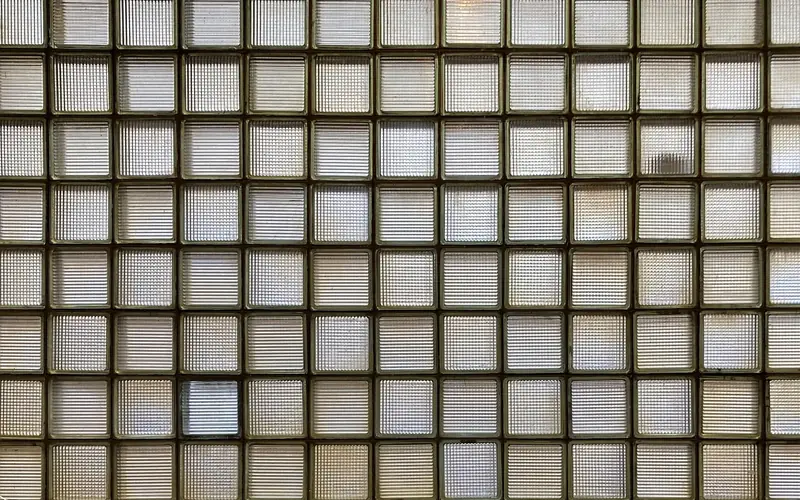
Removing the Existing Window
Unscrew and remove any hardware securing the old window, then pull it from the frame. If the wood shows soft spots, splitting, or rot, address that now — a channel system screwed into compromised wood won’t hold. Small areas of rot can often be restored with wood epoxy filler instead of replacing the whole frame; larger damage calls for a full wood window frame repair.
Sanding and Painting the Frame
Sand rough spots and old paint or dirt off the frame, prime it, then paint with long, even strokes and let it dry fully. Primer both improves paint adhesion and gives the channel system a clean, stable surface to screw into.
Installing Wood Stops on the Frame
Cut wood stops to fit the opening and attach them on all four sides with a nail gun or screws. These hold the glass block channel and finished window in place, so measure twice before cutting — a stop that’s off by even 1/4 inch will throw off the channel alignment in the next step.
Installing Glass Blocks
With the frame prepped, the install breaks into three parts: assessing the rough opening, installing the perimeter channel, and dry-fitting the blocks before anything is sealed.
Assessing the Rough Opening
Measure the width, height, and depth of the opening, then check it for square with a plumb bob and level. Subtract 1/2 inch from the width and height measurements — that’s the clearance the channel system needs. Adjust the framing now if the opening isn’t square; it only gets harder once the channel is screwed in.
Installing the Perimeter Channel
Screw the bottom channel along the base of the opening first, then the side channels — pre-drill the screw holes so the wood frame doesn’t split. Install the top channel last, snug but not overtightened. This channel is what replaces mortar’s job of holding the blocks against the wood.
Dry-Fitting the Glass Blocks
Set each block into the channel starting with the bottom course, using spacers to keep a consistent gap. Check straightness after every course before moving to the next. Once the dry fit looks right, you’re ready to seal — not before.
Sealing the Glass Blocks
Sealing is what keeps moisture out and the blocks in place long-term — and it’s where the wood-frame method diverges most from a masonry install.
Laying Silicone in the Bottom Channel
Run a steady, continuous bead of 100% silicone along the full length of the bottom channel with a caulk gun — this is the step where a mortar-based guide would tell you to lay mortar instead, but mortar against the channel’s metal or vinyl surface won’t bond any better than it does against wood.
Adding Vertical Spacers
Press plastic vertical spacers between blocks at each end and along every seam, pushing them firmly into the silicone. Continue course by course until every block is set and spaced evenly.
Cleaning Up the Joints
Wipe away excess silicone with a damp cloth before it cures, and clean the glass faces so they’re clear. A tidy joint line here is also what keeps water from tracking behind the blocks later.
Is Glass Block Right for This Room? (Code Considerations)
Glass block windows do not open, which matters more than most DIY guides mention: the International Residential Code requires an emergency escape and rescue opening (egress window) in every sleeping room, habitable attic, and basement bedroom, with a minimum 5.7 square feet of openable area and a sill no higher than 44 inches off the floor. A fixed glass block window can’t meet that, so it’s not a legal substitute for a bedroom window in most jurisdictions.
That’s exactly why glass block is such a good fit for bathrooms, basements (non-bedroom areas), stairwells, and utility or laundry rooms — spaces where you want privacy and light without an operable window. Check your local code before installing one in any room that currently serves as a bedroom or could be used as one.
📊 The IRC requires a minimum 5.7 sq ft of openable egress area in sleeping rooms, with sill height no more than 44 inches — glass block cannot satisfy this since it doesn’t open. — Source: International Residential Code, via UpCodes
Wood-Frame Channel vs. Mortar vs. Prefab Vinyl Window
| Method | How It’s Sealed | Best For |
|---|---|---|
| Wood-frame channel | Vinyl/metal channel screwed to wood, blocks sealed with 100% silicone | Custom-size openings, DIYers comfortable dry-fitting |
| Traditional mortar | Blocks mortared directly to the opening | Brick or block (masonry) walls only — not wood framing |
| Prefab vinyl-framed unit | Factory-built panel in a vinyl frame with a nailing fin | Fastest install, standard sizes, no mortar or channel work |
Finishing Touches
Once the blocks are set and sealed, three steps protect the install and finish the look: exterior insulation, trim, and window coverings.
Installing Exterior Insulation
- Measure the window and cut foam board insulation to fit around it
- Attach the foam board to the exterior frame with screws and washers
- Cover it with house wrap, secured with staples
- Install your siding material over the house wrap
Adding Trim to the Frame
- Measure and cut trim to length, matching the siding’s exterior grade
- Screw the trim on so it covers the gap between the glass block and frame
- Caulk the trim edges with silicone sealant
- Sand any rough edges with fine-grit sandpaper
Installing Window Coverings
Glass block already provides privacy, so coverings here are about light control rather than screening the view — curtains, shades, or blinds all work. Measure the window, mount brackets without damaging the frame, and follow the covering manufacturer’s instructions for installation.
DIY vs. Professional Installation
The channel-and-silicone method above is doable as a DIY woodworking project for a standard-size window, but larger or custom openings often justify hiring a professional.
Pros and Cons of DIY Installation
Pros:
- Saves the cost of labor
- Work on your own schedule
- No waiting on a contractor’s availability
Cons:
- Requires a channel system, spacers, and a level, square opening
- Little margin for error on measurements
- Mistakes (a bad dry fit, mortar touching wood) mean redoing the work
Factors to Consider When Hiring a Professional
Experience:
Ask specifically about wood-frame installs, not just masonry glass block work — the channel method is a different skill set. Request references or photos of past wood-frame jobs.
License and Insurance:
Confirm a valid license and insurance before work starts, so you’re covered if something is damaged during installation.
Cost Comparison
📊 Glass block window installation averages $471–$989 per window in 2026, including labor and materials, with custom sizes running higher. — Source: This Old House, 2026 cost guide
A DIY channel-and-silicone install typically runs $200 to $300 in materials for a standard-size window — blocks, channel, spacers, and sealant. Custom or patterned block, plus any framing repairs, push that higher. Weigh the savings against the cost of redoing a bad seal if the dry fit or channel work goes wrong.
Tips for Maintenance
Glass block windows need little upkeep, but a few checks keep them performing for years.
How to Clean Glass Blocks
Wipe off dust and dirt with a damp cloth, then use a mild detergent and soft-bristled brush on stubborn marks. Skip abrasive cleaners or harsh chemicals, which can damage the glass or the silicone joints, and rinse and dry the blocks when you’re done.
How to Repair Cracks in the Silicone or Mortar
Cracks between blocks usually come from minor movement in the frame or temperature swings. For a wood-frame install, remove the damaged silicone with a putty knife and reapply fresh 100% silicone — not mortar, for the same bonding reasons covered above. For a masonry install, fresh mortar is appropriate; let it cure fully before use.
When to Call a Professional for Repairs
Call a professional if you see cracked or shifted blocks, water intrusion behind the frame, or damage extensive enough that you’re unsure how to fix it without compromising the seal.
Common Mistakes to Avoid
- Applying mortar straight to the wood frame — it won’t bond long-term; install a channel system instead.
- Skipping the dry fit — adjust spacing and squareness before anything is sealed permanently.
- Forgetting vertical spacers between courses — blocks shift and joints end up uneven without them.
- Using glass block as a bedroom egress window — it doesn’t open and won’t meet emergency-escape code.
- Skipping exterior sealant around the trim — gaps let moisture behind the frame and invite rot over time.
The Process, Start to Finish
- Measure the rough opening: Measure width, height, and depth, then subtract 1/2 inch from the width and height for clearance.
- Install the perimeter channel: Screw a vinyl or metal glass block channel into the wood frame along the bottom, sides, and top.
- Dry-fit the glass blocks: Set each block into the channel with spacers between courses and check alignment before sealing.
- Seal with silicone: Run a bead of 100% silicone into the channel and between blocks instead of mortar, then clean up excess before it cures.
- Finish the exterior: Add trim, caulk the outside perimeter, and insulate around the frame to block moisture and drafts.
Frequently Asked Questions About Installing Glass Block Windows in a Wood Frame
Can you install glass block windows in a wood frame?
Yes, but not by mortaring the blocks directly to the wood. Screw a vinyl or metal glass block channel into the wood frame, dry-fit the blocks with spacers, then seal them to the channel with 100% silicone instead of mortar.
Does mortar stick to a wood window frame?
No. Wood pulls moisture out of mortar as it cures, causing it to flake, shrink, and pull away from the frame, which leaves the window loose, leaky, and drafty over time. Use a vinyl or metal glass block channel screwed into the wood frame, then seal the blocks to the channel with 100% silicone instead.
Can you install glass block windows yourself?
Yes, for a standard-size window. Gather the channel system, spacers, and silicone, measure the opening accurately, and follow the dry-fit-then-seal process. Larger or custom openings, or a frame that needs repair first, are often worth hiring out.
How do you install glass block windows with silicone?
Assess the rough opening, install the perimeter channel, and dry-fit the glass blocks first. Then lay a bead of 100% silicone in the bottom channel, set the first block and vertical spacer, and continue course by course. Check for straightness, clean up excess silicone, and let it cure fully before use.
Are glass blocks hard to install?
Not for a standard-size wood-frame opening if you use a channel system, spacers, and silicone instead of mortar. Preassembled glass block panels, mortared together and secured with a metal band, are even simpler since there’s no individual dry-fitting step.
How much does it cost to install glass block windows?
Professional installation averages $471 to $989 per window in 2026, including labor and materials. A DIY channel-and-silicone installation typically runs $200 to $300 in materials for a standard-size window, though custom sizes or patterned block cost more.
Conclusion
The one detail that makes or breaks a wood-frame glass block install is never letting mortar touch the wood directly — a vinyl or metal channel and 100% silicone do that job instead. Measure carefully, dry-fit before you seal anything, and check local code if the room could double as a bedroom.
Sponsored / affiliate links. As an Amazon Associate I earn from qualifying purchases. I may earn additional commission from eligible campaigns.