Do Oak Trees Produce Acorns Every Year
Many people wonder, Do Oak Trees Produce Acorns Every Year? It can be confusing when you look at an oak tree one year and see lots of acorns, but then the next year, it seems to have none. This happens more often than you might think, and it’s completely normal for oak trees. This guide will make it super simple to understand why this happens.
We will break it down step-by-step so you know exactly what to expect from your oak trees.
Understanding Oak Tree Acorn Production Cycles
Oak trees are fascinating plants, and their ability to produce acorns is a key part of their life cycle and the ecosystem around them. For anyone curious about nature, understanding when and why these acorns appear can be a great way to connect with the environment. This section will explore the natural patterns oak trees follow when it comes to making acorns, helping you see the bigger picture of their growth and reproduction.
What Are Acorns and Why Are They Important
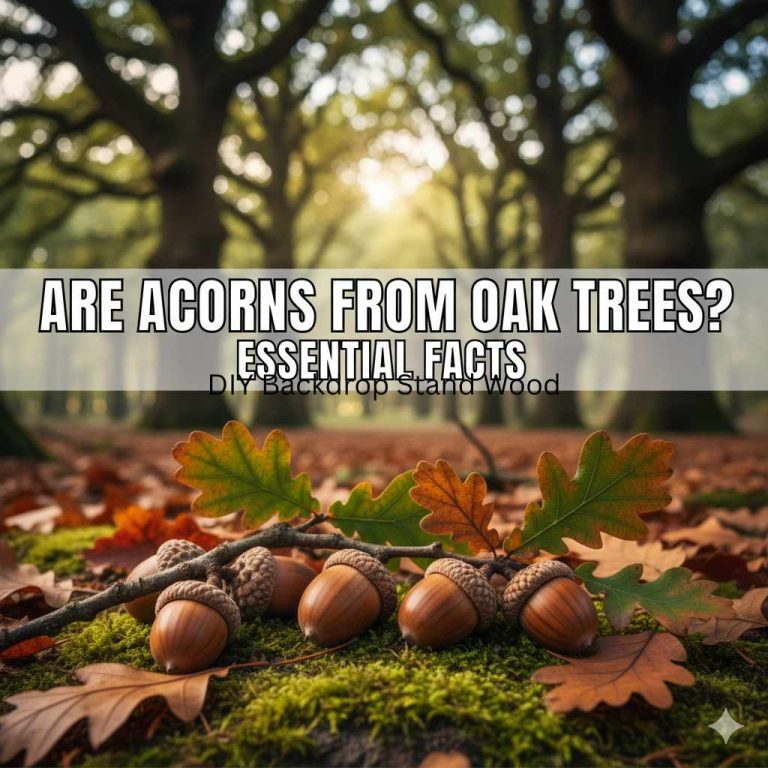
Acorns are the fruit of oak trees, containing a single seed within a tough shell, often capped by a scaly cup. They are a vital food source for a wide variety of wildlife, including squirrels, jays, deer, and wild turkeys. These animals rely on acorns for survival, especially during the fall and winter months when other food sources become scarce.
The production of acorns is also crucial for the reproduction of oak trees themselves. When acorns are dispersed by animals or wind and find suitable conditions, they can germinate and grow into new oak trees, ensuring the continuation of oak forests for future generations. This seed dispersal mechanism is a natural process that helps oak trees spread and thrive in different areas.
Beyond their ecological role, acorns have also played a historical part in human diets in some cultures, being ground into flour. Their tough shells and nutritious kernels have been utilized in various ways, showcasing their versatility. However, the primary significance today remains their role in supporting wildlife and perpetuating the oak species.
The Concept of Mast Years
Oak trees do not produce acorns every single year in the same abundance. Instead, they often follow a cycle known as “masting.” A mast year is when a significant number of oak trees, sometimes across a large region, produce a large crop of acorns. These mast years are often followed by one or more years with very few or no acorns, sometimes called “understory” or “null” years.
This masting behavior is thought to be a survival strategy for the oak trees. By producing a massive amount of acorns in a mast year, the trees can overwhelm seed predators like squirrels and insects. Even though many acorns will be eaten, the sheer quantity ensures that enough will survive to grow into new trees.
In the years between mast years, the reduced acorn supply makes it harder for predators to build up large populations, thus protecting the limited acorns that are produced.
The timing and intensity of mast years can be influenced by various environmental factors. Weather patterns, such as temperature and rainfall during critical periods of flowering and acorn development, play a significant role. For example, a late frost can damage flowers, preventing acorn formation.
Conversely, ideal conditions can lead to a bountiful harvest.
Understanding mast years helps explain why you might see acorns everywhere one year and almost none the next. It is a natural and effective strategy for oak trees to ensure their reproduction and survival.
Factors Influencing Mast Years
Several environmental elements work together to determine when and how abundant an oak tree’s acorn crop will be. These factors are interconnected and can create a complex system that influences the overall masting cycle.
- Weather Conditions During Flowering: Oak trees release pollen from their catkins (those drooping, flower-like structures) in the spring. For successful fertilization and subsequent acorn development, the weather during this period is critical. Warm, dry conditions are generally favorable for pollen dispersal and pollination. If spring brings excessive rain, strong winds, or late frosts, it can disrupt this process. A late frost can kill the delicate flowers or developing embryo, directly reducing the potential acorn yield for that year. Optimal temperatures and adequate sunshine during the flowering period significantly increase the chances of a good acorn set.
- Temperature and Rainfall Throughout the Growing Season: Once acorns have formed, they need a sustained period of favorable conditions to mature. This includes sufficient, but not excessive, rainfall and moderate temperatures throughout the summer months. Drought stress during the summer can cause the developing acorns to shrivel and fall off the tree prematurely. Similarly, extreme heat can also negatively impact acorn growth. The right balance of moisture and temperature is essential for the acorns to grow to a viable size and develop their protective shells and kernels.
- Sunlight Exposure: Oak trees, like most plants, require sunlight for photosynthesis, the process that fuels their growth and reproduction. Trees that receive ample sunlight, typically those in open areas or at the forest canopy, are generally more productive in terms of acorn production than those growing in dense shade. Sunlight provides the energy needed for the tree to invest resources into developing flowers and then the energy-rich acorns.
- Tree Age and Health: Younger oak trees are still developing and may not produce acorns for many years. As they mature, their acorn production capacity increases. Mature, healthy trees are generally the most reliable producers. Factors that stress a tree, such as disease, pest infestations, or poor soil conditions, can reduce its ability to produce acorns. A tree that is struggling to survive will likely prioritize its own maintenance over acorn production.
- Genetics and Species Variation: Different species of oak trees have different masting patterns. Some species may mast more frequently or with greater intensity than others. Furthermore, within a species, individual trees can have genetic variations that influence their acorn production habits. These genetic differences can contribute to the diversity of acorn yields observed across a landscape.
These elements combine to create a complex web of influence. A tree might have the perfect genetics and be healthy, but if the weather during its critical flowering period is poor, it won’t produce many acorns that year. This interplay is what makes predicting acorn yields so challenging.
Why Do Oak Trees Skip Years
The main reason oak trees skip years of acorn production is linked to their energy reserves and a strategy to outsmart predators. Producing acorns is a significant energy investment for an oak tree. It requires a lot of resources to grow flowers, pollinate them, and then develop a large quantity of nutrient-rich acorns.
In a mast year, an oak tree dedicates a massive amount of its energy to producing a huge crop of acorns. This is done to ensure that even with widespread predation, some acorns will survive to sprout. However, this enormous effort depletes the tree’s energy reserves.
Consequently, the following year, the tree needs to recover and replenish its stored energy.
By skipping acorn production or producing very few acorns in the years following a mast year, the oak tree can divert its energy back into growth, root development, and building up its internal resources. This recovery period is essential for the tree’s long-term health and its ability to produce another large mast crop in the future.
Furthermore, skipping acorn production is a defense mechanism against the creatures that feed on them. If oaks produced acorns every year in large quantities, populations of squirrels, insects, and other acorn predators would thrive and consume nearly all the seeds. By having unpredictable, sparse acorn years, oaks make it harder for these predator populations to consistently boom.
When a mast year finally arrives, the overwhelming number of acorns can sustain populations that were kept in check by the lean years, but the sheer volume still allows a significant number of acorns to escape predation.
This cycle of abundance and scarcity is a fundamental part of the oak’s survival strategy, ensuring both its own longevity and the continuation of its species.
Energy Allocation Strategies
Oak trees, like all living organisms, must manage their energy resources carefully to survive and reproduce. The production of acorns is a highly energy-intensive process, and the decision of when and how much to produce is a critical part of the tree’s overall energy allocation strategy.
- Resource Prioritization: A healthy oak tree constantly assesses its available resources, such as stored sugars (from photosynthesis), water, and nutrients. These resources are prioritized for essential functions like respiration, growth of leaves and roots, and defense against pests and diseases. Acorn production is a reproductive function, which is often a lower priority than immediate survival needs, especially when resources are scarce.
- Accumulation for Reproduction: To produce a large mast crop, an oak tree needs to accumulate significant energy reserves over several years. This is achieved through efficient photosynthesis during favorable growing seasons, storing carbohydrates in its trunk, branches, and roots. This stored energy acts like a savings account, allowing the tree to fund the massive reproductive effort of a mast year.
- The Cost of Masting: A mast year represents a huge expenditure of accumulated energy. The tree diverts a substantial portion of its resources from growth and maintenance into producing flowers and then filling acorns with nutrients. This can leave the tree temporarily depleted, explaining why it needs a recovery period.
- Balancing Growth and Reproduction: Trees are always balancing the need to grow and expand their capabilities (e.g., increasing height, leaf surface area) with the need to reproduce. In years with abundant resources and favorable conditions, trees might allocate more energy to reproduction. In years of stress or limited resources, they will likely shift energy back towards growth and survival.
This sophisticated energy management system allows oak trees to maximize their reproductive success while ensuring their own survival, especially in environments with fluctuating conditions.
How To Tell If An Oak Tree Will Produce Acorns
Predicting precisely when an oak tree will produce a good crop of acorns can be tricky, as it depends on many factors we’ve discussed. However, there are some signs you can look for, especially in the spring, that might give you clues about the potential for acorn production later in the year.
First, observe the tree in early spring when it’s flowering. Look for the male flowers, called catkins. These are the long, drooping structures that hang from the branches and release pollen.
If the catkins appear healthy, full, and abundant, it’s a good sign that the tree is in a reproductive mood and has the energy to attempt acorn production. If the catkins are sparse or look unhealthy, the chances of a good acorn crop are lower.
Next, consider the weather during the spring flowering period. If the weather has been favorable—not too cold, not too wet, and with some sunshine—pollination is more likely to be successful. Conversely, if there was a late frost or very heavy rain during this time, many of the developing flowers might have been damaged, reducing the potential for acorns.
Pay attention to the overall health and vigor of the tree. A tree that looks strong, with healthy leaves and good growth, is more likely to have the resources to produce acorns than a stressed or unhealthy tree. Look for signs of disease or insect damage, which can weaken the tree and divert its energy away from reproduction.
Finally, consider the recent history of acorn production for that specific tree or nearby oak trees. If the area experienced a heavy mast year the previous year, it’s less likely to have another one this year. Oak trees tend to have a year or two of low production after a big mast year as they recover their energy reserves.
While these observations can offer hints, they aren’t guarantees. The complex interplay of genetics, environment, and tree health makes acorn production a variable outcome each year.
Observing Spring Flowering
The spring flowering of oak trees offers the first visual cues about their potential for acorn production. This stage is critical because it’s when the tree prepares for reproduction.
- Catkin Development: In early spring, as the weather warms, oak trees begin to produce their male flowers in the form of catkins. These are typically long, slender, and pendulous clusters of tiny flowers that hang from the branches. The appearance and abundance of these catkins are a strong indicator of the tree’s reproductive readiness. A tree with numerous, well-developed catkins is generally putting significant energy into reproduction for that season.
- Pollen Release: Catkins are responsible for releasing pollen, which is carried by the wind to fertilize the female flowers (tiny buds located on the same tree or other oak trees). The visibility of pollen in the air, sometimes appearing as a yellowish dust, is a sign that pollination is actively occurring. Optimal conditions for pollen release include mild temperatures and low humidity.
- Weather Impact on Pollination: The weather during the catkin stage is crucial. Strong winds can help disperse pollen widely, but excessive rain can wash it away. Late frosts can damage the developing catkins, rendering them infertile. Therefore, favorable spring weather—characterized by moderate temperatures and intermittent breezes—enhances the likelihood of successful pollination.
- Female Flower Visibility: While less conspicuous than catkins, the female flowers are also important to observe. These are typically small, red or greenish buds that appear on the new shoots. If the catkins are abundant and the weather is conducive, and if these female flowers are also present and healthy, the stage is set for acorn development.
Observing these spring floral indicators can provide an early forecast for the season’s acorn yield. However, it’s important to remember that this is just the first step in a long process, and many other factors will influence the final outcome.
Assessing Tree Health and Vigor
A tree’s overall health is a strong predictor of its reproductive capacity, including acorn production. A vigorous tree has the energy and resources to invest in producing acorns.
- Leaf Appearance: Healthy oak leaves are typically a vibrant green color and are fully formed. In the spring and summer, any signs of wilting, browning, or premature yellowing of leaves can indicate stress or disease, which would divert energy away from acorn production. Look for leaves that are uniform in size and color across the tree.
- Growth Rate and Branch Structure: Observe the new growth on the branches. Healthy trees will show good new shoot elongation each year. The branches themselves should appear sturdy and well-formed, without excessive deadwood. A tree that is putting on good annual growth is likely healthy and has sufficient resources to allocate to reproduction.
- Absence of Pests and Diseases: Inspect the tree for any visible signs of insect infestation (e.g., boreholes, chewed leaves, webbing) or disease (e.g., cankers on bark, unusual fungal growths, leaf spots). The presence of significant pest or disease issues can severely weaken a tree, making it unable to produce a substantial acorn crop. A tree that is fighting off an infestation will prioritize its defense over reproduction.
- Bark Condition: The bark of a healthy oak tree is generally firm and intact, though texture varies by species. Look for large cracks, peeling bark that isn’t typical for the species, or oozing sap, which can indicate underlying problems. A healthy bark protects the tree’s vascular system, essential for transporting water and nutrients, and thus for acorn development.
A tree that appears robust, vibrant, and free from significant problems is much more likely to be capable of producing a good acorn yield. The tree’s ability to thrive directly correlates with its ability to reproduce.
Common Misconceptions About Acorn Production
There are several common misunderstandings about how and when oak trees produce acorns, which can lead to confusion for those observing them. Understanding these misconceptions can help clarify the natural patterns of oak trees.
One of the biggest myths is that oak trees produce acorns every year. As we’ve discussed, this is not true. The masting cycle, with its distinct mast years and low-yield years, is a defining characteristic of oak reproduction.
Expecting acorns every year will inevitably lead to disappointment.
Another misconception is that a tree’s size directly determines its acorn production. While older, mature trees are generally the most prolific producers, a very large oak tree might still have a low-yield year if environmental conditions are unfavorable or if it had a large mast crop the previous year. Conversely, a healthy, well-established younger tree might produce a decent crop.
Some people also believe that all oak trees of the same species in a region will produce acorns at the exact same time. While masting events tend to be synchronized across a region, individual trees can vary slightly due to microclimate conditions, their specific location, or slight genetic differences. You might see a cluster of oaks producing heavily while a single tree a short distance away produces less.
Finally, there’s the idea that a particularly harsh winter or a very hot summer will guarantee a lot of acorns the following year, or vice versa. While weather is a factor, it’s the conditions during specific critical periods, like spring flowering and early acorn development, that are most impactful. A generally harsh year might stress a tree, reducing its chances of a good acorn crop.
By dispelling these myths, we can better appreciate the complex and fascinating natural cycles of oak trees and their acorn production.
The “Every Year” Myth
The idea that oak trees should produce acorns every single year is perhaps the most widespread misconception. This expectation often stems from observing trees with varying yields and assuming a consistent pattern where none exists.
- Natural Cycle vs. Consistency: The reality is that oak trees operate on a natural cycle known as masting. This involves periods of heavy acorn production (mast years) followed by years of little to no production. This cyclical pattern is a deliberate evolutionary strategy, not a sign of a tree being unwell or unproductive in low-yield years.
- Energy Demands of Reproduction: Producing a large crop of acorns requires a significant amount of energy and resources from the tree. It is not a passive process. After such a substantial investment, the tree needs time to recover and replenish its energy reserves. This recovery period naturally leads to years where acorn production is minimal or nonexistent.
- Predator Control Strategy: The masting cycle is also a defense mechanism. By producing a massive amount of acorns infrequently, oaks can overwhelm seed predators like squirrels and insects. If acorns were produced abundantly every year, predator populations would stabilize at a high level and consume most of the seeds. The unpredictable nature of mast years keeps predator populations in check, ensuring that a sufficient number of acorns survive to sprout into new trees.
- Ecological Impact: This “skipping” of years has significant ecological implications. Wildlife that relies on acorns experiences fluctuations in food availability, influencing their breeding success and survival rates. Understanding that acorns are not an annual staple is key to appreciating the dynamic nature of forest ecosystems.
Therefore, the belief that oaks should produce acorns every year is contrary to their biological strategy and ecological role. Recognizing this natural variation is fundamental to understanding oak trees.
Size vs. Production
The relationship between an oak tree’s size and its acorn production is often misunderstood. While size can be an indicator of maturity and potential, it is not the sole determinant of whether a tree will produce acorns in any given year.
- Maturity and Seed Bearing: Generally, oak trees need to reach a certain age and size before they are capable of producing acorns. Very young trees typically do not produce seeds. As they grow and mature, their capacity for reproduction increases. A large, established tree usually has more resources and a better-developed reproductive system.
- Health and Vigor are Paramount: However, a large tree that is unhealthy, stressed, or has been through a period of drought or disease may produce very few acorns, or none at all, regardless of its size. The tree will prioritize its own survival over reproduction when it is struggling. Conversely, a healthy, well-nourished younger tree that is past its juvenile stage might produce a respectable number of acorns, even if it isn’t as massive as older neighbors.
- Resource Availability: Acorn production is directly tied to the tree’s available energy and nutrient resources. Even a giant oak can have a low-yield year if the environmental conditions, such as rainfall and sunlight, were not favorable during the critical periods of flowering and acorn development. The tree’s physical size might make it capable of large production, but it needs the right conditions and internal resources to actualize that potential.
- The Impact of Masting Cycles: Size does not exempt a tree from the masting cycle. A very large oak that participated in a heavy mast year will likely have depleted energy reserves and will therefore produce fewer or no acorns in the subsequent year, irrespective of its imposing stature.
In essence, while size is often correlated with reproductive capability, it is the tree’s current health, vigor, and the prevailing environmental conditions, alongside its place in the masting cycle, that ultimately determine its acorn yield for a given year.
Real-Life Examples of Acorn Production Patterns
To truly grasp how oak trees produce acorns, looking at real-world examples can be very helpful. These scenarios illustrate the principles we’ve discussed, showing how environmental factors and natural cycles play out.
Consider a stand of Red Oaks in a forest. In one particular year, a warm, dry spring with ample sunshine leads to successful pollination. Throughout the summer, timely rainfall and moderate temperatures allow the acorns to develop fully.
This results in a heavy mast year for these Red Oaks. Squirrels are seen everywhere, burying nuts for the winter, and local bird populations, like jays, are particularly active gathering acorns. Many of these acorns are gathered and consumed, while others are forgotten and buried, becoming potential new oak saplings.
The following year, however, the spring is unusually cold and wet. A late frost damages the oak flowers, and the wet conditions hinder pollen dispersal. Throughout the summer, the trees experience moderate drought stress.
As a result, the Red Oaks produce very few acorns. Squirrels and other animals that relied heavily on acorns the previous year must now find alternative food sources, such as fungi, berries, or seeds from other trees. The forest floor is noticeably bare of acorns.
Two years after the initial mast year, the Red Oaks are showing good vigor. The spring weather is again favorable, with warm temperatures and adequate sunshine for pollination. This year, the trees are not as prolific as the first mast year, but they produce a moderate crop of acorns.
This ‘medium’ year helps sustain wildlife populations that may have struggled during the low-yield year, while the trees continue to build up energy for a future large mast event.
These examples show the ebb and flow of acorn production, driven by weather and the tree’s internal cycles. They highlight how these patterns impact the entire ecosystem.
Case Study The Great Lakes Region Masting Event
In certain years, vast regions of oak trees synchronize their acorn production, leading to widespread abundance. A notable example can be observed in the Great Lakes region, where Red Oak species (Quercus rubra) and White Oak species (Quercus alba) often exhibit synchronized masting behavior.
For instance, in a specific year, a large percentage of mature Red Oak trees across Michigan, Wisconsin, and parts of Canada experienced an exceptionally heavy mast year. This was preceded by a favorable growing season the year before, allowing trees to build up sufficient energy reserves. The spring that year saw optimal conditions for pollination: mild temperatures, adequate rainfall, and gentle breezes, leading to a robust flowering period.
Throughout the summer, continued moderate weather patterns supported the full development of acorns.
The result was a phenomenal acorn crop, with reports from wildlife biologists indicating acorn densities on the forest floor far exceeding average. Squirrel populations boomed, and the increased food availability positively impacted the breeding success of various bird species. This abundance also had implications for farmers, as increased squirrel activity sometimes led to more challenges with gardens and bird feeders.
The following year, as expected, acorn production was significantly lower across the same region, a necessary recovery period for the trees.
This case study demonstrates how a confluence of favorable environmental factors can trigger a synchronized mast event across a wide geographic area, profoundly influencing wildlife and local ecosystems.
Scenario A Single Oak Tree’s Cycle
Let’s follow a single, healthy Red Oak tree in your backyard over a few years to see its acorn production cycle in action.
- Year 1: A Mast Year. The spring is warm and sunny, perfect for pollination. The tree’s catkins are abundant. Throughout the summer, there’s plenty of rain and moderate temperatures. By autumn, the tree is laden with acorns, some of the largest and most numerous you’ve ever seen. Squirrels are very active, burying acorns all over the yard, and the local blue jays are feasting. You notice the tree looks a bit tired by the end of summer.
- Year 2: A Low-Yield Year. Following the energy-intensive mast year, the tree needs to recover. The spring weather is less ideal, with a cool, damp spell. The tree produces fewer catkins, and many of the developing acorns fall off early. By autumn, there are only a handful of acorns scattered beneath the tree, and most are small. The squirrels seem to be searching much harder for food, and you might see them foraging for other things in your yard.
- Year 3: A Medium Year. The tree has had a year to recover. Spring conditions are good again, with a decent number of catkins and successful pollination. Summer weather is also favorable, though not as perfect as Year 1. In autumn, the tree produces a moderate crop of acorns. It’s not a bumper crop, but there are enough acorns to provide a good food source for the local wildlife. The squirrels are busy again, but perhaps not with the same frantic energy as in Year 1.
- Year 4: Another Mast Year Possible. If conditions continue to be favorable, and the tree has fully recovered its energy reserves, it might be gearing up for another mast year. The abundance of acorns in Year 1 and Year 4 could be part of a 2-4 year cycle, depending on the species and local environment.
This scenario illustrates how a single tree’s production fluctuates, influenced by both its internal recovery needs and external environmental cues.
What To Do When Acorns Are Plentiful
When an oak tree has a mast year and produces a large number of acorns, it’s an exciting time for both nature enthusiasts and the wildlife that depends on this bounty. There are several things you can do and observe during these plentiful acorn periods that can enhance your appreciation of the natural world.
One of the most enjoyable activities is simply observing the wildlife. You’ll notice increased activity from squirrels, chipmunks, blue jays, deer, and other animals that rely on acorns as a primary food source. Watching them forage, store, and interact can be a fascinating glimpse into the forest ecosystem.
You might even see competition among animals for the best acorns.
If you have an oak tree in your yard, you might consider leaving many of the acorns where they fall. While it can be tempting to clear them away, remember that they are essential for wildlife. If you do need to clear some, consider leaving a portion or creating a designated “wildlife corner” where acorns can remain undisturbed.
This helps support the local animal populations through the fall and winter.
For gardeners, acorns can sometimes be a nuisance, especially if you’re trying to keep your lawn clear. However, they can also be a source of new oak saplings. If you’re interested in growing new oak trees, a mast year is the perfect time to collect viable acorns.
You can plant them in pots or directly in a suitable location where you’d like a new oak tree to grow.
Remember that acorns are technically seeds, and their primary purpose is reproduction. By understanding and appreciating the mast year phenomenon, you gain a deeper insight into the life cycle of oak trees and their vital role in the environment.
Supporting Wildlife During Mast Years
Mast years are a boon for wildlife, providing a critical food source that can significantly impact animal populations. When acorns are abundant, many species can thrive. Here’s how you can support these efforts:
- Observe and Appreciate Wildlife Activity: Mast years are prime time for wildlife observation. You’ll see increased activity from squirrels, chipmunks, deer, raccoons, wild turkeys, and various bird species like jays and woodpeckers. Their foraging behaviors, the gathering of nuts, and the increased interactions create a dynamic ecosystem. Simply watching these animals utilize the abundant food source is a rewarding experience and a direct way to appreciate the impact of the mast year.
- Avoid Over-Clearing Fallen Acorns: While it might be tempting to keep your lawn perfectly tidy, resist the urge to clear away all fallen acorns. These acorns are the food that sustains many animals through the lean months of winter. Consider leaving a section of your yard less manicured, or creating a dedicated “wildlife patch,” where acorns can remain accessible to foraging animals. This small act can make a considerable difference to their survival rates.
- Provide Water Sources: During the autumn when animals are busy gathering food, ensuring a clean water source is also beneficial. Bird baths, shallow dishes of water, or even a small pond can be vital. While acorns provide nutrition, hydration is equally important, especially as temperatures begin to drop and natural water sources may start to freeze.
- Minimize Disturbances: During mast years, wildlife is especially focused on gathering and storing food. Try to minimize unnecessary disturbances in areas where animals are actively foraging. This means keeping pets supervised, reducing loud noises near natural areas, and generally being mindful of their activity. Allowing them to focus on their vital task of food gathering can help their winter survival.
Supporting wildlife during mast years is a natural extension of appreciating the oak tree’s bounty. It’s about understanding and participating in the broader ecological web.
Collecting Acorns for Planting
If you’re interested in propagating new oak trees, a mast year presents an excellent opportunity to collect acorns. Successfully growing new oaks from acorns requires careful selection and proper handling.
- Acorn Selection is Key: Begin by looking for acorns that are plump, firm, and free from holes or cracks. Ideally, you want acorns that have recently fallen from the tree. Acorns that have already begun to sprout or show signs of mold are less likely to be viable. It’s best to collect more acorns than you think you’ll need, as not all will germinate.
- Testing for Viability: A simple float test can help determine viability. Place collected acorns in a bowl of water. Acorns that sink are generally good and viable, while those that float are often empty or have been damaged by insects and are unlikely to germinate.
- Stratification for Germination: Most oak species require a period of cold, moist stratification to break dormancy and prepare for germination. This mimics the conditions they would experience over winter in the wild. You can achieve this by placing viable acorns in a plastic bag filled with damp peat moss, vermiculite, or sand. Store this bag in the refrigerator (around 35-40°F or 2-4°C) for 60-120 days, checking periodically to ensure the medium remains damp and to remove any acorns that show signs of mold.
- Planting the Acorns: After stratification, you can plant the acorns. For direct sowing, choose a location where you want a new oak to grow, dig a small hole, place the acorn with the pointed end down (if you can discern it), and cover it with about an inch of soil. For container growing, plant acorns in pots filled with a well-draining potting mix, burying them about an inch deep. Keep the pots moist and in a protected location.
Collecting and planting acorns is a rewarding way to contribute to the propagation of these magnificent trees, especially during a year when they are so generously providing their seeds.
Do Oak Trees Produce Acorns Every Year Summary
Oak trees do not produce acorns every single year. They follow a natural cycle called masting, where they have years of heavy acorn production followed by years with very few or no acorns. This strategy helps them ensure reproduction by overwhelming predators and allows the trees to recover their energy reserves.
Observing the tree’s spring flowering and its overall health can offer clues about potential acorn yields, but prediction is not exact. Mast years are beneficial for wildlife and offer opportunities for planting new trees, but they are part of a natural, fluctuating pattern.
Frequently Asked Questions
Question: Do all oak trees produce acorns at the same time
Answer: While oak trees in a region tend to synchronize their masting cycles, individual trees can vary slightly in their production timing due to local microclimates, specific health, and genetic differences.
Question: Can a young oak tree produce acorns
Answer: Young oak trees typically do not produce acorns. They need to reach a certain age and maturity, usually several years old, before they develop the capacity for seed production.
Question: What happens to acorns that aren’t eaten by animals
Answer: Acorns that are not eaten by animals can germinate if they are viable and find suitable conditions in the soil. Many are buried by squirrels and forgotten, leading to new oak saplings.
Question: How do I know if my oak tree is unhealthy because it’s not producing acorns
Answer: Acorn production is naturally cyclical. If your oak tree isn’t producing acorns, it’s more likely due to its place in the masting cycle or environmental conditions than poor health, unless other signs of stress like yellowing leaves or dead branches are present.
Question: Are acorns important for the environment even in low-yield years
Answer: Yes, even in low-yield years, the few acorns produced are still vital for the survival of wildlife that has adapted to relying on them, and they contribute to the genetic diversity of future oak generations.
Conclusion
Oak trees follow a natural masting cycle, meaning they don’t produce acorns every year. This pattern of abundant mast years followed by low-yield years is key to their survival and reproduction. Factors like weather, tree health, and energy reserves influence acorn production.
Observing these cycles helps us understand and appreciate the vital role oak trees play in our ecosystems and the lives of many creatures.