Can You BBQ With Oak Wood? Types, Seasoning & Safety
Yes, oak is one of the most widely used woods for both grilling and smoking, and it’s the default fuel at commercial barbecue joints across Texas and the Southeast for exactly that reason. But “you can” isn’t the same as “any oak works” — species, seasoning, and cooking method all change the outcome.
The Three Oaks You’ll Actually Find, and What Each Tastes Like
Best Oak For Grilling & Smoking
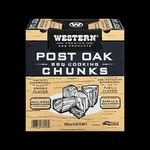 |
Western Premium Post Oak BBQ Cooking Chunks – $14 Kiln-dried and pre-seasoned post oak chunks, so you skip the 6-12 month drying wait and the creosote risk of green wood entirely.
|
White oak, red oak, and post oak are the three you’ll run into for cooking wood, and they sit at different points on the flavor scale. White oak is the mildest of the three — a medium, balanced smoke that pairs with almost anything and burns cleanly enough to hold a steady temperature. Red oak is the boldest, with a more aggressive, resinous smokiness that stands up to heavily seasoned or fatty cuts but can turn bitter if you use too much. Post oak sits in between and is the traditional Texas BBQ standard specifically because it’s moderate enough not to fight with beef’s own flavor while still delivering real depth over a long cook.
| Oak Type | Flavor Profile | Best Matched To |
|---|---|---|
| White Oak | Mild, balanced | Chicken, pork, beef ribs |
| Red Oak | Bold, resinous | Brisket, sausage, wings |
| Post Oak | Moderate, clean | Brisket, pork ribs, thighs |
Seasoning Matters More Than Species
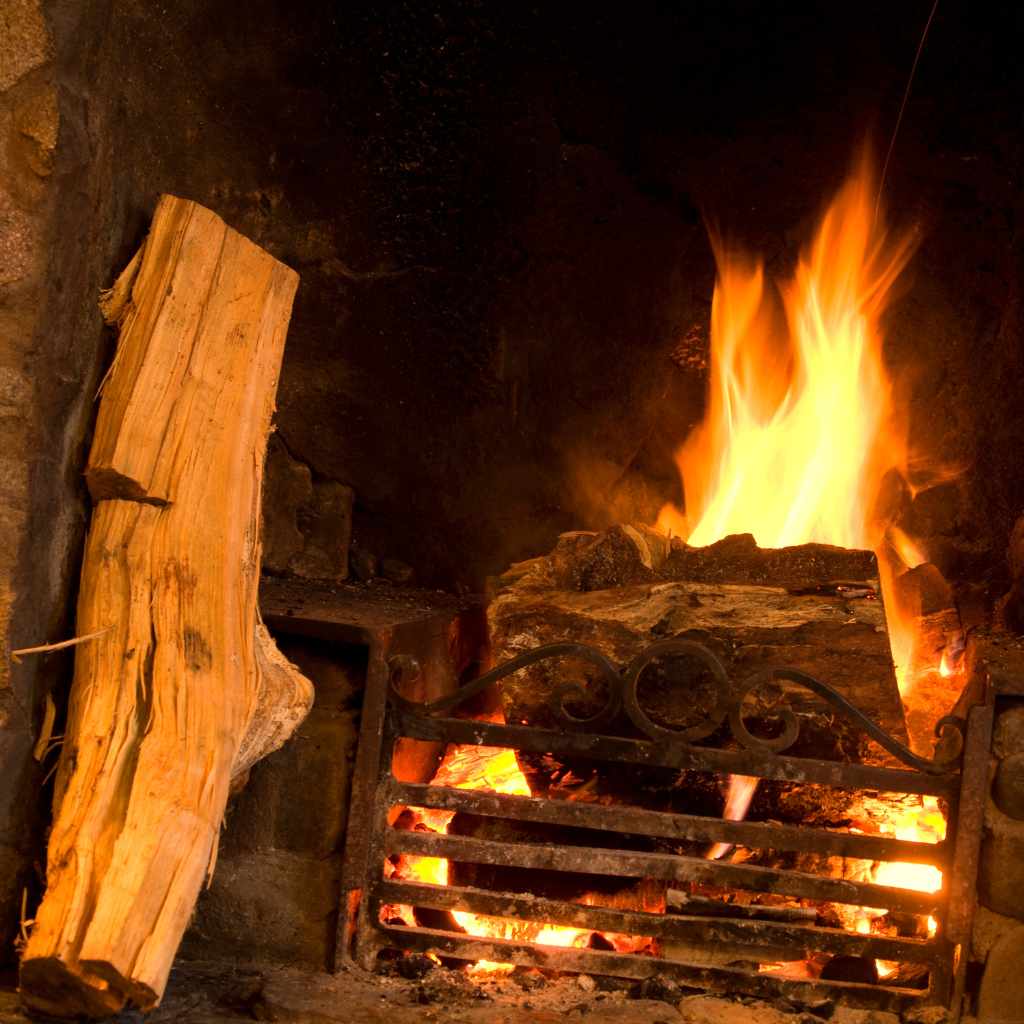
Green (freshly cut, unseasoned) oak burns dirty — more smoke, more creosote, and a bitter, acrid flavor that gets blamed on “oak” when it’s actually just wet wood. Properly seasoned oak for cooking has typically dried for 6-12 months (oak is dense and slow to dry compared to softer woods) and should read below about 20% moisture on a wood moisture meter, ideally closer to 15%. You can tell wood is getting close by tapping two pieces together — seasoned wood sounds hollow and cracked at the ends, unseasoned wood sounds dull and thudding. Store it off the ground under cover; wood that resoaks in rain or sits on damp soil undoes months of drying.
Chips vs. Chunks vs. Splits: Match the Wood to the Cook
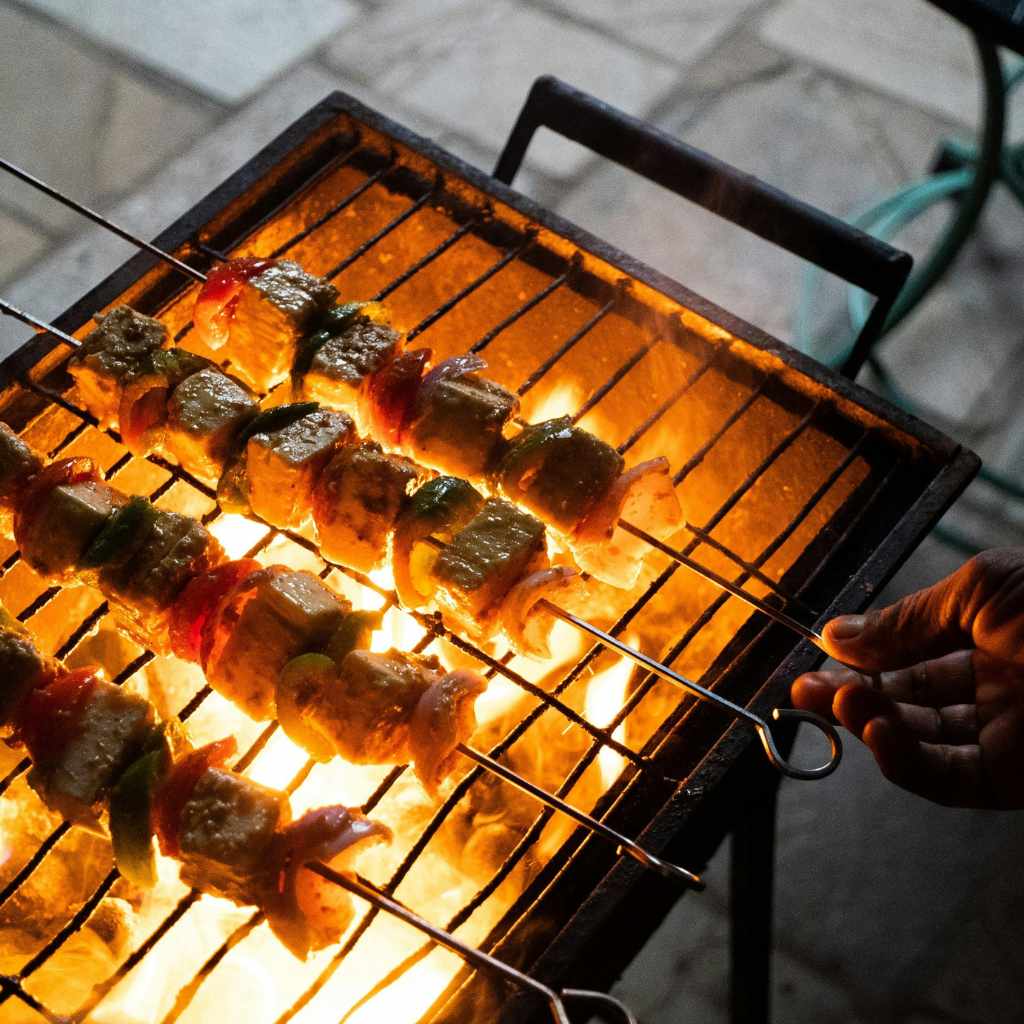
For quick direct-heat grilling — burgers, steaks, chicken breasts — a handful of soaked oak chips on the coals or in a gas grill’s smoker box gives light oak flavor in 15-20 minutes without managing a full wood fire. For low-and-slow indirect cooking (ribs, pork shoulder, brisket), oak chunks placed to one side of the coals burn longer and steadier than chips, which flash-burn and need constant replacing. True smoking — a dedicated smoker held at 225-275°F for hours — calls for larger, well-seasoned chunks or splits sized to burn for a long stretch without frequent reloading. Building your entire fire from oak logs is standard at traditional barbecue restaurants, but it takes real fire-management experience; most home cooks get steadier results starting with charcoal or gas and adding oak for flavor.
Oak You Should Never Burn
Skip any oak that’s been painted, chemically treated, or salvaged from construction debris, pallets, or old furniture — finishes, adhesives, and pressure-treatment chemicals release toxic compounds when burned, the same reasoning that rules out burning treated lumber or MDF in a fire pit. Poison oak isn’t actually oak at all (it’s in the sumac/cashew family, related to poison ivy), but if you’re gathering wood from your own property, be sure you’re correctly identifying true oak (Quercus species) before you burn or cook over it. When you’re not certain about a piece of found wood, bagged kiln-dried cooking wood is cheap insurance against a ruined cook.
Basic Grill Safety With Any Wood
- Set the grill or smoker on a stable, level, non-flammable surface, clear of overhangs, decks, and dry brush.
- Keep a fire extinguisher or bucket of water within reach, and never leave a lit grill unattended.
- Add wood gradually rather than dumping in a large amount at once, which causes flare-ups you then have to fight.
- Let ash cool completely (24 hours is the safe rule of thumb) before disposing of it in a metal container — smoldering ash is a common cause of trash-can and shed fires.
Still weighing whether oak is the right wood for your setup at all, beyond just BBQ? Our broader overview on cooking with oak wood covers the general food-safety case for oak and how it compares to woods you should actually avoid.
Frequently Asked Questions
Can you mix different oak wood types?
Yes. Mixing, say, post oak with a small amount of red oak for extra punch is common practice once you know how each behaves on its own. Learn the individual flavor profile of each type before blending them so you can predict the result.
How do I know if my oak wood is seasoned?
Seasoned oak sounds hollow when two pieces are tapped together, shows visible cracks (checking) on the cut ends, and feels noticeably lighter than freshly cut wood. A wood moisture meter reading under about 20% is the objective confirmation.
Is oak wood safe for all types of grills?
Yes, oak works in charcoal grills, gas grills with a smoker box, and dedicated smokers. Make sure whatever grill you’re using has enough airflow to keep the wood burning cleanly rather than smoldering.
Can you use oak wood chips instead of chunks?
Yes, chips work well for shorter cooks, especially on gas grills. Soak them in water for 20-30 minutes first so they smolder and produce smoke slowly instead of flaring up and burning out in a few minutes.
Sponsored / affiliate links. As an Amazon Associate I earn from qualifying purchases. I may earn additional commission from eligible campaigns.