Can You Use Oak to Smoke Meat? Yes — Here’s How It Compares
Yes — oak is one of the best all-around woods for smoking meat. It burns hot and steady, throws a medium-strength smoke that sits between mild fruit woods and heavy mesquite, and pairs with almost anything you put on the grate, from beef brisket to chicken thighs. The real decisions are which oak (red or white), which form (chunks, chips, or splits), and how it stacks up against the hickory or mesquite you might already have on hand.
Why Oak Is a Reliable Wood for Smoking Meat
Oak has been a pit staple for as long as people have been smoking meat outdoors, and the reasons are practical rather than sentimental. As a dense hardwood, it packs more energy per log than softer woods, so it burns for longer at a steadier temperature — which matters more than flavor on a six-hour brisket cook, where a fire that keeps swinging up and down will dry out the meat before the smoke even has a chance to do its job. Choosing the right smoking wood generally starts with matching a wood’s intensity to the cook length, and oak’s medium intensity gives it more margin for error than a stronger wood like mesquite.
- Balanced flavor: Oak smoke reads as savory and slightly sweet rather than sharp or bitter. It sits in the middle of the intensity scale — smokier than apple or cherry, gentler than mesquite — so it rarely masks the meat underneath it.
- Works with almost any meat: Texas brisket, pulled pork, whole chickens, even fish can all take oak smoke without being overwhelmed. It’s the wood most pitmasters reach for by default when they aren’t sure what else to use.
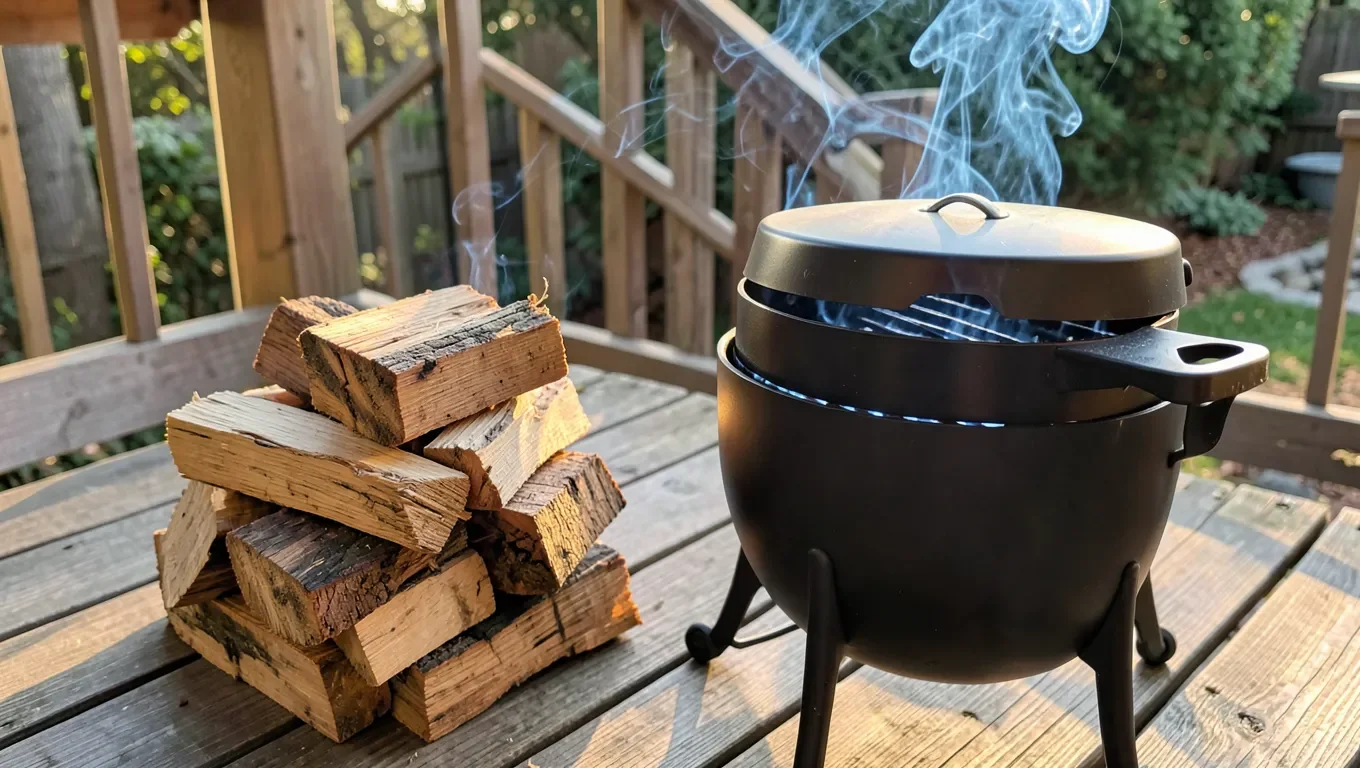
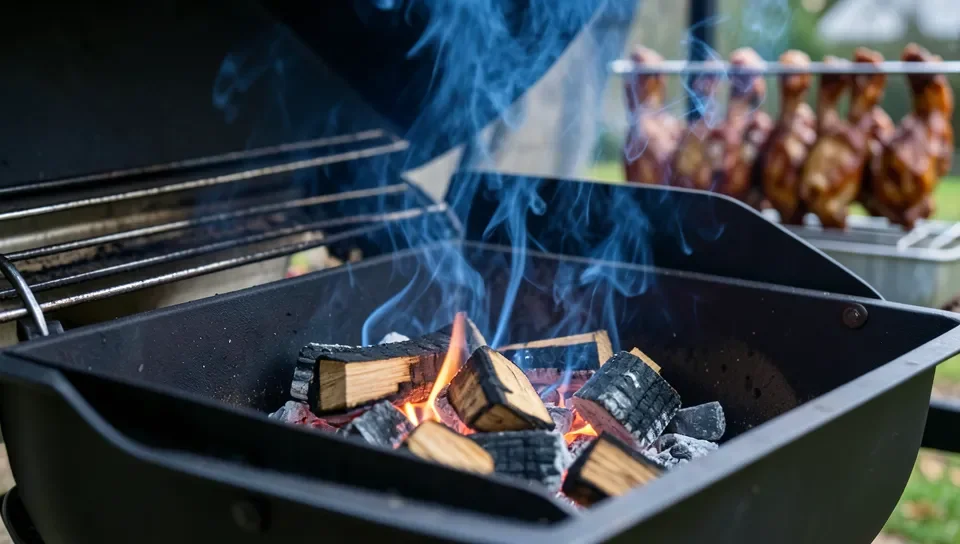
- Predictable, clean burn: Properly seasoned oak produces a thin, almost invisible blue-tinted smoke rather than the thick white smoke that makes food taste acrid. That predictability is what makes it forgiving for a first-time smoker.
Best Oak Chunks for a Long, Clean Burn
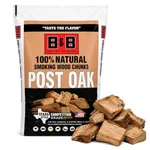 |
B&B Charcoal Post Oak Wood Smoking Chunks – $29.85 Pre-cut, all-natural post oak chunks that give the same balanced, medium-strength smoke this guide recommends, ready to toss straight onto hot coals.
|
Oak vs. Hickory, Mesquite, and Applewood: How the Smoke Really Compares
“Which wood should I use?” is really a question about intensity and how forgiving a wood is if you use a little too much. Here’s how oak stacks up against the other woods you’ll most often see next to it at the store, including maple, another mild option some pitmasters reach for.
| Wood | Smoke Intensity | Flavor Notes | Best Paired Meats |
|---|---|---|---|
| Oak | Medium | Rounded, savory, faintly sweet | Brisket, ribs, poultry, pork — almost anything |
| Hickory | Medium-strong | Bacon-like, pungent | Pork shoulder, ribs |
| Mesquite | Strong | Earthy and intense; turns bitter if oversmoked | Beef, especially fast-cooked cuts |
| Applewood | Mild | Sweet, fruity | Poultry, pork, fish |
| Cherry | Mild | Sweet, adds a reddish “mahogany” bark color | Poultry, pork, ribs (often blended with oak) |
Notice where oak sits: it’s the wood in the middle, which is exactly why so many barbecue joints use it as their base and blend in something stronger (hickory) or sweeter (cherry, apple) depending on what’s on the smoker. If you’re only going to keep one type of wood on hand, oak’s position in the middle of that chart is the practical reason it’s usually the right call. Mesquite, by contrast, has a much smaller margin for error — because it’s stronger and burns hotter and faster, it’s easy to oversmoke food with it in a way that’s harder to do with oak.
Red Oak vs. White Oak for Smoking
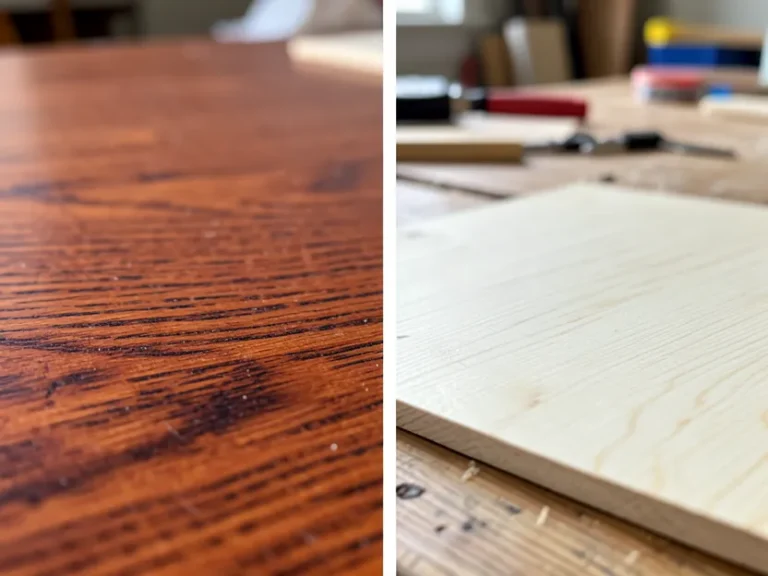
Not all oak burns the same. The two types you’ll actually find labeled for smoking are red oak and white oak — and while both work well, they land in slightly different places on the flavor spectrum.
Red oak is the more assertive of the two. It carries a heartier, more traditional smoke flavor that holds up well against rich cuts like beef and lamb. White oak (which includes post oak, the variety most Texas barbecue joints run) is milder, with a smoother profile and a faint hint of sweetness. It’s harder to oversmoke, which is why post oak in particular has become the default for brisket in central Texas.
| Feature | Red Oak | White Oak (incl. Post Oak) |
|---|---|---|
| Flavor Profile | Stronger, more robust, classic smoky taste | Milder, smoother, faint sweetness |
| Best Meats | Beef, lamb, game meats | Pork, poultry, fish, brisket — a solid all-purpose pick |
| Smoke Intensity | Medium-high | Medium |
| Beginner Friendly? | Good, but use slightly less to start | Excellent — the most forgiving of the two |
Wood Chunks vs. Chips vs. Logs: Picking the Right Form
Oak sold for smoking comes in three forms, and the right one depends on your equipment and cook length rather than personal preference:
- Chips: Small pieces that ignite and burn out quickly. Best for short cooks under an hour, or for tossing onto a gas or charcoal grill for a quick burst of smoke.
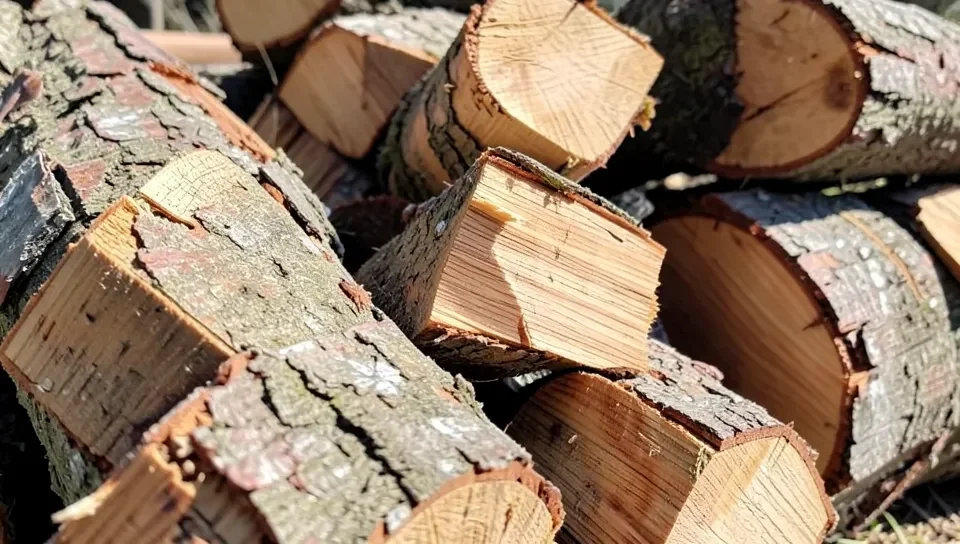
- Chunks: Fist-sized pieces and the most common choice for backyard smokers. They burn slowly and consistently, delivering smoke for several hours — ideal for a pork shoulder or brisket.
- Logs/splits: Used in offset “stick burner” smokers as the primary fuel source, providing both heat and smoke rather than being added to an existing charcoal fire.
One question comes up constantly: should you soak the wood first? For chunks going into a dedicated smoker, no — soaking wood before smoking mostly just delays combustion and creates steam instead of smoke, which can leave food tasting flat rather than smoky. A brief soak can make sense for chips on a gas grill, where the goal is slowing down how fast they burn through, but dry chunks are the standard for anything going low-and-slow.
How to Smoke Meat With Oak, Step by Step
With seasoned oak chunks and a smoker or charcoal grill set up for indirect heat, the process itself is straightforward:
- Build a fire for indirect heat. Arrange charcoal on one side of the grill or smoker so the meat never sits directly over the flame. Let it burn until the coals are covered in light gray ash and the chamber has stabilized between 225°F and 275°F (107°C–135°C).
- Add 2–3 oak chunks directly onto the hot coals. Resist the urge to add more — too much wood smothers the fire and produces thick, bitter white smoke instead of the thin, almost-invisible blue smoke you’re after.
- Place the meat on the indirect side and close the lid. Use a leave-in probe thermometer in the thickest part of the meat, away from bone, so you aren’t opening the lid to check.
- Cook to temperature, not to time. The USDA provides a Safe Minimum Internal Temperature Chart is the reference to work from — poultry needs to reach 165°F, while a pork shoulder destined for pulled pork typically needs to climb closer to 203°F before it’s tender enough to shred.
Sourcing and Seasoning Oak Safely
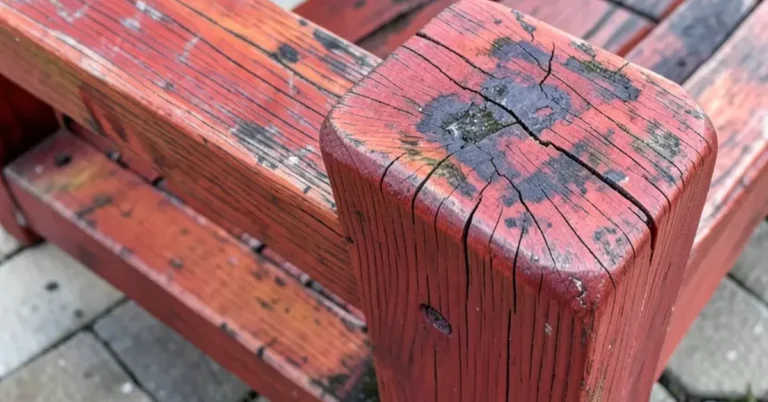
The wood itself matters as much as the technique. Never burn wood that’s been painted, stained, pressure-treated, or is part of a manufactured product like plywood or MDF — the chemicals and glues in it release toxic fumes when burned, which is a food-safety issue, not just a flavor one. The same goes for old furniture, deck boards, or construction scraps.
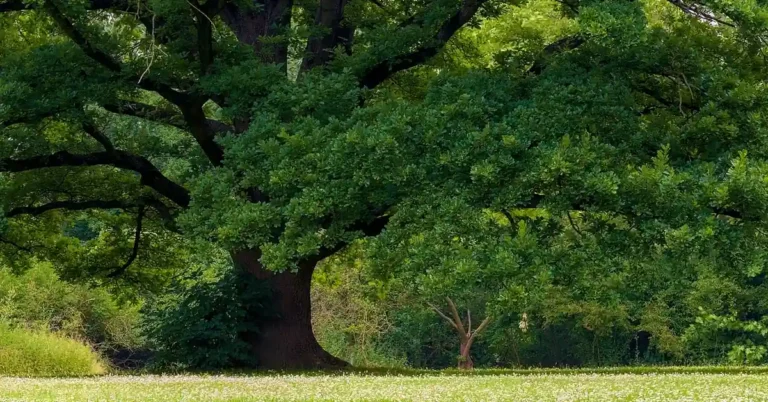
Buying oak chunks packaged specifically for smoking is the simplest way to guarantee the wood is clean and properly dried. If you’re working from a felled oak tree in your own yard instead, confirm it’s genuinely oak and hasn’t been treated with pesticides, then season it before use — green wood is loaded with moisture and sap, and burning it produces thick, acrid smoke that will make food taste bitter. Seasoning typically takes six months to a year: split the logs, stack them off the ground somewhere air can circulate, cover just the top against rain, and check dryness by knocking two pieces together — a sharp “clack” means it’s ready, a dull “thud” means it needs more time.
Common Mistakes When Smoking With Oak
- Using green (unseasoned) wood. The single most common mistake — it produces sooty, bitter smoke no matter how good the technique is otherwise.
- Adding too much wood at once. More chunks doesn’t mean more flavor; it means an overpowering, acrid taste. Start with 2–3 chunks for a multi-hour cook and add more only if needed.
- Ignoring smoke color. Thick, billowing white smoke means the fire needs more airflow — open the vents rather than adding more wood.
- Opening the lid too often. Every peek lets out heat and smoke, extending the cook and making temperature harder to hold steady.
If you’re looking to use oak for cooking methods beyond the smoker — direct grilling, plank-style cooking, or other techniques — see our separate guide on cooking with oak wood, which covers those uses in more depth.
Frequently Asked Questions About Smoking With Oak
Can I use oak wood from my backyard?
Yes, but only if you’re certain it’s oak and it’s never been treated with chemicals or pesticides. It also needs to be fully seasoned (dried) for 6–12 months before use so it burns cleanly instead of producing bitter smoke.
How does oak compare to hickory and mesquite for smoking?
Oak sits in the middle: milder and more forgiving than mesquite, slightly lighter than hickory, and rarely overpowering. Mesquite burns hot and fast with a strong, earthy flavor that’s easy to overdo; hickory is close to oak but leans more pungent and bacon-like.
What’s the difference between smoking with oak chips and chunks?
Chips are small and burn quickly, making them best for short cooks — like a gas grill session — where you want a quick burst of smoke. Chunks are larger, fist-sized pieces that burn slowly and steadily, which is why they’re the standard choice for long smoking sessions.
Is red oak or white oak better for beginners?
White oak, especially post oak, is generally the more beginner-friendly option. Its flavor is milder and smoother, which makes it harder to over-smoke food and more forgiving of small technique mistakes.
How much oak wood should I use?
Start with 2 to 3 chunks placed on hot coals for a typical long smoke. That’s usually enough to produce several hours of smoke. You want a thin, steady stream of smoke, not a heavy cloud.
Should I soak oak wood before smoking?
No, not for chunks in a dedicated smoker — soaked wood produces steam rather than clean smoke, which can dull the flavor. A brief soak is sometimes used for chips on a gas grill to slow how fast they burn, but it isn’t necessary for chunks used low-and-slow.
What does “thin blue smoke” mean?
It’s the sign of a clean-burning fire — a light, almost-invisible blue-tinted haze rather than thick white smoke. Thin blue smoke produces the best flavor; thick white smoke usually means the fire is short on oxygen and will make food taste bitter.
Oak’s biggest advantage is how little can go wrong with it. Get seasoned wood, keep the fire fed with just a few chunks at a time, and chase that thin blue smoke — the rest is mostly a matter of picking red or white oak based on what you’re cooking.
Sponsored / affiliate links. As an Amazon Associate I earn from qualifying purchases. I may earn additional commission from eligible campaigns.