Do Termites Move Fast? Discover Their Speed Secrets!
Imagine you’re sitting comfortably in your living room, sipping your coffee, when suddenly the thought of termites crosses your mind. You wonder, “Do termites move fast?”
It’s a question that might not seem urgent at first, but the answer could save your home from potential disaster. These tiny pests, often hidden from sight, can cause extensive damage before you even realize they’re there. What if knowing how quickly they move could help you detect and prevent an infestation before it’s too late?
We’ll delve into the surprising speed of termites, uncovering insights that will empower you to protect your home effectively. Stay with us as we reveal what these stealthy invaders are capable of and how you can stay one step ahead.
Credit: www.trianglepest.com
Termite Basics
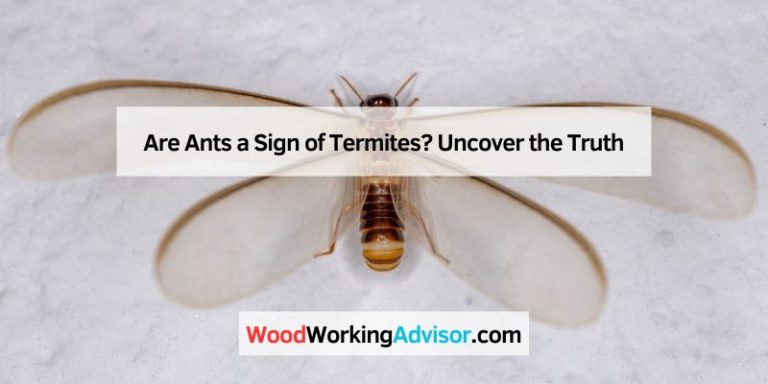
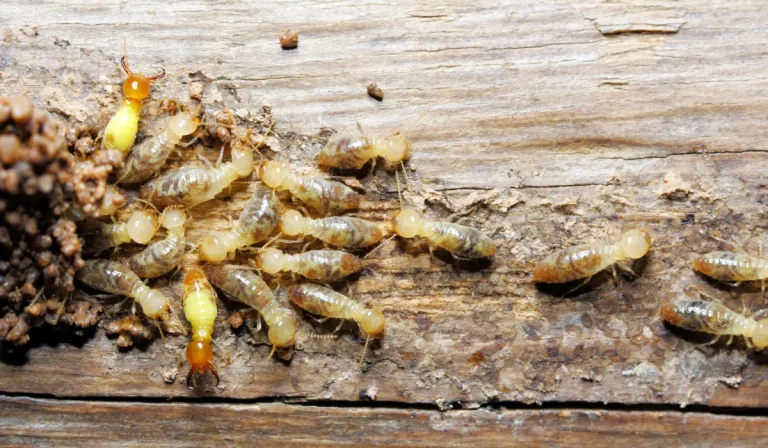
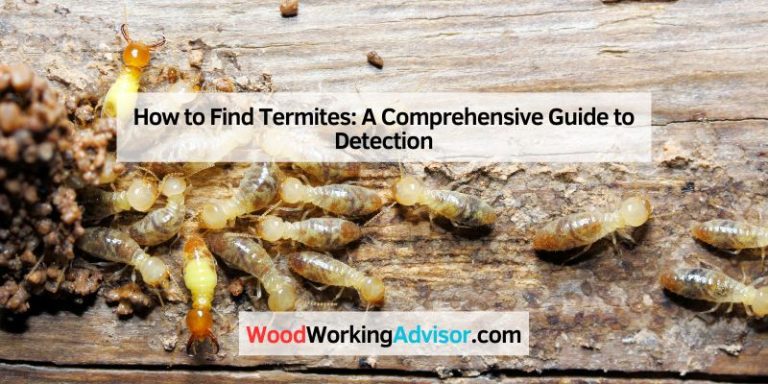
Termites are small insects. They look like ants. People often call them “white ants.” Termites eat wood. They can destroy houses. They live in big groups. They make nests in the ground or in trees. Termites have strong jaws. They chew wood all day. Their bodies are soft and pale. A termite colony has kings, queens, workers, and soldiers. Each one has a job. Workers bring food. Soldiers protect the colony.
Termites start as eggs. Eggs hatch into nymphs. Nymphs grow into adults. Some become workers. Others become soldiers. A few become kings and queens. Queens lay many eggs. Kings help queens. Queens can live many years. Workers and soldiers live less time. Colonies grow big. They spread fast. New colonies form when queens and kings fly away. This happens in warm months. Termites are busy all year.

Credit: stampedepestcontrol.com
Termite Movement Characteristics
Termites move in a slow, steady manner. They walk on the ground. Their legs are tiny and strong. Termites use their legs to push forward. They follow trails made by other termites. Termites rarely move alone. They often move in groups. This helps them stay safe. Termites can also climb walls. They use their legs to hold on. Termites do not jump or fly. Their movement is simple and direct.
Several things affect termite speed. Temperature is important. Warm days make them move faster. Cold days slow them down. Moisture is another factor. Wet ground is easy to move through. Dry ground makes it hard. Food availability affects movement too. More food means more movement. Less food means they stay put. Safety impacts speed as well. If there is danger, termites move fast to hide.
Comparing Termite Speed
Termites are slow-moving insects. They crawl rather than fly. Ants can move faster. They scurry quickly. Bees fly at high speeds. Termites are not as quick. They have short legs. This limits their speed. Their movement is steady. But it’s not fast.
Termites move differently in various places. In wood, they crawl slowly. It’s their home. Grass slows them down. They can get tangled. In soil, they dig tunnels. This takes time. Wet areas can be tricky. They slip and slide. Their speed changes. Based on where they are.
Why Speed Matters
Termites can be a big problem. They move quickly through wood. This makes infestations grow fast. Termites can eat wood day and night. They do not sleep. This means they can cause damage in a short time. A small group can become a large colony. Fast-moving termites can destroy structures. This includes homes and buildings.
Termites help break down dead plants. This is important for nature. They make the soil richer. This helps plants grow better. Termites are food for many animals. Birds and other creatures eat them. So, they have a role in the food chain. Even though they help the environment, they can harm buildings.
Tracking Termite Movements
Scientists use special methods to watch termites. They use traps to catch and study them. Sticky traps hold termites in place. This helps study their movement. Another way is by using soil samples. Scientists check soil for termite tracks. These tracks show how they move.
Modern tools help track termites better. Cameras are useful. They record termite actions in real time. Sensors detect vibrations. Vibrations show termite activity. GPS technology tracks termite movement. GPS shows where termites go. This helps learn their movement patterns.

Credit: www.chemfreeexterminating.com
Preventing Fast Infestations
Termites don’t move quickly, but they can cause damage fast. Prevent infestations by addressing moisture issues. Regular inspections help spot early signs and protect your home efficiently.
Signs Of Rapid Infestations
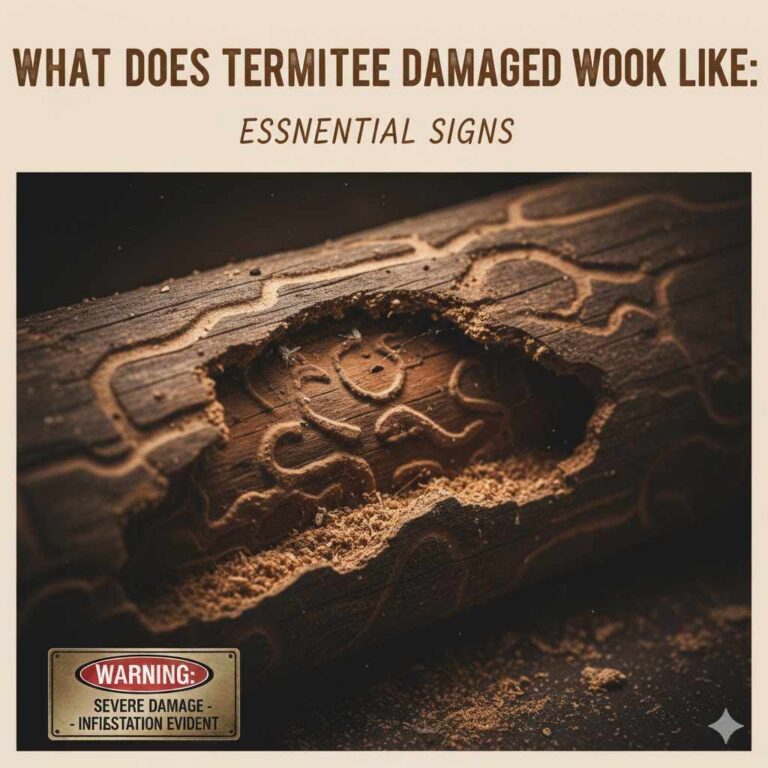
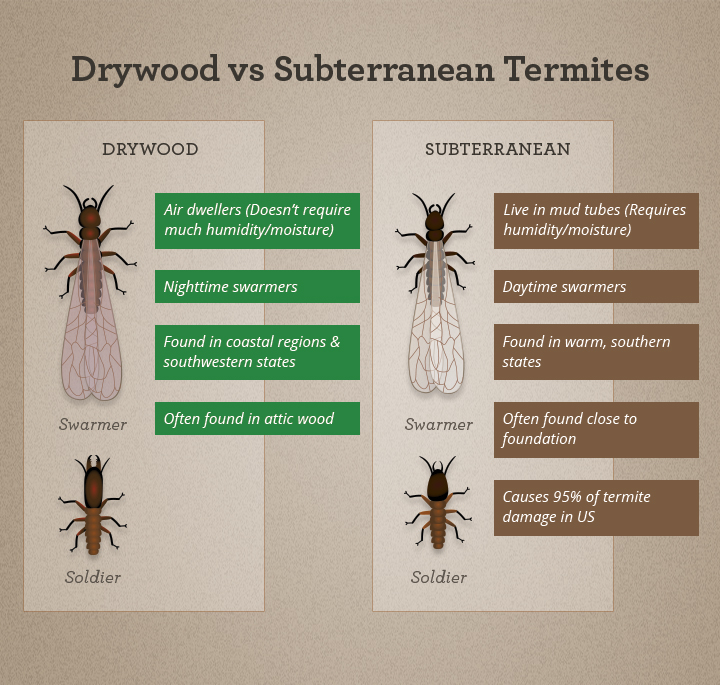
Termites can damage homes quickly. Look for mud tubes on walls. Check for hollow wood. Listen for quiet clicking sounds. Termites make this noise when eating. Spot winged termites near windows. These are swarmers. They mean a colony is nearby. Look for droppings that look like sawdust. These show that termites are busy. Paint bubbles can mean termites are under wood. Stuck doors or windows are signs too. Fast action is needed when these signs appear.
Effective Control Strategies
Use bait stations around your home. These traps lure termites. Liquid barriers can stop termites from entering. Apply these to the soil. Regular inspections help catch infestations early. Call a professional for large termite problems. They have the right tools. Fix leaks to reduce moisture. Termites love wet places. Keep wood away from soil contact. Dry wood is less appealing to termites. Seal cracks in walls and foundation. This keeps termites out. Follow these steps to protect your home.
Frequently Asked Questions
Do Termites Walk Fast?
Termites move slowly, typically at a speed of around 0. 2 miles per hour. Despite their slow pace, they can cause significant damage to structures over time. These pests are efficient workers, often moving in large colonies, which helps them spread and infest areas effectively.
What Bug Can Be Mistaken For Termites?
Ants, especially carpenter ants, can be mistaken for termites. Both swarm during mating seasons and have winged forms. Their similar appearance often leads to confusion. Distinguishing features include ant’s bent antennae and narrow waists, unlike termites’ straight antennae and uniform bodies.
Proper identification is crucial for effective pest control.
How Quick Are Termites?
Termites move relatively slow, typically traveling at about 1 mile per hour. Despite their speed, they can cause significant damage quickly due to their ability to work collectively and continuously. Early detection and intervention are crucial to prevent severe structural harm to buildings and wooden structures.
What Causes Termites To Suddenly Appear?
Termites appear due to moisture, wood contact with soil, and warm temperatures. They are attracted to cellulose materials. Poor drainage and leaks can create ideal conditions for termite infestations. Regular inspections and maintenance can help prevent termite invasions in homes and buildings.
Keep areas dry and repair water damage promptly.
Conclusion
Termites, though small, can move quickly under the right conditions. Their speed varies based on species and environment. Understanding their behavior helps in effective pest control. Quick detection is key to managing infestations. Homeowners should stay alert for signs of termites.
Early action can prevent severe damage to structures. Professional pest control may be necessary in severe cases. Regular inspections can save time and money. Protect your property by staying informed. Knowledge is your best defense against these pests. Keep learning about termite habits and control methods.
Stay proactive to maintain a safe home.