Does Lacquer Protect Wood from Water? Ultimate Guide
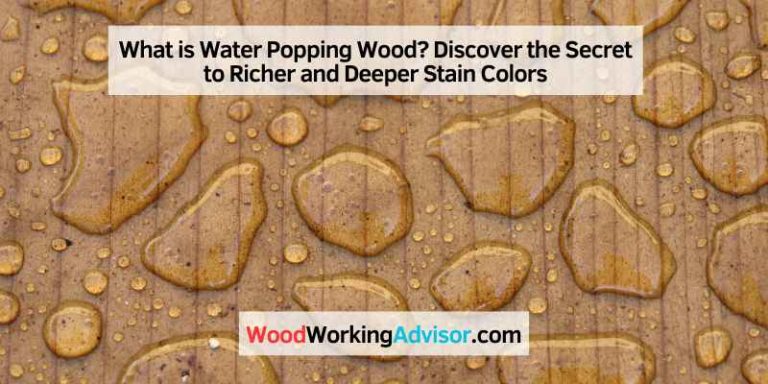
Wood is a beautiful material. It is strong, warm, and versatile. Many people use wood in their homes. However, wood is sensitive to water. Water can damage wood. It can cause warping, swelling, or even mold. This is where lacquer comes in. But does lacquer really protect wood from water? Let’s dive deeper into this topic.
What is Lacquer?
Lacquer is a type of finish. It is often used on wood surfaces. Lacquer is made from a resin. This resin is dissolved in a solvent. When the lacquer dries, it forms a hard, protective layer. This layer can give wood a shiny look. It also helps to protect wood from damage.
How Does Lacquer Work?
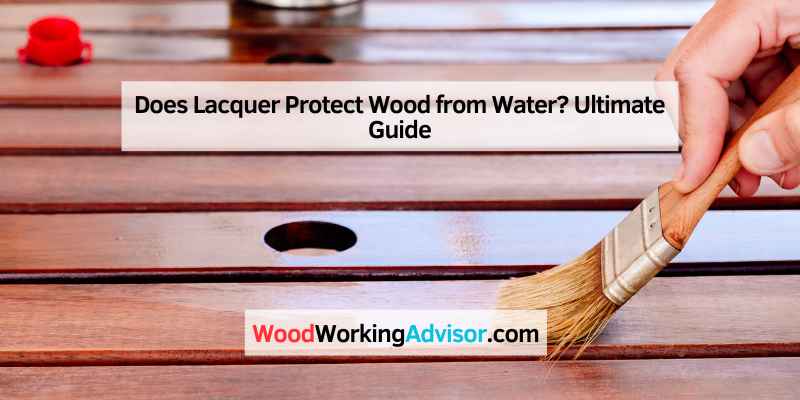
When you apply lacquer, it creates a barrier. This barrier is what helps to protect the wood. Here’s how it works:
- Application: Lacquer is sprayed or brushed onto the wood.
- Drying: As it dries, it forms a solid coat.
- Protection: The solid coat acts as a shield against moisture.
Benefits of Using Lacquer on Wood
Lacquer offers many advantages. Here are some key benefits:
- Durability: Lacquer is tough and long-lasting.
- Quick Drying: It dries faster than many other finishes.
- Finish Quality: It gives a smooth, glossy look.
- Easy to Repair: Scratches can be easily fixed.
Does Lacquer Really Protect Against Water?
The answer is yes! Lacquer does help protect wood from water. However, there are some important points to consider:
1. Type Of Lacquer
Not all lacquers are the same. Some are more water-resistant than others. For example, polyurethane lacquer offers better water protection than nitrocellulose lacquer. When choosing lacquer, consider the intended use.
2. Number Of Coats
The more coats you apply, the better the protection. A single coat may not provide enough barrier. Aim for at least three coats for maximum protection.
3. Proper Application
How you apply the lacquer matters too. Make sure to apply it evenly. Avoid drips or uneven spots. Follow the manufacturer’s instructions for best results.
Limitations of Lacquer
While lacquer offers good water protection, it has limitations:
- Not Waterproof: Lacquer is water-resistant, not waterproof.
- Heat Sensitivity: High heat can damage lacquer finishes.
- Scratches: Although easy to repair, scratches can still occur.
How to Maintain Lacquered Wood
To keep lacquered wood looking great, follow these tips:
- Regular Cleaning: Wipe the surface with a soft cloth.
- Avoid Harsh Chemicals: Use mild soap and water for cleaning.
- Reapply Lacquer: Consider reapplying lacquer every few years.
Frequently Asked Questions
Does Lacquer Make Wood Waterproof?
Lacquer provides a protective layer but isn’t completely waterproof. It resists moisture to some extent.
How Does Lacquer Protect Wood?
Lacquer forms a hard, glossy finish that shields wood from moisture, dirt, and wear.
Can Lacquer Be Used Outdoors?
Lacquer is not ideal for outdoor use. It can break down under direct sunlight and harsh weather.
Is Lacquer Better Than Polyurethane?
Lacquer dries faster and offers a smoother finish, while polyurethane provides better long-term protection against moisture.
Conclusion
In summary, lacquer does protect wood from water. It creates a barrier that helps keep moisture out. However, it is not completely waterproof. To ensure the best protection, choose the right type of lacquer. Apply multiple coats and maintain the finish regularly. By doing so, you can enjoy your beautiful wood surfaces for many years!
Frequently Asked Questions (FAQs)
Here are some common questions about lacquer and water protection:
1. Can I Use Lacquer Outdoors?
Yes, but be cautious. Outdoor elements can wear down lacquer faster.
2. Is Lacquer Safe For Food Surfaces?
Some lacquers are food-safe. Always check the label before use.
3. How Long Does Lacquer Last?
With proper care, lacquer can last many years.
4. Can I Paint Over Lacquer?
Yes, but you should sand the surface first.
5. What Is The Best Way To Remove Lacquer?
You can use a lacquer thinner for removal. Always follow safety precautions.
Final Thoughts
Wood is an amazing material. Protecting it is essential for longevity. Lacquer is a great option for water protection. With the right knowledge and care, your wood can stay beautiful. Enjoy your wood projects and keep them safe!