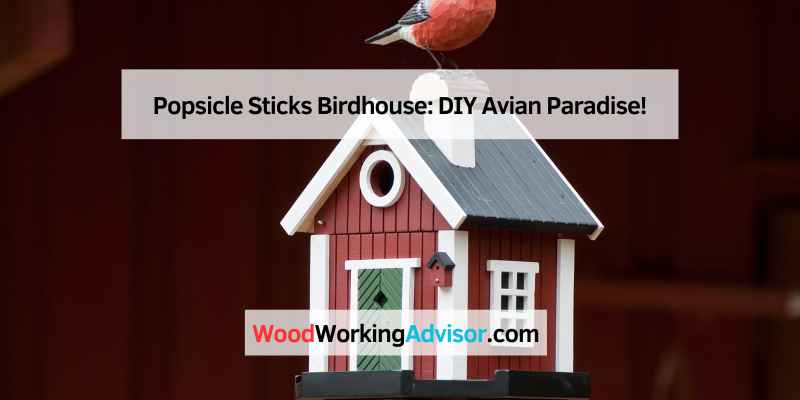
Popsicle Stick Birdhouse: Right Hole Size for Real Birds
A popsicle stick birdhouse works for real birds only if the entrance hole matches the species — 1⅛” for chickadees, up to 1½” for wrens and bluebirds — and it stays dry. Get the hole size wrong and you’ll either exclude your target bird or invite starlings to take over; skip drainage holes and ventilation gaps, and glue-built walls won’t survive a season outdoors. This guide covers correct entrance sizing by species, the build steps, and an honest look at how well popsicle-stick construction actually holds up outside.
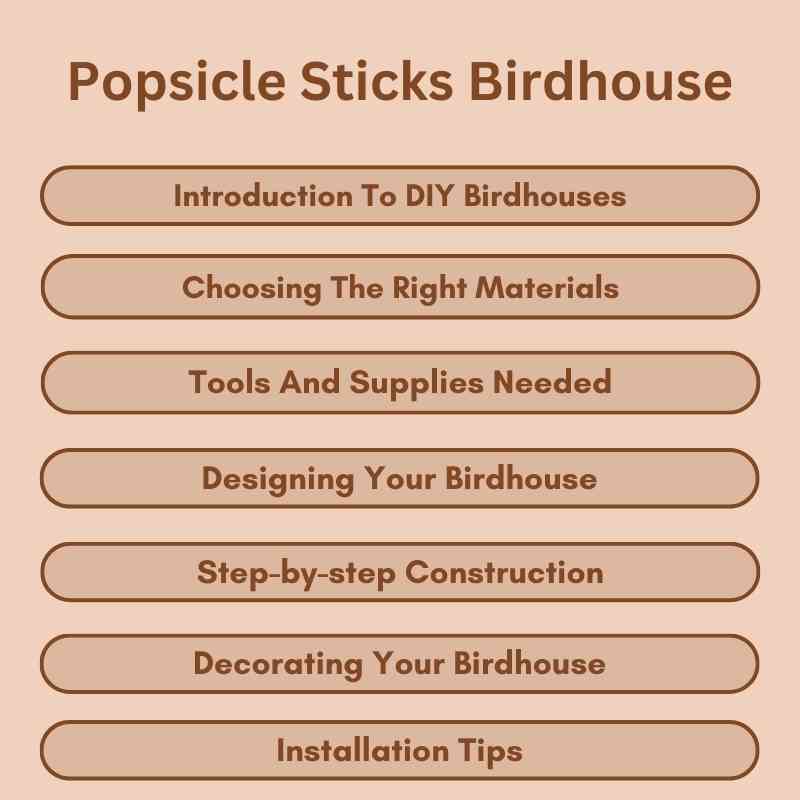
Introduction To DIY Birdhouses
Best Craft Supplies Pick
Perfect Stix Jumbo Craft Sticks, 500-Count
Bulk untreated birch craft sticks — enough for multiple birdhouses plus mistakes.
- Best for: building more than one birdhouse without running short mid-project
- Why we picked it: plain untreated birch, no dye that could leach onto a bird’s nesting cavity
- Main drawback: jumbo size means extra cutting/trimming for smaller detail pieces
 Option 1 Gorilla Ultimate Waterproof Wood Glue
|
 Option 2 Nicpro 24-Color Non-Toxic Acrylic Paint Set
|
 Option 3 Olympic WaterGuard Clear Exterior Wood Sealer
|
As an Amazon Associate we earn from qualifying purchases.
Building a birdhouse offers many benefits for both birds and humans. It provides a safe home for birds, helping them thrive. Birds need shelter to protect themselves from harsh weather and predators.
Creating a birdhouse can be a fun activity for families. It allows children to learn about nature and bird species. Watching birds visit your birdhouse brings joy and excitement.
DIY birdhouses encourage creativity. Using popsicle sticks makes the project simple and affordable. This project helps develop fine motor skills and boosts confidence in young builders. Popsicle sticks are typically birch wood, an untreated material that’s genuinely safe for birds — better ventilation than plastic or metal, according to birding resources.
Entrance Hole Size By Bird Species
This is the single most important measurement in the whole build. A quarter-inch difference in hole diameter is often what decides whether your target bird moves in or a more aggressive species like a house sparrow takes over instead.
| Bird | Entrance Hole Diameter |
|---|---|
| Black-capped / Carolina Chickadee | 1⅛” |
| House Wren | 1¼” |
| Carolina Wren | 1½” |
| Eastern Bluebird | 1½” |
Cut the hole with a craft knife or a small drill bit sized to match, and sand the inside edge smooth — a rough entrance can injure birds squeezing through.
Choosing The Right Materials
Choosing the right materials is key for a successful birdhouse. Popsicle sticks are a great option. They are easy to find and fun to use. Here are some common types:
| Type | Features |
|---|---|
| Wooden Sticks | Strong and durable, perfect for structure. |
| Colored Sticks | Adds fun and color, but may not be as sturdy. |
| Natural Sticks | Eco-friendly option, blends well with nature. |
Safety is also important. Ensure no sharp edges are present — sand rough-cut stick ends before assembly. Using non-toxic glue helps keep birds safe. Sustainability matters too. Choose materials that are friendly to the environment.
Tools And Supplies Needed
Creating a Popsicle Sticks Birdhouse requires a few essential tools. Gather the following:
- Scissors: For cutting sticks to the desired length.
- Glue: Strong craft glue or a hot glue gun works best.
- Paintbrush: For applying paint or glue evenly.
- Ruler: To measure and ensure even cuts.
- Pencil: For marking measurements on the sticks.
Decorations make your birdhouse unique. Consider these items:
- Paint: Bright colors attract birds and add fun.
- Stickers: Easy to apply and come in many designs.
- Glitter: Adds sparkle to your birdhouse.
- Fabric scraps: For creative textures and patterns.
Designing Your Birdhouse
Creating a birdhouse with popsicle sticks is fun and rewarding. Focus on strong structures first. Use a solid base to support the birdhouse. Ensure the walls are sturdy and well-connected. A roof should be secure to protect birds from rain.
Aesthetic touches make your birdhouse special. Choose bright colors to attract attention. Adding patterns can enhance its charm. Consider using natural finishes for a rustic look. Small decorations like flowers or painted designs can make it unique. Always remember to keep the entrance hole safe and sized for your birds.
A few design directions to try: a peaked A-frame roof sheds rain better than a flat one; layering sticks in a log-cabin pattern (alternating direction each row) is sturdier than sticks glued only vertically; and a small overhanging roof lip keeps rain off the entrance hole.
Step-by-step Construction
Start by cutting popsicle sticks to create a sturdy base. Arrange them in a square or rectangle. Use glue to secure each stick together firmly. Drill or poke 2-3 small drainage holes in the base now, before adding walls — they’re much harder to add later. Ensure the base is flat and even for better support.
For the walls, cut sticks to your desired height. Attach them vertically around the base. Secure each stick with glue. Leave a small ventilation gap near the roofline on at least one wall to prevent heat and moisture buildup inside. Make sure there are no gaps at floor level for drafts or predators. For the roof, use two larger sticks, resting on top with a slight overhang past the entrance hole.
Add perches by attaching short sticks on the sides — optional, since perches near the entrance can actually make it easier for predators to reach inside. Create the entrance using the hole-size table above, matched to your target bird. Ensure everything is securely glued for safety, and use a sheet of wax paper under your work so the birdhouse doesn’t glue itself to your table.
Decorating Your Birdhouse
Choosing non-toxic paints is important for your birdhouse. Look for water-based or organic paints. These types are safe for birds. They also protect the environment. Never paint inside the house or around the entrance hole rim — birds grip that surface, and paint there can affect their grip or be ingested during preening.
Try using natural decor items like twigs, leaves, or flowers. These materials blend well with nature. You can create a beautiful design using these elements. Avoid plastic decorations, as they can harm wildlife.
Consider adding natural textures. Use bark, moss, or cotton for a cozy feel. Keep the birdhouse inviting for your feathered friends.
Installation Tips
Choosing the right spot for your Popsicle sticks birdhouse is crucial. Look for a quiet area away from loud noises. The birdhouse should be near trees or shrubs for shelter and safety. Ensure it gets some sunlight but not too much heat.
For mounting, use sturdy materials. Secure the birdhouse to a tree trunk or a post. Make sure it is at least 5 to 10 feet off the ground. Use screws or nails, not glue or tape, to keep it stable — glue mounts weaken and fail over time outdoors.
Check the birdhouse regularly. Clean it to keep it safe for new birds. Enjoy watching the birds make it their home!
Want to feed birds instead of house them? A popsicle stick bird feeder uses the same materials and skills, just built as an open tray instead of an enclosed box.
Maintenance And Upkeep
Cleaning your birdhouse is very important for the health of the birds. Use a gentle brush to remove dirt and debris. Be careful not to damage the wood. Rinse with warm water and let it dry completely.
Seasonal considerations play a big role in birdhouse care. In spring, check for any damage from winter storms. Summer might bring more insects, so inspect regularly. Fall is a good time to clean out old nests.
During winter, ensure the house is secure. Birds need safe shelter from the cold. Keep an eye out for any leaks or cracks.
Engaging The Community
Creating a Popsicle stick birdhouse offers great educational opportunities. Kids can learn about building and designing. They can explore different bird species and their habitats. This activity encourages teamwork and creativity among participants.
Sharing this project on social media can inspire others. Use platforms like Instagram, Facebook, and Twitter. Show pictures of the finished birdhouses. Encourage the community to join in and share their creations. This builds a sense of community and engagement.
Frequently Asked Questions
How Do I Make A Popsicle Stick Birdhouse?
To make a popsicle stick birdhouse, start by gathering materials like popsicle sticks, glue, and scissors. Create a base with sticks, then construct walls and a roof. Ensure there’s a small entrance hole sized to your target bird species. Allow the glue to dry completely before painting or decorating your birdhouse for added charm.
What Type Of Birds Can Live In A Popsicle Stick House?
Popsicle stick birdhouses are suitable for small birds like chickadees, wrens, and finches. These birds prefer cozy spaces to nest. Match the entrance hole to your target species — 1⅛” for chickadees, 1¼”-1½” for wrens, 1½” for bluebirds. Proper ventilation and drainage will also enhance the habitat for your feathered friends.
Can Kids Help With Building A Birdhouse?
Absolutely! Building a popsicle stick birdhouse is a fantastic project for kids. It encourages creativity, teamwork, and fine motor skills. Ensure adult supervision when using scissors or glue. Kids can also personalize the birdhouse with paint and decorations, making it a fun learning experience.
What Materials Do I Need For A Popsicle Stick Birdhouse?
You will need popsicle sticks, glue, scissors, and a craft knife. Additional materials include paint, brushes, and decorations. You might also want a small drill for the entrance hole. All these materials are easy to find and affordable, making this a great DIY project.
Will Real Birds Actually Use a Popsicle Stick Birdhouse?
Yes, if it’s built with the right entrance hole size, drainage holes, and ventilation gaps — popsicle sticks are typically untreated birch, which is bird-safe. That said, glue-built stick construction is less weather-durable than a solid-wood birdhouse; expect to reseal or rebuild it more often outdoors, or treat it as a shorter-lifespan seasonal project rather than a decades-long structure. If you want a version that lasts for years instead of one season, our free birdhouse plans by species guide has real cedar cut lists, entrance hole sizing for each bird, and the outdoor finish that holds up.
What Size Should the Entrance Hole Be for Different Birds?
1⅛ inch for chickadees, 1¼ inch for house wrens, and 1½ inch for Carolina wrens and Eastern bluebirds. Getting this within a quarter inch matters — too large an opening lets in larger, more aggressive species like house sparrows or starlings that can push out your target bird.
Conclusion
Creating a popsicle sticks birdhouse is a fun and rewarding project. Match the entrance hole to your target bird species, add drainage and ventilation, and use a waterproof glue and sealant if it’s going to live outdoors long-term. Gather your materials, follow the steps, and enjoy the process.
Your feathered friends will thank you for it!
Sponsored / affiliate links. As an Amazon Associate I earn from qualifying purchases. I may earn additional commission from eligible campaigns.