Does Spar Urethane Yellow? Why It Ambers Even Indoors (Not Just UV)
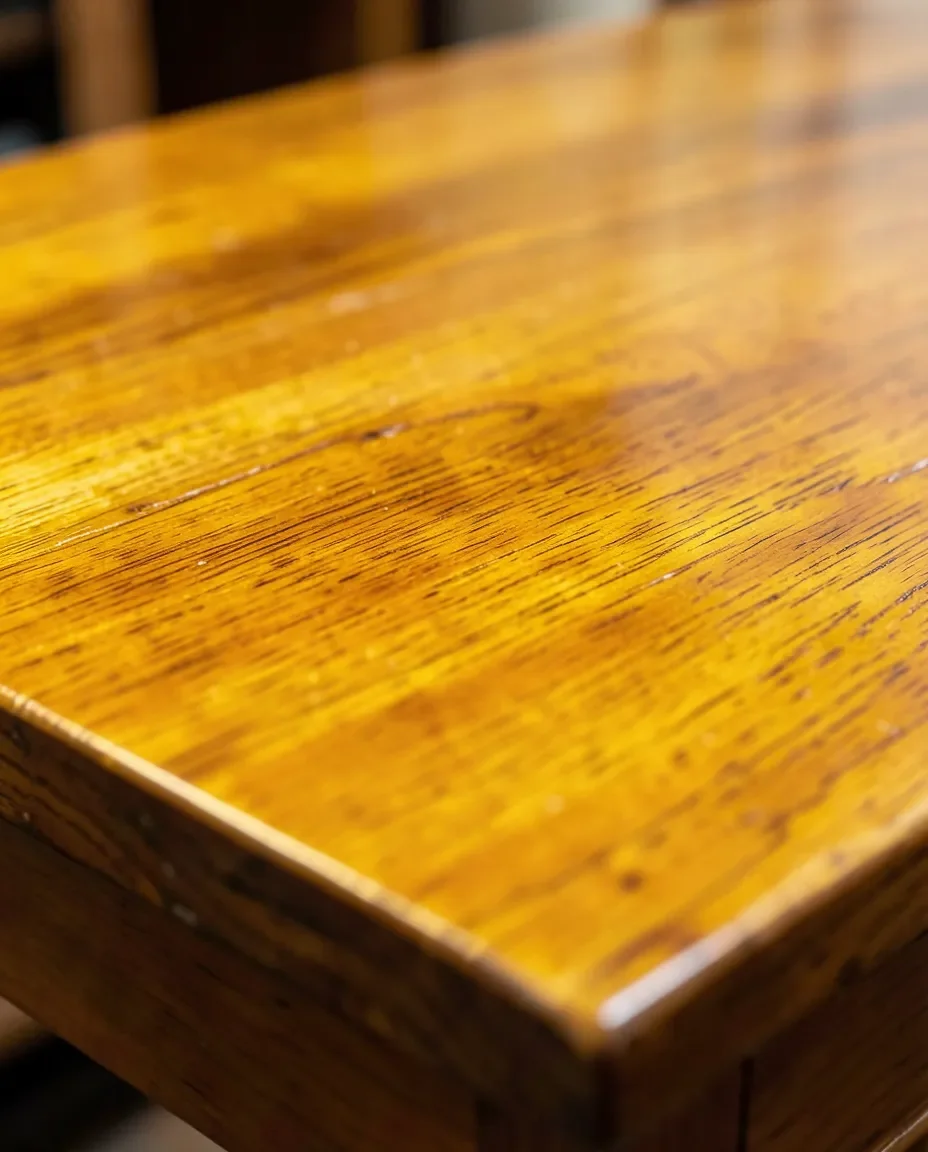
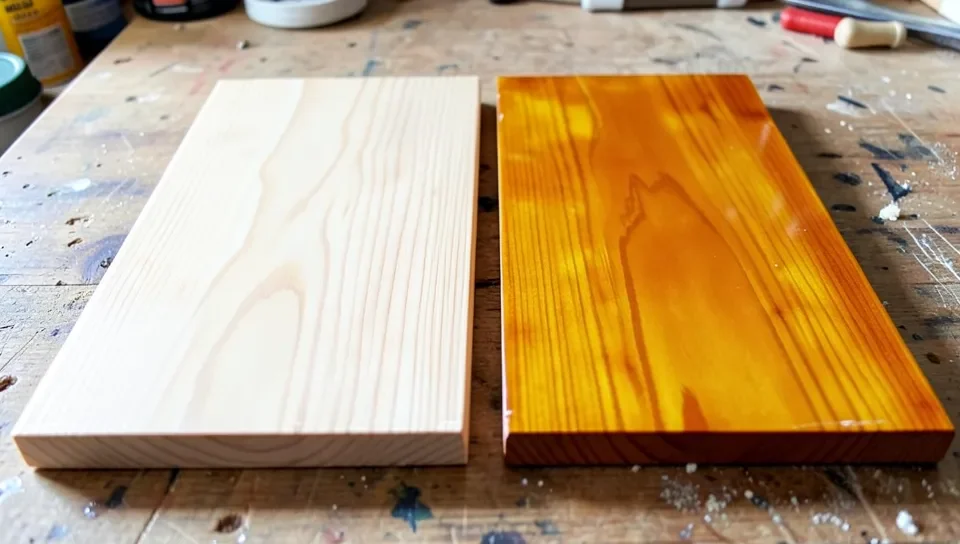
Yes, spar urethane yellows over time – and if it’s an oil-based formula, it will keep ambering even indoors, away from any sunlight. That surprises a lot of people, since spar urethane is marketed as the UV-resistant, outdoor-tough finish. UV exposure does speed the color shift up, but it isn’t the only cause. The amber tint comes from the oil-modified resin itself slowly oxidizing, which happens in the dark too, just more slowly.
That distinction matters if you’re picking a finish for something you want to stay a true, clear color – a white-washed table, a light maple cutting board, a pale pine shelf. Below is why the yellowing happens, how fast it typically shows up, and which spar urethane formula actually stays clear.
Why Spar Urethane Yellows (It’s the Resin, Not Just the Sun)
Traditional spar urethane is an oil-modified resin – it’s built from a urethane polymer combined with drying oils (historically tung or linseed oil derivatives). Those oils cure through auto-oxidation: they react with oxygen in the air and cross-link into a hard film. That same oxidation reaction is what produces the amber color, and it’s a chemical process that doesn’t require light to happen. It just happens faster with UV exposure and heat, and slower in a dark closet or the underside of a shelf.
Best Non-Yellowing Pick
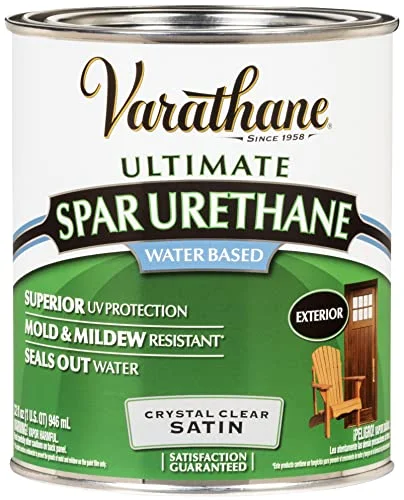 |
Varathane Water-Based Ultimate Spar Urethane, Satin – $28.58 A water-based spar urethane that skips the oil-modified resin entirely, so it stays crystal clear instead of ambering with age.
|
Water-based spar urethane finishes use an acrylic or acrylic-urethane resin instead of a drying oil, so there’s no oxidizing oil layer to turn amber. That’s why they stay clear for years where an oil-based spar urethane on the same piece would have already picked up a noticeable warm tint.
Coat thickness and gloss level also play a role in how fast the amber shows up. A thick, built-up gloss coat has more oil resin per square inch to oxidize, so the color shift tends to look more pronounced and more obviously “varnished” than a couple of thin satin coats on the same wood. That’s one reason boat builders and marine finishers, who apply spar urethane in several thin coats rather than one heavy one, sometimes see a slower, more even amber than someone who brushes on a single thick layer to save time.
UV-Resistant Doesn’t Mean Color-Stable
This is the part of spar urethane’s marketing that trips people up. “UV-resistant” on the can refers to the UV absorbers blended into the formula, which are there to slow the finish from breaking down, cracking, and chalking under sun exposure. That’s a real, useful property, and it’s genuinely why spar urethane holds up on doors, boats, and outdoor furniture longer than plain interior polyurethane.
But UV-resistant durability and color stability are two separate properties, and a finish can have one without the other. Spar urethane’s UV absorbers slow down the breakdown of the film – they don’t stop the oil resin’s own oxidative color shift. So a can that’s genuinely excellent at resisting UV degradation can still amber steadily, sun or no sun, simply because of what it’s made from. If you want both UV durability and stable color, you generally need a formula that either isn’t oil-modified (water-based) or that pairs oil-based spar urethane with a separate UV-blocking topcoat and accepts that some warming will still happen.
How Fast Does the Amber Tint Show Up?
The timeline depends on the formula, the wood, and light exposure, but oil-based spar urethane’s color shift is usually visible within the first year, and it keeps deepening for years after that – it doesn’t level off quickly the way some people expect. Direct sun accelerates it noticeably; a south-facing porch railing can show a real amber cast within a few months. Indoors, out of direct light, the same finish still darkens, just over a longer stretch, often becoming obvious somewhere in the one-to-three-year range.
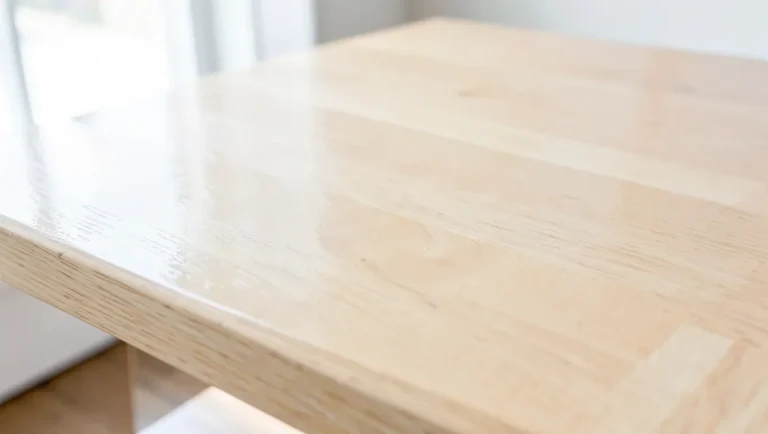
It’s most noticeable on light-colored wood – maple, birch, whitewashed or bleached pine – because there’s no existing warm tone in the wood to mask the shift. On walnut or a dark-stained project, the same amount of ambering is much harder to see.
Heat exposure adds to the effect too, separately from light. A finish on a surface that gets warm in the sun through a window, or that sits near a heat source indoors, will typically amber faster than the same finish kept at a stable room temperature, even with similar light exposure. That’s why a windowsill or a tabletop under a sunny window can show a warmer tint sooner than a wall-mounted shelf in the same room that gets bright light but not the same heat buildup.
Water-Based Spar Urethane: The Non-Yellowing Trade-off
A water-based spar urethane, like the one above, solves the color-shift problem by not using an oxidizing oil resin at all. The film stays visually clear from day one through years of use, which is exactly what you want under white paint, on light wood, or on anything where color accuracy matters more than maximum outdoor toughness.
The honest trade-off: water-based formulas are typically less flexible than oil-based spar urethane, so on a piece that lives outdoors full-time and moves with humidity and temperature swings – a boat rail, an exterior door – an oil-based spar urethane can outlast a water-based one before it needs recoating, amber tint and all. For furniture that’s outdoors part-time, on a covered porch, or indoors, the water-based option is usually the better call. If you’re also weighing spar urethane against plain polyurethane for the same project, the tradeoffs are laid out in more depth in our spar urethane vs. polyurethane comparison.
How to Tell If Your Finish Has Already Started Ambering
The easiest check is to compare an exposed area against a spot that’s been protected from light, like the underside of a tabletop, inside a drawer, or wherever hardware has been covering the wood. If the exposed surface reads noticeably warmer or more orange than the hidden spot, the finish has started to amber. On a painted or whitewashed piece, look for the finish itself picking up a faint yellow cast over the white, rather than the wood underneath changing.
Can You Reverse or Slow the Yellowing?
Once an oil-based spar urethane film has ambered, that coat itself won’t go back to clear – the color change is a permanent chemical change in the cured film, not surface dirt you can clean off. The realistic options are to sand the piece down to bare wood and refinish with a water-based spar urethane if color stability matters going forward, or to accept the warmer tone and simply maintain the existing finish.
You can slow future yellowing on a new project by keeping it out of direct sun where practical and choosing a satin or matte sheen over gloss, since a slightly diffused surface makes early color shift less visually obvious. But slowing isn’t stopping – if avoiding the amber tint entirely is the goal, a water-based spar urethane is the more reliable route than trying to manage an oil-based one.
Frequently Asked Questions
Does spar urethane yellow indoors, away from sunlight?
Yes. Oil-based spar urethane ambers through oxidation of its oil resin, a chemical reaction that continues in the dark, just more slowly than in direct sun. UV light speeds up the color shift but is not the only cause of it.
If spar urethane is UV-resistant, why does it still turn yellow?
Its UV resistance is about slowing the film from breaking down and chalking, not about keeping the color stable. Those are two different properties. The oil-modified resin oxidizes and ambers over time regardless of how well the UV absorbers are protecting the film from degradation.
Which spar urethane doesn’t yellow?
Water-based spar urethane formulas, which use an acrylic or acrylic-urethane resin instead of an oxidizing drying oil, stay visibly clear over time instead of ambering.
Can you reverse spar urethane once it has yellowed?
No, the ambering is a permanent change in the cured film. The only fix is sanding back to bare wood and refinishing, ideally with a water-based spar urethane if color stability is the priority.
Bottom Line
Spar urethane yellows because of what it’s made from, not just because of where it’s used. Oil-based formulas amber over time even indoors, and UV exposure only speeds up a process that was going to happen anyway. If color stability matters more than maximum outdoor flexibility for your project, a water-based spar urethane is the straightforward fix.
Sponsored / affiliate links. As an Amazon Associate I earn from qualifying purchases. I may earn additional commission from eligible campaigns.