Does MDF Expand And Contract? Understanding Its Behavior
Yes, MDF (Medium-Density Fiberboard) can expand and contract. This movement happens due to changes in moisture levels.
Understanding this behavior is crucial for anyone using MDF in their projects. MDF is a popular material in furniture and cabinetry. It’s valued for its smooth surface and ease of use. But like all wood products, MDF responds to humidity.
It absorbs moisture from the air, causing it to expand. When the air is dry, MDF loses moisture and contracts. This can lead to warping or swelling over time. Knowing how MDF reacts helps in making better choices for its use. This knowledge can prevent issues and ensure a long-lasting product. Let’s explore how MDF behaves and how to manage it effectively.
Properties Of Mdf
MDF can expand and contract with changes in humidity. This makes it sensitive to moisture. Proper sealing helps maintain its shape.
Composition
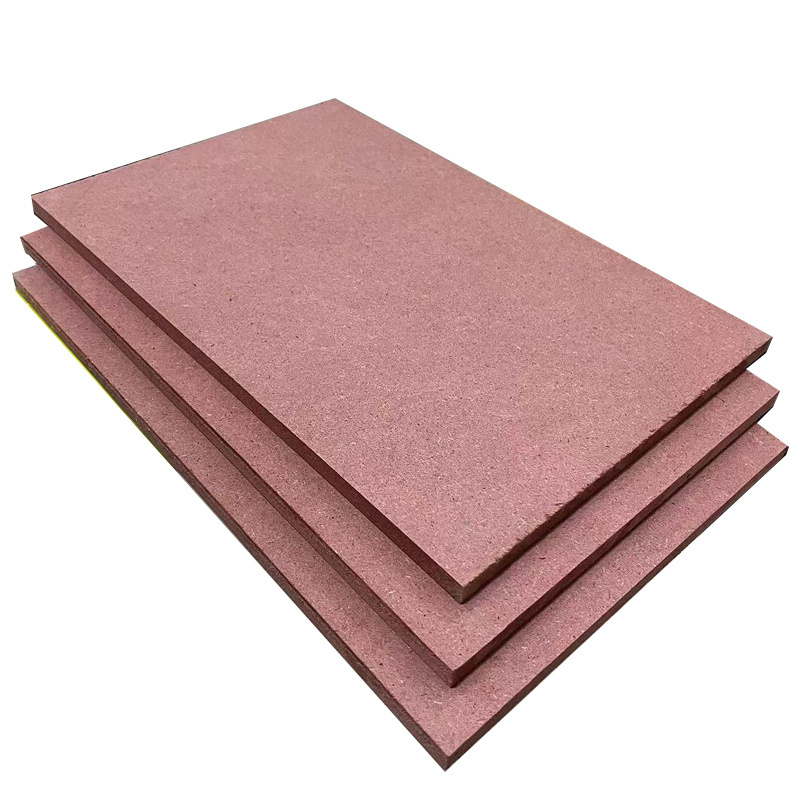
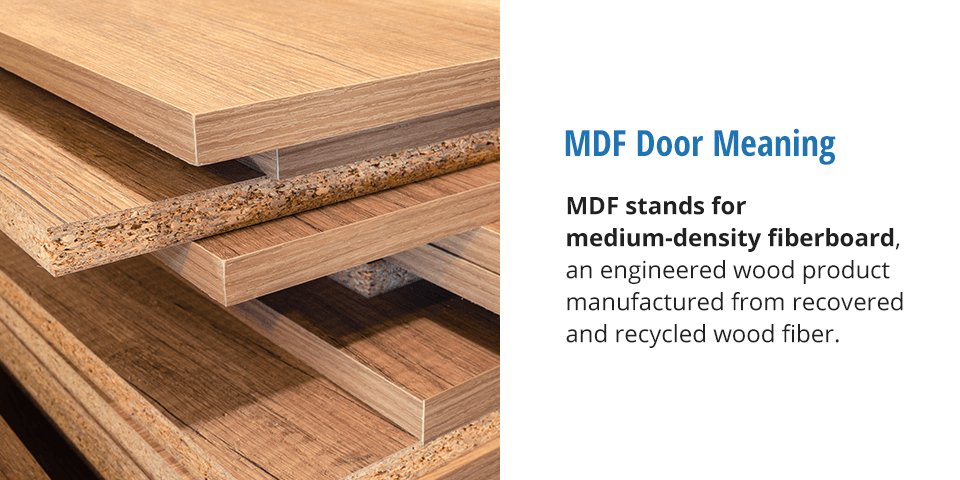
MDF stands for Medium Density Fiberboard. It is made from wood fibers. These fibers are glued together. The glue is strong. The board is then pressed into shape. MDF is very smooth. It has no grain. This makes it easy to paint.
Density
MDF has a high density. This means it is very solid. It does not bend easily. It is heavier than plywood. The density makes it durable. It can hold screws well. It is used in furniture and cabinets. MDF is also cheaper than solid wood.
Credit: m.bestsuppliers.com
Factors Influencing Mdf Behavior
MDF expands and contracts due to changes in humidity and temperature. These factors cause the fibers to swell or shrink. Proper sealing and climate control help minimize these effects.
Moisture
MDF absorbs moisture from the air. This makes it expand. High humidity leads to more moisture. MDF swells and becomes larger. Dry conditions make MDF lose moisture. It then contracts and becomes smaller. Sealing edges helps reduce moisture absorption. Always store MDF in dry areas.
Temperature
Temperature changes affect MDF size. Heat makes MDF expand. Cold makes MDF contract. Rapid temperature changes can cause damage. Keep MDF in stable temperatures. Avoid placing near heaters or air conditioners. Controlled environments help maintain MDF size.
Expansion Of Mdf
MDF can expand and contract. Humidity is a big reason. High humidity makes MDF absorb moisture. Low humidity makes it lose moisture. Temperature changes also affect MDF. Heat can make it expand. Cold can make it contract. Both these factors can cause MDF to change in size. This is why MDF needs proper care.
Expansion and contraction can cause problems. MDF may warp or crack. It can also swell or shrink. This affects its strength and appearance. Your furniture may not fit well anymore. It can also affect doors and cabinets. Proper sealing and finishing can help. This reduces the effects of moisture and temperature.

Credit: www.marketdataforecast.com
Contraction Of Mdf
MDF, or Medium Density Fiberboard, contracts due to humidity changes. Wood fibers in MDF absorb and lose moisture. This causes the board to shrink or swell. Temperature fluctuations also play a role. In colder temperatures, MDF contracts more. Poor ventilation around MDF can increase the rate of contraction. Using MDF in damp areas is risky. Proper sealing helps reduce this issue.
Contraction of MDF can lead to cracks. Joints and edges may become uneven. Paint or finishes may peel or chip. It can also cause warping. Warped MDF loses its shape. This affects the look and durability of the product. Proper care is essential to maintain MDF quality. Use MDF in controlled environments to avoid issues.
Comparing Mdf With Other Materials
MDF expands and contracts with changes in humidity. This makes it less stable compared to plywood. Proper sealing can help reduce this issue.
Plywood
Plywood is more stable than MDF. It does not expand or contract as much. This is because plywood has layers. These layers make it strong. Plywood can handle changes in humidity better. MDF absorbs moisture more easily. This can lead to swelling. Therefore, MDF is not as stable as plywood.
Solid Wood
Solid wood is natural. It expands and contracts with changes in humidity. This is similar to MDF. But solid wood is stronger. It can last longer if cared for properly. MDF is weaker. It can break or swell if exposed to too much moisture. Solid wood looks nicer too. It has natural patterns.
Credit: www.manhattandoor.com
Preventing Mdf Expansion
Sealing MDF is important. It helps prevent moisture absorption. Use a quality sealant. Apply it to all surfaces. Even the edges need sealing. This stops water from entering. The MDF stays dry. It also stays stable. Always use a waterproof sealant. This adds extra protection. It makes MDF last longer.
Controlling climate is key. Keep humidity levels low. Use a dehumidifier if needed. Avoid placing MDF in damp areas. This helps prevent expansion. Maintain a stable temperature. Sudden changes can cause problems. Store MDF in a dry place. This keeps it safe from moisture.
Preventing Mdf Contraction
MDF can expand and contract with changes in humidity. To prevent this, seal all sides and edges with paint or varnish. Store MDF in a controlled environment to maintain its stability.
Proper Storage
MDF must be stored in a dry place. Keep it away from moisture and direct sunlight. This helps it stay flat and stable. Place it on a flat surface. Use supports under it to keep it off the ground. This stops any warping or bending.
Humidity Control
Humidity affects MDF a lot. Use a dehumidifier in the storage area. This keeps the air dry. Check the humidity levels often. Keep them low to avoid MDF swelling or shrinking. Good ventilation is also important. It helps keep the air fresh and dry.
Applications And Limitations Of Mdf
MDF is great for indoor projects. It is perfect for making furniture. Cabinets are often made from MDF. It is easy to paint and finish. Many people use MDF for shelving. It is smooth and has no grain. This makes it easy to cut and shape. MDF is also used in speaker boxes. It does not vibrate much. This helps to produce clear sound. MDF is also used in wall panels. It can be carved with designs. This adds beauty to a room.
MDF can absorb moisture. This makes it swell and lose shape. It is not ideal for bathrooms or kitchens. MDF is heavy compared to wood. This makes it hard to move. It can release dust when cut. The dust can be harmful if breathed in. MDF is not as strong as wood. It can break under heavy weight. It may not hold screws well. Over time, screws can loosen.
Frequently Asked Questions
Does Mdf Expand With Humidity?
Yes, MDF can expand with humidity. It absorbs moisture from the air, causing it to swell.
Does Mdf Contract In Dry Conditions?
Yes, MDF can contract in dry conditions. When the air is dry, MDF loses moisture and can shrink.
How To Prevent Mdf From Expanding?
To prevent MDF from expanding, seal it properly with primer and paint. This reduces moisture absorption.
Is Mdf Suitable For Damp Environments?
MDF is not suitable for damp environments. High moisture areas can cause it to swell and deteriorate over time.
Conclusion
MDF can expand and contract with changes in humidity. Proper sealing helps prevent issues. Always consider the environment where MDF will be used. This helps ensure durability and longevity. MDF remains a popular choice for many projects. Its affordability and workability make it ideal.
Remember to handle MDF with care. This ensures the best results for your projects. Understanding MDF’s properties is key to successful use. With this knowledge, you can make informed decisions.