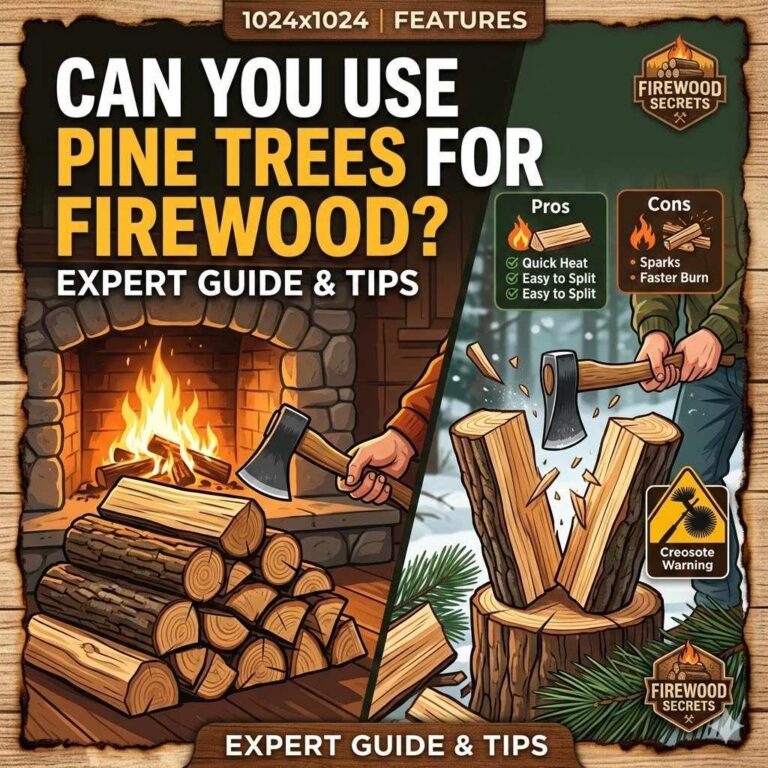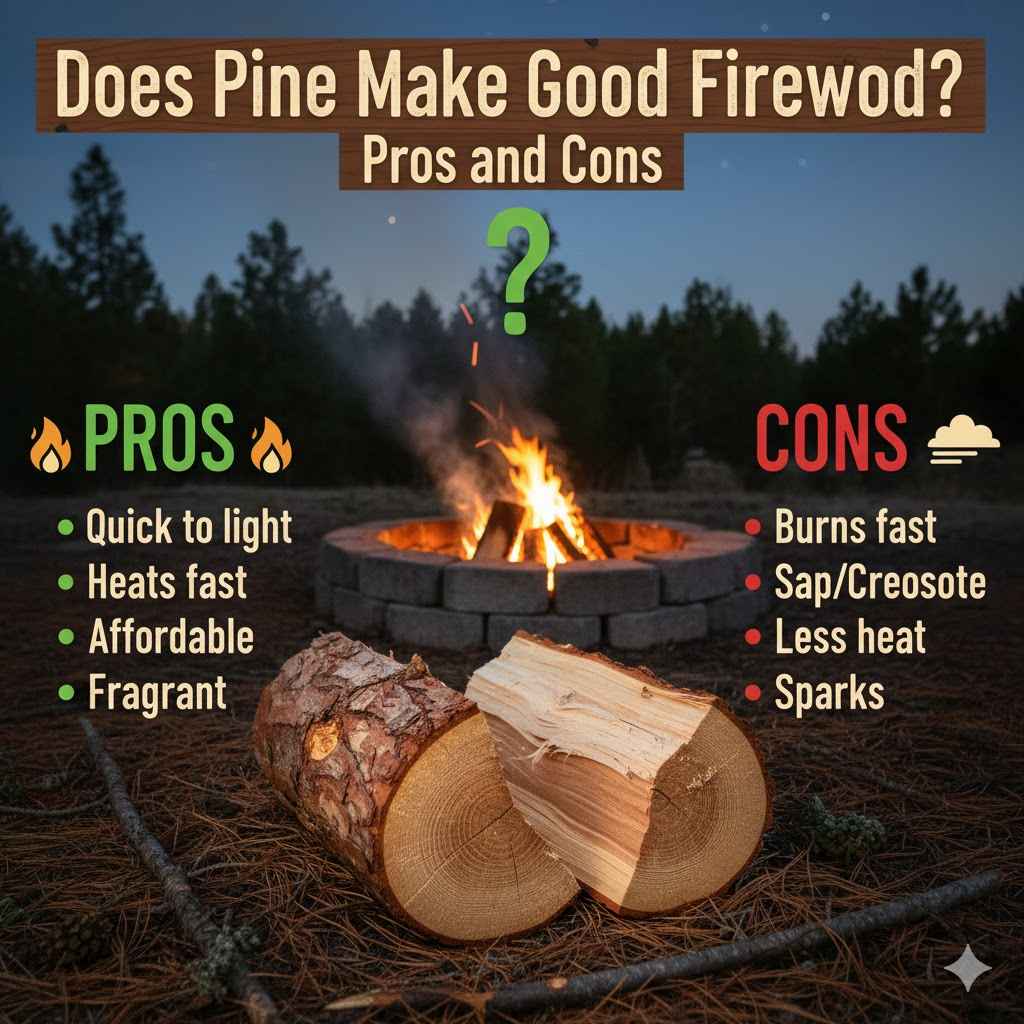
Does Pine Make Good Firewood? Pros and Cons
Many people wonder, “Does Pine Make Good Firewood? Pros and Cons.” This question often comes up when someone is new to using a fireplace or wood stove. They see pine trees everywhere and think it might be an easy, free source of heat.
However, pine has some special traits that can surprise you if you don’t know them. It’s not as simple as just throwing any wood on the fire. This guide will make it super easy to understand, breaking it down step by step so you can make smart choices for your cozy fire.
Let’s find out if pine is the right wood for you.
Understanding Pine As Firewood
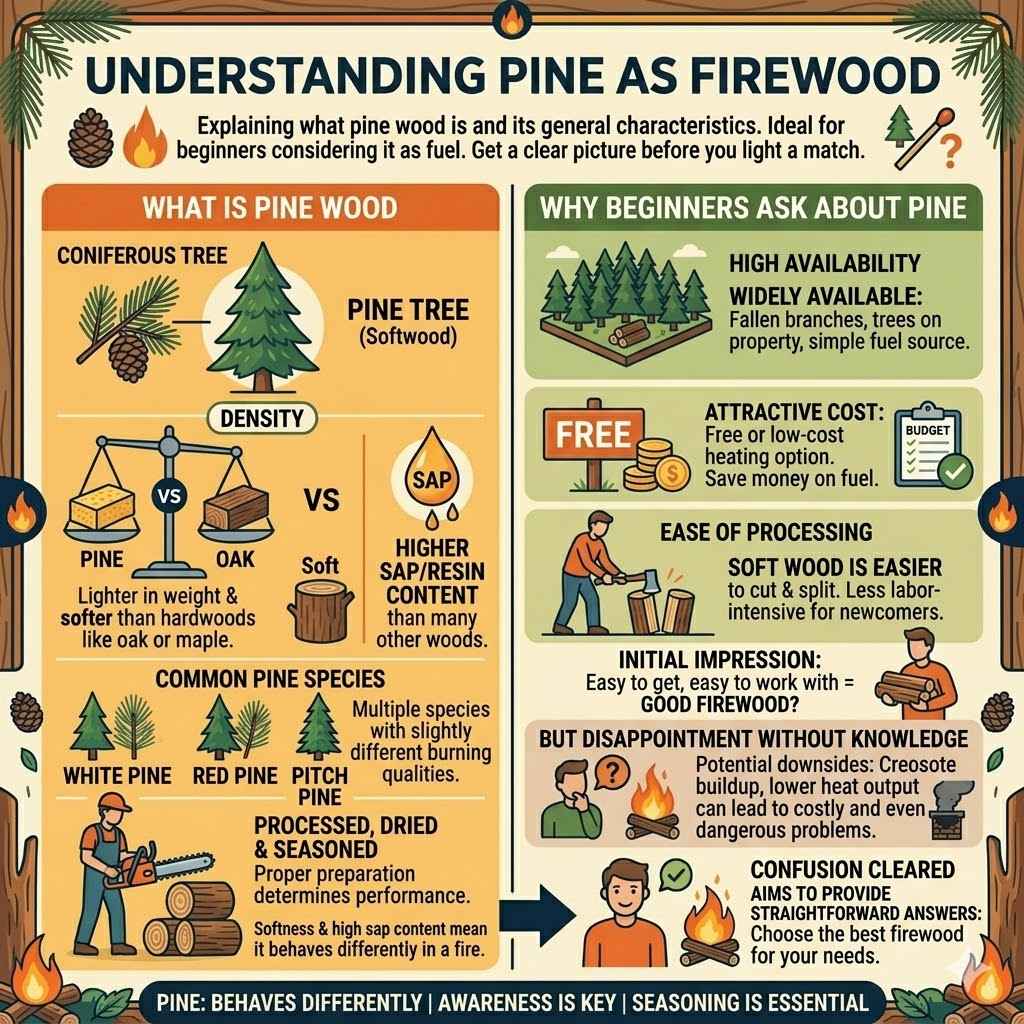
This section explains what pine wood is and why it’s a common question for people considering it as fuel. We will look at its general characteristics and why it’s often a first thought for beginners. Understanding these basics helps set the stage for exploring its actual performance when burned.
It’s all about getting a clear picture of what you’re working with before you even think about lighting a match.
What Is Pine Wood
Pine is a type of softwood that comes from coniferous trees. These trees are known for their needle-like leaves and cones. They grow quickly in many parts of the world, making them quite available.
Pine trees are also lighter in weight and softer compared to hardwoods like oak or maple. This difference in density is a key factor in how well pine burns and what kind of heat it produces. Its sap content is also higher than many other types of wood.
Pine wood is used for many things, from building materials and furniture to paper. Because it’s so common, many people have access to pine wood for free or at a low cost. This makes it an attractive option for firewood, especially for those looking to save money.
However, its softness and high sap content mean it behaves differently in a fire than denser woods. This can lead to both good and bad experiences when trying to heat a home.
There are many species of pine trees, such as White Pine, Red Pine, and Pitch Pine. Each might have slightly different burning qualities. But generally, when people refer to “pine firewood,” they mean wood from these fast-growing, soft conifer trees.
The way they are processed, dried, and seasoned also plays a big role in how they perform in a wood-burning appliance.
Why Beginners Ask About Pine
Newcomers to firewood often consider pine because it’s widely available. Many people have pine trees on their property or can easily get access to fallen branches. It feels like a simple, readily available fuel source.
The idea of a cheap or free way to heat your home is very appealing, especially when firewood prices can sometimes be high.
The softness of pine also means it’s easier to cut and split compared to dense hardwoods. This can make it seem less labor-intensive. For someone unfamiliar with wood processing, this ease of handling is a big draw.
They might think, “If it’s easy to get and easy to work with, it must be good firewood.” This initial impression can lead to disappointment if they don’t understand the full picture.
However, without knowing about the potential downsides like creosote buildup or lower heat output, beginners can run into problems. These issues can be costly and even dangerous. This guide aims to clear up the confusion and provide straightforward answers so anyone can choose the best firewood for their needs.
Pros of Burning Pine Firewood
Pine offers several advantages that make it a popular choice for firewood, especially for certain uses. Its quick availability and ease of handling are significant benefits for many people. We will explore these positive aspects in detail, helping you see where pine can truly shine as a fuel source for your fireplace or stove.
Easy To Source and Process
One of the biggest advantages of pine is how easy it is to find. Pine trees are abundant in many regions, often found in forests, parks, or even in backyards. This accessibility means you might be able to get firewood for free by collecting fallen branches or by purchasing it at a lower cost compared to hardwoods.
This can be a significant cost saver for people who rely on wood heat.
Pine is also a softwood, which makes it much easier to cut, split, and stack than hardwoods. If you are processing your own firewood, this means less physical effort and time spent. A chainsaw will cut through pine quickly, and splitting it often requires less force.
This ease of handling makes it a good option for those who may not have the heavy-duty tools or physical strength required for hardwoods.
The lighter weight of pine wood also makes it easier to transport and carry to your woodpile or inside your home. This can be a practical consideration for many people, especially those with limited mobility or who are not used to handling heavy logs. The ease of acquisition and processing are strong selling points for pine as a firewood option.
Burns Quickly With High Flame
Pine wood burns very fast and produces a bright, lively flame. This can be quite appealing for creating a quick burst of heat or for enjoying a visually active fire. If you need to heat up a room rapidly, pine can accomplish this relatively quickly.
The flames are often tall and dancing, which many people find aesthetically pleasing.
This fast-burning characteristic means that pine is excellent for starting fires. Its dry nature and resin content help it ignite easily. This makes it a good choice for kindling or for getting a fire going before adding slower-burning woods.
You can use pine to quickly establish a hot ember bed, which will then help ignite other, denser woods.
The high flame can also be beneficial for certain types of stoves or fi
Pleasant Aroma When Burning
Many people enjoy the scent of burning pine. It produces a fresh, clean, and pleasant aroma that is often associated with the outdoors and the holidays. This aroma can add a nice ambiance to your home, especially during colder months.
Unlike some woods that can have a smoky or acrid smell, pine often releases a sweet, resinous fragrance.
This pleasant smell is due to the natural oils and resins present in the wood. When the wood heats up, these compounds are released into the air. The specific scent can vary slightly depending on the species of pine, but generally, it’s a widely appreciated fragrance.
It’s one of the more enjoyable sensory aspects of using pine for fuel.
This aromatic quality makes pine a popular choice for recreational fires, such as bonfires or campfire logs, where the scent contributes to the overall experience. While it might not be the primary reason someone chooses firewood for home heating, it’s certainly a welcome bonus for many users. The smell is often described as crisp and invigorating.
Cons of Burning Pine Firewood
While pine has its benefits, it also comes with significant drawbacks that users must consider. These downsides can affect the efficiency of your heating, the cleanliness of your chimney, and the overall safety of your fire. Understanding these issues is crucial for making an informed decision about whether pine is the right firewood for you.
Low Heat Output and Short Burn Time
Pine is a softwood, meaning it has a lower density than hardwoods. This translates directly into less heat output per volume of wood. While it burns hot and fast initially, it doesn’t produce as much sustained warmth as oak, maple, or hickory.
You will find yourself needing to replenish your wood supply more often to maintain a desired temperature, which can be inconvenient and costly in the long run.
The rapid burn time means that pine logs are consumed quickly. You might get a beautiful, high flame for a while, but it won’t last as long as a hardwood log. This makes pine less efficient for providing long-lasting heat throughout the night or for maintaining a steady temperature in your home.
It’s like comparing a sprinter to a marathon runner; pine is the sprinter.
For example, a cord of seasoned oak might provide 25-30 million BTUs (British Thermal Units) of heat, while a cord of pine might only provide 15-20 million BTUs. This difference is significant when you are trying to heat your home, especially during cold winters. You would need to burn considerably more pine to get the same amount of heat as hardwoods.
High Sap Content Leads to Creosote
Pine wood contains a high amount of sap, also known as resin. This sap is flammable and creates a sticky residue called creosote when it burns. Creosote is a major concern for anyone using a wood-burning appliance because it builds up inside the chimney and stovepipes.
When wood is burned, especially at lower temperatures or with incomplete combustion, the volatile compounds in the sap vaporize and then condense on cooler surfaces. This condensation forms creosote. Pine’s high sap content makes it particularly prone to producing significant amounts of this sticky substance.
Over time, creosote can accumulate to dangerous levels.
A thick layer of creosote is highly flammable and is the primary cause of chimney fires. These fires can be very dangerous, spreading flames to your roof and house. Regular and thorough chimney cleaning is absolutely essential when burning pine to remove this buildup.
For homeowners, this means more frequent maintenance and potential costs associated with chimney sweeps.
Produces More Smoke and Sparks
Due to its fast-burning nature and high sap content, pine wood tends to produce more smoke and sparks than dense hardwoods. The smoke can be thick and somewhat acrid, which can be unpleasant and can lead to more frequent cleaning of your chimney liner and stove glass. If you have a sensitive nose or respiratory issues, the smoke from pine might be bothersome.
The sparks are a direct result of the sap igniting and popping. These sparks can fly out of the fireplace or stove, especially when you first add logs. This poses a fire hazard, as they can land on carpets, furniture, or any flammable materials nearby.
It’s essential to have a sturdy fireplace screen to contain these sparks.
For example, a fi
Can Damage Fireplace and Stove
The high resin content and rapid burning of pine can lead to faster wear and tear on your fireplace or wood stove. The sticky creosote buildup can be difficult to clean and can degrade the materials over time. More importantly, the intense, fast heat from burning pine, especially if not well-seasoned, can sometimes cause thermal shock to stove components, leading to cracking or warping.
The frequent need to refuel also means more opening and closing of stove doors, which can lead to heat loss and increased stress on the door seals. Over time, this can reduce the efficiency of your appliance. The intense flames can also sometimes scorch or damage the interior surfaces of the firebox more quickly than slower-burning hardwoods.
Consider a scenario where a homeowner consistently burns green or unseasoned pine. The sap might not fully combust, leading to excessive creosote. This creosote can then char and become very difficult to remove.
Furthermore, the rapid expansion and contraction of the wood during burning can create stresses on the metal or firebrick components of the stove. This isn’t to say pine will immediately destroy your stove, but over the long term, it can contribute to faster deterioration compared to burning dense, well-seasoned hardwoods.
How to Burn Pine Safely and Effectively
If you choose to burn pine, or if it’s your primary available option, there are ways to do so more safely and effectively. Understanding how to prepare and manage pine wood fires can significantly reduce the risks and improve your experience. This section provides practical tips for maximizing the benefits and minimizing the drawbacks of pine firewood.
Always Burn Dry, Seasoned Pine
This is perhaps the most critical piece of advice for burning pine. “Seasoned” means the wood has been cut, split, and allowed to dry for at least 6 to 12 months, preferably longer for softwoods like pine. Drying reduces the moisture content of the wood, which is crucial for efficient and safe burning.
Green or unseasoned pine contains a lot of water. When you try to burn it, a significant amount of energy is used just to boil off this water. This results in a much lower heat output, more smoke, and a greater tendency for creosote to form.
Dry wood burns hotter, cleaner, and with less smoke. You can tell if pine is seasoned by its appearance: it’s usually lighter in weight, has cracks on the ends, and may have a grayish or faded color.
When wood is properly seasoned, its moisture content should be below 20%. Burning wood with higher moisture content is not only inefficient but also actively detrimental to your chimney’s health. A moisture meter can be a helpful tool to test your firewood.
For pine, ensuring it’s very dry is even more important than for some hardwoods due to its inherent resin content.
Use Pine for Starting Fires or Short Bursts
Pine is an excellent choice for kindling or for getting a fire started quickly. Its tendency to ignite easily and produce high flames makes it ideal for bringing a cold fireplace or stove up to temperature. Once a good ember bed is established, you can then add denser, slower-burning hardwoods to provide sustained heat.
Pine is also well-suited for short fires. If you only need a quick burst of heat to warm up a room before heading out or going to bed, pine can do the job effectively. It will provide a bright, warm fire for a period, and then burn out, leaving little residual heat.
This avoids the problem of having wood burn too quickly if you’re trying to maintain warmth for many hours.
Think of it like this: you wouldn’t use a race car for a long road trip; it’s not fuel-efficient. Similarly, using pine for extended, steady heating is like trying to make a quick sprint last for miles. It’s not designed for that.
However, using it to start the race or for a short, intense burst is where it excels. This strategy helps you get the best of both worlds.
Clean Your Chimney Regularly and Thoroughly
Because pine produces more creosote, more frequent and thorough chimney cleaning is essential. It’s recommended to have your chimney inspected and cleaned at least once a year, but if you burn a lot of pine, you might need to do it more often—perhaps twice a year, especially before and after the heating season.
A professional chimney sweep has the tools and expertise to identify and remove creosote buildup. They can also check for any damage to the chimney liner. Ignoring creosote buildup is dangerous, as it significantly increases the risk of a chimney fire.
Don’t underestimate the importance of this maintenance step when burning pine.
The National Fire Protection Association (NFPA) recommends that chimneys, fireplaces, and vents be inspected for soundness and cleaned of creosote and other deposits as needed to assure safe use. For pine, “as needed” might mean more frequently than for other woods. A good rule of thumb is to have it inspected if you notice a strong odor or see significant buildup.
Consider a Stovepipe Thermometer
A stovepipe thermometer can be a valuable tool when burning pine. It helps you monitor the temperature of the flue gases. Ideally, you want to keep the flue temperature within the optimal range for efficient burning and minimal creosote formation.
This range is typically between 250°F and 500°F (121°C to 260°C).
Burning pine too cool can lead to excessive creosote. Burning it too hot can be inefficient and potentially damage your appliance. The thermometer gives you real-time feedback, allowing you to adjust the airflow to your stove to maintain the best burning conditions.
This helps you get more heat from your wood and reduces the risk of dangerous creosote buildup.
For example, if your thermometer shows the flue temperature is too low, you might need to open the air vents on your stove a bit more to increase the combustion rate. Conversely, if it’s too high, you might close them slightly. This active management is key to burning pine effectively and safely.
It turns a potentially problematic firewood into a more manageable fuel source.
Comparing Pine to Hardwoods
When people ask “Does Pine Make Good Firewood? Pros and Cons,” a natural follow-up is how it stacks up against other common firewood types, particularly hardwoods. Understanding these differences will help you make the best choice for your heating needs and preferences.
Key Differences Summarized
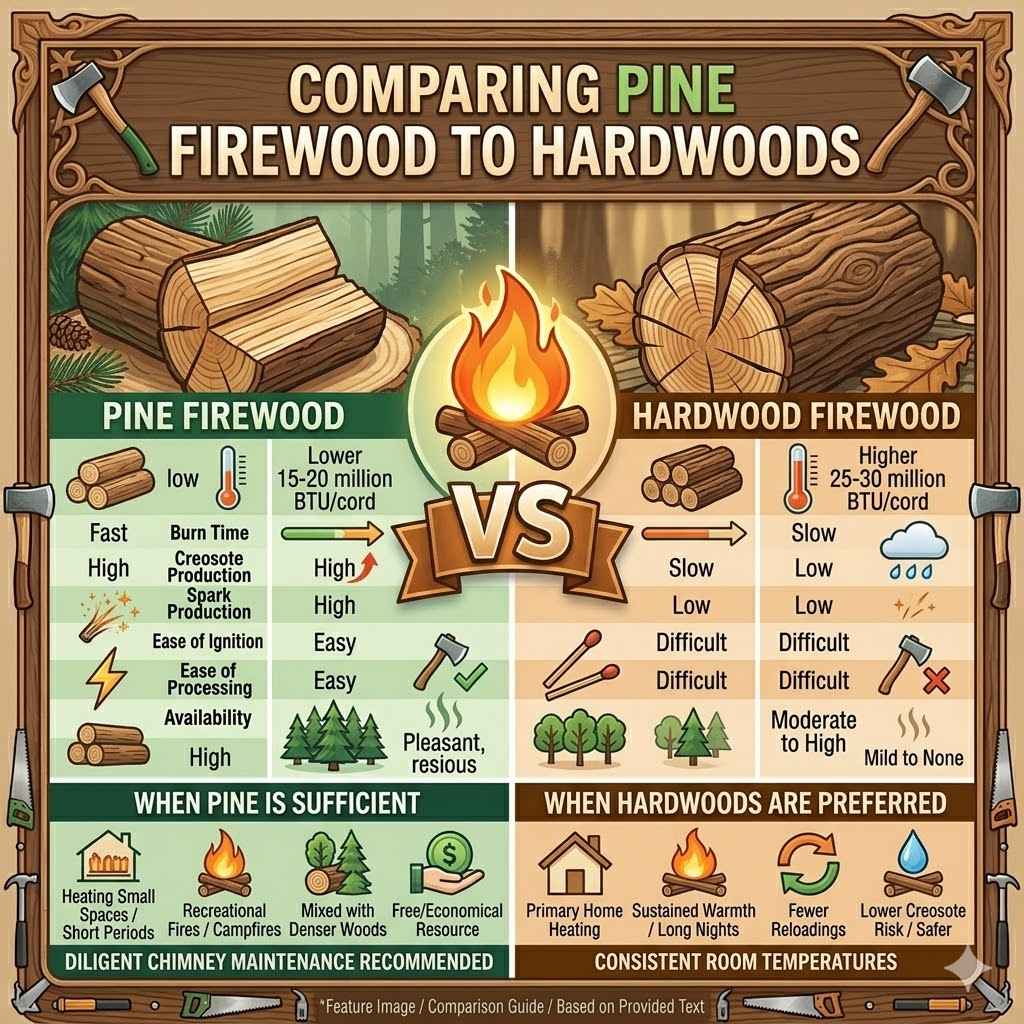
Pine is a softwood, meaning it’s less dense, ignites easily, burns fast, and produces less heat per cord. It also has a high sap content, leading to more creosote and sparks. Its benefits include being readily available, easy to process, and having a pleasant aroma.
Hardwoods, like oak, maple, and hickory, are dense, harder to ignite, burn slower, and produce significantly more heat per cord. They also create less creosote and fewer sparks, making them generally cleaner and safer for long-term heating.
| Feature | Pine Firewood | Hardwood Firewood |
|---|---|---|
| Density | Low | High |
| Heat Output (BTU/cord) | Lower (approx. 15-20 million) | Higher (approx. 25-30 million) |
| Burn Time | Fast | Slow |
| Creosote Production | High | Low |
| Spark Production | High | Low |
| Ease of Ignition | Easy | Difficult |
| Ease of Processing | Easy | Difficult |
| Availability | High | Moderate to High (region dependent) |
| Aroma | Pleasant, resinous | Mild to none |
When Hardwoods Are Preferred
Hardwoods are generally preferred for primary home heating, especially during cold winters. Their higher density means they burn longer and hotter, providing sustained warmth. This reduces the frequency with which you need to load the stove, offering more convenience and a more consistent room temperature.
The lower creosote production also means less risk of chimney fires and less frequent cleaning, which translates to lower maintenance costs and greater safety.
If your main goal is to heat your home efficiently and consistently for long periods, hardwoods are the superior choice. They also tend to produce a more even, radiant heat rather than the intense, fast flames of softwoods. For example, a log of oak can burn for several hours, providing steady heat, while a pine log might be consumed in an hour or less, requiring frequent attention.
The higher BTU output means you get more heat value for your money, even if the initial purchase price per cord is higher.
Many people use a combination of woods. They might use softwoods like pine for starting the fire and then transition to hardwoods for the main heat source. This approach leverages the benefits of both types of wood.
For instance, you can get a fire going quickly with pine, then once a good hot base is established, add oak logs to maintain a warm house throughout the night. This hybrid approach is often the most practical and economical.
When Pine Might Be Sufficient
Pine can be a good option for firewood in specific situations. If you only need to heat a small space, a workshop, or a seasonal cabin for short periods, pine might be perfectly adequate. Its quick heat and easy ignition can be beneficial in these scenarios.
Also, if you have an abundant, free source of well-seasoned pine, it can be an economical choice, provided you are diligent with chimney maintenance.
For recreational fires, like campfires or backyard bonfires, pine is often ideal. Its fast burn and bright flames create a lively fire that’s enjoyable for social gatherings. The pleasant aroma is also a bonus in these settings.
If you’re looking for a quick, warm fire to sit around for an hour or two, pine can serve this purpose well.
Another scenario is when pine is mixed with other, denser woods. By using pine for kindling or for part of your fuel mix, you can extend your supply of more expensive hardwoods. The key is to understand its limitations and use it in a way that maximizes its benefits while minimizing its risks.
For instance, a seasoned pine log can be excellent for starting a fire, but you wouldn’t rely on it alone to heat your home all night.
Frequently Asked Questions
Question: Is pine wood dangerous to burn?
Answer: Pine wood itself is not inherently dangerous, but it can be more dangerous to burn than hardwoods if not managed properly. Its high sap content creates creosote, which is flammable and can cause chimney fires. It also produces more sparks, which can be a fire hazard.
Burning dry, seasoned pine and cleaning your chimney regularly are key to safe burning.
Question: How long does a pine log burn?
Answer: A pine log burns relatively quickly compared to hardwood logs. Depending on its size and moisture content, a seasoned pine log might burn for about an hour or less. This makes it better suited for starting fires or for short bursts of heat rather than long, steady warmth.
Question: Does pine make smoke?
Answer: Yes, pine wood tends to produce more smoke than dense hardwoods, especially if it is not fully seasoned. The smoke can be thick and may carry more particulates. This is due to its high moisture content and resinous nature.
Burning dry pine and ensuring good airflow can help reduce smoke.
Question: Can I use pine for my main home heating?
Answer: While you can use pine for home heating, it’s generally not recommended as the primary fuel source for sustained warmth. Its low heat output and short burn time mean you’ll need to refuel very often, and it creates more creosote, increasing the risk of chimney fires. It’s better used as kindling or for short heating periods.
Question: What is the best way to store pine firewood?
Answer: Like all firewood, pine should be stored off the ground in a dry, well-ventilated area. A wood shed or a covered rack works best. This allows air to circulate around the logs, helping them stay dry and continue seasoning.
Keeping it dry is crucial to prevent mold and rot and to ensure it burns efficiently.
Final Thoughts
So, does pine make good firewood? It can, with important caveats. Pine offers quick ignition, a pleasant smell, and is easy to find and process.
However, its low heat output, fast burn time, and tendency to produce creosote and sparks mean it requires careful handling. Always burn it dry and seasoned, use it for starting fires or short burns, and clean your chimney often.