Douglas Fir vs Cedar Which Wood Is Better
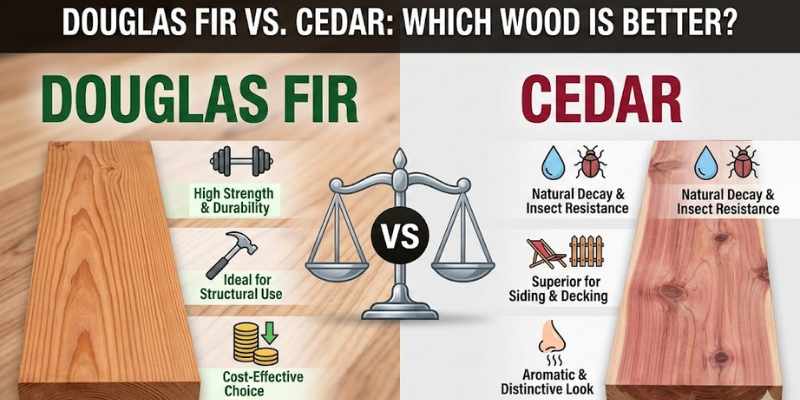
Picking the right wood for your project can seem tricky. You see lots of choices, and it’s easy to get confused. Many people wonder about Douglas Fir vs Cedar: Which Wood Is Better? because they both look good and are popular.
Don’t worry, though! This guide will make it super simple. We’ll walk through everything step-by-step, so you can pick the best wood for your needs.
Get ready to learn about what makes each wood special!
Douglas Fir vs Cedar What’s The Difference
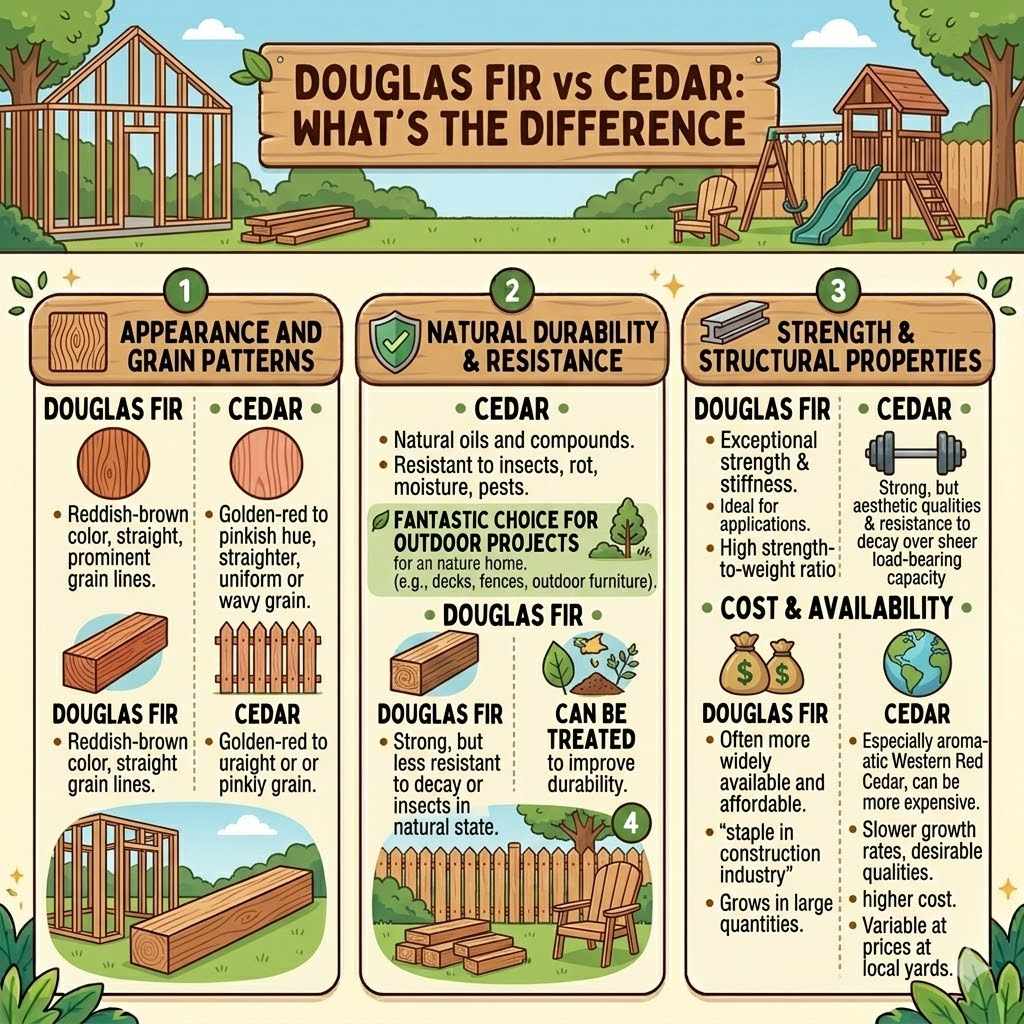
Choosing between Douglas Fir and Cedar can feel like a puzzle, especially for folks new to woodworking or home improvement. Both woods are beautiful and strong, but they have distinct qualities that make them shine in different situations. This section will lay out the basic differences, helping you see why one might be a better fit for your project than the other.
We’ll cover their core characteristics so you can start building a clear picture of your options.
Appearance and Grain Patterns
Douglas Fir typically has a warm, reddish-brown color. Its grain is often straight and can have prominent lines, giving it a sturdy, traditional look. This makes it a popular choice for beams, framing, and furniture where a strong visual presence is desired.
The wood can range from light yellow to a deep reddish-brown, depending on how it’s cut.
Cedar, on the other hand, often has a lighter, more golden-red or pinkish hue. Its grain can be straighter and more uniform than Douglas Fir, or it can be wavy, adding a bit of visual interest. Many types of cedar are known for their beautiful natural patterns and rich colors.
This visual appeal makes cedar a favorite for decorative projects and outdoor structures where beauty is as important as function.
Natural Durability and Resistance
One of the biggest factors in choosing between Douglas Fir and Cedar is their natural resistance to the elements. Cedar wood is famous for its natural oils and compounds, which make it very resistant to insects and rot. This means cedar can stand up to moisture and pests without needing a lot of extra treatment.
It’s a fantastic choice for outdoor projects like decks, fences, and outdoor furniture.
Douglas Fir is also a strong wood, but it’s not as naturally resistant to decay or insect attack as cedar. While it can be treated to improve its durability, in its natural state, cedar generally outperforms Douglas Fir in environments where moisture or bugs are a concern. For indoor projects or where the wood will be well-protected, Douglas Fir’s strength is often more than enough.
Strength and Structural Properties
Douglas Fir is renowned for its exceptional strength and stiffness. It’s one of the strongest softwood species available, making it ideal for structural applications. This includes framing walls, building floors, and creating heavy-duty beams.
Its high strength-to-weight ratio means it can support significant loads without being excessively heavy.
Cedar is also strong, but it is generally not as strong as Douglas Fir. While it can be used for certain structural elements, it is more often chosen for its aesthetic qualities and resistance to decay rather than its sheer load-bearing capacity. If your project demands maximum structural integrity, Douglas Fir often takes the lead.
Cost and Availability
The price and availability of wood can change based on your location and the current market. Generally, Douglas Fir is often more widely available and can be more affordable than many types of cedar. This is because Douglas Fir grows in large quantities and is a staple in the construction industry in many regions.
Cedar, particularly certain aromatic varieties like Western Red Cedar, can be more expensive. This higher cost is often due to its desirable aesthetic qualities, natural durability, and sometimes slower growth rates. However, the price difference can vary, and it’s always a good idea to check local lumber yards for the most accurate pricing.
Douglas Fir vs Cedar For Outdoor Projects
When you’re building something that will live outside, like a deck or a fence, the wood you choose needs to be tough. It has to deal with rain, sun, and sometimes even snow. This is where the natural qualities of wood really matter.
We’ll look at how Douglas Fir and Cedar stack up for these challenging jobs.
Best Cedar Types for Outdoor Use
Several types of cedar stand out for their outdoor performance. Western Red Cedar is a top choice. It’s naturally resistant to rot, decay, and insect damage, making it perfect for anything exposed to the weather.
Its beautiful reddish-brown color ages gracefully, and it has a pleasant aroma.
Another good option is Eastern White Cedar. While not quite as durable as Western Red Cedar, it’s still quite resistant to decay and insects. It has a lighter color and a finer grain.
Alaskan Yellow Cedar is also very durable and strong, offering excellent resistance to rot and insects, often with a yellowish hue.
These cedars are chosen because their natural oils act as a protective barrier. These oils, called extractives, deter pests and prevent fungal growth that causes wood to rot. This means less need for chemical treatments, making cedar a more eco-friendly choice for many outdoor applications.
Douglas Fir in Outdoor Settings
Douglas Fir can be used outdoors, but it requires more care than cedar. While it’s a strong wood, it doesn’t have the same natural defense against moisture and insects. If you plan to use Douglas Fir outside, it’s essential to protect it properly.
This usually means applying a good quality sealant, stain, or paint.
You’ll also need to ensure good drainage around any Douglas Fir structures. Keeping the wood from sitting in standing water will greatly extend its life. Proper maintenance, including regular reapplication of protective finishes, is key to preventing issues like rot and insect infestation.
Without this protection, Douglas Fir will not last as long outdoors as cedar will.
Comparison Table Outdoor Use
| Feature | Douglas Fir | Cedar |
|---|---|---|
| Rot Resistance | Moderate (requires treatment) | Excellent (natural) |
| Insect Resistance | Moderate (requires treatment) | Excellent (natural) |
| Durability in Wet Conditions | Lower (prone to rot if not protected) | Higher (resists moisture well) |
| Maintenance | High (needs regular sealing/staining) | Lower (can be left unfinished to weather naturally) |
| Best For | Structural framing (if protected) | Decks, fences, siding, outdoor furniture |
As the table shows, cedar has a clear advantage for most outdoor projects due to its natural resistance. Douglas Fir is still an option, but it demands more effort to ensure it lasts.
Douglas Fir vs Cedar For Indoor Projects
Inside your home, the demands on wood are different. Aesthetics, workability, and how well it takes finishes often become more important than extreme weather resistance. Both Douglas Fir and Cedar can look beautiful indoors, but they offer different looks and benefits.
Let’s explore how they compare for interior use.
Aesthetic Appeal Indoors
Douglas Fir offers a warm, inviting look that is very popular for interior design. Its strong grain patterns can add character to furniture, paneling, and even structural beams that are left exposed. The reddish-brown tones can create a cozy atmosphere.
It’s a wood that feels solid and traditional.
Cedar’s lighter color and often more uniform grain can lend a brighter, more contemporary feel to indoor spaces. Its natural aroma can also be a pleasant bonus, especially in closets or small rooms. Many people appreciate cedar for its beauty and the subtle elegance it brings to a room.
Finishing and Workability
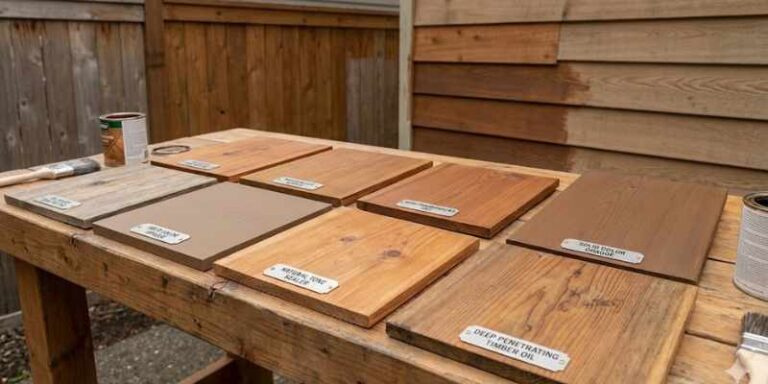
Douglas Fir is generally easy to work with. It cuts, sands, and finishes smoothly, allowing for a wide range of finishes, from clear coats that highlight its natural grain to stains that can alter its color. Its strength means it holds nails and screws well, which is important for construction and furniture making.
Cedar can also be worked with relative ease. However, some types of cedar can be a bit softer, so care might be needed to avoid denting or scratching. When it comes to finishes, cedar takes them well, but its natural oils can sometimes affect how certain finishes adhere, especially stains.
It’s often best to test a finish on a scrap piece first.
Applications for Interior Use
Douglas Fir is a fantastic choice for interior framing, especially if you plan to leave beams exposed for a rustic look. It’s also great for doors, window frames, and custom cabinetry where strength and a natural wood appearance are desired. Its durability makes it suitable for high-traffic areas.
Cedar is frequently used for closet lining because of its moth-repelling aroma. It’s also popular for decorative paneling, accent walls, and high-end furniture. Its natural beauty makes it a prime candidate for projects where the wood itself is a key design element.
Case Study: A Cozy Cabin Retreat
Imagine building a small cabin. For the main structural beams and framing, the builder chose Douglas Fir. Its strength was essential for supporting the roof and walls.
The builder decided to leave some of these beams exposed inside the cabin.
For the interior walls and ceilings, the builder opted for Western Red Cedar paneling. The lighter, warm tones of the cedar created a cozy and inviting atmosphere, a perfect contrast to the robust Douglas Fir. The natural scent of cedar also added to the cabin’s charm.
This combination showcased the best of both woods: Douglas Fir for its structural integrity and Cedar for its aesthetic appeal and ambiance.
Douglas Fir vs Cedar Which Wood Is Better For Specific Needs
So, which wood is truly “better”? The answer isn’t a simple yes or no. It really depends on what you’re trying to achieve with your project.
By looking at your specific needs, you can make the right choice. We’ll break down some common scenarios to help you decide.
When to Choose Douglas Fir
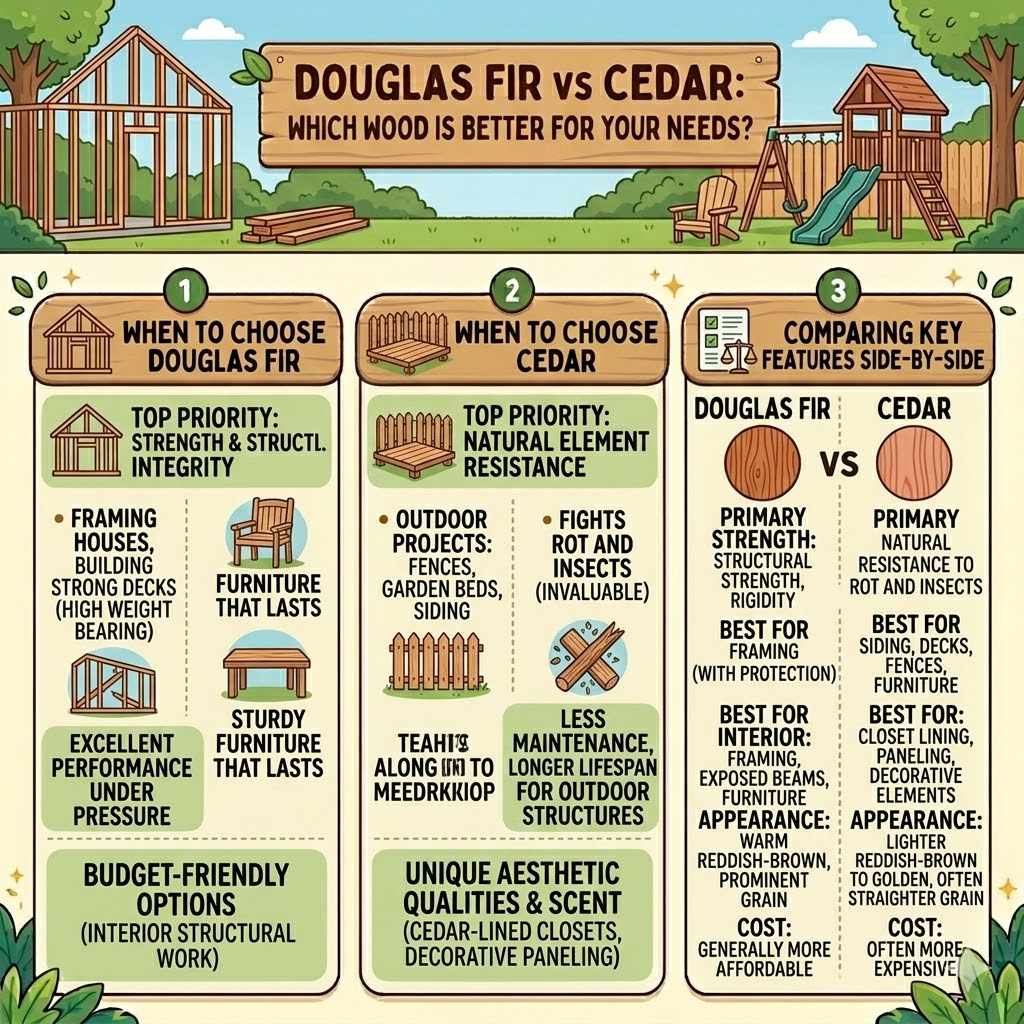
You should lean towards Douglas Fir when strength and structural integrity are your top priorities. This is the go-to wood for framing houses, building strong decks that will bear a lot of weight, or creating sturdy furniture that needs to last. If you are building something that will be painted or stained and you need a wood that holds up well under pressure, Douglas Fir is an excellent candidate.
Think of projects like the skeleton of a house. The framing must be strong to hold everything up. Douglas Fir is a top performer here.
It’s also a good choice if you are looking for a more budget-friendly option that still offers excellent performance, especially for interior structural work.
When to Choose Cedar
Choose cedar when natural resistance to the elements is crucial, or when you desire its unique aesthetic qualities. For outdoor projects like fences, garden beds, or siding, cedar’s natural ability to fight rot and insects is invaluable. It means less maintenance and a longer lifespan for your outdoor structures.
If you’re building a beautiful deck that you want to enjoy for years with minimal fuss, cedar is often the preferred choice. It’s also excellent for indoor projects where a specific look or scent is desired, like cedar-lined closets or decorative interior paneling. Its natural beauty often means it’s left unfinished to weather naturally.
Comparing Key Features Side-by-Side
| Feature | Douglas Fir | Cedar |
|---|---|---|
| Primary Strength | Structural strength, rigidity | Natural resistance to rot and insects |
| Best For Exterior | Framing (with protection) | Siding, decks, fences, furniture |
| Best For Interior | Framing, exposed beams, furniture | Closet lining, paneling, decorative elements |
| Appearance | Warm reddish-brown, prominent grain | Lighter reddish-brown to golden, often straighter grain |
| Cost | Generally more affordable | Often more expensive |
This comparison highlights that neither wood is universally “better.” They are better suited for different jobs based on their inherent properties.
Scenario: Building a Backyard Deck
Let’s say you’re planning to build a new deck. You want it to look great and last for many years without constant upkeep. Your climate is often damp, with occasional insect activity.
In this case, cedar would likely be the superior choice. Its natural resistance means it will handle the moisture and bugs better than Douglas Fir. You’d spend less time and money on sealants and repairs over the deck’s lifetime.
Scenario: Framing a House Extension
Now, imagine you’re adding a new room to your house. The priority here is structural integrity. The new walls and roof need to be strong and stable.
Douglas Fir would be an excellent choice for framing this extension. Its sheer strength and stability make it ideal for load-bearing applications. While cedar is strong, Douglas Fir is generally preferred for this kind of heavy-duty structural work.
Frequently Asked Questions
Question: Is Douglas Fir or Cedar better for outdoor furniture
Answer: Cedar is generally better for outdoor furniture because of its natural resistance to rot and insects, meaning it will last longer with less maintenance compared to Douglas Fir.
Question: Which wood is stronger Douglas Fir or Cedar
Answer: Douglas Fir is generally stronger and more rigid than cedar, making it better suited for structural applications that require high load-bearing capacity.
Question: Can I use Douglas Fir for an exterior fence
Answer: Yes, you can use Douglas Fir for an exterior fence, but it requires regular sealing and maintenance to protect it from rot and insect damage. Cedar is a more naturally resistant option.
Question: Is Cedar more expensive than Douglas Fir
Answer: Cedar is typically more expensive than Douglas Fir, especially for premium varieties like Western Red Cedar, due to its natural durability and aesthetic appeal.
Question: Which wood is easier to stain Douglas Fir or Cedar
Answer: Douglas Fir is generally easier to stain evenly because it doesn’t have the same natural oils that can sometimes interfere with stain adhesion in cedar.
Summary
Douglas Fir and Cedar are both wonderful woods with distinct strengths. Douglas Fir excels in structural strength, making it perfect for framing and heavy-duty tasks. Cedar shines with its natural resistance to rot and insects, ideal for outdoor projects.
Consider your project’s needs for durability, appearance, and budget to make the best choice.