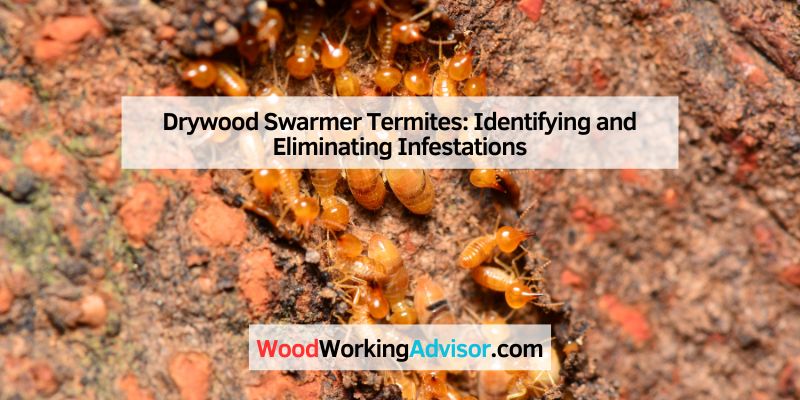
Drywood Swarmer Termites: Identifying and Eliminating Infestations
Termites can cause severe damage to wooden structures. Drywood swarmer termites are a specific type of termite that can be particularly destructive.
Drywood swarmer termites live inside the wood they consume. Unlike other termites, they do not need soil contact. They can infest and destroy wooden furniture, homes, and structures. Understanding these termites is crucial to protecting your property. In this blog post, we will explore the behavior, signs of infestation, and prevention methods for drywood swarmer termites.
Knowing what to look for and how to act quickly can save you from expensive repairs. Stay tuned to learn how to keep your home safe from these silent destroyers.

Credit: thrasherpestcontrol.com
Introduction To Drywood Swarmer Termites
Drywood swarmer termites are tiny insects that live inside wood. They create tunnels and can damage wooden structures. Identifying these termites early can help prevent serious harm to your home.
Drywood swarmer termites are a common pest in many homes. These termites can cause significant damage. Understanding their characteristics and habitats is essential.
Overview Of Characteristics
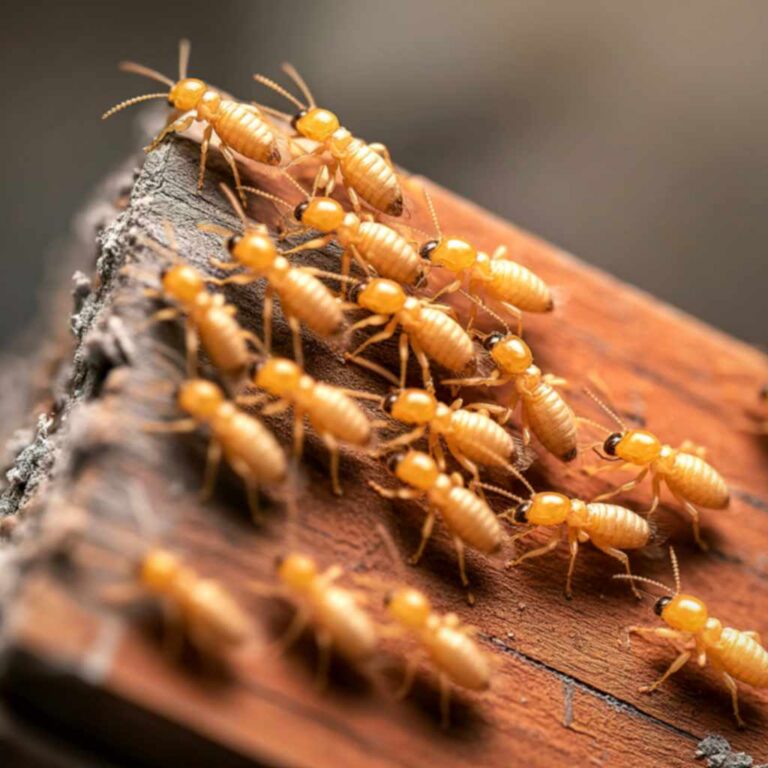
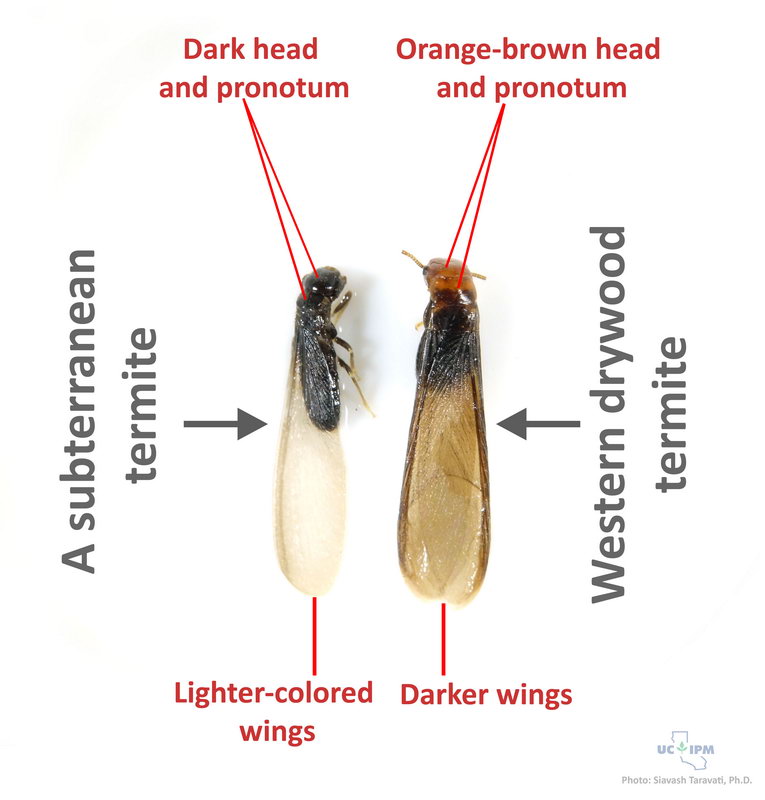
Drywood swarmer termites are small insects. They have a light brown color. Their bodies are about half an inch long. They have two pairs of wings. These wings are equal in size. The wings are longer than their bodies. Swarmer termites have straight antennae. Unlike other termites, they do not need moisture.
Common Habitats
Drywood swarmer termites prefer dry wood. They live in furniture, beams, and floors. They infest doors and window frames. They avoid contact with soil. These termites enter homes through cracks. They also enter through unsealed joints. They thrive in warm climates. Coastal areas are common habitats. They are found in attics and wooden structures.
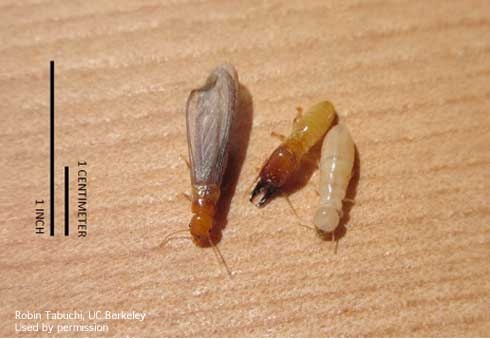
Credit: ucanr.edu
Signs Of Infestation
Identifying a drywood swarmer termite infestation early can prevent severe damage. Recognizing the signs can help you act quickly. Below are some common indicators.
Visible Damage
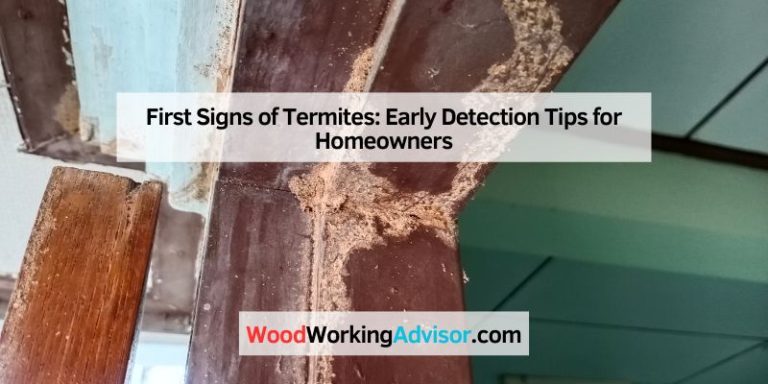
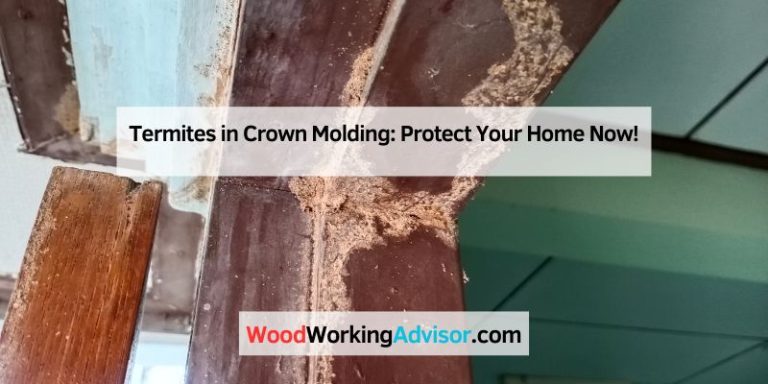
Drywood termites cause visible damage to wood structures. Look for small holes in wood surfaces. These holes are exit points for swarmers. The wood may sound hollow when tapped. This indicates internal damage. You might also see blistering paint or crumbling wood. These are telltale signs.
Droppings And Frass
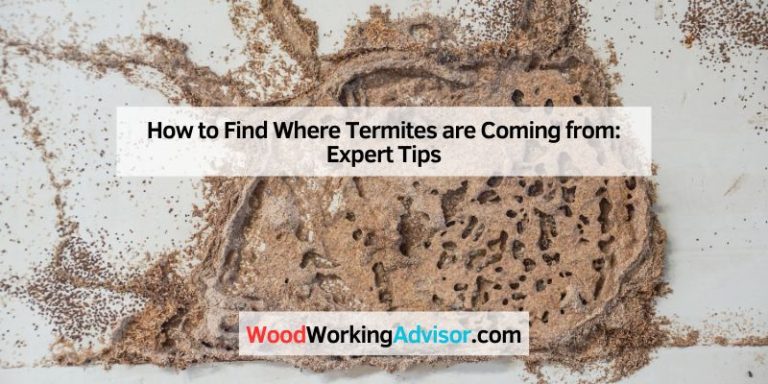
Termites leave behind droppings known as frass. Frass looks like small wood-colored pellets. You will find these around infested areas. Check windowsills and floors. Finding frass is a clear sign of an infestation. It means termites are active inside the wood.
Discarded Wings
Swarming termites shed their wings after finding a new home. You might see discarded wings near windows or light sources. These wings are small and translucent. Finding them indoors is a strong indicator of a termite problem. It suggests that termites have entered your home.
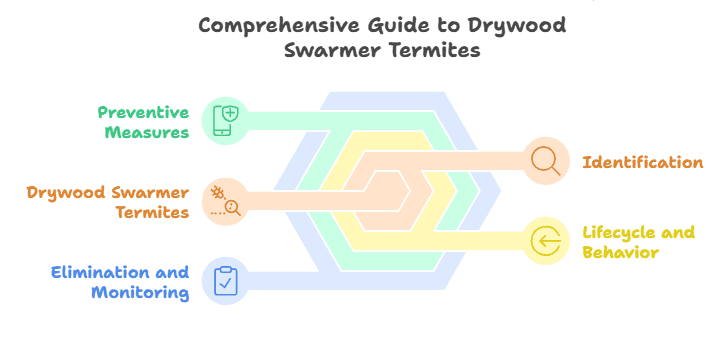
Lifecycle And Behavior
Drywood swarmer termites are fascinating insects with a unique lifecycle. Understanding their behavior helps in managing infestations effectively. These termites live entirely within wood, thriving in dry conditions.
Reproduction And Swarming
Drywood swarmer termites reproduce during the warm months. Winged reproductive termites, known as swarmers, leave their colony to mate and establish new colonies. Swarming usually occurs in the late afternoon or early evening. After mating, they shed their wings and start burrowing into wooden structures.
Nesting Habits
These termites create colonies within wooden materials. They do not need soil contact. Their nests are small and can be hard to detect. Drywood termites consume wood from the inside out. They create intricate networks of tunnels and chambers. This nesting behavior makes early detection challenging.
Preventive Measures
Dealing with Drywood Swarmer Termites can be a real headache. These tiny pests can cause big problems if not taken care of. The good news? There are several preventive measures you can take to keep them away from your home. Let’s dive into some simple but effective steps to protect your property.
Home Maintenance Tips
Regular home maintenance is your first line of defense against termites. Here are some tips to get you started:
- Fix leaks promptly: Termites thrive in moist environments. Repair any leaks in your roof, walls, or pipes to keep your home dry.
- Clean gutters: Clogged gutters can lead to water accumulation, which attracts termites. Make sure to clean them regularly.
- Ventilate crawl spaces: Proper ventilation reduces moisture levels. Ensure your crawl spaces are well-ventilated.
- Remove debris: Wood debris and mulch around your home can be termite magnets. Keep these areas clean and free of wood.
Wood Treatment Options
Treating wood is another effective way to prevent termite infestations. Here are some options you can consider:
- Boron treatments: Boron is a natural mineral that can be applied to wood. It helps repel termites and other pests.
- Pressure-treated wood: This type of wood is treated with chemicals that deter termites. Use it for construction or repairs.
- Sealants: Applying sealants to wood surfaces can create a barrier that termites cannot penetrate.
- Essential oils: Some essential oils, like orange oil, can be used as a natural termite repellent. Apply them to wooden structures as a preventive measure.
By following these tips and treatments, you can keep your home safe from Drywood Swarmer Termites. Remember, a little prevention goes a long way. Take these steps now to avoid bigger problems later.
Inspection Techniques
Drywood swarmer termites can cause serious damage to wooden structures. Identifying their presence early is crucial. Effective inspection techniques help in detecting these pests before they cause significant damage. Here are some key methods to inspect for Drywood swarmer termites.
Professional Inspection
Professional inspectors have the tools and expertise needed to detect termites. They use moisture meters to find areas with high moisture. Termites thrive in such conditions. Professionals also use listening devices to hear termites inside walls. They can identify termite droppings, also known as frass. This is a telltale sign of an infestation. Hiring a professional ensures a thorough inspection of your property.
DIY Inspection Methods
You can perform a basic inspection yourself. Look for termite droppings around wooden structures. These are small, pellet-like substances. Check for tiny holes in wood surfaces. These may be exit holes from swarming termites. Tap on wooden surfaces. Hollow sounds can indicate internal damage by termites. Use a flashlight to inspect dark areas. Look for discarded wings near windowsills and doors. These are signs of swarming termites. Regular DIY inspections can help detect early signs of termite activity.
Credit: urbanipmsocal.com
Elimination Methods
Drywood Swarmer Termites can cause significant damage to your home. Understanding the methods to eliminate them is crucial. Different techniques help target and eradicate these pests effectively. Below are two primary methods to consider.
Chemical Treatments
Chemical treatments are one of the most common ways to eliminate termites. Liquid termiticides create a barrier around your home. This barrier prevents termites from entering and kills those inside. Fumigation is another chemical method. It involves enclosing the structure and introducing a gas that penetrates wood and kills termites. Both methods require professional application.
Non-chemical Solutions
Non-chemical solutions focus on physical and natural methods. Heat treatment is effective and involves heating the infested area to lethal temperatures. Cold treatment, or freezing, targets smaller infestations. You can also use natural predators like nematodes. These tiny worms feed on termite larvae. Borate treatments are another non-chemical method. They involve applying borate solutions to wood, which prevents termite infestations.
Professional Pest Control
Dealing with Drywood Swarmer Termites can be a real headache. These pests can cause serious damage to your home if left untreated. When it comes to getting rid of them, professional pest control is often the best solution. Let’s dive into what hiring a professional entails and what you should expect from the process.
Hiring An Exterminator
So, you’ve decided to hire an exterminator. Good choice! Here’s what you need to know:
- Research: Look for companies with good reviews and solid reputations. Ask friends and neighbors if they have any recommendations.
- Licensing and Certification: Ensure the exterminator is licensed and certified. This guarantees they are trained to handle the job.
- Experience: Check if they have experience dealing specifically with Drywood Swarmer Termites.
- Quotes: Get quotes from multiple companies. This helps you compare prices and services.
For example, when I first dealt with termites, I talked to three different companies. Each offered different methods and prices, but in the end, I chose the one that felt right for my needs.
What To Expect
Wondering what happens next? Here’s a breakdown:
- Inspection: The exterminator will inspect your home to find the termite colonies. They’ll look for signs of damage and nests.
- Treatment Plan: They’ll discuss the best treatment plan with you. This might include fumigation, heat treatments, or localized treatments.
- Execution: The extermination process begins. It might take a few hours to a few days, depending on the method.
- Follow-Up: After treatment, the exterminator will schedule follow-ups to ensure the termites are gone for good.
When I had my home treated, the exterminator was very thorough. They explained every step and made sure I understood what was happening. It made the whole process much less stressful.
Remember, dealing with termites is not a DIY job. Professional pest control ensures that the problem is handled efficiently and effectively. Keep these tips in mind, and you’ll be on your way to a termite-free home.
Long-term Monitoring
Hey friends, today we’ll talk about Drywood Swarmer Termites and why long-term monitoring is key to keeping them at bay. The good news? It’s not as hard as it sounds. We’ll break it down into bite-sized pieces. Ready to dive in?
Regular Inspections
First things first, let’s talk about regular inspections. Think of it like going to the doctor for a check-up. You catch problems early before they become big issues. It’s the same with termites. Regular inspections help you spot any signs of these pesky critters before they cause serious damage.
Here’s how you can make it easier:
- Set a schedule. Maybe every six months.
- Check common problem areas like wooden structures.
- Use a flashlight to see better in dark corners.
During my last inspection, I found a small hole in a wooden beam. It looked harmless, but the inspector said it was a termite entry point. Good thing we caught it early!
Maintenance Plans
Now, onto maintenance plans. Just like your car needs regular oil changes to run smoothly, your home needs a plan to stay termite-free. Here’s a simple plan you can follow:
- Seal cracks and crevices in walls and foundations.
- Keep wooden structures dry and well-ventilated.
- Remove any dead wood or plant debris from around your home.
Think of this as giving your home a little TLC. It’s worth it in the long run. A friend of mine followed a maintenance plan and hasn’t seen a termite in years. It really works!
Remember, keeping termites away is a marathon, not a sprint. With regular inspections and a solid maintenance plan, you’ll keep those pesky termites at bay.
Frequently Asked Questions
Do Swarmers Mean I Have Termites?
Yes, swarmers usually indicate you have termites. They are winged reproductive termites looking to establish new colonies.
What Is A Drywood Termite Swarmer?
A drywood termite swarmer is a reproductive termite. It leaves the colony to start a new one. They have wings and are attracted to light.
How Long Does It Take Drywood Termites To Destroy A House?
Drywood termites can destroy a house in 3-8 years, depending on colony size and infestation severity. Regular inspections help.
Are Drywood Termites Serious?
Yes, drywood termites are serious. They can cause significant damage to wooden structures. Early detection and treatment are crucial to prevent extensive harm.
Conclusion
Drywood swarmer termites can cause serious damage to your home. Act quickly if you suspect an infestation. Regular inspections help prevent costly repairs. Maintain proper ventilation and reduce moisture. Seal cracks and gaps in your home. Consider professional pest control services for peace of mind.
Protect your home and keep it termite-free. Taking these steps ensures a safe, durable living space. Stay vigilant and proactive against drywood swarmer termites. Your home deserves the best care and attention.