Exterior Signs of Termites: Identifying Infestations Early
Termites can cause significant damage to homes. Spotting them early can save you from costly repairs.
Termites often work silently, hidden from view. Yet, they leave behind clear signs that can alert you to their presence. Knowing what to look for can help you catch an infestation before it gets out of control. In this blog post, we will explore the key exterior signs of termites.
By understanding these indicators, you can take action quickly to protect your home. Keep reading to learn what to watch for and how to respond if you suspect these unwelcome guests are lurking around your property. Stay informed, stay vigilant, and safeguard your home from termite damage.
Common Termite Types
Termites are silent destroyers, often causing significant damage before being detected. Understanding the common termite types can help in early identification and prevention. Different termite species exhibit unique behaviors and signs. In this section, we will explore the two primary types of termites: subterranean and drywood termites.
Subterranean Termites
Subterranean termites are the most common and destructive type. They live in colonies underground and build mud tubes for access to food. These termites require moisture to survive. They usually enter homes through wood in contact with soil. Signs of subterranean termites include mud tubes along walls and foundation. You may also notice damaged wood that sounds hollow when tapped.
Drywood Termites
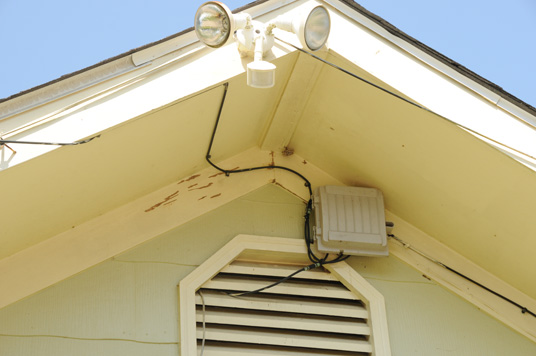
Drywood termites differ from subterranean termites in their habitat. They infest dry wood and do not need soil contact. Drywood termites are often found in roof materials and wooden wall supports. They create colonies inside the wood they consume. Signs of drywood termites include small piles of wood dust, known as frass. You may also see tiny holes in wood surfaces, where they have entered or exited.
Credit: content.ces.ncsu.edu
Visible Mud Tubes
Hey friends, today we’re diving into the world of termites. Specifically, we’re talking about visible mud tubes. These little guys are a sure sign that termites are around. They build these tubes to protect themselves while they move from the ground to their food source. Let’s explore more about these mud tubes.
Tube Locations
So, where can you find these mud tubes? Well, termites are sneaky. They often build their tubes in hidden places. Here are some common spots:
- Along the foundation of your house
- Inside crawl spaces
- Underneath wooden structures
- In basements and attics
Last summer, I found some mud tubes in my basement. I was shocked! But knowing where to look helped me catch them early.
Tube Appearance
What do these mud tubes look like? They’re usually thin, about the width of a pencil, and brown in color. They look like small dirt paths. Here’s a quick breakdown:
| Feature | Description |
|---|---|
| Color | Brown |
| Size | Width of a pencil |
| Texture | Smooth outside, dirt inside |
Seeing these tubes can be alarming. But don’t worry, catching them early can save your home. The good news? Recognizing their appearance is the first step.
So keep an eye out for these signs. Termites might be small, but their impact can be big. Stay vigilant and protect your home!
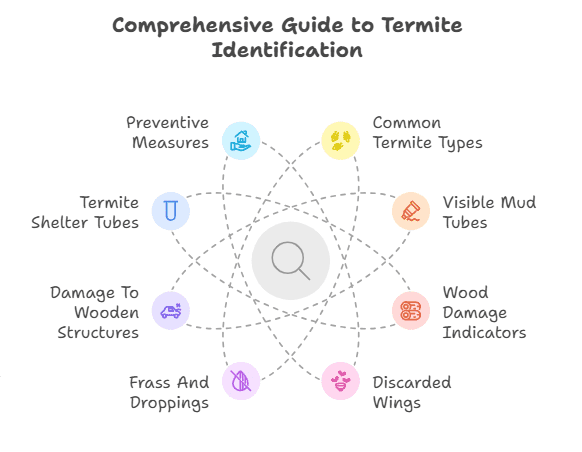
Wood Damage Indicators
Termites can cause significant damage to wood structures. Knowing the signs can help you address the problem early. This section focuses on wood damage indicators. These signs often reveal a termite infestation. Look for these indicators to protect your property.
Hollow Sounds
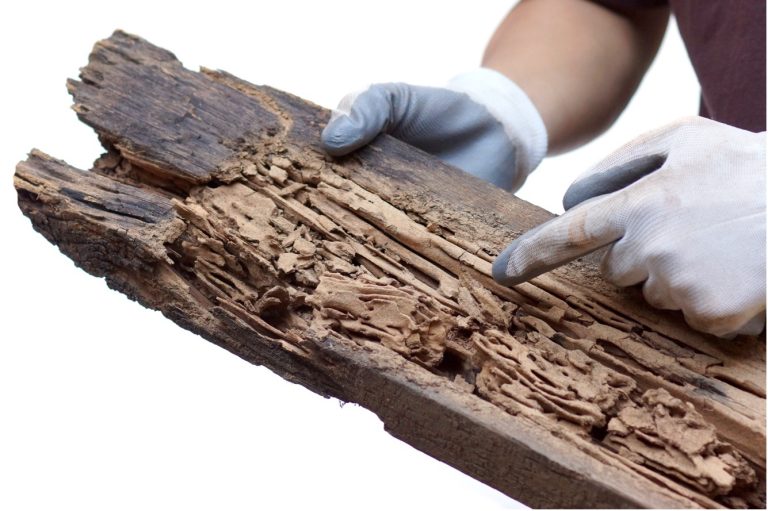
Knock on wooden structures around your home. If the wood sounds hollow, termites may be present. These pests eat the wood from the inside out. This leaves a thin outer layer, which can make the wood sound empty.
Cracked Or Bubbling Paint
Inspect the paint on wooden surfaces. Cracked or bubbling paint can indicate termites. They create tunnels underneath the wood. This causes the surface to warp or blister. Damaged paint can be an early sign of termite activity.

Credit: www.planetnatural.com
Discarded Wings
Spotting discarded wings around your home can be alarming. These wings are a key sign of a termite infestation. Termites, especially swarmers, shed their wings after mating. This is a clear sign that they are establishing a new colony. Understanding the details about discarded wings can help you identify an infestation early.
Swarmer Identification
Swarmer termites are winged termites. They emerge from the nest to mate and start new colonies. They have straight antennae, a broad waist, and two pairs of wings of equal size. These termites are often confused with flying ants. But ants have elbowed antennae, a narrow waist, and uneven wings.
Wing Locations
Finding discarded wings inside your home is a red flag. Look around windowsills, doors, and other light sources. Termites are attracted to light. They often shed their wings in these areas. Outdoors, check near the foundation and in spider webs. Wings here indicate termites have been around.
Frass And Droppings
Hey there! Today, we’re going to talk about a pesky problem you might find around your house: termites. Specifically, we’ll focus on what they leave behind – frass and droppings. This might sound a bit gross, but it’s important to know what to look for. Trust me, it could save you a lot of trouble down the road. Let’s dive in!
Color And Texture
So, what exactly is frass? Think of it as termite poop. It might not be pleasant, but it’s a huge clue. The color can vary. Usually, it’s brown or beige. Sometimes, it can even look a bit like sawdust.
The texture is also key. Frass is often dry and crumbly. If you see something that looks like fine coffee grounds or tiny wood pellets, pay attention. It could be a sign of termites.
Common Areas
Okay, now you know what frass looks like. But where should you look for it? Here are some common spots:
- Window sills
- Baseboards
- Near wooden furniture
- Attics and basements
These are areas where termites often hide. If you spot frass in these places, it’s time to take action.
I’ll share a quick story. Last year, my neighbor found tiny piles of frass in her basement. She thought it was just dust. But after a closer look, she realized it was termite droppings. She called a pest control expert and avoided a big headache. The lesson? Don’t ignore the signs.
So, keep an eye out for frass and droppings. It might seem like a small thing, but it can make a big difference. Stay vigilant, and you’ll protect your home from those pesky termites.
Credit: extension.msstate.edu
Damage To Wooden Structures
Hey there! Have you noticed something unusual about the wooden parts of your home? Maybe you’ve seen small holes or cracks. If so, you might be dealing with termites. Termites love to munch on wood. And if left unchecked, they can cause serious damage. Let’s dive into a few key areas where termite damage is often seen.
Foundation Damage
Termites can wreak havoc on your home’s foundation. They often start at the ground level, working their way up. Here’s what you should look for:
- Mud tubes: These are small tunnels made of mud. Termites build them to travel safely.
- Hollow wood: Tap on the foundation. If it sounds hollow, termites might have eaten away the inside.
- Cracked paint: Termites can cause wood to swell, leading to cracks in the paint.
If you see any of these signs, it’s time to call a professional. Trust me, I’ve been there. Ignoring the problem only makes it worse.
Furniture And Fixtures
Termites don’t just stop at the foundation. They love furniture and fixtures too. Here’s what to watch for:
- Small holes: These can be entry points where termites have burrowed into the wood.
- Wood dust: Look for tiny piles of sawdust. This is a sign termites are active.
- Loose tiles: If tiles become loose, it could be because termites have damaged the wood beneath them.
When my friend discovered termites in his antique furniture, he was heartbroken. He had to get it treated quickly to save his beloved pieces. Don’t wait until it’s too late.
| Sign | Description |
|---|---|
| Mud tubes | Small tunnels made of mud, used by termites to travel. |
| Hollow wood | Wood sounds hollow when tapped. |
| Cracked paint | Wood swelling causes paint to crack. |
| Small holes | Entry points where termites have burrowed. |
| Wood dust | Piles of sawdust indicating termite activity. |
| Loose tiles | Tiles become loose due to damage beneath. |
So, keep an eye on your wooden structures. Spotting these signs early can save you a lot of trouble. And money. Stay vigilant, and your home will thank you.
Termite Shelter Tubes
Termite shelter tubes are key indicators of a termite infestation. These tubes are essential for termites as they provide a safe passage from their colony to food sources. Recognizing these tubes can help you take action early and protect your property.
Tube Composition
Termite shelter tubes are made from soil, wood particles, and termite saliva. These materials create a sturdy, protective tunnel. The tubes protect termites from predators and dry conditions. They also help maintain the necessary moisture levels for termite survival.
Inspection Tips
Inspect your property for mud tubes along walls, foundations, and other structures. Focus on areas near the ground. Also, check for tubes around wooden structures, such as door frames and window sills. Use a flashlight to look in dark or hidden areas. Look for any signs of mud-like tubes branching out from the ground. If you find any, take action immediately. Contact a pest control professional to assess the situation.
Preventive Measures
Hey friends! Today, we’re diving into something really important – preventive measures to keep termites away from your home. These tiny pests can cause a lot of damage, and knowing how to prevent them is key. Let’s look at some simple steps you can take to protect your home. Trust me, it’s easier than you think!
Regular Inspections
First up, regular inspections. Think of this as a routine check-up for your home. Just like you visit the doctor to stay healthy, your home needs check-ups to stay termite-free. Here’s what you can do:
- Inspect your home every few months: Look for any signs of termites, like mud tubes or damaged wood.
- Check around windows and doors: Termites love these spots. Make sure there are no cracks or gaps.
- Hire a professional: Sometimes, it’s best to get an expert’s opinion. They know exactly where to look.
I remember when I first moved into my house, I didn’t think about termites at all. A few months later, I noticed some strange mud tubes. I called a professional, and thankfully, we caught the problem early. Regular inspections saved me a lot of trouble!
Moisture Control
Next, let’s talk about moisture control. Termites love moisture. It’s like a magnet for them. So, keeping your home dry can help a lot. Here’s how:
- Fix leaks immediately: If you see a leak, fix it right away. Don’t wait!
- Use a dehumidifier: This can help keep the air dry, especially in basements or crawl spaces.
- Ensure proper drainage: Make sure water flows away from your home’s foundation. You don’t want water pooling around your house.
One rainy season, I noticed water collecting near my basement. I quickly fixed the drainage issue, and it made a huge difference. No more moisture problems, and no termites!
So, there you have it. Regular inspections and moisture control are two simple but effective ways to keep termites at bay. Try these tips, and your home will thank you!
Frequently Asked Questions
How Do You Know If You Have Termites Outside?
Check for mud tubes, discarded wings, hollow-sounding wood, or visible termites. Inspect wooden structures and soil regularly.
What Does Exterior Termite Damage Look Like?
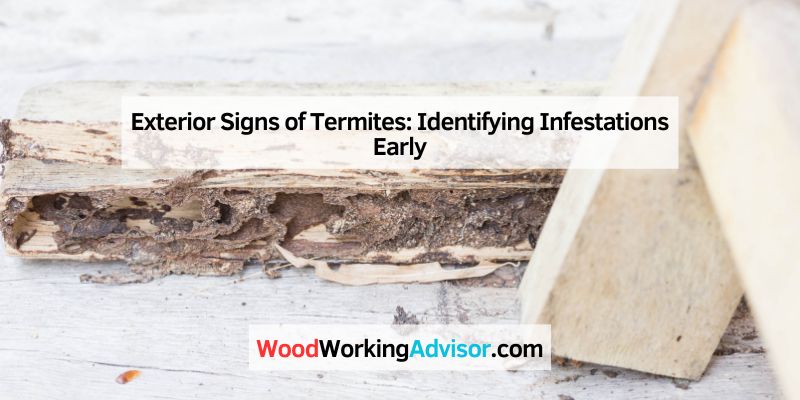
Exterior termite damage looks like hollowed or damaged wood. It may have visible tunnels, mud tubes, or blistered surfaces. Peeling paint and small holes can also indicate termite activity.
What Do Termites Look Like In Your Yard?
Termites in your yard look like small, white to light brown insects. They often resemble ants but have straight antennae. You might see them near woodpiles, mulch, or decaying wood. They can also create mud tubes along foundations or trees.
What Time Of Year Are Termites Most Active?
Termites are most active during warm months, typically from spring through summer. They thrive in temperatures between 75 and 95 degrees Fahrenheit.
Conclusion
Spotting termite signs early can save you from costly damage. Look for mud tubes, discarded wings, and droppings around your home. Wood damage and hollow sounds when tapped are red flags. Regular inspections help in detecting these pests early. Protect your home by staying vigilant.
Be proactive and act quickly to prevent termite infestations. Ensure peace of mind by addressing any signs immediately. Your home’s health depends on it. Stay informed and keep termites at bay.