Finding Dead Termites in Bathroom: Causes and Solutions
Discovering dead termites in your bathroom can be alarming. You might wonder what it means and what steps to take next.
Termites are known for causing significant damage to wooden structures. Finding them in your bathroom can indicate a problem that needs attention. Bathrooms often have the perfect conditions for termites – warmth, moisture, and wood. These pests can go unnoticed until the damage becomes severe.
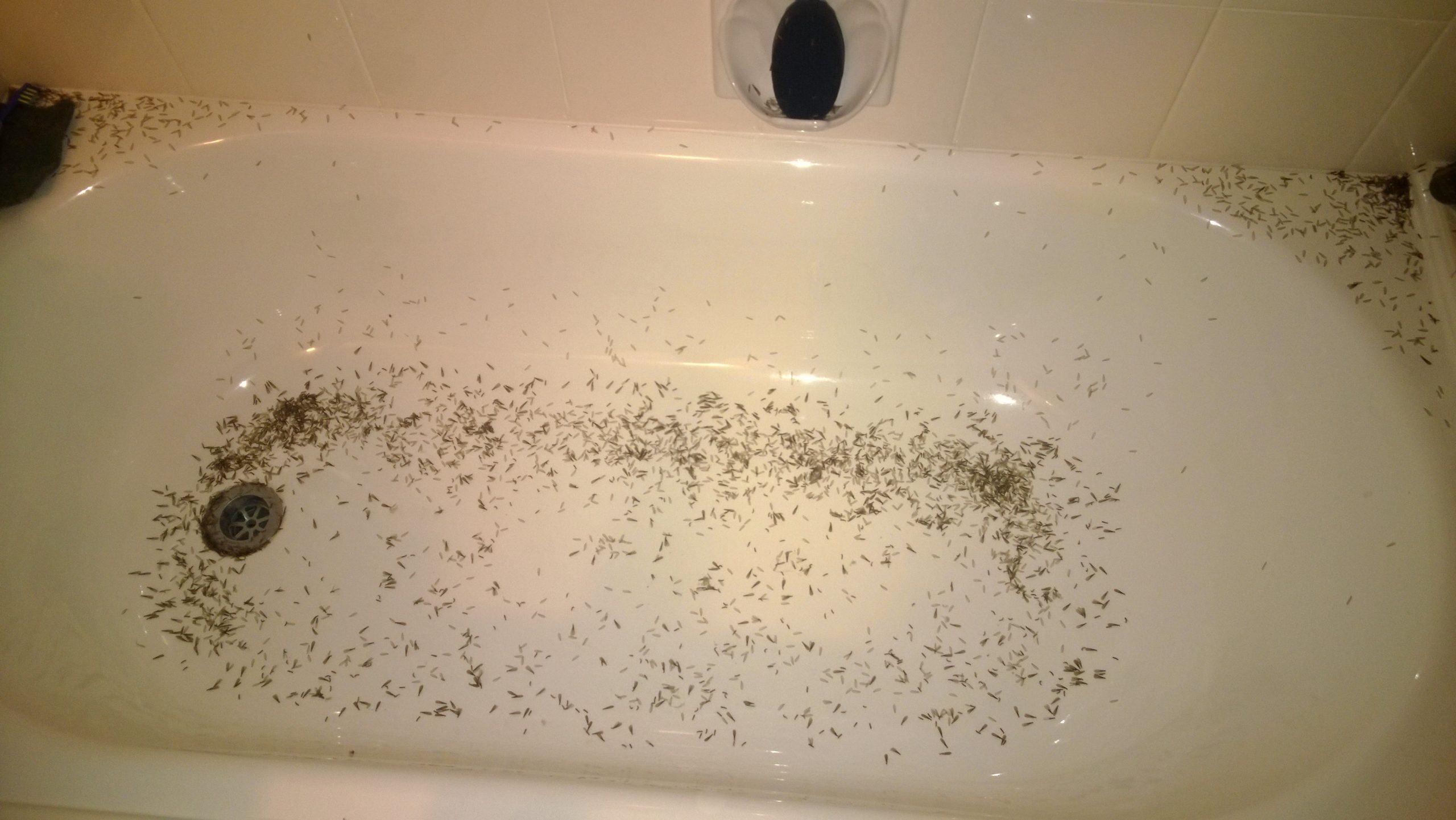
Spotting dead termites might mean there is a hidden infestation nearby. It’s crucial to understand why they are there and how to address the situation. This article will guide you through the potential reasons for their presence and the actions you should take to protect your home. Stay informed and proactive to prevent further issues.
Common Causes
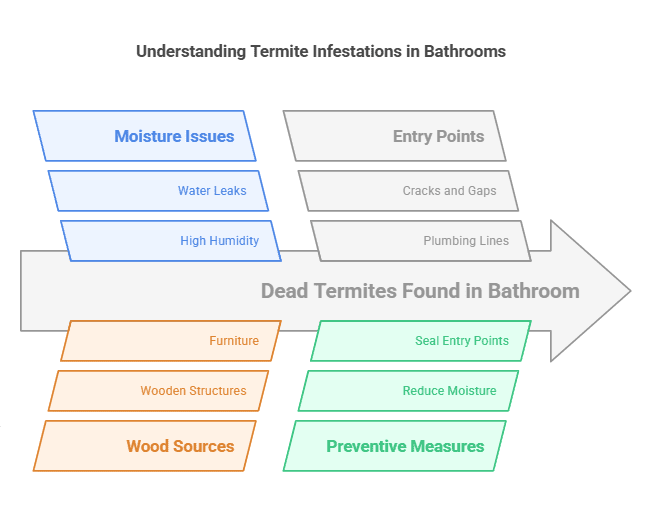
Dead termites in the bathroom often point to moisture issues. Leaks or damp areas attract these pests. Fixing plumbing problems and reducing humidity can help.
Finding dead termites in your bathroom can be alarming. Understanding the common causes helps in tackling the issue effectively. Two primary reasons often lead to termite infestations in bathrooms: moisture issues and wood sources.
Moisture Issues
Termites thrive in moist environments. Bathrooms often have high humidity levels. Leaky pipes, poor ventilation, or standing water can create perfect conditions. Termites are drawn to these damp areas. They need moisture to survive and reproduce.
Ensure your bathroom is dry and well-ventilated. Fix any leaks immediately. Use a dehumidifier if necessary. Regularly check for signs of water damage. This helps in preventing termite infestations.
Wood Sources
Bathrooms may have wooden structures. Cabinets, flooring, or even wall supports can attract termites. Wood sources provide food and shelter for termites. If the wood is untreated or damp, it becomes more inviting.
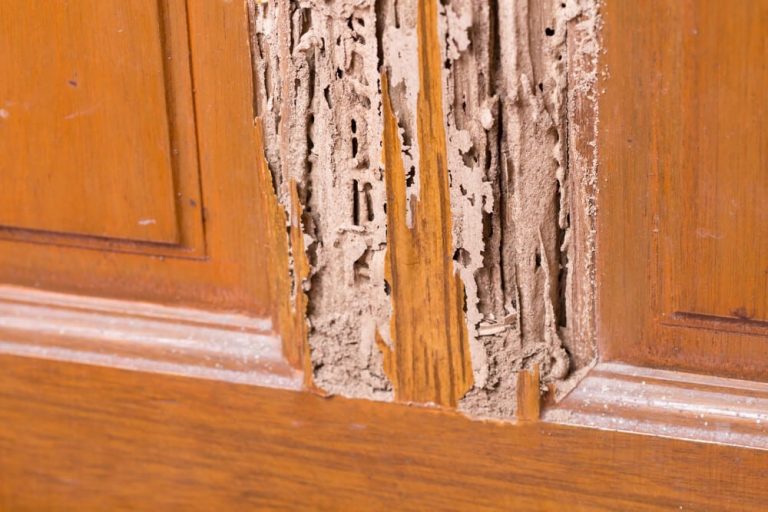
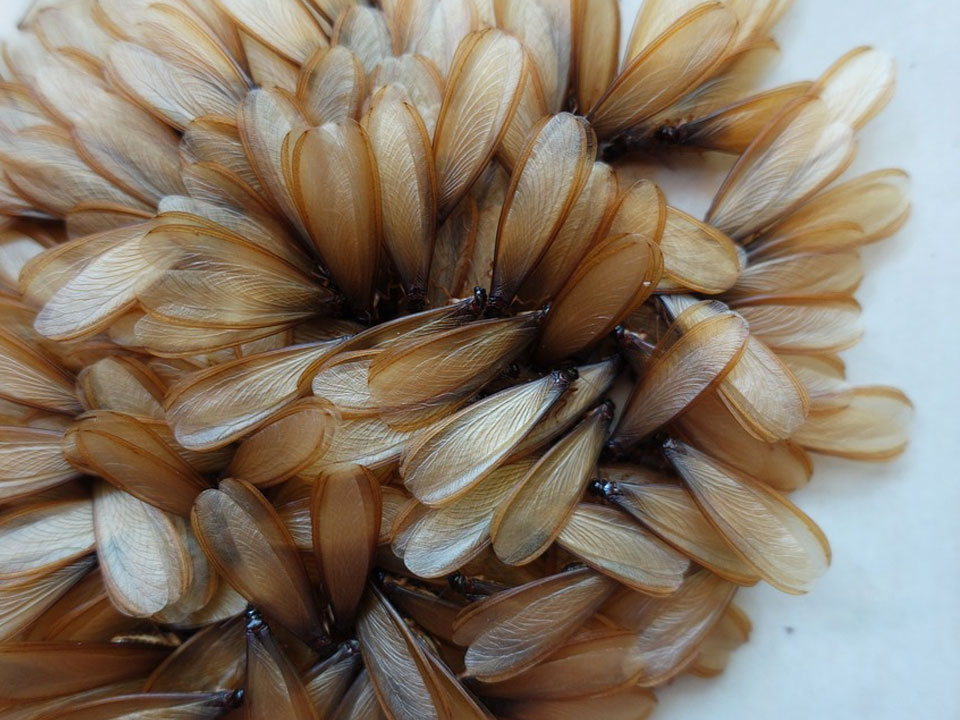
Inspect wooden areas regularly. Look for signs of termite activity. These include tiny holes, hollow-sounding wood, or piles of wings. Consider using treated wood or termite-resistant materials. Keep wooden items dry and clean. This reduces the risk of infestation.

Credit: www.reddit.com
Signs Of Infestation
Discovering dead termites in your bathroom often signals a termite infestation. These pests usually hide in damp, dark places. Act quickly to prevent damage to your home.
Hey friends, today let’s talk about something that might make your skin crawl. Finding dead termites in your bathroom is never a good sign. It means there’s a bigger problem lurking. So, how do you know if you have a termite infestation? There are some clear signs to look out for. Let’s dive into two main indicators: mud tubes and damaged wood.
Mud Tubes
One of the most obvious signs of termites is the presence of mud tubes. These are small tunnels that termites build to travel from their nest to a food source. They look like thin, dirty lines on your walls or floors.
Why are mud tubes important?
– Protection: Termites use these tubes for safety. They protect them from predators.
– Moisture: The tubes keep the termites’ environment moist. This is crucial for their survival.
You might find these mud tubes:
– Along the baseboards
– On the foundation of your home
– In the corners of your bathroom
Quick Tip: If you see mud tubes, don’t ignore them. Break one open. If you see live termites inside, it’s time to call a professional.
Damaged Wood
Termites love wood. They eat it from the inside out. This means you might not see the damage right away. But over time, you will notice signs.
What to look for:
– Hollow Sound: Tap on your wooden surfaces. If they sound hollow, termites might be inside.
– Bubbled Paint: This can be a sign of termites eating away behind the paint.
– Small Holes: Tiny holes in your wood can be a clue.
My Experience: I once found small holes in my bathroom cabinet. At first, I thought it was nothing. But then, I tapped on it and heard a hollow sound. A termite expert confirmed my fears. Don’t wait. Act fast if you see these signs.
Takeaway: If you notice any of these signs, don’t panic. But don’t ignore them either. Termites can cause serious damage. It’s best to address the problem quickly.
That’s all for today, folks. Stay vigilant and keep an eye out for these signs. Your home will thank you.
Types Of Termites
Finding dead termites in your bathroom can be a troubling sign. But before you panic, it’s important to understand the types of termites you might be dealing with. Termites are sneaky pests that can cause significant damage to your home if left unchecked. Let’s dive into the most common types of termites you may encounter.
Subterranean Termites
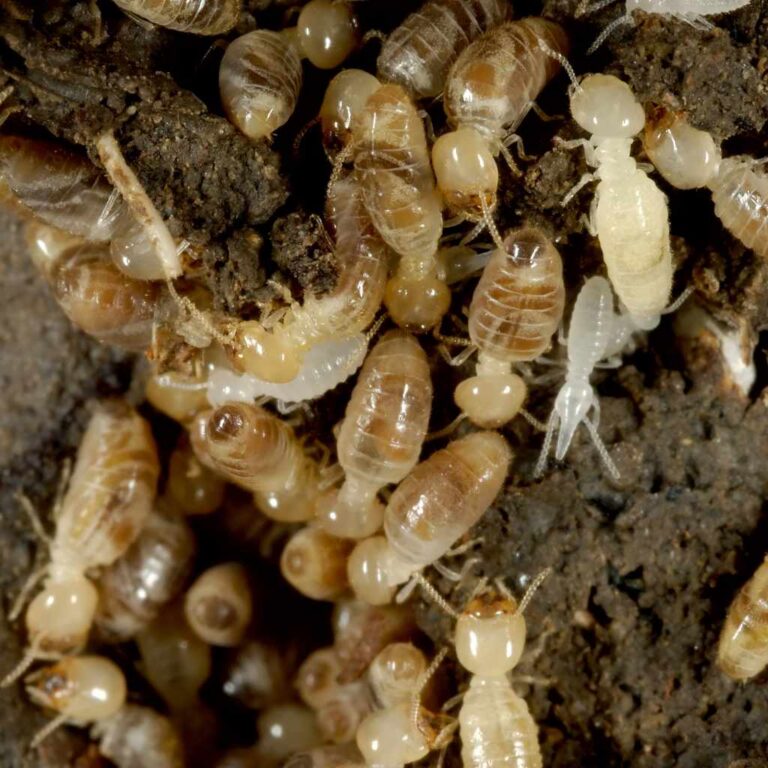
Subterranean termites are the most common type you’ll find. They live in the soil and build mud tubes to travel between their colony and food sources. Why are they a problem? They can cause extensive damage to wooden structures.
- Habitat: Soil and wood in contact with soil.
- Appearance: Creamy white to dark brown.
- Behavior: Build mud tubes for protection and moisture.
Imagine finding tiny tunnels made of mud in your bathroom. It’s a sign these pests are making their way inside. Subterranean termites can be very destructive because they chew through wood from the inside out, often unnoticed.
Drywood Termites
Drywood termites are different. They don’t need soil to survive. They live in dry wood, like that found in your home’s structure, furniture, or even picture frames.
- Habitat: Dry wood, including structural wood and furniture.
- Appearance: Light brown to dark brown.
- Behavior: Create small, smooth holes in wood for their nests.
Have you ever seen a small pile of what looks like sawdust on your bathroom floor? That’s a sign of drywood termites. They create tiny holes in the wood and push out their droppings, which look like tiny pellets.
Knowing the type of termite in your bathroom is the first step in dealing with them. Whether they are subterranean or drywood termites, it’s essential to act fast. Termites can cause serious damage if ignored. Stay vigilant and keep an eye out for these signs in your bathroom and other parts of your home.

Credit: www.reddit.com
How Termites Enter
Finding dead termites in your bathroom can be alarming. Understanding how termites enter can help prevent infestations. Termites can invade through various entry points. Here are some common ways termites get inside your home.
Cracks And Gaps
Termites can slip through tiny cracks in your walls or floors. They seek out small openings and expand them. Even the smallest gap can be an entry point for termites. Regularly inspect your home for any visible cracks. Seal them to prevent termite access.
Plumbing Lines
Termites can also enter through plumbing lines. They are attracted to moisture and often follow pipes. Check for leaks around sinks, toilets, and bathtubs. Repair any leaks to reduce moisture. This will make your bathroom less appealing to termites.
Preventive Measures
Finding dead termites in your bathroom can be a troubling experience. But don’t worry. There are steps you can take to prevent this from happening again. In this section, we’ll discuss some simple yet effective preventive measures. Let’s dive right in!
Reduce Moisture
Termites love moist environments. Your bathroom is a perfect place for them if it’s damp. So, reducing moisture is key.
- Fix leaks: Check for any leaks in pipes, faucets, and showerheads. Even small drips can attract termites.
- Ventilation: Ensure your bathroom is well-ventilated. Use exhaust fans to reduce humidity after showers.
- Clean regularly: Wipe down surfaces and clean up spills right away. This helps keep the area dry.
By taking these steps, you can make your bathroom less inviting to termites.
Seal Entry Points
Another important preventive measure is to seal entry points. Termites can enter through tiny cracks and gaps.
- Inspect walls and floors: Look for any cracks or openings in your bathroom walls and floors. Seal them with caulk or another appropriate sealant.
- Check windows and doors: Make sure your bathroom windows and doors close tightly. Install weather stripping if necessary.
- Use termite barriers: Consider applying termite barriers around your home. These can help keep termites out.
Sealing entry points can go a long way in keeping termites out of your bathroom.
By reducing moisture and sealing entry points, you can greatly reduce the chances of finding dead termites in your bathroom. These preventive measures are simple and effective. Remember, a little effort now can save you a lot of trouble later.
Natural Remedies
Hey friends, finding dead termites in your bathroom can be quite unsettling. But don’t worry, there are natural ways to keep them at bay. These remedies are simple, safe, and effective. Let’s take a look at a couple of them below.
Essential Oils
Essential oils are not just for aromatherapy. They can also help in keeping termites away. Here’s how:
- Neem Oil: Neem oil is a natural pesticide. It disrupts the termites’ hormones, making it hard for them to grow and reproduce. Just mix it with water and spray it where you see termites.
- Orange Oil: Orange oil contains d-limonene, which is toxic to termites. Apply it directly to the infested wood.
- Clove Oil: Clove oil can kill termites on contact. Dilute it with water and spray it in the affected areas.
Using essential oils is a natural way to tackle termite problems without using harsh chemicals.
Boric Acid
Boric acid is another natural remedy that can help eliminate termites. It’s easy to use and very effective. Here’s what you need to know:
- Make a Boric Acid Solution: Mix boric acid powder with water. Stir it well until the powder dissolves.
- Spray the Solution: Pour the solution into a spray bottle. Spray it on the wooden surfaces in your bathroom, especially where you see termites.
- Repeat the Process: For best results, repeat the spraying process every few days until you no longer see termites.
Boric acid works by poisoning the termites when they ingest it. They carry it back to their nest, which can help to eliminate the entire colony.
So, there you have it. Two simple and natural remedies to help you deal with those pesky termites. Give them a try, and you might just find your bathroom termite-free in no time!
Professional Solutions
Finding dead termites in your bathroom can be unsettling. If you see these pests, it’s time to act. Professional solutions can help you eliminate termites effectively. Let’s explore some proven methods below.
Pest Control Services
Pest control services are a reliable solution. Experts inspect your home for termites. They use tools to detect termite activity. They also identify the source of the infestation. After the inspection, they suggest a treatment plan. This plan is tailored to your home’s needs.
The pest control team applies treatments safely. They use approved chemicals and methods. This ensures your home is termite-free. Regular visits may be needed. This keeps termites from returning. Trusting professionals saves you time and stress.
Fumigation
Fumigation is another effective method. This process involves sealing your home. Then, a gas is released inside. The gas penetrates all areas. It kills termites hidden in walls or floors. Fumigation is thorough and leaves no termites behind.
Professional fumigators handle this process. They ensure your safety and follow regulations. After fumigation, your home is aired out. This removes any remaining gas. Fumigation can be a powerful solution for severe infestations. It provides peace of mind and a termite-free home.
Long-term Prevention
Finding dead termites in your bathroom can be unsettling. The good news? With some long-term prevention strategies, you can keep your home termite-free. Here’s a simple guide to help you get started.
Regular Inspections
Regular inspections are key to keeping termites at bay. Think of it like a health check-up for your home. Just as you visit the doctor yearly, your home needs a professional inspection too.
- Schedule an inspection at least once a year.
- Look for signs of termite activity, such as mud tubes and wood damage.
- Check damp areas like the bathroom and kitchen.
During inspections, professionals use special tools to detect termites. They can find termites even if you can’t see them. Trust me, it’s worth it.
Home Maintenance
Home maintenance is like brushing your teeth. It’s a daily task, but it keeps problems away. Here’s how you can maintain your home to prevent termites:
| Task | Frequency |
|---|---|
| Fix leaks | As soon as possible |
| Keep gutters clean | Every 3 months |
| Seal cracks | Every 6 months |
Why is this important? Termites love moisture. By fixing leaks and keeping your home dry, you make it less attractive to them.
Another tip? Store firewood away from your house. Firewood can be a termite magnet. Keep it at least 20 feet away from your home.
Finally, keep an eye on wood-to-ground contact. Termites can enter your home through wood that touches the soil. Use concrete or metal barriers to keep them out.
I remember when I first moved into my house. I found a small leak in the bathroom. I thought it was no big deal. But then… termites! I learned my lesson. Now, I keep up with home maintenance. And guess what? No more termites.
So there you have it. Regular inspections and home maintenance can make all the difference. Simple steps, but they keep your home safe from termites.
Credit: www.chemfreeexterminating.com
Frequently Asked Questions
What Does It Mean When You Find Dead Termites?
Finding dead termites may indicate a nearby infestation. Check for signs of termite activity in your home.
Why Am I Finding Termites In My Bathroom?
Termites in your bathroom are likely due to moisture and wood sources. Fix leaks and remove damp wood to deter them.
Can Termites Come Up Through Bathtub Drain?
Yes, termites can come up through bathtub drains. They seek moisture and can infiltrate through plumbing gaps. Regular inspections help prevent infestations.
How Do You Tell If Termites Are Behind Drywall?
Look for small holes, faint lines, or discolored drywall. Listen for clicking sounds. Tap and check for hollow areas.
Conclusion
Dealing with dead termites in your bathroom can be frustrating. Regular cleaning helps prevent infestations. Maintain a dry environment to deter termites. Seal cracks and leaks promptly. Consider professional pest control for severe cases. Your bathroom should be a safe, clean space.
Stay vigilant and take action swiftly. These steps ensure a termite-free bathroom. Protect your home with consistent maintenance.