House Wood Termites: Real Signs and Treatment Options
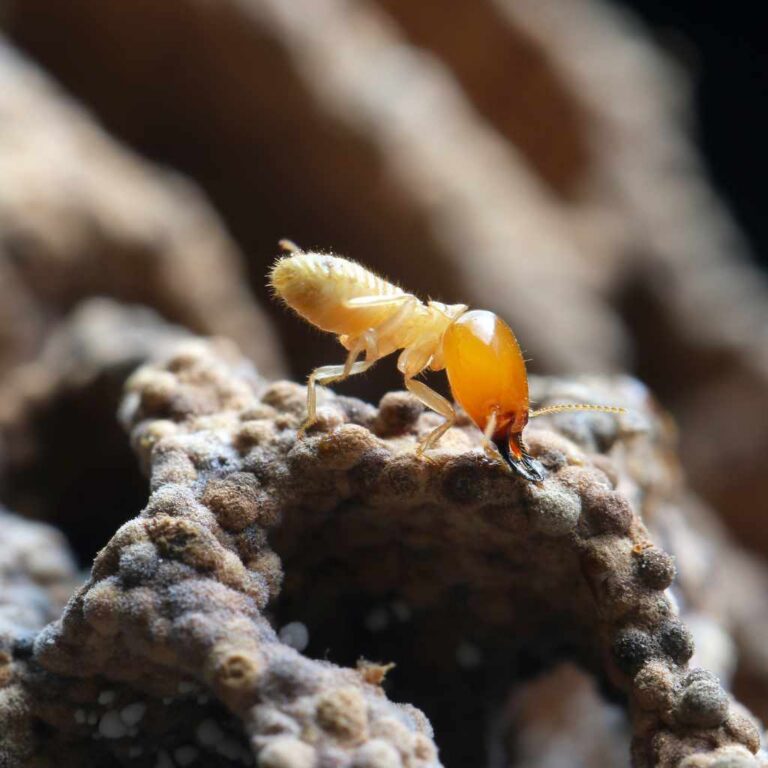
House-infesting termites in the U.S. are almost always subterranean termites, which build mud tubes from soil to reach wood and need that soil contact to survive – a genuinely different pest and treatment situation from drywood termites, which live entirely inside dry wood with no soil connection and are far less common in most regions.
The Signs That Actually Mean Termites
Best for Checking Wood for Hidden Moisture Damage
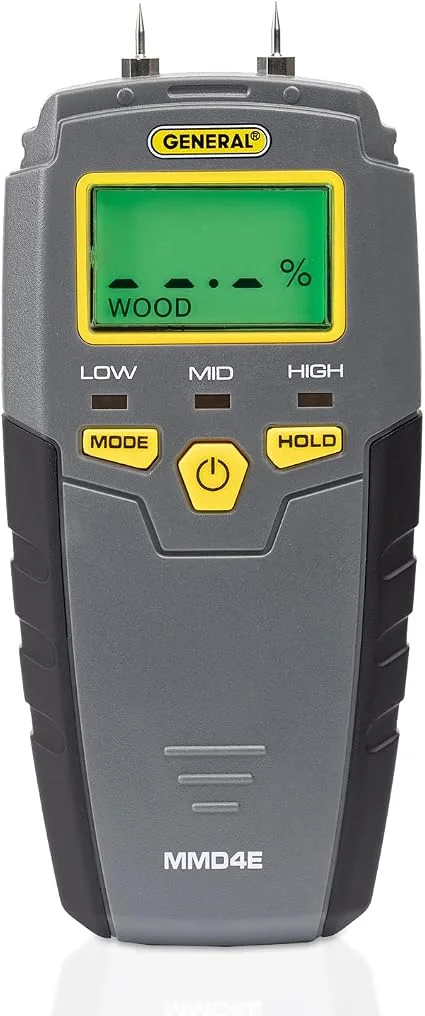 |
General Tools MMD4E Moisture Meter – $38.83 Since termites are drawn to the same excess moisture this guide flags around foundations and gutters, a moisture meter helps identify the damp wood most at risk before an infestation starts.
|
Pencil-width mud tubes running up a foundation wall are the clearest subterranean termite sign, since termites build these tunnels to travel between soil and wood while staying protected from open air and predators. Wood that sounds hollow or papery when tapped, and discarded wings near windowsills or light fixtures after a swarm event, are the other two reliable indicators – a swarm (a mass release of winged reproductive termites, usually in spring) is often the first visible sign homeowners actually notice.
Why Termite Damage Often Goes Unnoticed for Years
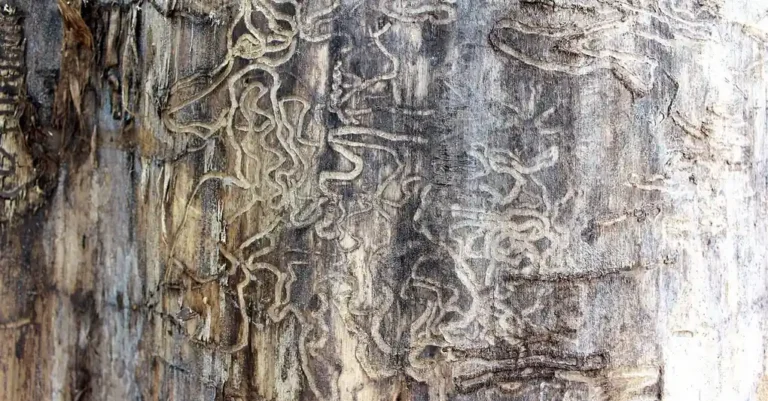
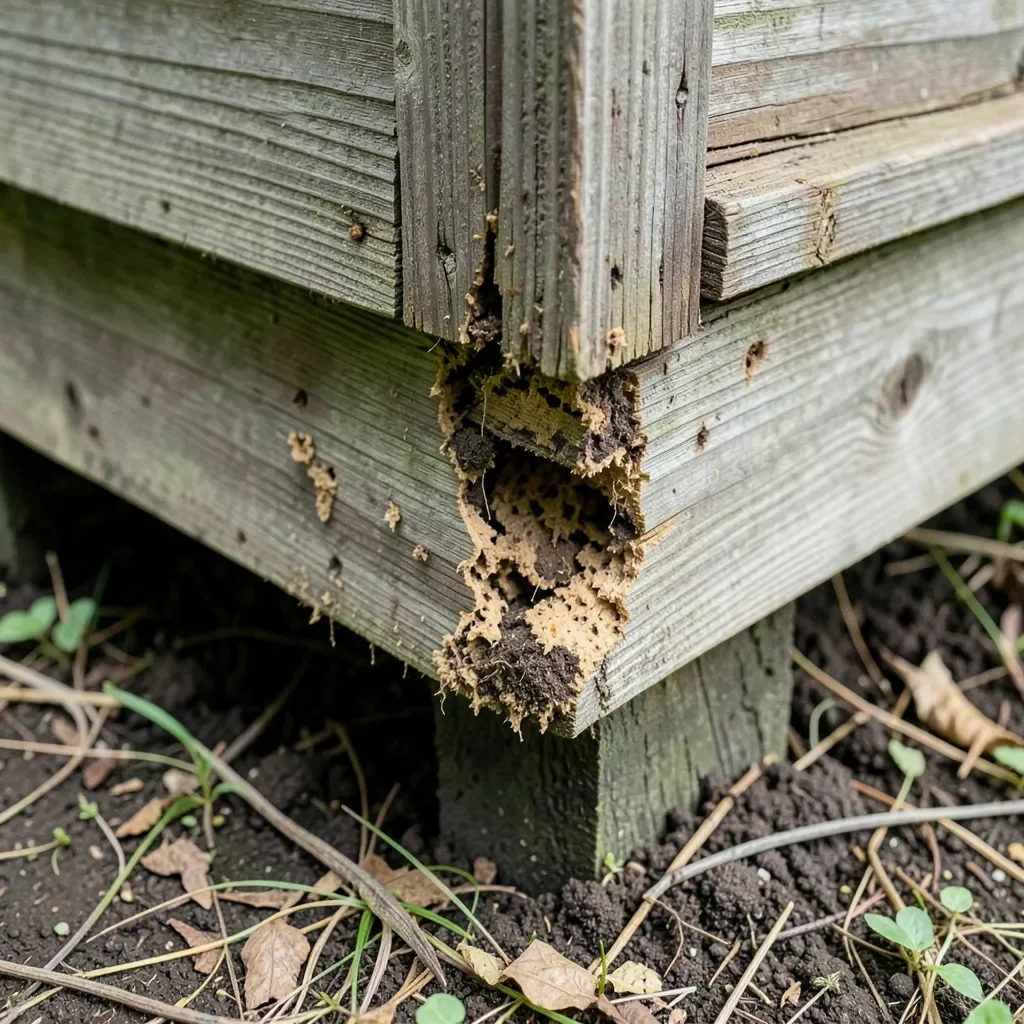
Termites eat wood from the inside out, following the grain and leaving a thin outer shell of paint or wood intact, which is why damage frequently isn’t visible until a board is pressed hard enough to crumble or a wall is opened during renovation. This is also why professional termite inspections check specific vulnerable points – sill plates, foundation-to-wood contact points, and crawl spaces – rather than just a visual walk-through of finished surfaces.
Liquid Barrier vs. Bait Station Treatment
A liquid termiticide barrier applied around a home’s foundation creates a treated zone that kills or repels termites attempting to cross it, typically lasting 5-10 years depending on the product and soil conditions. Bait stations, placed in the ground around the perimeter, use a slow-acting toxicant that worker termites carry back to the colony, gradually killing the colony rather than just blocking access – bait systems take longer to show results but can eliminate an entire colony, not just the individuals crossing the treated zone.
DIY Treatment Has Real Limits
Consumer-grade termiticides and bait stations can help with prevention or a very early, localized problem, but a confirmed active infestation in a structure typically needs professional-grade application equipment and product concentrations not available to homeowners – most pest control companies also offer a renewable warranty covering retreatment if termites return, which a DIY treatment doesn’t provide.
Reducing Termite Risk Around a House
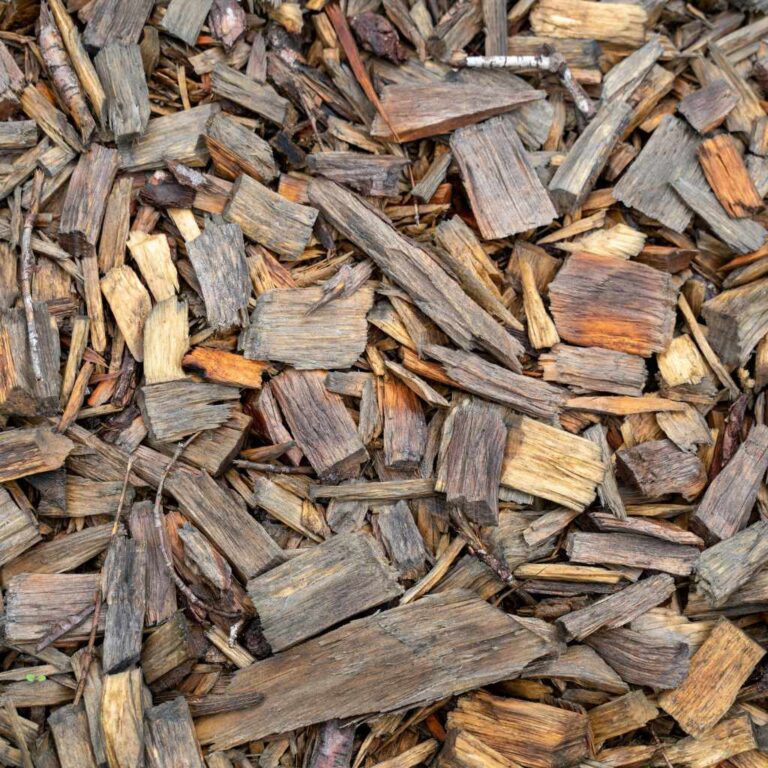
Keeping mulch, firewood, and wood debris away from direct foundation contact removes the easiest bridge between soil-dwelling termites and a home’s structural wood. Fixing gutters and grading so water drains away from the foundation also helps, since termites are drawn to the consistent moisture that a leaking gutter or poor drainage creates right where wood meets soil.
Frequently Asked Questions
What is the first sign of termites in a house?
Mud tubes on foundation walls or discarded wings near windows after a swarm are usually the first visible signs, though damage itself can be hidden inside wood for a long time before either appears.
Can you treat termites yourself?
Consumer products can help with prevention, but a confirmed active infestation usually needs professional-grade treatment and equipment not available to homeowners.
Why does termite damage often go unnoticed?
Termites eat wood from the inside out, often leaving a thin outer shell intact, so damage isn’t visible until the wood is pressed hard enough to crumble or a wall is opened.
Sponsored / affiliate links. As an Amazon Associate I earn from qualifying purchases. I may earn additional commission from eligible campaigns.