Do Subterranean Termites Eat Wood?
Yes — subterranean termites eat wood nonstop, day and night, using saw-toothed jaws to shave off fragments and gut microbes to digest the cellulose. A single 60,000-worker colony consumes roughly 5 grams a day, enough to hollow out 2.3 feet of a 2×4 in one year. This guide covers how fast they eat, what wood they avoid, how their damage differs from drywood termites, and how to catch it early.
Quick Answer
Subterranean termites eat wood constantly, preferring the soft springwood fibers over harder summerwood. A mature colony (60,000 to over a million workers) eats about 2-3% of its body weight in wood daily, which adds up to real structural damage within a few years if left untreated — so early detection and moisture control matter more than the species itself.
Subterranean Termite Basics
Best Termite Spot-Treatment Pick
TERRO Ready to Use Carpenter Ant & Termite Killer Spray, 32 oz
A direct-contact spray for treating visible mud tubes and active termite trails found during a self-inspection.
- Best for: spot-treating mud tubes and active trails you find during an inspection
- Why we picked it: kills on contact and keeps working for weeks against re-entry at the same spot
- Main drawback: only treats what it touches — it is not a substitute for a full colony treatment
Compare more termite detection & prevention options
 Option 1 General Tools MMD4E Wood Moisture Meter
|
 Option 2 Boracare Borate Termiticide & Fungicide
|
 Option 3 Wolman WOODLIFE CopperCoat Preservative
|
As an Amazon Associate we earn from qualifying purchases.
Subterranean termites are the most destructive termite group in the United States, found in every state except Alaska. Unlike drywood termites, they nest in soil and must maintain contact with the ground to survive — which is exactly why they build the mud tubes you may have spotted along a foundation wall.
Colonies grow slowly at first, taking 3 to 5 years to reach maturity, but a mature colony can hold anywhere from 60,000 to over a million workers. That size is what makes subterranean termites the costliest termite species to homeowners nationwide.
Types of Subterranean Termites
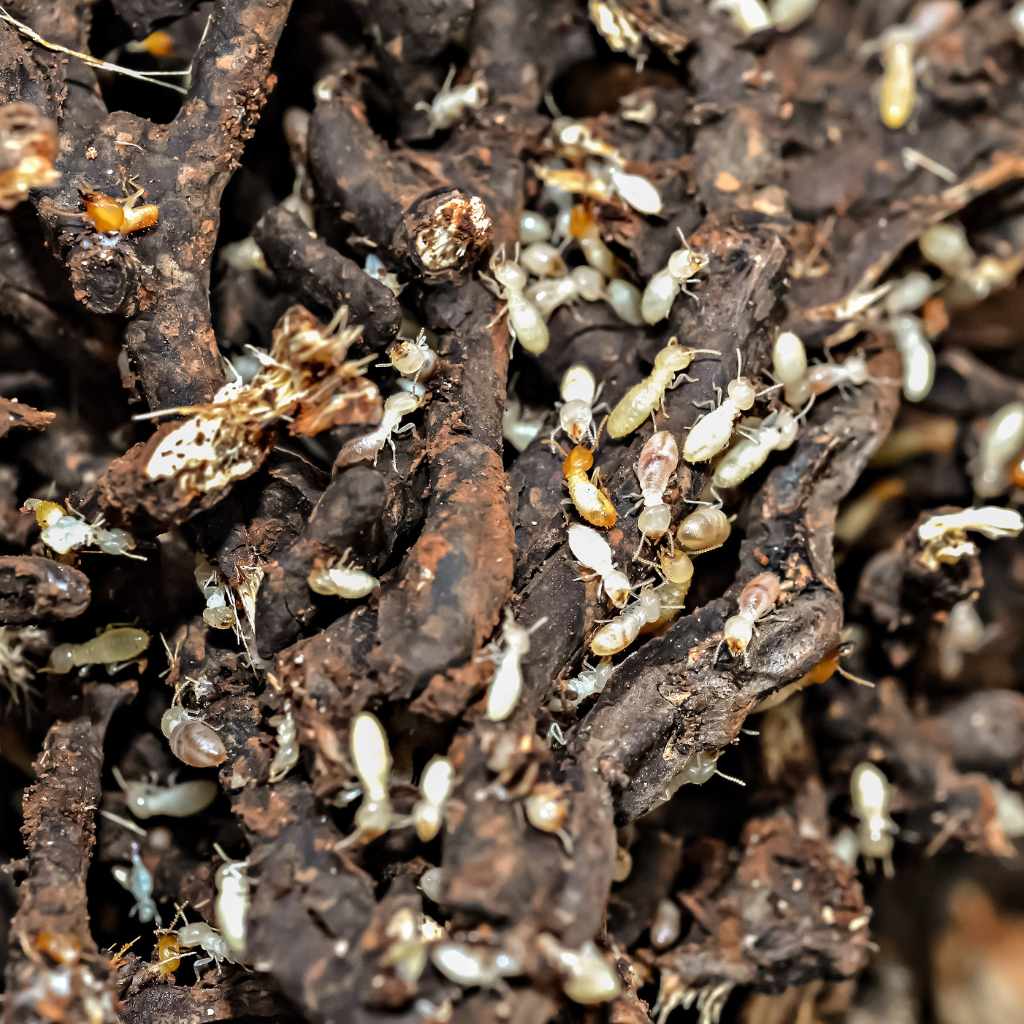
The Eastern subterranean termite is the most widespread U.S. species, while the Formosan termite — an invasive species concentrated in the Gulf Coast and Hawaii — builds larger colonies and causes damage faster. Western subterranean termites round out the three most common types. All three share the same basic biology: pale, soft-bodied workers; large-jawed soldiers; and winged reproductives (alates) that swarm to start new colonies.
Habitat and Lifestyle
Subterranean termites need constant moisture, so they build mud tubes — pencil-thin tunnels of soil, saliva, and waste — to travel from the nest to a wood source without drying out in open air. Nests typically sit near tree stumps, wood piles, or building foundations where soil stays damp. Cutting off that moisture source is one of the most effective ways to make a structure less attractive to them in the first place.
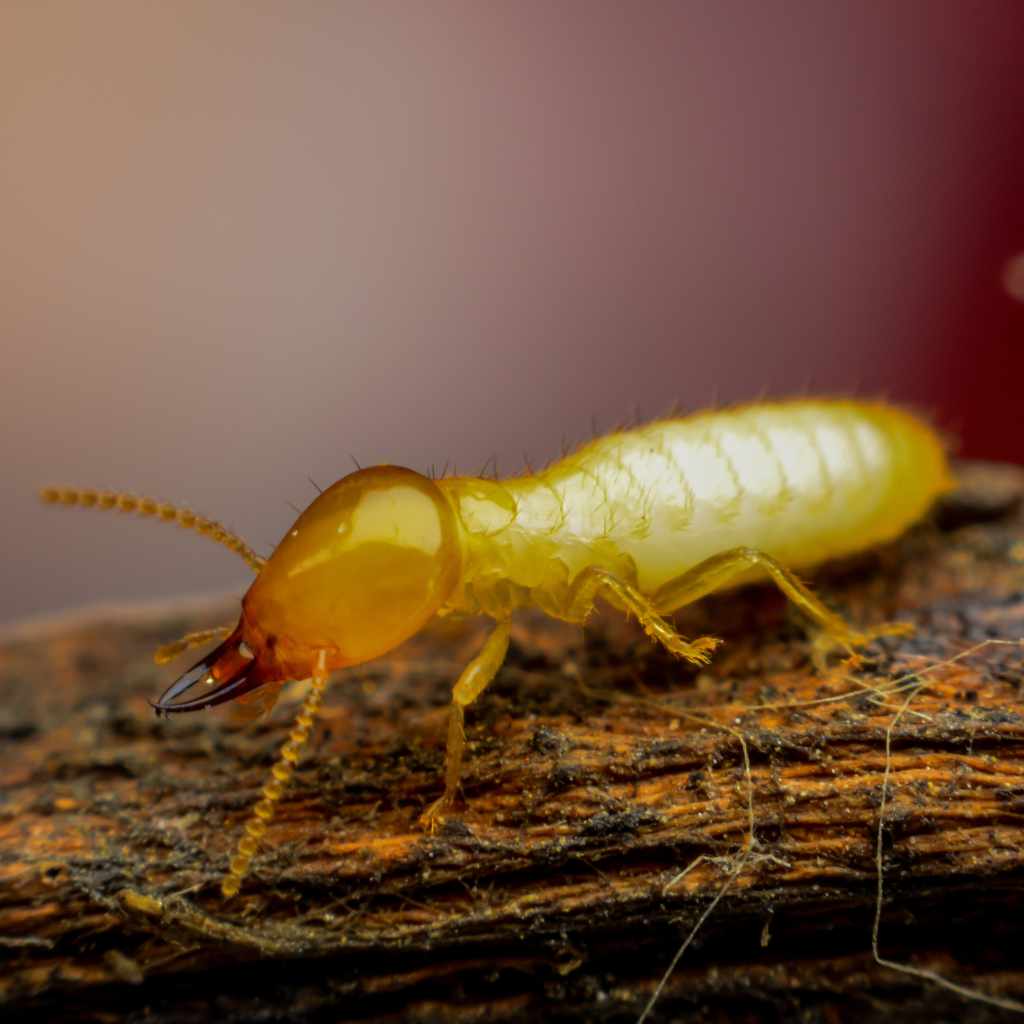
How Fast Do Subterranean Termites Eat Wood?
A subterranean termite colony eats roughly 2-3% of its body weight in wood every day. For a 60,000-worker colony, that works out to about 5 grams (1/5 of an ounce) daily. It sounds small, but it compounds: at that rate, a colony can fully consume a 1-foot length of 2×4 pine in about 118 days, or roughly 2.3 feet of a 2×4 board over a full year.
Because most home lumber comes in much larger dimensions than a single foot of 2×4, it helps to see what that consumption rate means for the framing and boards actually used in a house or workshop. No pest-control site frames the numbers this way — so here is the same colony math translated into common lumber sizes woodworkers and homeowners actually buy.
Wood Consumption by Colony Size (per year, undetected)
| Colony Size | Wood Eaten / Year | Roughly Equal To |
|---|---|---|
| 60,000 workers | ~1.8 kg (4 lb) | 2.3 ft of a single 2×4 |
| 250,000 workers | ~7.5 kg (16.5 lb) | about one 8-ft 2×4 |
| 1,000,000 workers | ~30 kg (66 lb) | a stack of roughly four 8-ft 2x4s |
Estimates based on published consumption-rate data (2-3% of body weight/day) and standard kiln-dried Southern yellow pine density; actual damage varies with wood moisture, species, and colony health.
The takeaway for anyone storing lumber, framing a shed, or building outdoor furniture: a single colony rarely destroys a whole structure in one season, but it doesn’t need to. Left alone for the 3-5 years it takes most infestations to be noticed, that “slow” daily rate adds up to real structural loss.
What Wood Do Subterranean Termites Eat — and Avoid?
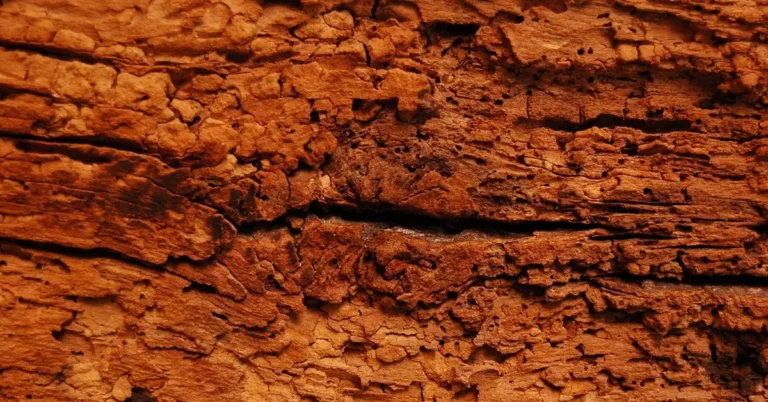
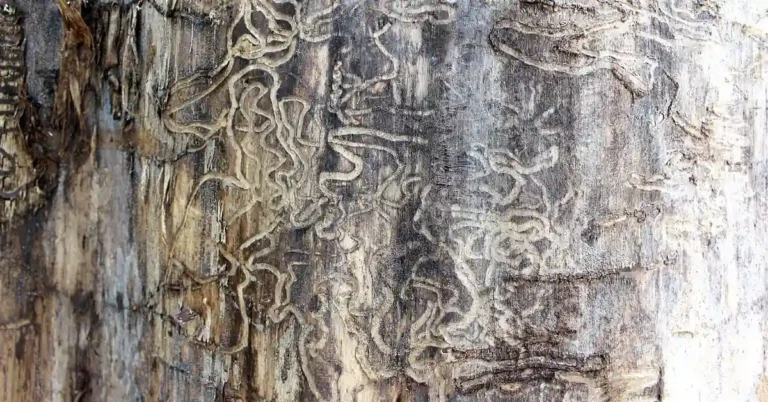
Subterranean termites eat almost any wood with cellulose, but they have clear preferences. They target the soft, high-cellulose springwood fibers first and leave the denser summerwood rings behind, which is why damaged wood often has a distinctive layered, honeycombed look. Softwoods, damp wood, and decayed wood are the easiest meals.
- Most vulnerable: damp or decaying softwood (pine, fir), untreated sapwood, and cellulose debris like cardboard or paper stored against a foundation
- More resistant: naturally durable heartwood species such as cedar and redwood, which contain natural oils termites tend to avoid, plus properly pressure-treated lumber
- Not immune: even resistant species can be attacked if moisture is high enough or the protective treatment has worn off cut ends and exposed edges
Beyond structural wood, subterranean termites will also consume other cellulose sources when it’s convenient — paper, cardboard, leaf litter, and even some natural fabrics — but wood remains their primary and preferred food.
Subterranean vs. Drywood Termites: What’s the Real Difference?
“Subterranean” describes where the colony lives, not a different diet — both subterranean and drywood termites eat wood, but the way they find it and the damage pattern they leave are different enough to change how you treat an infestation.
| Trait | Subterranean | Drywood |
|---|---|---|
| Nest location | In soil; needs ground contact | Inside the wood itself; no soil needed |
| Moisture needs | High — builds mud tubes to stay moist | Low — survives in dry structural wood |
| Colony size | Large: 60,000 to 1M+ workers | Smaller: a few thousand to low tens of thousands |
| Tell-tale sign | Mud tubes on foundations, soil-lined galleries | Dry fecal pellets (“frass”) that look like sawdust |
Because subterranean colonies tend to be much larger, they’re generally considered the more destructive of the two — but drywood infestations are harder to spot early since there’s no mud tube trail leading back to a visible nest.
Signs of Subterranean Termite Wood Damage
Because subterranean termites eat wood from the inside out, damage is often invisible until the surface is tapped, probed, or breaks under light pressure. Catching it early comes down to knowing exactly what to look for.
Visible Damage Patterns
Look for hollow-sounding wood when tapped, blistered or bubbled paint/drywall over a wood-framed wall, mud tubes running up a foundation, and wood that crumbles or gives way under a screwdriver. Discarded wings near windowsills and doors are a sign a colony recently swarmed nearby.
Structural Weakness Indicators
Sagging floors, sticking doors and windows caused by frame warping, and visible galleries lined with mud or soil residue inside broken wood are all signs the damage has progressed past the surface. At this stage, a licensed inspection is worth the cost before doing any DIY repair.
How to Check Your Own Wood for Subterranean Termites
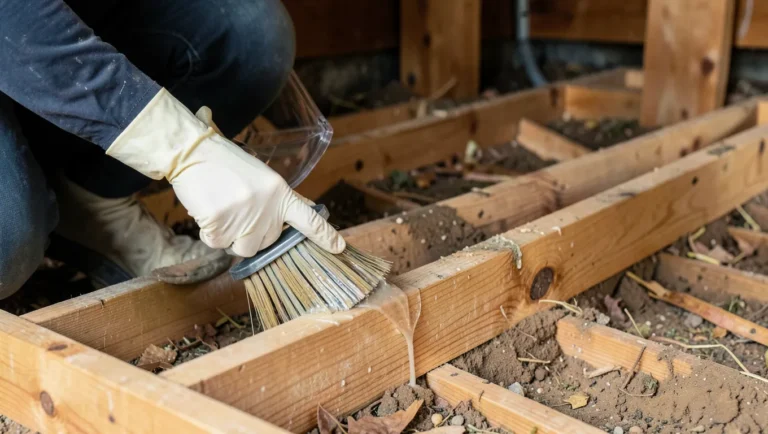
- Scan the foundation: walk the perimeter looking for pencil-width mud tubes running from soil up to sill plates, piers, or siding.
- Tap-test suspect wood: use a screwdriver handle to tap along exposed framing, deck posts, or sills — a hollow or papery sound means the interior may already be eaten out.
- Probe the surface: press a flathead screwdriver into the wood at a low angle; termite-damaged wood gives way easily or crumbles instead of resisting.
- Check moisture-prone areas first: crawl spaces, bathroom subfloors, deck ledger boards, and anywhere wood contacts soil or sits below grade are the highest-risk spots.
- Look for swarmers or wings: discarded wings on windowsills or in spiderwebs near foundation vents point to a nearby colony that recently sent out reproductives.
Termite Impact on Homes
Subterranean termites are the costliest termite species in the U.S., contributing heavily to the roughly $5 billion a year Americans spend on termite damage and treatment combined. Common targets include sill plates, floor joists, deck posts, fence posts, and any wood-to-soil contact point — the areas most likely to stay damp long enough to attract a colony.
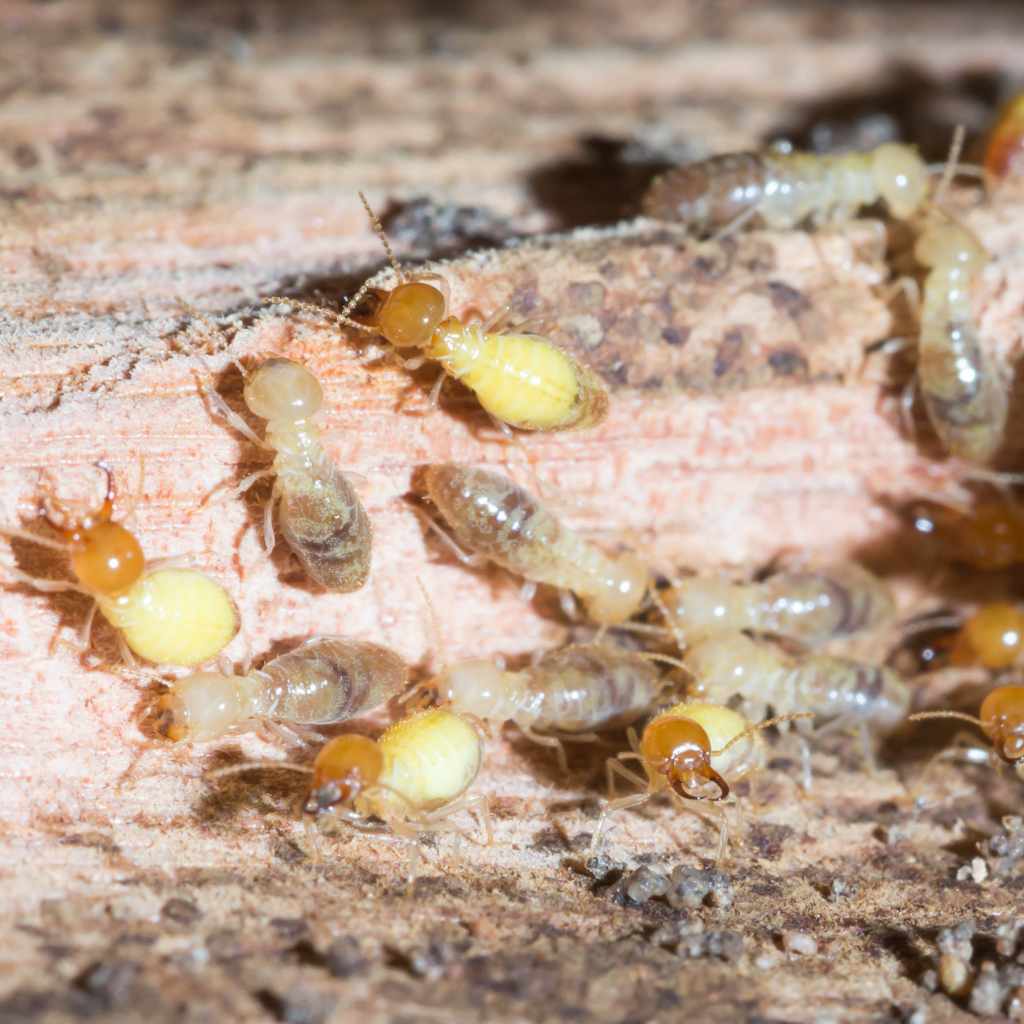
DIY products are useful for detection and spot-treatment, but a confirmed active colony — especially one already inside structural framing — is worth a licensed pest control inspection. Professional treatments (liquid soil termiticides or in-ground bait systems) target the whole colony, not just the wood you can see.
Frequently Asked Questions
Do subterranean termites eat all types of wood?
They can eat almost any wood with cellulose, but they strongly prefer soft, damp, or decaying wood over dense hardwoods. Naturally durable species like cedar and redwood, along with properly pressure-treated lumber, are more resistant but not completely immune if moisture is high enough.
How fast do subterranean termites eat wood?
A 60,000-worker colony eats about 5 grams of wood a day, enough to consume a 1-foot length of 2×4 pine in roughly 118 days, or about 2.3 feet of a 2×4 over a full year. Larger colonies of a million or more workers eat proportionally faster.
Can subterranean termites survive without direct wood contact?
Yes. They build mud tubes made of soil, saliva, and waste to travel from their underground nest to a wood source without drying out or being exposed to open air. Destroying an active mud tube disrupts their access but does not eliminate the colony.
What signs indicate subterranean termite wood damage?
Look for mud tubes on foundations, hollow-sounding wood when tapped, blistered paint or drywall over wood framing, discarded wings near windows and doors, and wood that crumbles under light pressure from a screwdriver.
Do subterranean termites eat pressure-treated wood?
Properly treated modern pressure-treated lumber resists subterranean termites far better than untreated wood, but it is not termite-proof — cut ends and worn treatment can still be attacked if moisture is present.
What’s the difference between subterranean and drywood termites?
Subterranean termites nest in soil, need constant moisture, and form large colonies of 60,000 to over a million workers. Drywood termites nest entirely inside dry wood with no soil contact and form smaller colonies, making subterranean infestations generally the more destructive of the two.
Conclusion
Subterranean termites do eat wood, constantly and from the inside out, which is exactly why the damage so often goes unnoticed until it’s structural. A 60,000-worker colony eating just 5 grams a day sounds harmless — until you realize that’s 2.3 feet of a 2×4 gone in a single year, with the colony still growing. Controlling moisture, checking wood-to-soil contact points regularly, and treating mud tubes early are the most reliable ways to keep a small problem from becoming an expensive one.
Sponsored / affiliate links. As an Amazon Associate I earn from qualifying purchases. I may earn additional commission from eligible campaigns.