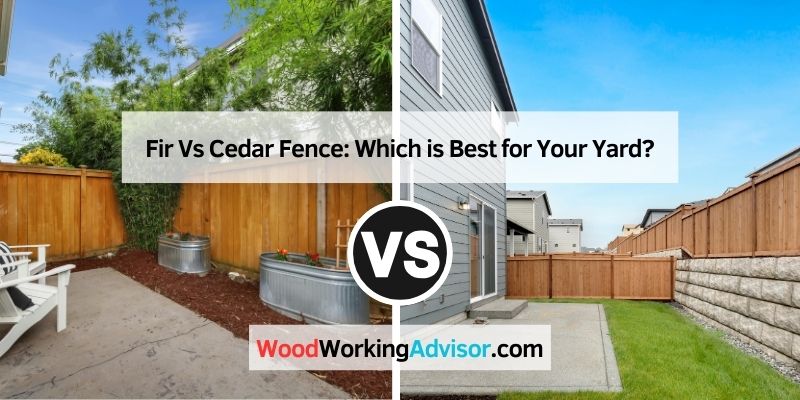
Fir Vs Cedar Fence: Which is Best for Your Yard?
Choosing the right wood for a fence is crucial. Fir and cedar are popular options.
Each has unique qualities that might suit different needs. Deciding between fir and cedar can be challenging. Both woods offer distinct advantages for fencing. Fir is known for its strength and affordability. Cedar stands out for its natural resistance to decay and insects.
Understanding these differences helps in making an informed choice. This comparison will explore the key features of fir and cedar fences. By the end, you’ll have a clearer idea of which wood best fits your requirements. Let’s dive into the details and see which fence material is right for you.
Introduction To Fir And Cedar Fences
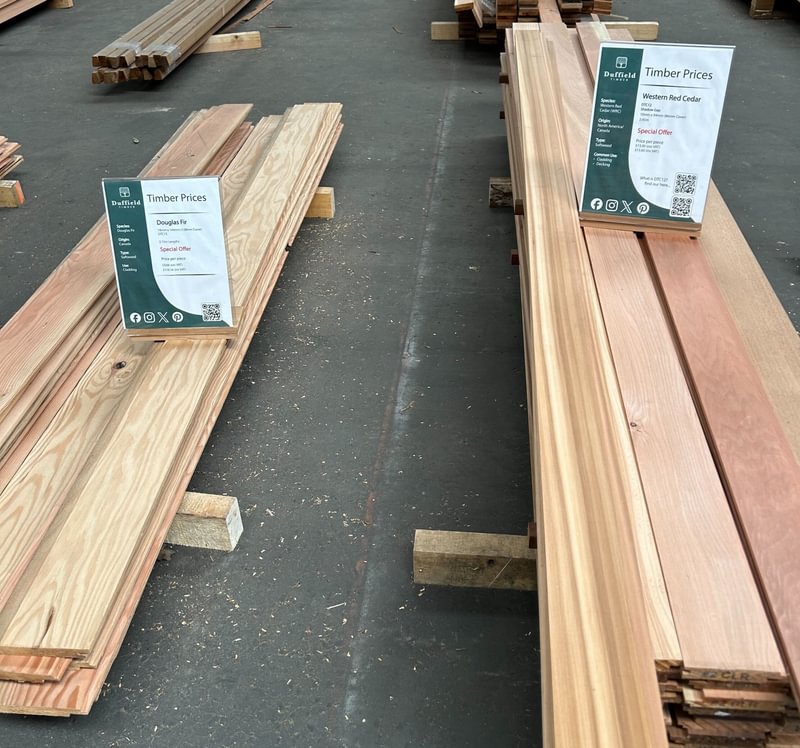
Fir fences are strong and sturdy. They are less expensive than cedar. Fir has a natural light color. It can be painted or stained easily. This wood is a good choice for tight budgets. Fir can resist decay but not as well as cedar. It may need more maintenance. Fir is a common choice for many fence projects.
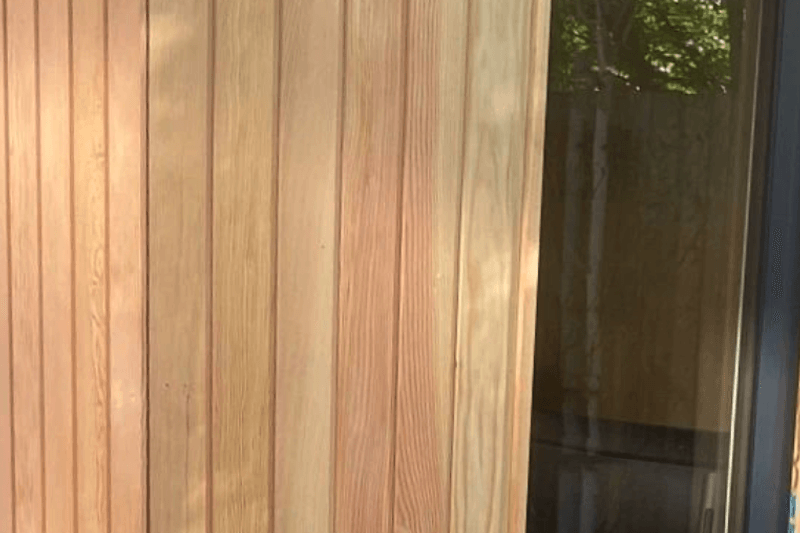
Cedar fences are durable and long-lasting. Cedar has a natural resistance to rot and insects. This wood has a pleasant smell. Cedar looks beautiful with its rich color. It is more expensive than fir. Cedar requires less maintenance over time. This wood is often chosen for its beauty and durability.
Credit: duffieldtimber.com
Durability And Longevity
Fir fences can last up to 10 years. They are less expensive. Fir is not naturally resistant to bugs and rot. It needs regular maintenance. Without treatment, it can wear out quickly. Fir wood is less durable than cedar. It can bend and crack over time. Proper care can extend its life. Fir fences need staining or painting. This helps protect the wood.
Cedar fences can last 15 to 20 years. Cedar is naturally resistant to bugs and rot. This makes it more durable. Cedar wood stays strong for longer. It does not need much maintenance. Cedar fences look good and smell nice. They keep their shape well. Cedar is more expensive than fir. The cost is worth the longer lifespan.
Aesthetic Appeal
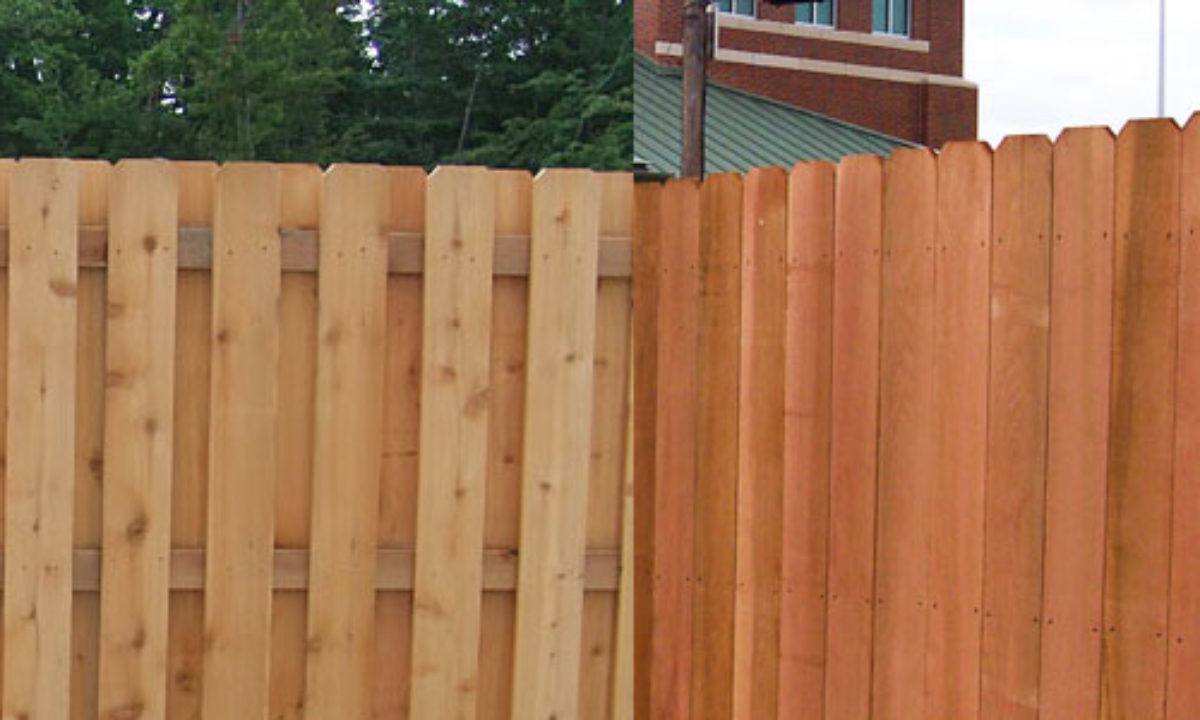
Fir fences have a clean and smooth look. They are often light brown. This color can change over time. Fir wood can be painted or stained. This makes it easy to match with your home. Fir wood has a straight grain. This gives the fence a neat and tidy look.
Cedar fences are known for their rich, red color. The color can turn gray as it ages. This is a natural process. Cedar wood has a unique grain pattern. It can have knots and swirls. This adds a rustic charm. Cedar wood looks great without paint or stain.
Maintenance Requirements
Fir fences need regular care. They must be stained or painted. This helps protect the wood. Fir can rot without this protection. Check the fence often. Look for signs of wear. Clean the fence to remove dirt. This keeps it looking good. Fir fences need more attention than cedar fences.
Cedar fences are easier to maintain. Cedar has natural oils. These oils protect the wood. Cedar resists rot and insects. It does not need staining often. Clean the fence yearly. This keeps it fresh. Cedar fences last longer with less work. They are a good choice for low maintenance.
Cost Comparison
Fir fences are usually cheaper. They are a good choice if you have a tight budget. The price can vary by location. Fir wood is strong and easy to find. This makes it a popular option. Maintenance costs are low. Fir needs less upkeep than cedar.
Cedar fences cost more than fir. Cedar wood lasts longer. It is also resistant to bugs. This makes it a good investment. Cedar fences need less repair. They look good for many years. The smell of cedar can also keep pests away.
Environmental Impact
Fir fences are generally more affordable but may require more maintenance. Cedar fences offer natural resistance to pests and decay, reducing environmental impact over time. Both options have their own benefits and drawbacks in terms of sustainability.
Sustainability Of Fir
Fir trees grow quickly. They are easy to replace. This makes them a good choice for sustainability. Fir wood is strong and durable. It lasts a long time. This means less frequent replacements. Less waste. Fir trees are often grown in managed forests. These forests are replanted regularly. This practice helps maintain the environment.
Sustainability Of Cedar
Cedar trees grow slower than fir. But they live longer. This makes cedar wood last longer. Cedar is naturally resistant to bugs and rot. This reduces the need for chemical treatments. Cedar forests are also managed. This ensures new trees are planted. Cedar wood is biodegradable. It breaks down naturally. This is good for the environment.
Weather Resistance
Fir fences can handle various climates. They are strong and durable. In dry areas, fir fences stay solid. Wet climates can affect them more. Moisture may cause rot. Regular treatment helps protect fir wood. Cold weather can make fir fences crack. Hot sun can fade their color. Fir fences need care to last long.
Cedar fences are great in many climates. They resist rot and insects. Cedar wood has natural oils. These oils protect the wood. In wet areas, cedar stays strong. Dry climates do not damage cedar much. Cold weather does not harm cedar fences. Hot sun may darken cedar wood. Cedar fences are low-maintenance.
Insect And Rot Resistance
Fir fences are not very resistant to insects. They can attract bugs. Fir wood can rot if exposed to water. It needs to be treated regularly. This will help it last longer. Fir fences require more care and maintenance. Proper sealing can improve its resistance.
Cedar fences are naturally resistant to insects. Bugs do not like cedar wood. Cedar wood does not rot easily. It has natural oils that protect it. Less maintenance is needed for cedar fences. They last longer without much care. Cedar wood is more durable in wet conditions.
Installation Process
Fir fences are easy to install. The wood is light and strong. First, measure the area. Then, dig holes for posts. Place the posts in holes. Use concrete to keep them steady. Attach rails to posts. Finally, add the boards.
Cedar fences need more care. The wood is soft but durable. Start by measuring the area. Dig holes for posts. Use concrete to set posts. Cedar posts may need treatment to last longer. Attach rails to posts. Add the cedar boards carefully.
Credit: duffieldtimber.com
Conclusion And Recommendations
Choosing between Fir and Cedar for fencing depends on your needs. Fir offers affordability and strength, while Cedar provides durability and a pleasing aesthetic. Consider your budget and desired look.
Best Situations For Fir Fences
Fir fences are ideal for tight budgets. They are also good if you need a temporary fence. Fir offers a lower cost option. It is great in dry climates. Fir fences can be painted easily. This helps with customization. They are also quick to install.
Best Situations For Cedar Fences
Cedar fences are best for long-lasting needs. They resist rot and insects. Cedar works well in wet climates. They have a natural look. Cedar fences also smell nice. They require less maintenance. Cedar is also strong and durable.
Credit: bcfenceaustin.com
Frequently Asked Questions
Is Cedar Or Fir Better For Fence?
Cedar is better for fences due to its natural resistance to rot, insects, and decay. It also offers a longer lifespan and appealing appearance.
What Lasts Longer, Cedar Or Fir?
Cedar lasts longer than fir. Cedar is naturally resistant to decay and insects, making it more durable for outdoor use.
What Are The Disadvantages Of Fir Wood?
Fir wood is prone to warping and shrinking. It is less durable and more susceptible to insect damage. Fir wood requires regular maintenance and treatment.
Which Wood Is Best For A Fence?
Cedar is the best wood for a fence. It is naturally resistant to rot, insects, and weather damage. Cedar also ages beautifully and requires minimal maintenance, making it an ideal choice for long-lasting fences.
Conclusion
Choosing between a fir or cedar fence depends on your needs. Fir offers durability and affordability. Cedar provides a natural look and resists insects. Both options have their unique benefits. Consider your budget, climate, and maintenance preferences. Take time to assess your specific requirements.
Make the best choice for your home. Enjoy the added privacy and beauty of your new fence.