How Long Does Cedar Wood Last? (15-40 Years by Species and Use)
Cedar wood lasts 15 to 30 years outdoors untreated, and up to 40+ years with a sealant reapplied every 2 to 3 years – the exact number depends on species and whether the wood touches the ground. Skip resealing, and UV and moisture cut that lifespan fast, especially on ground-contact posts, which fail in 5 to 10 years regardless of species. This guide covers lifespan by species, by application, and how cedar stacks up against pine, redwood, teak, and ipe.
This article contains Amazon affiliate links. As an Amazon Associate, Woodworking Advisor earns from qualifying purchases at no extra cost to you.
Cedar Wood Lifespan by Species
Best Cedar Sealant Pick
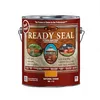
Ready Seal 112 Stain and Sealer, Natural Cedar, 1 gal
A combined oil-based stain and sealer matched to cedar’s natural tone, applied in one coat with no back-brushing required.
- Best for: Most outdoor cedar surfaces needing a single-coat oil finish
- Why we picked it: No lap marks or back-brushing, blends itself, widely trusted brand
- Main drawback: Oil-based odor and a longer cure time than water-based options
Compare more cedar sealant options
 Option 1 Olympic WaterGuard, Woodland Cedar
|
 Option 2 Seal-Once Marine, Bronze Cedar
|
 Option 3 DWIL Wood Stain and Sealer, Cedar Wood
|
As an Amazon Associate we earn from qualifying purchases.
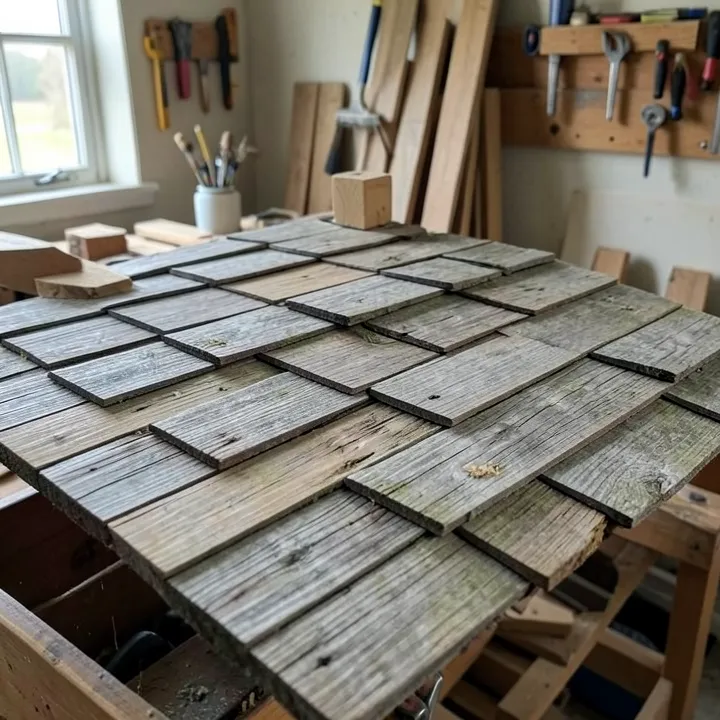
Not all “cedar” is the same tree, and the species you’re working with changes the number. Western red cedar is what most people mean when they say cedar for outdoor building, and it’s rated Class 2 (durable) under the EN 350 wood-durability standard used across the lumber industry – meaning it outlasts most untreated softwoods without any chemical treatment. See the technical breakdown at The Wood Database. Northern white cedar (also called eastern white cedar) has good decay resistance and a tighter grain, but it doesn’t tolerate sustained humidity as well as western red. Eastern red cedar – the aromatic species used in closets and chests – is mostly worked in situations without weather exposure, so there isn’t the same body of outdoor-lifespan data behind it; treat published “20 year” claims for aromatic cedar outdoors with caution unless the source specifies western or white cedar instead. Spanish cedar is a different genus entirely (Cedrela, not Thuja or Juniperus) and is used mostly indoors, for cigar boxes, humidors, and fine furniture.
| Species | Above-Ground Outdoor Lifespan | Best For |
|---|---|---|
| Western red cedar | 20-40+ years (Class 2 durability) | Fencing, siding, decking, shingles |
| Northern/eastern white cedar | 20-30 years | Fencing, cladding, milder climates |
| Eastern red cedar (aromatic) | Limited outdoor data – built for indoor use | Closets, chests, drawer liners |
| Spanish cedar | Indoor use only (not weather-rated) | Humidors, cigar boxes, fine furniture |
If a board doesn’t say which species it is, assume western red cedar – it’s what nearly all big-box “cedar” lumber and fence pickets actually are. For how cedar stacks up against every other lumber species, see our full types of wood guide. For everything else on cedar – finishing, sealing, and cost comparisons – see our full cedar wood hub.
How Long Cedar Lasts by Application
The same board of western red cedar can last 8 years or 35 depending on what you build with it. Ground contact and moisture trapping matter more than the species label.
| Application | Untreated | Sealed/Stained (every 2-3 yrs) |
|---|---|---|
| Fencing (above ground) | 15-30 years | Up to 40 years |
| Decking (above ground) | 15-25 years | 25-35+ years |
| Siding/cladding | 5-15 years (under 5 in humid climates) | 30+ years |
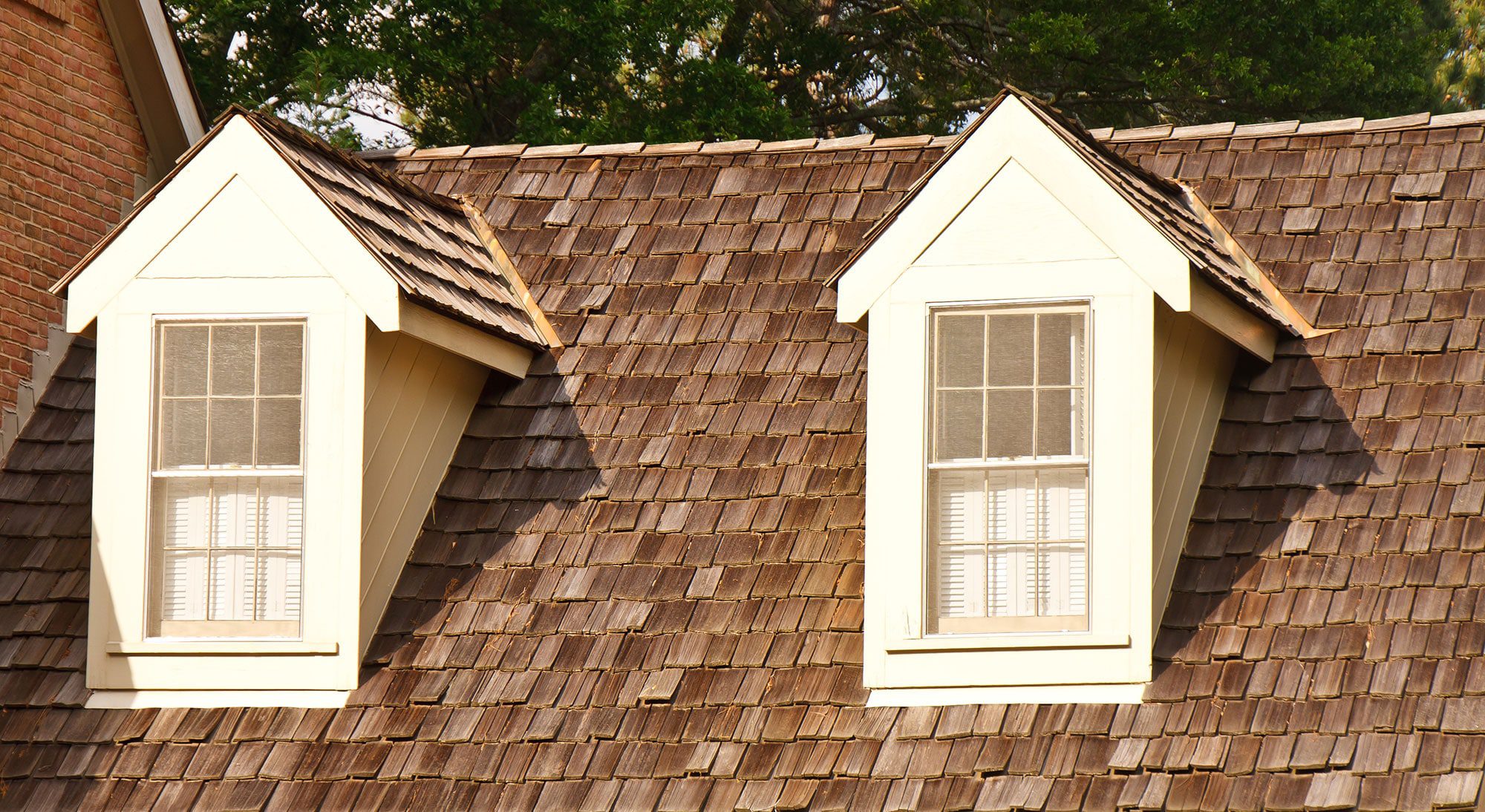
| Roof shakes/shingles | 20-30 years | Up to 50 years with upkeep |
| Ground-contact posts | 5-10 years | 15-20 years with a post base/sealant |
| Outdoor furniture | 15-20+ years | 25+ years |
| Indoor (saunas, closets) | Decades – minimal UV/moisture exposure | Not typically needed |
Notice the pattern: every application where cedar sits in or near standing water or soil loses 10+ years compared to the same wood used above grade. For a closer look at what happens when you skip protection entirely, see can cedar be left untreated.
Extending Cedar’s Lifespan With Sealant
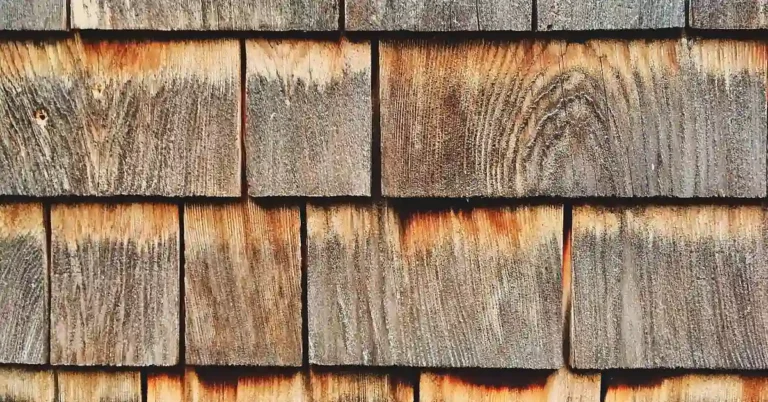
Cedar’s own oils protect it for roughly the first 1 to 3 years. After that, UV breaks the oils down and the wood starts graying – not rotting yet, but no longer self-protecting. A sealant or semi-transparent stain reapplied every 2 to 3 years is what turns a 15-20 year untreated lifespan into 30-40 years.
A cedar board that’s gone gray and feels fuzzy or soft when you run a thumbnail across the surface has already lost fiber to UV breakdown. Sanding lightly before resealing gives the new coat something solid to grip – stacking sealer straight onto dead surface fiber just means it peels again within a season. Wait at least 3 months on new cedar before staining; the wood needs to weather enough to open its pores or the finish won’t penetrate evenly. For a full walkthrough of prep and product choice, see our guide on the best finish for cedar wood and on whether cedar needs to be sealed in the first place.
Why Cedar Naturally Resists Rot and Insects
Cedar heartwood contains natural compounds called thujaplicins, along with tannins and aromatic oils, that inhibit the fungi responsible for wood rot and repel wood-boring insects. That’s the same chemistry that gives cedar its smell and its reputation as a natural moth deterrent in closets. It’s a real, measurable advantage – see our dedicated guide on whether cedar rots for the specifics – but the protection is concentrated in the heartwood, not the lighter-colored sapwood. A board with a lot of sapwood content will decay faster than a construction-heart or clear-grade board, even though both are labeled “cedar.”
Cedar vs Other Woods: How It Compares
Cedar sits in the middle of the durability and cost spectrum – well ahead of untreated pine, roughly comparable to redwood, and behind the premium tropical hardwoods.
| Wood | Untreated Outdoor Lifespan | Notes |
|---|---|---|
| Cedar | 15-30 years | Natural rot/insect resistance, no chemicals needed |
| Pine (untreated) | ~5 years | Needs pressure treatment to be usable outdoors |
| Pressure-treated pine | 20-40 years | Chemical treatment required; cheaper upfront |
| Redwood | 20-25 years | Similar durability to cedar, usually pricier |
| Teak | 50+ years | Tropical hardwood, high cost |
| Ipe | 30-50 years | Very dense and heavy, premium price |
Against pine specifically – southern yellow pine is actually the stronger wood structurally, but it rots fast without pressure treatment, while cedar’s advantage is decay resistance without chemicals. Against redwood, the two are close enough in lifespan that cost and availability usually decide it, not durability. And compared to pressure-treated lumber, cedar wins on chemical-free durability but usually loses on upfront price – more on that below.
Signs of Aging and When to Reseal
Cedar ages predictably, and the visual signs tell you what stage it’s at long before structural failure sets in.
- Color fade to silver-gray: This is UV breaking down surface lignin, not decay. Cosmetic, and the point where most people decide to reseal.
- Surface checking (small parallel cracks): Caused by repeated wet-dry swelling cycles. Common on untreated cedar; a sealant that blocks moisture cycling slows it down.
- Fuzzy or soft surface texture: Surface fiber has broken down under UV. Sand lightly before recoating.
- Larger splits running with the grain: Usually still cosmetic on fencing and siding, but worth filling before water gets in behind the split.
- Soft, spongy wood at ground contact: This is actual rot, not weathering. Isolated to posts and ground-contact boards almost every time – test with an awl or screwdriver at the base.
Common Applications and What They Have in Common
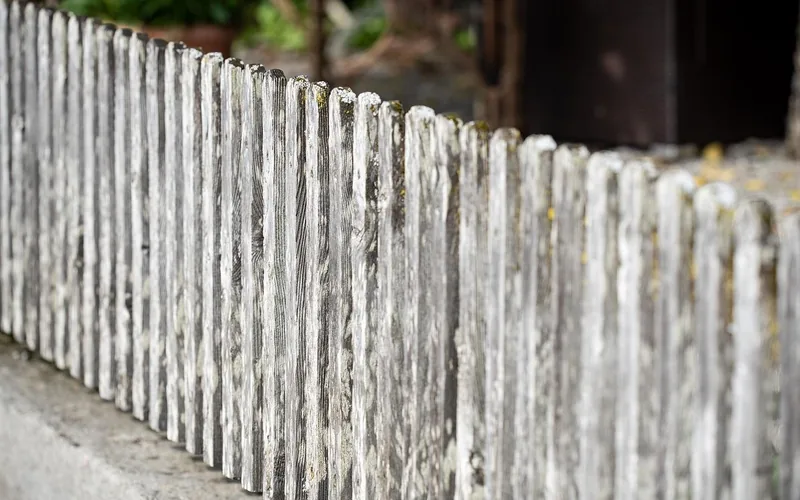
Cedar shows up in outdoor furniture, decking, fencing, roof shakes and shingles, closets, and saunas for the same underlying reason in every case: it resists rot and insects without chemical treatment, it’s light enough to work by hand, and it smells good doing it. Furniture and decking benefit most from cedar’s natural oils since they’re rarely in ground contact. Shingles and shakes get decades of life when installed with proper ventilation behind them so trapped moisture can’t build up. Saunas and closets barely age at all, since there’s no UV or standing moisture to fight.
Environmental Benefits
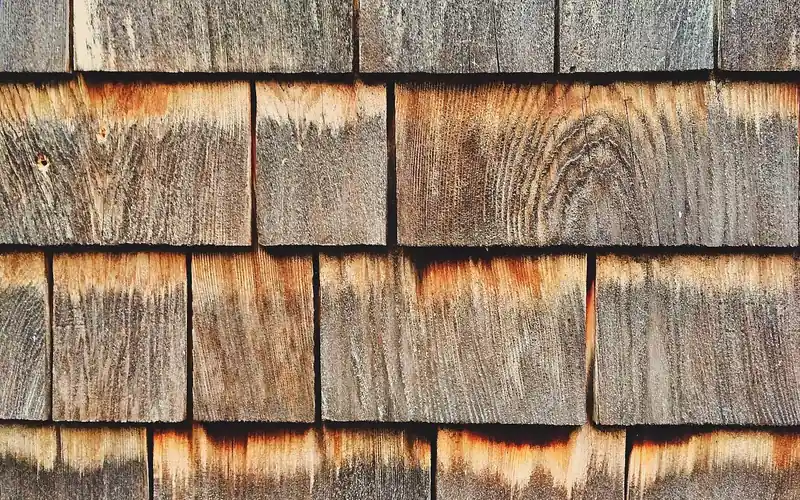
Cedar is harvested from managed, replanting forests, and its natural decay and insect resistance means fewer chemical treatments end up in soil and runoff compared to pressure-treated alternatives. A longer real-world lifespan also means fewer replacement boards over the life of a deck or fence, which matters for both cost and waste.
Frequently Asked Questions
How long does cedar wood last outdoors?
Cedar wood typically lasts 15 to 30 years outdoors when untreated, and up to 40 years or more with a sealant or stain reapplied every 2 to 3 years. The exact number depends on the species, the specific application, and whether the wood is in ground contact.
Is cedar wood resistant to rot?
Yes. Cedar heartwood contains natural compounds called thujaplicins, along with tannins and oils, that resist the fungi responsible for rot and repel insects without any chemical treatment. That resistance is concentrated in the heartwood – boards with more sapwood decay faster.
Does cedar wood require maintenance?
Yes, if you want to maximize its lifespan. Cedar’s own oils protect it for roughly the first 1 to 3 years outdoors. After that, resealing or restaining every 2 to 3 years is what extends its life from the 15-20 year untreated range toward 30-40 years.
Can cedar wood be used for decking?
Yes. Cedar decking lasts 15 to 25 years untreated and 25 to 35+ years when sealed, making it a popular decking choice. Keep boards elevated off the ground and spaced for airflow – standing moisture underneath is what shortens deck lifespan the most.
Does cedar last longer than pressure-treated wood?
It depends on the metric. Pressure-treated pine can last 20 to 40 years, which overlaps with cedar’s 15-30 year untreated range and even its sealed range in some cases. Cedar’s advantage is that it doesn’t need chemical treatment to get there; pressure-treated pine’s advantage is usually a lower upfront cost. See our full cedar vs. pressure-treated comparison for the complete picture.
How often should you reseal cedar wood?
Every 2 to 3 years for most outdoor applications, though full-sun, south-facing surfaces may need it closer to every 2 years while shaded or covered cedar can sometimes stretch to 4. Reseal when the wood has grayed evenly but before it develops surface checking or a fuzzy texture.
Conclusion
Cedar wood’s lifespan comes down to three things: which species you’re actually using, whether the application keeps it out of ground contact, and whether it gets resealed every 2 to 3 years. Get those right and 30-40 years is realistic for fencing, decking, and siding alike. Skip the maintenance or bury a post without protection, and even premium heartwood cedar can fail well ahead of schedule. For the fence-specific numbers – post depth by frost line, cost-per-year against pine and vinyl – see our companion guide to how long a cedar fence lasts.
Sponsored / affiliate links. As an Amazon Associate I earn from qualifying purchases. I may earn additional commission from eligible campaigns.