Best Wood for Door Jambs: Interior vs. Exterior Guide
The best wood for a door jamb depends on whether it’s interior or exterior. Interior jambs can use pine, poplar, or MDF-based jamb stock since decay isn’t a factor. Exterior jambs need a decay-resistant choice, such as primed finger-jointed pine, cedar, or a PVC/composite jamb, because the threshold and sill area stay exposed to rain and ground moisture.
That distinction gets skipped in a lot of buying advice, and it’s the reason so many exterior jambs rot at the bottom within a few years while an interior jamb made of the same wood species lasts decades untouched. Below is what actually differs between the two applications, plus real numbers on jamb thickness, which species show up in Bing searches like “hem-fir for door jambs” and whether they hold up, and how to finish an exterior jamb so it doesn’t fail at the weak point: the cut end grain at the sill.
Interior vs. Exterior: Why the Wood Choice Isn’t the Same
An interior door jamb sits inside a climate-controlled house. It never sees rain, and humidity swings are mild, so decay resistance is basically irrelevant. Pine, poplar, and MDF-based jamb stock are all common and all fine – the deciding factor is usually cost, paint-grade smoothness, or how well the species takes stain.
An exterior door jamb is a different problem. It’s directly exposed to rain at the threshold, splash-back off a stoop or porch, and ground moisture wicking up from the sill – the horizontal piece at the very bottom of the frame. That’s the specific spot where wood jambs fail: not the sides, the bottom, where end grain (the cut, absorbent face at the tip of a board) sits closest to standing water. A species or finish choice that’s perfectly fine on the sides of the jamb can still rot within a few years if that bottom end grain was never sealed.
Best Exterior Jamb End-Grain Sealer
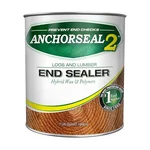 |
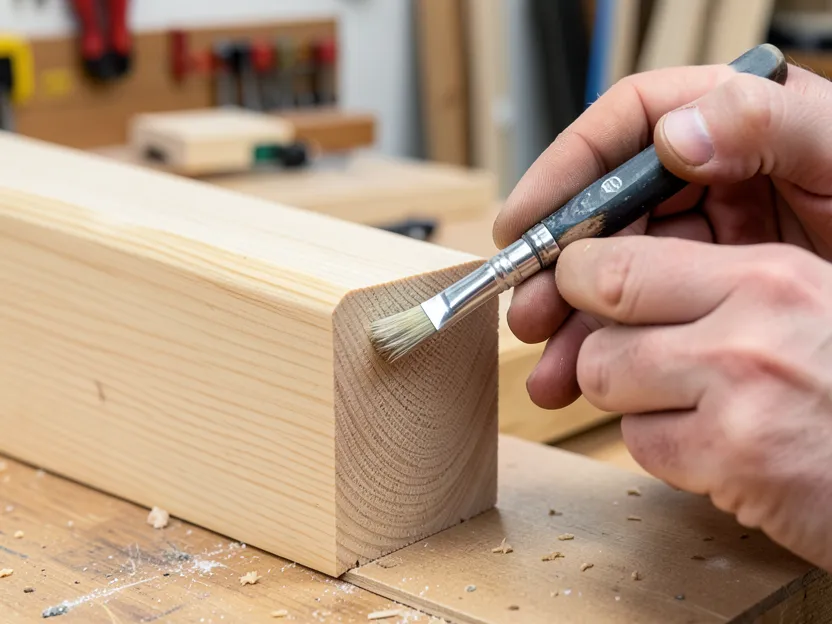
ANCHORSEAL 2 Log & Lumber End Grain Sealer, 1 Quart – $28.45 Brush this on the cut bottom end of an exterior jamb board before install – it seals the exact spot (end grain at the sill) where most wood door jambs actually start to rot.
|
Best Wood for Exterior Door Jambs
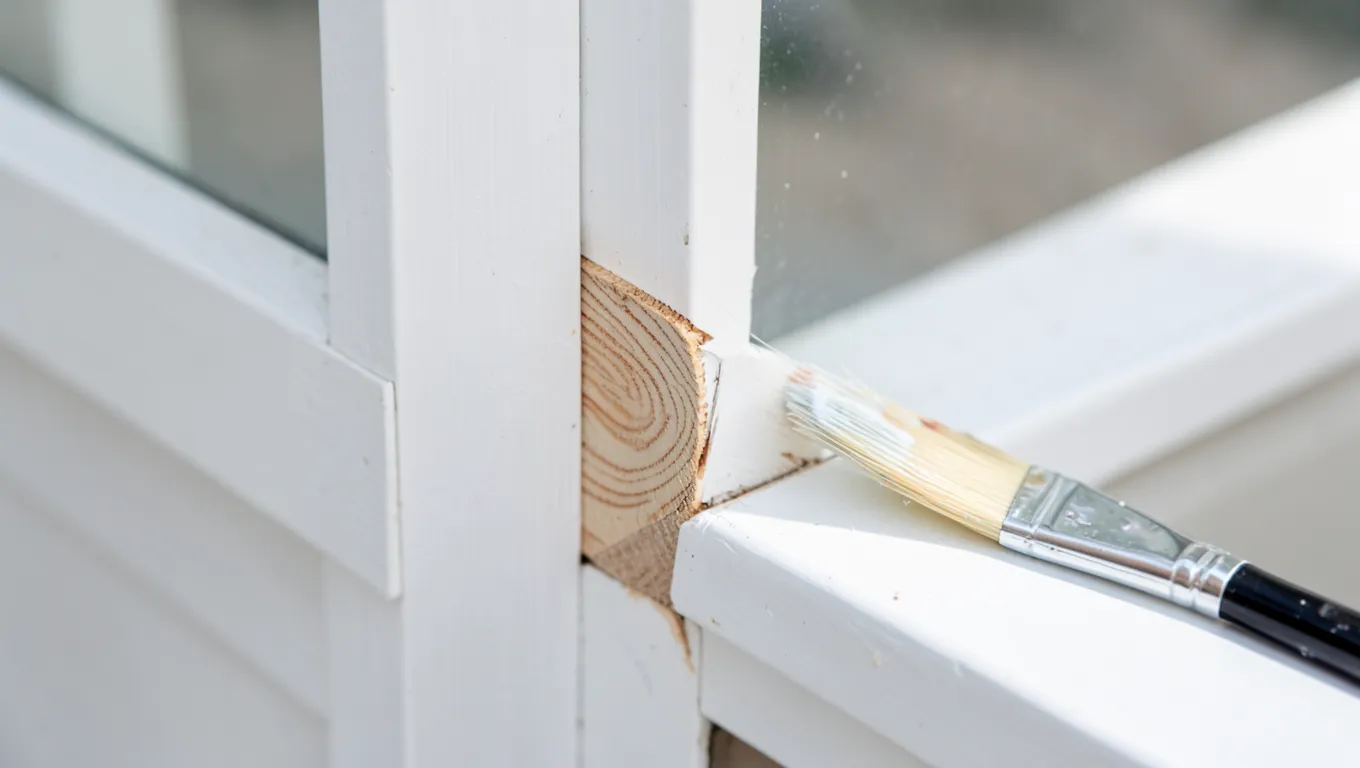
Primed finger-jointed pine is the most common exterior jamb material in new residential construction. It’s short lengths of pine joined end-to-end with interlocking finger joints, then factory-primed on all sides – including the cut ends before final trimming. It’s a budget choice, but only if the primer coverage stays intact. Any exposed raw wood at a field-cut end (which happens constantly during install, when jambs get trimmed to fit) needs to be primed again immediately, or that spot becomes the failure point within a season or two.
Cedar has natural decay resistance from oils in the wood itself (thujaplicins, if you want the chemistry), so it tolerates a nick in the finish far better than pine does. It costs more and isn’t always paint-grade smooth, but for anyone who wants real margin for error at the sill, it’s the traditional upgrade.
PVC/composite jamb material (cellular PVC, or a composite like the frame stock used on many fiberglass entry door systems) is increasingly the default in wet or coastal climates specifically because it removes the rot risk entirely – there’s no wood to decay. It costs more than primed pine, but for a jamb that’s going to sit in a genuinely humid climate, it’s often the lower lifetime cost once you factor in repainting and eventual replacement of a rotted wood jamb.
Is Hem-Fir Good for Door Jambs? (Including in Humid Climates)
Hem-fir – a mixed-species group of western hemlock and true firs, sold kiln-dried – is one of the most widely used species for factory door and window jamb stock in the U.S., so seeing it on a door you bought isn’t a red flag by itself. It machines cleanly, takes paint well, and is dimensionally stable. The catch: hem-fir has low natural decay resistance, roughly on par with pine, not cedar or redwood. It depends entirely on the factory prime coat and field paint staying complete on every face, especially the cut ends.
In a consistently humid climate like Florida, that’s the real risk: not that hem-fir is a bad species outright, but that sustained humidity and afternoon rain give any gap in the primer far more opportunity to do damage than in a dry climate. If you’re installing a hem-fir jamb in Florida (or anywhere similarly humid), don’t treat the factory primer as the finish coat – back-prime and field-seal every cut end before installation, keep the topcoat maintained, and consider a PVC or composite jamb leg specifically at the sill if the door faces prevailing wind-driven rain.
Best Wood for Interior Door Jambs
Since decay isn’t a factor indoors, the choice comes down to finish and budget. Pine is the standard paint-grade choice and the cheapest. Poplar costs a little more but takes paint even smoother, with less visible grain telegraphing through, which is why trim carpenters reach for it on higher-end paint-grade work. MDF-based jamb stock is dimensionally the most stable of the three (it won’t warp or telegraph grain at all) but has zero moisture tolerance – a plumbing leak or a flooded bathroom will swell and ruin it in a way solid wood usually survives. If the room has any real moisture exposure (a bathroom near a shower, a laundry room), stick with solid pine or poplar over MDF.
Door Jamb Wood Size and Thickness
Jamb stock itself is thinner than most people expect – typically 11/16″ to 3/4″ thick for standard milled jamb material, not a full inch. The width is what actually varies, because it has to match the wall it’s set into: roughly 4-9/16″ for a standard 2×4 wall finished with 1/2″ drywall on both faces, and roughly 6-9/16″ for a 2×6 exterior wall. Measure the actual rough opening and wall thickness before ordering rather than assuming a standard width – a jamb that’s slightly narrow gets shimmed and trimmed out, but one that’s too narrow for the wall leaves an ugly gap no amount of casing can hide cleanly.
Finishing and Sealing Exterior Door Jambs
For any exterior wood jamb, the finish schedule matters as much as the species. Prime all six sides – front, back, both edges, and both cut ends – with a stain-blocking oil-based or urethane-modified alkyd primer before the jamb ever goes in the opening, not after. Field-cut ends made during install need to be re-primed on the spot; that’s the step that gets skipped most often. Follow with two coats of 100% acrylic exterior paint, and run a paintable exterior-grade caulk at the joint where the jamb meets the sill and the exterior cladding – the goal is to keep bulk water out of that joint, not to trap moisture inside the wood.
Common Mistake That Actually Causes Door Jamb Rot
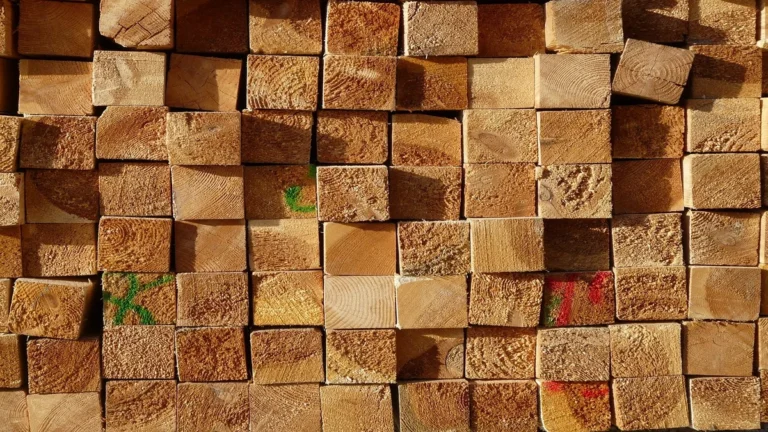
Almost every rotted exterior jamb traces back to the same thing: unsealed end grain at the bottom of the jamb legs, right where they meet the sill. End grain absorbs water many times faster than the face grain on the sides of a board, since it’s essentially a bundle of open straws pointed at the ground. Builders prime the faces of a jamb board carefully and then skip the cut ends, or the ends get trimmed on-site during install and nobody goes back to seal them. Treating those cut ends with a dedicated end-grain sealer before the jamb is set – the same category of product used to keep the ends of fresh-cut lumber from splitting – closes that gap and is a five-minute step that prevents the most common cause of jamb failure. If rot has already set in, here’s how to repair a damaged door frame rather than replacing the whole unit.
Frequently Asked Questions
What Is the Best Material for Door Jambs?
For interior doors, primed pine or poplar is the standard choice. For exterior doors, primed finger-jointed pine or cedar both work if every cut end stays sealed, while PVC or composite jamb material removes the rot risk entirely and is worth the extra cost in wet or coastal climates.
Is Hem-Fir Good for Door Jambs?
Yes, hem-fir is a standard, widely used species for factory door jamb stock and takes paint well, but it has low natural decay resistance similar to pine. It depends on complete, well-maintained primer and paint coverage, especially at the cut ends, and needs extra attention to end-grain sealing in humid climates like Florida.
What Size Lumber Do You Need for a Door Jamb?
Standard jamb stock is 11/16″ to 3/4″ thick. The width depends on the wall: around 4-9/16″ for a 2×4 wall with drywall on both sides, and around 6-9/16″ for a 2×6 exterior wall. Always measure the actual wall thickness rather than assuming a standard size.
What Finish Should You Use on Exterior Door Jambs?
Prime all six sides of the jamb, including the cut ends, with a stain-blocking oil-based or urethane-modified alkyd primer before installation, then apply two coats of 100% acrylic exterior paint. Seal the joint at the sill with a paintable exterior-grade caulk, and re-prime any end grain that gets cut during install.
Bottom Line
Match the wood to the application, not the other way around: pine, poplar, or MDF-based stock for interior jambs where decay is never a factor, and primed finger-jointed pine, cedar, or PVC/composite for exterior jambs where it is. Whatever species goes on the exterior, the finish schedule at the cut ends of the sill matters more than the species label – that’s the detail that actually determines whether the jamb lasts five years or twenty-five.
Sponsored / affiliate links. As an Amazon Associate I earn from qualifying purchases. I may earn additional commission from eligible campaigns.