Does Cedar Attract Bugs? What It Repels, What It Doesn’t
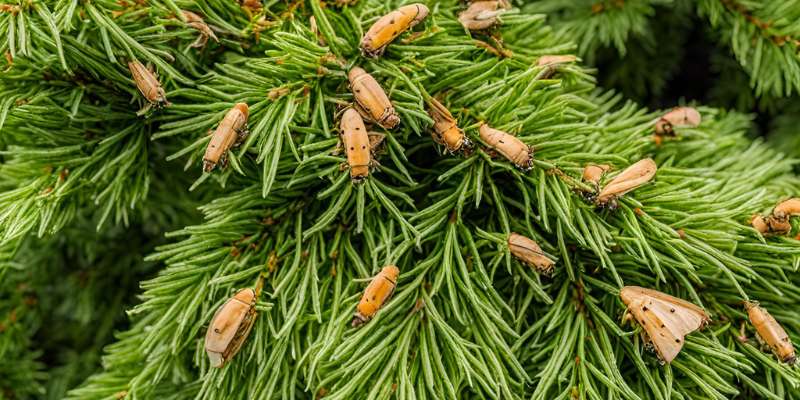
Cedar wood does not attract bugs — it repels them. The heartwood of Eastern red cedar and Western red cedar contains natural oils (thujopsene, cedrol, and methyl thujate) that are toxic to larvae and repellent to adult moths, cockroaches, silverfish, and some ants. The one exception is cedar mulch outdoors, which can attract moisture-seeking pests like slugs, earwigs, and pill bugs if applied too thick. This article covers exactly which bugs cedar repels, which it does not, and how to use cedar correctly so it actually works.
Quick Answer
Cedar repels moths, silverfish, cockroaches, and some ants. It does not repel all insects — carpenter bees and some wood-boring beetles can still infest cedar. Cedar mulch outdoors can attract earwigs and pill bugs if kept wet. For best results, use aromatic (heartwood) cedar, keep it fresh-sanded, and replace cedar products every 2–3 years as the oils fade.
Introduction To Cedar And Bugs
Best Cedar Bug Repellent Pick
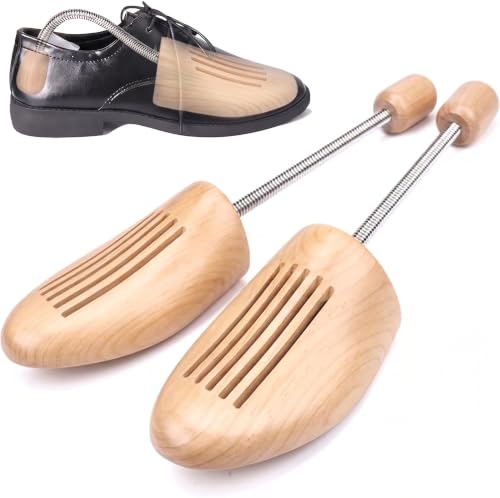
Household Essentials CedarFresh Cedar Blocks Value Pack with Lavender
Aromatic Eastern red cedar heartwood blocks — hang or place in closets, drawers, and storage bins to repel clothes moths, silverfish, and carpet beetles naturally.
- Best for: Protecting clothing in closets, wardrobes, and storage boxes from moths and silverfish
- Why we picked it: Dense aromatic heartwood (not sapwood), includes sandpaper to refresh oils — most important feature for long-term effectiveness
- Main drawback: Not effective for active moth infestations — use for prevention only
More cedar pest control options
 Option 1 Cedar Oil Bug Repellent Spray — Ready to Use
|
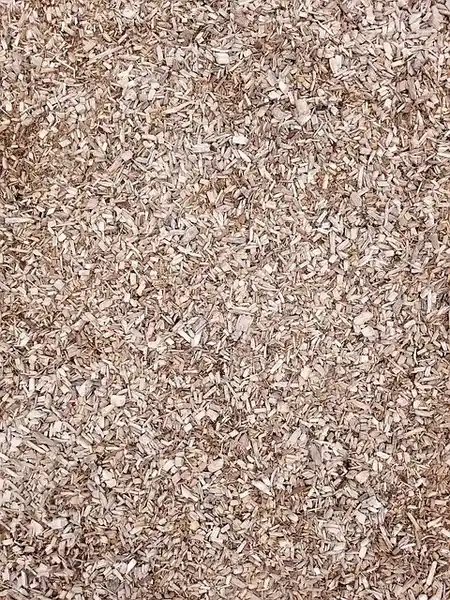 Option 2 Aromatic Cedar Chips — Pet Bedding & Garden Mulch
|
 Option 3 Aromatic Cedar Hangers — Closet Moth Protection
|
As an Amazon Associate we earn from qualifying purchases.
Cedar wood is one of the most popular natural pest deterrents for a reason. Its aromatic oils—primarily thujopsene and cedrol—are toxic to insect larvae and repellent to many adult insects at the species level. These are the same compounds responsible for cedar’s distinctive smell, which humans find pleasant but insects actively avoid. People have relied on cedar to keep bugs away from stored clothing, furniture, and garden beds for centuries.
Cedar Wood Characteristics
The insect-repelling power of cedar comes almost entirely from the heartwood — the dark, dense inner core of the tree. Sapwood (the lighter outer rings) has minimal oil content and provides little bug protection. Eastern red cedar (Juniperus virginiana) and Western red cedar (Thuja plicata) are the two most effective species. Cedar is also naturally rot-resistant, dimensionally stable, and lower in density than many hardwoods, which is why it’s widely used for closets, chests, siding, and outdoor furniture. Its effectiveness as a bug repellent does diminish over time as the volatile oils evaporate — lightly sanding cedar surfaces every 1–2 years restores the scent and effectiveness.
Common Bugs Near Cedar
Cedar repels most fabric-damaging moths (clothes moths, wool moths), silverfish, cockroaches, and certain ant species. However, some insects are unaffected or even attracted to cedar. Carpenter bees bore into softwoods including cedar for nesting. Some bark beetles and wood-boring beetles target cedar trees under stress. Termites generally avoid cedar heartwood but will eat sapwood. Understanding which bugs cedar actually deters helps you use it where it matters most.
Does Cedar Repel Bugs? The Science
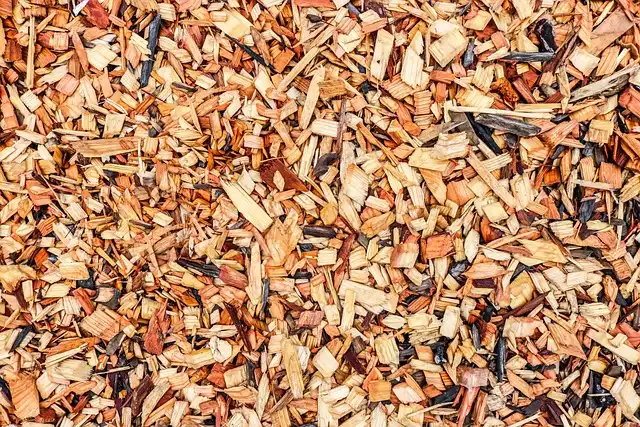
Multiple peer-reviewed studies confirm cedar’s insect-repelling properties. A 2014 study published in the Journal of Economic Entomology found cedarwood oil effective against house dust mites and certain stored-product pests at concentrations above 1%. Cedar’s active compounds work through two mechanisms: direct toxicity to larvae (eggs and young insects die on contact with fresh cedarwood oil) and olfactory repellency (adult insects detect the oil through chemoreceptors and avoid the area). This dual action makes fresh cedar one of the more reliable natural pest deterrents for indoor use.
Important caveat: cedar oil potency decreases as the oils evaporate. Cedar blocks or planks more than 3–5 years old may have little remaining repellent effect unless sanded or re-oiled. This explains why some people report that “cedar stopped working” — the wood itself is fine, but the active oils are depleted.
Does Cedar Repel Bugs? The Short Answer
Cedar repels bugs through cedrol and thujopsene — aromatic compounds in the heartwood that interfere with insect pheromones and nervous systems. This effect is strongest in fresh, unfinished aromatic cedar. Sealed or painted cedar loses most repellent properties within 1–2 years.
Myths About Cedar And Bugs
Cedar wood is often claimed to repel all insects. This is an overstatement. Cedar oil is effective against moths, silverfish, and cockroaches — but not against termites (which will eat sapwood), carpenter bees (which bore for nesting), or mosquitoes outdoors at practical concentrations. Another common myth is that cedar chips around the foundation keep all pests out. Cedar mulch outdoors degrades faster, loses oil quickly, and can actually attract certain soil-dwelling insects that thrive in organic matter.
Some people think cedar is a complete, permanent pest solution. It is not. Cedar works best as part of a layered approach — combined with proper storage, regular cleaning, airtight containers, and targeted pest control where needed.
Does Cedar Mulch Attract Bugs?
Cedar mulch has a mixed reputation for bug control in gardens. Fresh cedar mulch does release oils that deter some insects. But because it breaks down and loses oil content faster than solid cedar, it can simultaneously attract moisture-seeking pests if used incorrectly. Here is what actually happens:
| Bug Type | Cedar Mulch Effect | Why |
|---|---|---|
| Clothes moths | ✅ Repelled | Cedar oils toxic to larvae |
| Slugs & snails | ⚠️ Can attract | Damp mulch = moisture habitat |
| Earwigs & pill bugs | ⚠️ Can attract | Hide under thick mulch layers |
| Ants (some species) | ✅ Repelled | Cedar scent disrupts pheromone trails |
| Termites | ⚠️ Partial only | Repels some, heartwood only |
| Carpenter bees | ❌ Not repelled | Bore for nesting regardless of scent |
Best practice for cedar mulch: Apply 2–3 inches maximum depth. Keep it 6 inches away from your home’s foundation. Let it dry out between watering. Replace or refresh annually. Fresh chips are more effective than decomposed mulch that has lost its oil.
Types Of Bugs Cedar Repels (And Which It Doesn’t)
Bugs Cedar Repels Effectively
- Clothes moths (Tineola bisselliella): The primary reason cedar closets exist. Cedar oil kills moth larvae and repels adults. Works best in enclosed spaces where oil concentration builds up.
- Silverfish: Strongly repelled by cedar’s aromatics. Cedar blocks and chips in bookshelves and storage areas keep silverfish away from paper and fabric.
- Cockroaches: Cedar oil is a known repellent and mild contact insecticide for cockroaches. Not a standalone solution for infestations but useful for prevention.
- Some ant species: Cedar disrupts ant pheromone trails. Effective against pavement ants and odorous house ants when used at entry points.
- Flies: Cedar oil sprays repel certain fly species. Less practical outdoors but effective in enclosed spaces.
Bugs Cedar Does NOT Reliably Repel
- Termites: Cedar heartwood has some resistance, but subterranean termites will readily attack cedar sapwood and stressed heartwood. Do not rely on cedar as termite protection.
- Carpenter bees: These bore into soft, weathered cedar for nesting — especially unpainted cedar siding and fascia boards.
- Mosquitoes: Cedarwood oil shows some lab repellency, but the concentration needed for outdoor effectiveness is impractical without a direct spray application.
- Bed bugs: Cedar has no proven effectiveness against bed bugs. They avoid cedar temporarily but return when the scent fades.
Cedar’s Natural Repellent Properties
The active insect-repelling compounds in cedar are concentrated in the heartwood oil — particularly thujopsene (a sesquiterpene hydrocarbon), cedrol, and methyl thujate. These volatilize at room temperature, creating the aromatic scent that makes cedar unmistakable. Insects detect these compounds through their chemoreceptors (equivalent to smell) and avoid them. Cedar oil is safe for humans and pets at normal use levels and is registered by the EPA as a minimum-risk pesticide (Section 25(b)) — meaning it can be sold without full pesticide registration because of its established safety record.
Effective Use Of Cedar In Pest Control
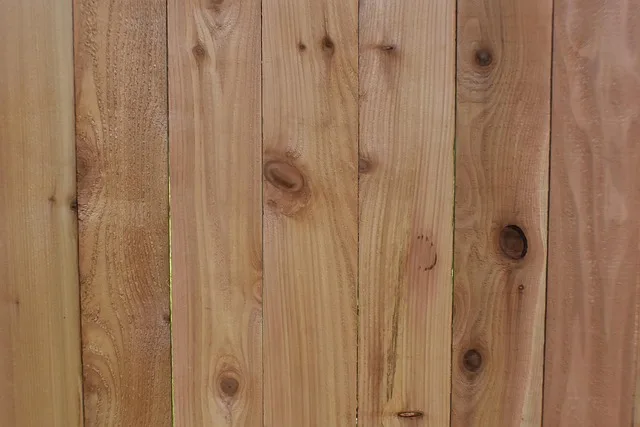
Getting cedar to actually work for bug control comes down to using the right form in the right place. Cedar blocks, chips, hangers, and oil each have different use cases and effectiveness levels:
- Cedar blocks and rings in closets: Most effective because the space is enclosed and oil concentration builds. Replace or sand every 1–2 years.
- Cedar chips in pet beds and garden beds: Use fresh chips — older chips lose oil quickly. Keep them dry. Replace seasonally.
- Cedar oil spray on surfaces: Good for targeting entry points like window frames and baseboards. Reapply every 2–4 weeks.
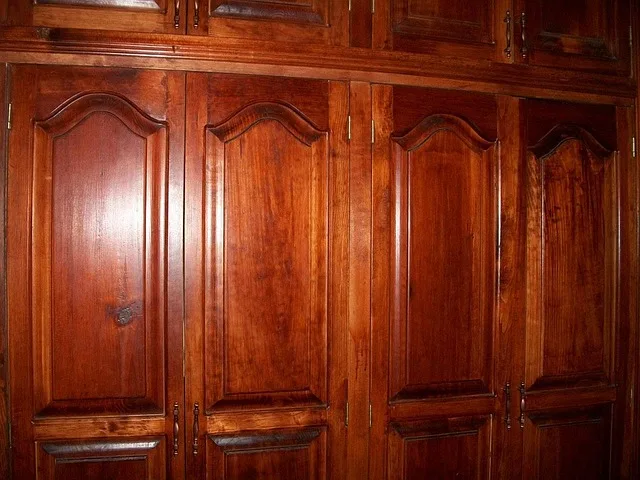
- Cedar-lined closets and chests: The gold standard for clothing protection. Aromatic cedar paneling maintains effectiveness for 5–10 years before needing a light sanding to refresh.
- Cedar hangers: Light protection for items hanging directly. Useful supplement to cedar blocks but not sufficient on their own.
Tips for Getting the Most Out of Cedar
- Use aromatic heartwood: Light-colored cedar sapwood has minimal oil content. Look for darker, aromatic heartwood for real bug repellency.
- Sand regularly: Once the surface oils evaporate, lightly sand cedar surfaces (120-grit) to expose fresh wood and restore the scent.
- Keep it dry: Wet cedar in enclosed spaces can develop mold. Ensure good airflow in cedar-lined closets.
- Combine with other methods: Cedar is a deterrent, not an exterminator. Use it alongside airtight storage, regular cleaning, and targeted insecticides for active infestations.
- Replace outdoor cedar chips annually: Exterior cedar mulch loses oils much faster than indoor cedar products.
Prevention Tips To Minimize Bugs
Cedar works best as a preventive measure — not an active infestation treatment. To maximize its effectiveness, pair it with these practices:
Proper Cedar Maintenance
Sand cedar surfaces lightly (120-grit sandpaper) every 1–2 years to expose fresh wood and restore the aromatic oils. Clean cedar regularly to remove dust and debris that can mask the scent. Keep indoor cedar dry — moisture can reduce oil effectiveness and promote mold in enclosed spaces. Inspect cedar furniture and closet paneling annually for signs of insect boring or damage.
Combining Cedar With Other Methods
For maximum pest protection, use cedar alongside proper cedar quantities for moth control, airtight storage containers for off-season clothing, regular vacuuming of closet floors, and professional treatment for active infestations. Cedar deters; it rarely eliminates an existing problem. For outdoor gardens, combine cedar mulch with companion planting (lavender, marigolds, rosemary) and physical barriers for a layered approach to pest management.
Frequently Asked Questions
Does cedar repel bugs naturally?
Yes — cedar heartwood contains natural oils (thujopsene, cedrol, methyl thujate) that are toxic to insect larvae and repellent to adult moths, silverfish, cockroaches, and some ants. The oils volatilize at room temperature and work best in enclosed spaces where concentration can build. Cedar is most effective fresh; sand every 1–2 years to restore potency as oils evaporate.
What insects does cedar repel?
Cedar repels clothes moths, silverfish, cockroaches, some ant species (pavement ants, odorous house ants), and carpet beetles. Its scent and oils disrupt insect chemoreceptors and are toxic to larvae at contact concentrations. Cedar does not reliably repel termites, carpenter bees, mosquitoes, or bed bugs — those require targeted treatments.
Can cedar be used indoors for bug control?
Yes — indoor use is where cedar performs best. Cedar-lined closets, cedar blocks in drawers, cedar chips in storage bins, and cedar oil sprays on baseboards all work effectively because the enclosed environment concentrates the volatile oils. Cedar is EPA minimum-risk rated and safe for use around people and pets at normal application levels.
Is cedar oil effective against bugs?
Yes. Cedar oil is the concentrated form of the same compounds found in cedar wood and is used in commercial natural pest control products. It is effective against cockroaches, fleas, ticks, ants, silverfish, and moths. It requires reapplication every 2–4 weeks when sprayed on surfaces. Cedar oil is registered as an EPA minimum-risk pesticide (Section 25(b)), so it can be sold without a full pesticide registration due to its established safety record.
Does cedar mulch attract bugs?
Cedar mulch can attract moisture-seeking insects like earwigs, pill bugs, and slugs if applied too thickly (over 3 inches) or kept constantly wet. Fresh cedar mulch releases oils that repel moths and some ants, but the outdoor environment degrades the oils quickly. Best practice: apply 2–3 inches maximum, keep it 6 inches away from your foundation, and let it dry between waterings.