Exploring Fire Chief Wood Burning Stoves: A Comprehensive Guide for Homeowners
Hey there! If you’re thinking about cozying up your home with a wood burning stove, you’ve probably come across Fire Chief wood burning stoves. As someone who’s spent time researching and diving deep into the world of wood heating, I’m excited to share everything I’ve learned about these furnaces. They’re not just about warmth—they’re about efficiency, sustainability, and transforming your home into a haven during those chilly months. Whether you’re new to wood stoves or a seasoned user, I’m here to walk you through why Fire Chief stands out, how their stoves work, and what you need to know to make an informed choice. Let’s get started!
What Makes Fire Chief Wood Burning Stoves Special?
I remember the first time I heard about Fire Chief stoves. I was looking for a reliable heating solution for my home, and their name kept popping up. Fire Chief, a brand under HY-C Company, has been crafting wood burning furnaces in St. Louis, Missouri, for over 40 years. What caught my attention was their focus on clean-burning technology and EPA certification. These stoves aren’t just about throwing logs in and hoping for the best—they’re engineered to burn hotter, longer, and cleaner.
The standout feature? Their Whole-Home Heating Solution. Unlike traditional fireplaces that only warm the room they’re in, Fire Chief stoves can heat entire homes, up to 2,500 square feet for models like the FC1000E. They’re designed to integrate with your existing HVAC system, pushing warm air through your ductwork. This means every corner of your house gets that cozy, consistent heat. Plus, their EPA-certified clean burn technology ensures minimal emissions, which is a big win for both the environment and your peace of mind.
Why Choose a Fire Chief Wood Burning Stove?
When I was exploring heating options, I wanted something that balanced cost, efficiency, and environmental impact. Fire Chief stoves checked all those boxes. Here’s why I think they’re worth considering:
- Longer Burn Times: One load of wood can keep your home warm for up to 9–15 hours, depending on the model. That means fewer trips to reload, which is a lifesaver on busy days.
- Clean Burning: These stoves produce as little as 0.11 lbs. of emissions per million BTUs, making them some of the cleanest in the industry.
- Made in the USA: Knowing they’re built in Missouri with a focus on quality gives me confidence in their durability.
- Versatility: You can use them as standalone units or connect them to your existing furnace for whole-home heating.
I also love that they’re designed with real homeowners in mind. The digital thermostat, for instance, makes it easy to maintain a comfortable temperature without constantly tending the fire. And the stainless steel-lined firebox? It’s built to last, with some models offering a lifetime warranty on the firebox and grates.
Key Features of Fire Chief Wood Burning Stoves
Let’s dive into the nuts and bolts of what makes these stoves tick. When I first looked into the Fire Chief FC1000E, I was impressed by how much thought went into its design. Here are the key features that stood out to me:
High-Efficiency Heating
The FC1000E, a VESTA Award winner in 2019, boasts a peak output of up to 198,000 BTUs, with an average output of around 60,000 BTUs. That’s enough to heat a medium to large home comfortably. The efficiency rating of 79% means most of the heat stays in your home rather than escaping up the chimney. For someone like me, who hates wasting energy, this was a huge plus.
Clean Burn Technology
Fire Chief’s clean burn technology is a game-changer. It uses a secondary air control system to burn off gases released during combustion. This not only reduces emissions but also maximizes heat output. I’ve noticed that my home stays cleaner too—no smoky residue or lingering odors.
Durable Construction
The stainless steel-lined firebox and fixed cast iron grate system are built to handle years of use. I’ve read stories from users who’ve had their Fire Chief stoves for decades, and they’re still going strong. The lifetime warranty on the firebox gives me peace of mind that this is a long-term investment.
Easy Installation and Maintenance
I’m no HVAC expert, but I found the installation process straightforward, especially with the pre-wired components and front-mounted draft inducer. The included installation DVD was a nice touch. Maintenance is simple too—just clean out the ash pan regularly and schedule an annual chimney sweep to keep things safe.
Optional Accessories
Fire Chief offers accessories like the EmberGuard Steel Stove Board to protect your floors and a furnace stand to make loading wood easier. I got the tool set with a poker and rake, and it’s made tending the fire so much simpler.
Here’s a quick table summarizing the key specs of the Fire Chief FC1000E:
| Feature | Details |
|---|---|
| Heating Capacity | Up to 2,500 sq. ft. |
| Firebox Volume | 3.4 cu. ft., accepts 20” logs |
| Max BTU Output | 198,000 BTU (peak), 60,000 BTU (average) |
| Burn Time | Up to 9 hours |
| Emissions | 0.11 lbs./million BTU |
| Efficiency | 79% |
| Warranty | Lifetime (firebox & grates), 2 years (blower), 1 year (electrical components) |
| Dimensions | W: 26” D: 45.5” H: 42” |
How to Operate a Fire Chief Wood Burning Stove
Using a Fire Chief stove is easier than I expected, but there’s a bit of a learning curve if you’re new to wood burning. Here’s how I got the hang of it:
Starting the Fire
I use the top-down method, which I found burns cleaner. Start by placing large, dry logs at the bottom of the firebox, leaving small gaps for airflow. Layer smaller kindling on top, and add a firestarter. Open the primary air control fully to get the fire going. Once it’s burning steadily, I gradually close the air control to maintain a consistent burn.
Maintaining the Fire
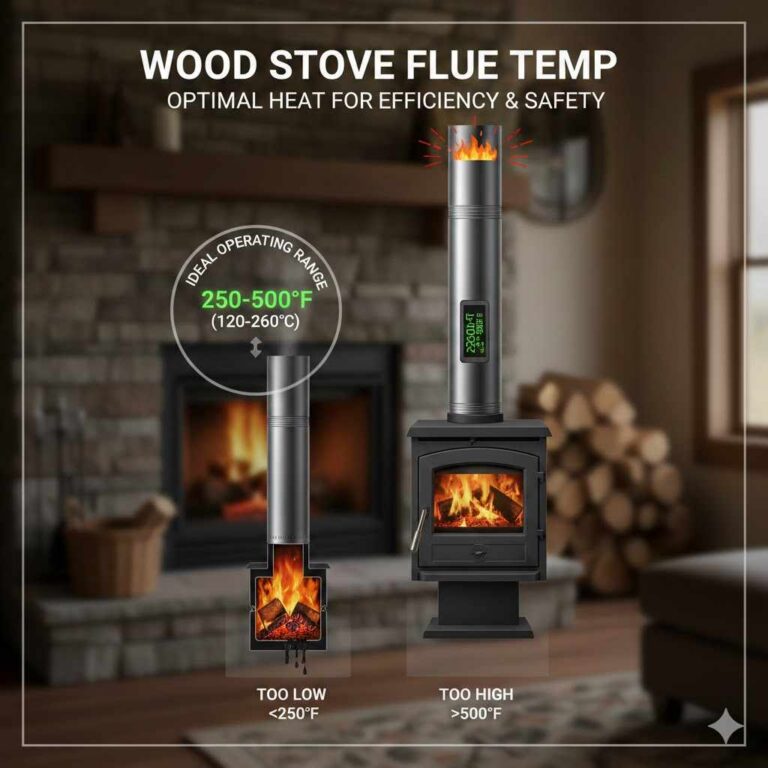
The key is to add wood when the fire burns down to glowing embers. I make sure to use seasoned hardwood—oak or hickory works great—and avoid wet or resinous wood, which can cause creosote buildup. A stovepipe thermometer helps me keep the flue temperature in the recommended range to prevent overheating or smoldering.
Safety Tips
Safety is huge for me. I always make sure flammable objects are far from the stove, and I use a fireguard to keep pets or kids away. Before going to bed, I close the air vents almost completely to let the fire die down slowly. Never throw water on the fire—it can create steam burns or smoke. And don’t skip the annual chimney sweep; it’s critical to avoid chimney fires.
Pros and Cons of Fire Chief Wood Burning Stoves
No product is perfect, and I’ve weighed the pros and cons to give you a clear picture.
Pros
- Cost-Effective Heating: Wood is often cheaper than propane or electricity, especially if you have access to free firewood.
- Eco-Friendly: Low emissions make these stoves a greener choice compared to older models.
- Reliable Heat: The long burn times and whole-home heating capability keep your house cozy even in freezing weather.
- Durable Build: The lifetime warranty on the firebox and grates speaks to their quality.
Cons
- Installation Complexity: Connecting the stove to your HVAC system can be tricky if you’re not handy. I recommend hiring a professional.
- Maintenance Needs: Regular ash removal and chimney cleaning are musts to keep it running safely.
- Initial Cost: At around $3,295 for the FC1000E, it’s a significant upfront investment, though it pays off over time.
Comparing Fire Chief to Other Brands
When I was shopping around, I compared Fire Chief to other brands like Drolet and Englander. Here’s what I found:
- Fire Chief vs. Drolet: Drolet’s Tundra model is a solid competitor, but some users report it burns more wood. Fire Chief’s clean burn technology gives it an edge in efficiency.
- Fire Chief vs. Englander: Englander’s 28-4000 model is reliable and simpler in design, but it lacks the advanced thermostat and blower features of Fire Chief stoves.
- Fire Chief vs. Yukon: Yukon furnaces are known for durability, but I saw mixed reviews about their efficiency compared to Fire Chief’s EPA-certified models.
For me, Fire Chief stood out because of its balance of modern features, clean burning, and a strong warranty. If you’re looking for a furnace that’s both high-tech and user-friendly, it’s hard to beat.
Tips for Choosing the Right Fire Chief Model
Picking the right model depends on your home and needs. Here’s what I considered:
- Home Size: The FC1000E is great for homes up to 2,500 square feet. For larger homes, the FC1700 might be better, though I’ve read mixed reviews about its performance in very large spaces.
- Usage Frequency: If you only use the stove a few months a year, the FC1000E is plenty. For constant use in colder climates, consider the FC1500 or FC1700.
- Budget: The FC1000E is reasonably priced, but accessories like the furnace stand add to the cost. Factor those in.
- Fuel Availability: If you have access to plenty of seasoned hardwood, you’ll save money and get the most out of your stove.
I also recommend talking to local dealers for user references. Hearing from real owners helped me feel confident in my choice.
Environmental and Health Considerations
One thing I worried about was the environmental impact of wood burning. Fire Chief’s EPA certification eased my concerns, but I still dug deeper. Wood burning can release PM2.5 particles, which are linked to health issues like heart and lung disease. However, modern stoves like Fire Chief’s produce far fewer emissions than older models or open fireplaces. Using dry, seasoned wood and maintaining proper airflow further reduces emissions.
I also learned that wood burning stoves contribute about 18% of the UK’s greenhouse gas emissions from homes, and I assume it’s similar in the US. That’s why I make sure to burn only what I need and keep my stove in top shape. If you’re eco-conscious like me, you’ll appreciate Fire Chief’s focus on clean burning.
My Experience with Fire Chief Customer Support
I had a question about installation, so I called Fire Chief’s toll-free number (1-800-875-4788). The team was super helpful, walking me through the process and even suggesting a local HVAC pro. Their website also has detailed manuals and troubleshooting guides, which I found invaluable. Knowing there’s solid support behind the product made me feel even better about choosing Fire Chief.
Conclusion
After diving deep into the world of Fire Chief wood burning stoves, I can honestly say they’re a fantastic choice for anyone looking to heat their home efficiently and sustainably. From their clean burn technology to their durable construction, these stoves are designed to make your life easier while keeping your home warm and cozy. Sure, there’s an upfront cost and some maintenance involved, but the savings on heating bills and the peace of mind from a reliable, eco-friendly furnace are worth it. Whether you’re upgrading from an old stove or trying wood heating for the first time, Fire Chief has a model that can fit your needs. I’m thrilled with mine, and I bet you’ll love yours too!
FAQs
Can I leave my Fire Chief wood burning stove on overnight?
Yes, you can, but you need to take precautions. I close the air vents almost completely to let the fire die down slowly. Make sure no flammable items are nearby, and use a fireguard if you have pets or kids. Never throw water on the fire or leave the stove door open.
How often should I clean my Fire Chief stove’s chimney?
I schedule a chimney sweep at least once a year, as recommended by HETAS. If you burn a lot of wood or coal, twice a year is better to prevent creosote buildup, which can cause chimney fires.
What type of wood is best for Fire Chief stoves?
Seasoned hardwood like oak or hickory works best for me. Avoid wet or resinous wood, as it causes more smoke and creosote. Make sure the wood is dry and stored properly for at least 6–12 months.
Is the Fire Chief FC1000E suitable for a small home?
Absolutely! It’s designed for homes up to 2,500 square feet, but you can manage smaller fires for a smaller space. Just be mindful of emissions, as small fires in a large stove can be less efficient. Consider a smaller model if your space is under 1,000 square feet.
How does the Fire Chief warranty work?
The FC1000E comes with a lifetime warranty on the firebox and grates, a 2-year warranty on the blower, and a 1-year warranty on electrical components. You’ll need proof of purchase and a professional assessment for any claims. Contact Fire Chief directly for details.