Grand Fir Vs Douglas Fir: The Ultimate Tree Comparison
Grand Fir and Douglas Fir are two popular trees. Both have unique qualities and uses.
Comparing these trees helps you understand their differences better. Whether you are choosing a Christmas tree or lumber for a project, knowing their traits can be beneficial. Grand Firs are known for their strong fragrance and soft needles. Douglas Firs, on the other hand, are valued for their strength and versatility.
In this post, we will explore the key differences between these two trees. This comparison will help you make an informed decision based on your needs and preferences. Let’s dive in and see which tree suits you best.
:max_bytes(150000):strip_icc()/SPR-twelve-species-of-fir-trees-3269663-2dbd42ed35204978a7417f9bf909bf0a.png)
Credit: www.thespruce.com
Origins And Habitat
Grand Fir thrives in the moist forests of the Pacific Northwest. Douglas Fir, found in a wider range, spans from British Columbia to California. Both trees prefer well-drained soil and ample sunlight.
Geographic Distribution
Grand Fir trees grow in the northwestern United States. They also thrive in Canada. You can find them in forests and near rivers. Douglas Fir trees are common in western North America. They grow in places like Oregon and British Columbia. These trees also spread to Europe and New Zealand.
Preferred Growing Conditions
Grand Fir trees prefer moist soil. They need good drainage. These trees like to grow in valleys. Douglas Fir trees are more adaptable. They can grow in many soil types. They love sunny spots and can handle dry summers.

Credit: m.youtube.com
Physical Characteristics
Grand Firs can grow up to 300 feet tall. They are very impressive. Douglas Firs also grow tall, but not as much. They reach around 250 feet. Both trees are very wide, with Grand Firs being a bit wider. These trees need a lot of space to grow well.
The bark of the Grand Fir is smooth and gray when young. It becomes rough and scaly as it gets older. Douglas Fir bark is thicker and more rugged. It has deep grooves. The needles of Grand Firs are flat and soft. They have a strong smell. Douglas Fir needles are sharp and pointy. They are also a bit longer.
Growth Patterns
Grand Fir trees grow at a moderate pace. They add about 12-24 inches each year. Douglas Fir trees grow faster. They can grow 24-36 inches per year. This makes Douglas Fir a better choice for quick coverage.
Grand Fir trees can reach 200-250 feet in height. Their trunk diameter can be 3-4 feet wide. Douglas Fir trees also grow tall. They can reach up to 330 feet. Their trunk can be 5-6 feet wide. Both trees can become very large and impressive.

Wood Quality And Uses
Grand Fir wood is softer and has a lower density. It is easier to cut and shape. But, it is not as strong. Douglas Fir wood is harder and has a higher density. It is very strong. It is harder to cut, but lasts longer.
Grand Fir is used for pulp and paper. It is also used for doors and frames. Douglas Fir is used for construction. It is also used for boats and flooring. Both types of wood have many uses. But, they are used for different things.
Wildlife And Ecological Impact
Grand Fir and Douglas Fir trees provide essential habitats for wildlife. Grand Firs often support larger bird populations. Douglas Firs offer shelter to diverse species, impacting local ecosystems significantly.
Habitat For Wildlife
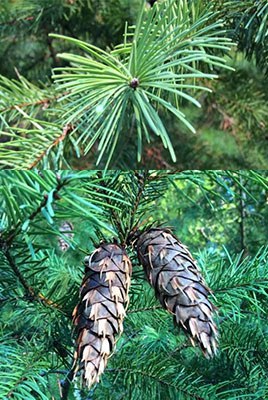
Grand firs offer shelter to many animals. Birds build nests in their branches. Small mammals find cover in their dense foliage. These trees also provide food. Squirrels eat seeds from the cones.
Douglas firs are also important. Their thick bark gives homes to insects. Woodpeckers then feed on these insects. Bears and deer eat their buds and shoots.
Role In Ecosystem
Grand firs help keep the soil healthy. Their fallen needles make the soil rich. This helps other plants grow. They also support fungi which help trees absorb nutrients.
Douglas firs also play a big role. They help prevent erosion. Their roots hold the soil. This keeps the land from washing away. They also support many types of plants and fungi
Credit: www.deschuteslandtrust.org
Cultivation And Care
Choose a spot with good sunlight. Both trees need a lot of light. Dig a hole twice the size of the root ball. Place the tree in the hole and cover the roots. Water the tree right after planting. Keep the soil moist but not too wet. Mulch around the base to hold moisture.
Water the trees regularly, especially in the first few years. Prune the branches to keep the tree healthy. Check for pests and diseases often. Fertilize the soil once a year for better growth. Protect the trees from harsh weather.
Common Pests And Diseases
Grand Fir and Douglas Fir face many pests. Aphids are common. They suck sap from the tree. Spider mites also attack. They cause yellow spots on leaves. Bark beetles are another threat. They burrow into the wood. Caterpillars can eat leaves. They reduce the tree’s health.
Disease control is crucial. Use fungicides to prevent rot. Prune infected branches. Remove and burn them. Keep trees healthy with good care. Water them well. Use fertilizers to boost growth. Avoid over-watering. It can cause root rot. Inspect trees regularly for signs of disease. Early action helps.
Frequently Asked Questions
Is Grand Fir The Same As Douglas Fir?
No, grand fir and Douglas fir are not the same. They are different species of evergreen trees with distinct characteristics.
Is Grand Fir A Good Christmas Tree?
Yes, grand fir is a good Christmas tree. It has a pleasant fragrance, soft needles, and strong branches for ornaments.
What Is The Difference Between Fir And Douglas Fir?
Fir trees have soft, flat needles and smooth bark. Douglas firs have sharp needles and rough, thick bark.
What Are The Disadvantages Of Douglas Fir?
Douglas fir is prone to insect attacks and fungal infections. It requires regular maintenance and treatments. The wood can warp or twist when drying. It is less durable compared to hardwoods.
Conclusion
Choosing between Grand Fir and Douglas Fir can be challenging. Both have unique qualities. Grand Fir often features a stronger aroma. Douglas Fir boasts a robust structure. Consider your needs and preferences. Evaluate the specific uses for each tree. Both options offer great benefits for various projects.
Make an informed choice for the best results. Happy selecting!