What Is Milling Wood? How Logs Become Usable Lumber
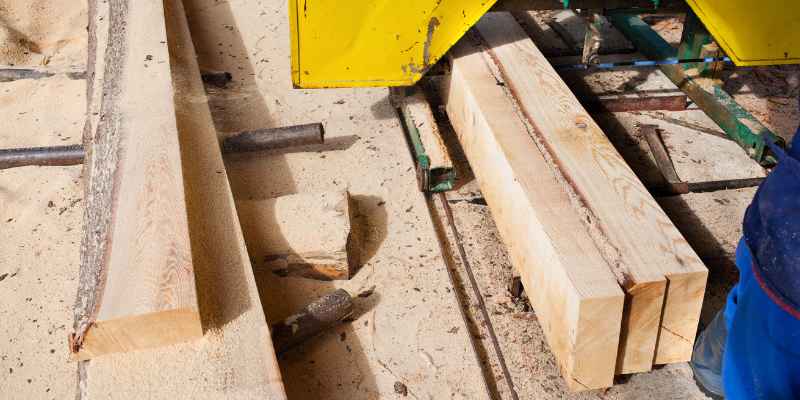
Milling wood is the sawmill process of debarking a log, then sawing and planing it into dimensioned lumber — boards with a consistent thickness, width, and squared edges that a woodworker can actually build with.
Two numbers most guides skip: kerf loss and yield. Every pass through a bandsaw blade turns about 1/8 inch of solid wood into sawdust, and a wider circular-saw blade can waste closer to 3/16 inch per cut. Stack that across a log, and a typical sawlog only converts to roughly 50–60% usable lumber by volume once you subtract kerf, taper, and the rounded slab sides. How a mill orients each cut against the log’s growth rings — flat-sawn versus quarter-sawn — changes both that yield number and how stable the finished boards will be.
Freshly milled lumber is also not ready to build with. Green wood straight off the saw can sit at 30–200% moisture content depending on species. It needs to air-dry (roughly one year per inch of thickness, as a rule of thumb) or be kiln-dried down toward the 6–8% equilibrium moisture content that indoor furniture needs to stay stable. Skip that step and boards will cup, twist, or open up gaps at the joints months after a project is finished.
Introduction To Milling Wood
BEST MOISTURE METER FOR FRESHLY MILLED WOOD
 |
General Tools MMD4E Moisture Meter for Wood – $38.83 Checks whether a freshly milled board has actually dropped to the 6–8% moisture content this guide recommends before you build with it — pin-type probes read both surface and mid-board moisture.
|
Milling wood is a process that shapes and cuts wood into desired forms. It uses machines to remove material from the wood. This technique is essential for creating furniture, cabinets, and other wooden items.
The basics of milling wood involve several steps. First, the wood is prepared and measured. Then, the milling machine cuts it according to the design. This method ensures precise dimensions and smooth finishes.
Importance in carpentry cannot be overstated. It allows carpenters to craft intricate designs. Milling enhances the wood’s appearance and usability. Proper milling can make a significant difference in the final product.

Types Of Wood For Milling
Choosing the right wood for milling is important. Hardwoods and softwoods have different qualities. Hardwoods come from deciduous trees. They are often denser and stronger. Examples include oak and maple. Softwoods come from coniferous trees. They are usually lighter and easier to work with. Common types are pine and cedar.
Consider the project requirements when selecting wood. Hardwoods are great for furniture and flooring. They last longer and resist wear. Softwoods work well for construction and crafts. They are cheaper and easier to cut.
Always check for moisture content and grain patterns. These factors affect the final product. Proper selection leads to better results in milling.
The Milling Process
The milling process involves several important steps. First, wood is selected based on quality. Next, it is cut into manageable pieces. This makes it easier to work with. After that, the wood is placed in a milling machine.
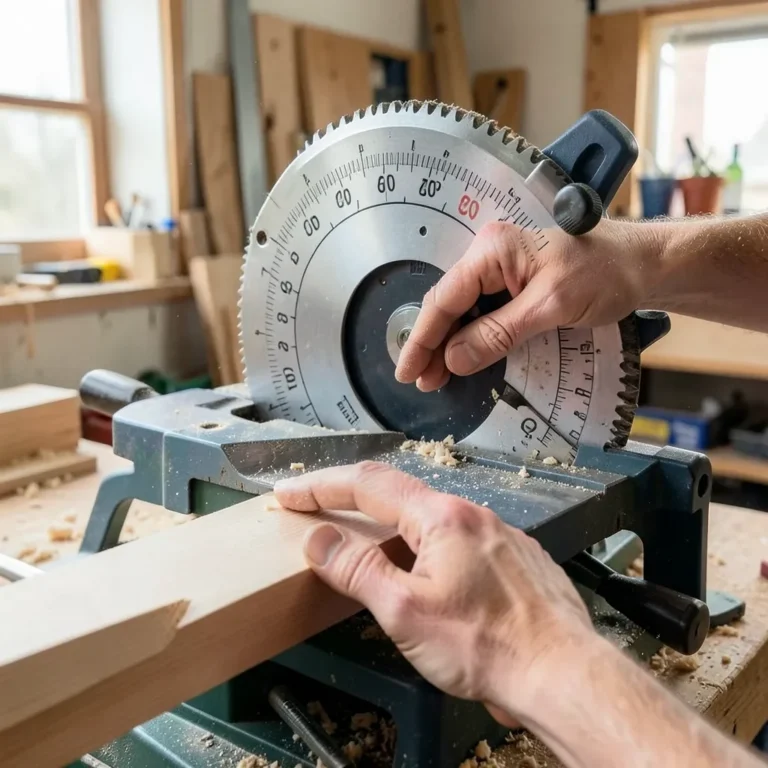
The tools and equipment used in milling are essential. Common tools include saws, routers, and chisels. Each tool has a specific function. Saws cut the wood, while routers shape it. Chisels help refine edges and details.
Safety equipment is also vital. Workers should wear goggles and gloves. This protects them from wood chips and sharp tools. Proper training ensures everyone knows how to use equipment safely.
Techniques For Precision
Measuring and marking are key steps in milling wood. Use a tape measure for accurate lengths. A square helps ensure perfect angles. Always mark cuts clearly to avoid mistakes.
Cutting and shaping wood require precision tools. A bandsaw is great for curved cuts. A table saw is best for straight cuts. Chisels and planes refine shapes and edges. Use sandpaper to smooth surfaces after cutting.
Finishing Touches
After milling wood, finishing touches are vital. Sanding smooths rough surfaces. Use different grits for best results. Start with a coarser grit, then move to finer ones. This process removes any imperfections.
Staining adds color and highlights the wood’s grain. Choose a stain that matches your project. Apply it evenly with a brush or cloth. Allow it to dry fully before applying a sealer.
Sealing protects the wood from moisture and wear. Use a clear polyurethane or varnish. This final step ensures the wood lasts longer and looks beautiful.
Common Milling Challenges
Milling wood can be tricky. Splintering is a common problem. To avoid this, use sharp tools. A slow feed rate helps too. Make sure to keep the wood steady. This reduces the chance of splinters.
Dealing with knots in wood can also be challenging. Knots can cause tools to snag or break. Use a router or a jigsaw for better control. Working slowly around knots is key. This helps in achieving a smooth finish.
Advanced Milling Techniques
Milling wood involves various techniques to shape and join pieces. Joinery basics include connecting wood parts securely. Common methods are dovetail, mortise and tenon, and finger joints. Each method has its unique strength.
Creating complex shapes requires skill and precision. Use a variety of tools like routers and jigs. These tools help achieve curves, angles, and intricate designs. Mastering these techniques enhances the beauty and function of wood projects.
DIY Projects And Ideas
Milling wood is a fun way to create projects. Many people enjoy making their own furniture. Simple items like tables and chairs are great for beginners. Choose the right type of wood for your project.
Decorative items add charm to any space. Consider making unique picture frames or shelves. These items can showcase your creativity. Use different wood types to create interesting designs.
Tools like saws and sanders are essential. Safety gear is important when working with wood. Start with small projects to build your skills. Enjoy the process and let your ideas flow!
Frequently Asked Questions
What Is The Purpose Of Milling Wood?
Milling wood is a process that shapes and sizes lumber into usable forms. It removes excess material, ensuring uniform thickness and smooth surfaces. This technique is essential for creating furniture, cabinetry, and other wooden products. Proper milling enhances the wood’s appearance and prepares it for further finishing.
How Is Wood Milled?
Wood is milled using various machines like saws and planers. These tools cut and shape the wood to achieve desired dimensions. The milling process can be done both manually and with automated equipment. Each method ensures precision and efficiency in transforming raw timber into finished products.
What Types Of Wood Can Be Milled?
Most types of hardwood and softwood can be milled effectively. Common choices include oak, maple, pine, and cedar. Each wood type offers unique characteristics that affect the milling process. Selecting the right wood is crucial for achieving the desired strength and aesthetic appeal in projects.
What Tools Are Used For Milling Wood?
Common tools for milling wood include band saws, table saws, and jointers. These machines perform different milling functions, from cutting to smoothing. Hand tools like planes and chisels may also be used for finer details. The choice of tools depends on the project’s scale and complexity.
Conclusion
Milling wood is an essential process in woodworking. It shapes and smooths lumber for various projects. Understanding this technique enhances your craftsmanship. Whether you are a beginner or an expert, mastering milling can elevate your work. Explore different milling methods to find the best fit for your needs and projects.
Sponsored / affiliate links. As an Amazon Associate I earn from qualifying purchases. I may earn additional commission from eligible campaigns.