Shedua Wood (Ovangkol): 1,330 Janka Hardness, Uses & Care
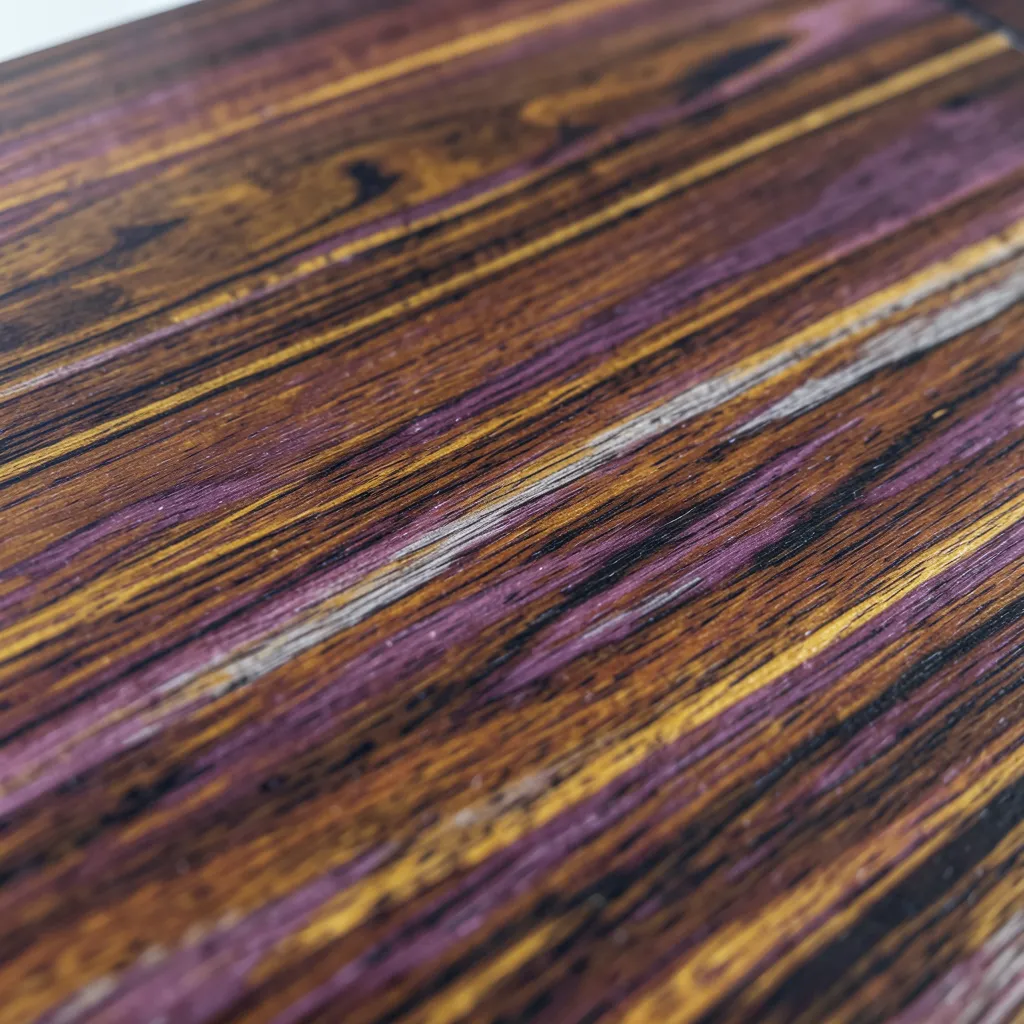
Shedua (Guibourtia ehie), also sold as Ovangkol, is a West African hardwood that rates 1,330 lbf on the Janka scale — harder than red oak (1,290 lbf) but softer than hard maple (1,450 lbf) — with dark brown, purplish heartwood streaked with yellow and gray. Its density and interlocked grain make it durable but tougher on tools than domestic hardwoods. This guide covers its best uses, how it compares to other hardwoods, and the specific tools and finishing steps that work with its grain.
Uses
Best Finish Pick for Shedua
 |
Hope’s 100% Pure Tung Oil (16 fl oz) – $17.99 A penetrating natural/clear oil finish — exactly the look this guide recommends to let shedua’s rich color and grain show through, rather than a film finish that mutes it.
|
As an Amazon Associate we earn from qualifying purchases.
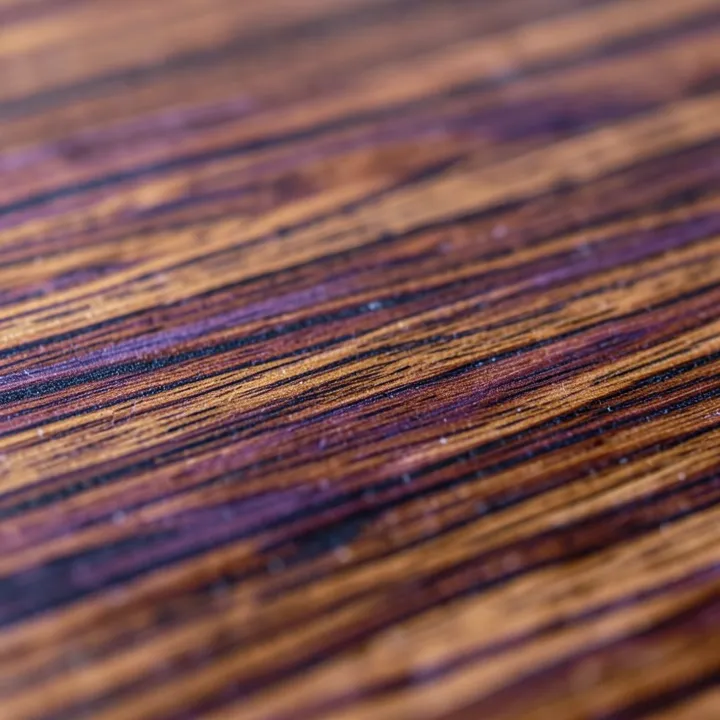
When it comes to the uses of Shedua wood, this beautiful African hardwood is versatile and highly sought after for various applications. It is known for its strength, durability, and attractive appearance, making it a popular choice for furniture making, musical instruments, and decorative items.
Furniture Making
Shedua wood is a preferred choice for furniture making due to its rich, dark brown color, and fine grain pattern, which lends an elegant touch to any piece of furniture. Its natural resistance to rot and decay makes it ideal for crafting durable and long-lasting furniture pieces such as tables, chairs, and cabinets.
Musical Instruments
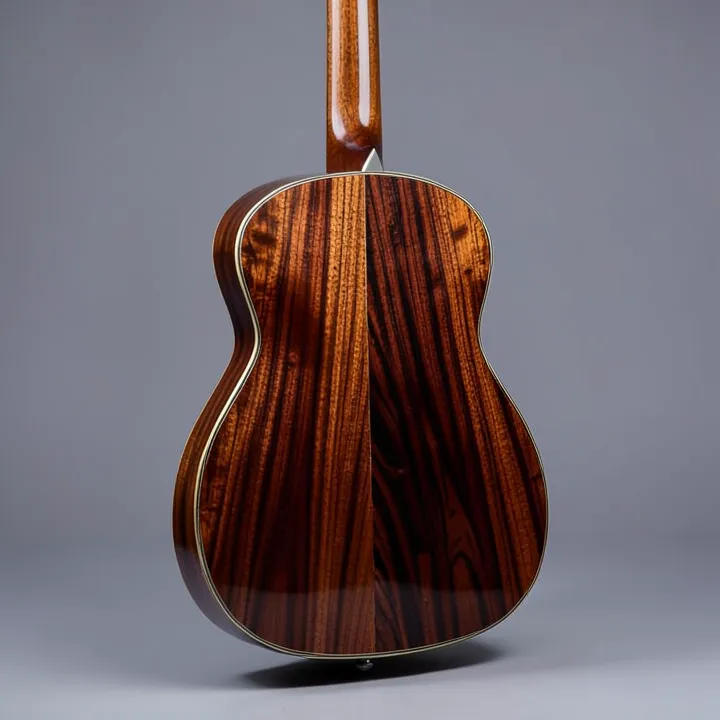
Shedua wood is valued for its acoustic properties, making it a favored material for crafting musical instruments. Its dense and resonant nature contributes to the exceptional sound quality of instruments like guitars, percussion instruments, and woodwinds. Additionally, its stunning appearance adds to the visual appeal of the instruments.
Decorative Items
Shedua wood is often used for creating intricately designed decorative items such as ornamental carvings, picture frames, and decorative veneers. Its distinct grain pattern and ability to hold detail make it a popular choice for adding aesthetic value to various decor pieces, enhancing their overall beauty and appeal.
Advantages
📊 Shedua rates 1,330 lbf on the Janka hardness scale — harder than red oak (1,290 lbf) and white oak (1,360 lbf puts it in a similar range), but noticeably harder to hand-tool than most domestic cabinet woods. — Source: The Wood Database
Comparison: Shedua wood offers exceptional characteristics that set it apart from other hardwoods. Let’s explore how it compares to other options.
Comparison With Other Hardwoods
Hardness: Shedua rates 1,330 lbf on the Janka hardness scale, putting it above red oak and in the same range as white oak — durable, but harder on blades and bits than softer domestic hardwoods.
Color: Shedua wood boasts a rich, deep color with unique grain patterns that enhance its aesthetics.
Workability: It is relatively easy to work with Shedua wood, allowing for versatile applications.
Stability: Shedua wood exhibits excellent dimensional stability, making it ideal for various weather conditions.
Cost Comparison
Initial Cost: Shedua wood is competitively priced compared to other high-quality hardwood options.
Maintenance Cost: Its durability helps reduce long-term maintenance expenses, providing cost-effectiveness.
Environmental Impact
Shedua wood is not only a beautiful and durable material for furniture and flooring, but it also has a positive environmental impact. It is important to consider sustainability and eco-friendly practices when choosing wood products, and Shedua wood checks all the boxes in this regard. Let’s explore the various aspects of the environmental impact of Shedua wood.
Sustainability
Shedua (Guibourtia ehie) is rated Least Concern by the IUCN and is not CITES-listed, which reflects a healthier population than many other exotic hardwoods on the market. That rating is not a blank check, though — regional harvesting pressure still varies by country, so sourcing from responsible, certified suppliers still matters for the species’ long-term outlook.
Eco-friendly Practices
In addition to sustainable sourcing, Shedua wood is also associated with eco-friendly practices. The entire process of transforming raw Shedua timber into finished products is carried out with utmost attention to minimizing environmental impact. The production of Shedua wood involves responsible logging techniques, reducing waste generation, and recycling wood byproducts. By choosing furniture or flooring made from Shedua wood, you are supporting companies that prioritize eco-friendly practices and contribute to a greener future.
Furthermore, Shedua wood is often sourced from sustainably managed forests and certified by organizations such as the Forest Stewardship Council (FSC). This certification ensures that the wood is harvested in a manner that meets strict environmental and social standards. By opting for Shedua wood products, you can be confident that you are making a sustainable and eco-conscious choice.
Tips For Working With Shedua Wood
Shedua wood is a popular choice for furniture makers and woodworkers due to its beautiful grain patterns and stability. However, working with shedua wood requires special attention and techniques to ensure the best results. In this blog post, we will share some valuable tips and recommendations for working with shedua wood.
Tools And Techniques
When working with shedua wood, it is important to use the right tools and techniques to achieve the desired outcome. Here are a few essential tools and techniques to consider:
- Use sharp blades and tools: A sharp blade will help you cut through shedua wood smoothly and reduce the chances of tear-out.
- Proper clamping: Since shedua wood can be prone to splintering, it is crucial to use clamps to secure the wood firmly before working on it.
- Prevent tear-out: To avoid tear-out, it’s recommended to score the wood with a knife before any cutting or routing.
- Take it slow: Shedua wood is dense and can be challenging to work with. It’s best to take your time and make multiple light passes with your tools.
- Use a respirator and dust collector: When sanding or cutting shedua wood, it can produce fine dust particles that are harmful if inhaled. Wearing a respirator and using a dust collector is essential for your safety.
Finishing Recommendations
Proper finishing is crucial to bring out the natural beauty of shedua wood and protect it from environmental factors. Here are some finishing recommendations to enhance the appearance and durability of your shedua wood creations:
- Seal the wood: Before applying any finishing product, it is important to seal the wood’s surface with a sanding sealer or a shellac-based primer to ensure an even absorption of the finish.
- Choose the right finish: Shedua wood looks stunning with a natural or clear finish that allows its rich color and grain to shine. However, you can also experiment with different stains, oils, or lacquers to achieve the desired look.
- Sand between coats: To achieve a smooth and flawless finish, sand the wood lightly between each coat of finish. This helps remove any imperfections and allows for better adhesion of subsequent coats.
- Apply multiple coats: Shedua wood can benefit from several coats of finish to deepen its color and enhance its grain. However, remember to follow the manufacturer’s instructions regarding drying times and sanding between coats.
- Protect from UV light: Shedua wood is sensitive to ultraviolet (UV) light and can darken or change color when exposed over time. To prevent this, consider using a finish with UV inhibitors or keep the furniture away from direct sunlight.
By following these valuable tips for working with shedua wood and using the right tools and techniques, you’ll be able to create beautiful and well-finished projects that highlight the unique characteristics of this exquisite wood.
Preservation And Maintenance
To preserve and maintain shedua wood, it is essential to regularly clean and treat it with wood preservative. This helps to protect it from moisture, pests, and decay, ensuring its longevity and natural beauty in furniture and decor. Regular maintenance includes wiping with a damp cloth and using specialized wood polish for a lasting finish.
Shedua wood is known for its beauty and durability, but proper preservation and maintenance are crucial to ensure its longevity. By taking preventive measures and following cleaning and care tips, you can keep your Shedua wood furniture looking its best for years to come.
Preventive Measures
1. Avoid direct sunlight exposure to prevent fading and discoloration of the Shedua wood.
2. Use coasters and placemats to protect the surface from heat, moisture, and scratches.
3. Regularly inspect for any signs of wear and tear to address issues promptly.
Cleaning and Care Tips
1. Dust your Shedua wood furniture regularly with a soft, lint-free cloth to prevent buildup.
2. Use a mild wood cleaner to remove dirt and grime, following the manufacturer’s instructions.
3. Apply a wood polish occasionally to maintain the wood’s luster and shine.
By following these preservation and maintenance tips, you can enjoy the beauty of Shedua wood for years to come.
Frequently Asked Questions About Shedua Wood
What Is Shedua Wood Used For?
Shedua wood is commonly used for furniture, cabinetry, flooring, and veneer. Its beautiful color range and unique grain patterns make it a popular choice for high-end projects. Its durability and resistance to decay also make it suitable for outdoor applications like decking and boatbuilding.
Is Shedua Wood Sustainable?
Shedua is currently rated Least Concern on the IUCN Red List (it was assessed as Vulnerable in a 1996 regional review, but that has not been the case under more recent evaluation) and is not listed under CITES. That said, sourcing from FSC-certified suppliers is still worth prioritizing, since regional over-harvesting pressure can vary by country even for a species rated Least Concern overall.
How Does Shedua Wood Compare To Other Hardwoods?
Shedua wood bears a resemblance to mahogany in terms of color and grain patterns, making it an affordable alternative. It has good stability, strength, and workability, similar to other popular hardwoods. However, Shedua wood does have its distinct character and unique qualities that make it stand out among other wood species.
Conclusion
Shedua wood offers durability, versatility, and a rich aesthetic for various projects. Its unique grain patterns add a touch of elegance to any space. Consider incorporating Shedua wood to elevate your furniture or decor with its distinct allure. Explore the beauty of this exquisite wood choice.
Sponsored / affiliate links. As an Amazon Associate I earn from qualifying purchases. I may earn additional commission from eligible campaigns.