Fir Vs Cedar Fence: Which is Best for Your Yard?
Cedar wins on durability and low maintenance — a properly built cedar fence lasts 15-20 years with almost no upkeep. Fir costs less upfront but needs regular sealing and typically lasts 10-15 years with treatment, less without it. The right pick usually comes down to budget: cedar costs roughly 30-50% more per linear foot, but you’ll spend less on repairs and refinishing over the fence’s life.
Both are real options for fencing — the decision isn’t “good wood vs bad wood,” it’s how much maintenance you’re willing to do and how long you want the fence to last before replacing sections.
Fir Vs Cedar Fence: Quick Comparison
| Factor | Fir | Cedar |
|---|---|---|
| Typical lifespan (treated) | 10-15 years | 15-20 years |
| Natural decay resistance | Low — needs sealant/paint | Moderate to high (heartwood) |
| Cost per linear foot (materials) | ~$12-$18 | ~$18-$28 |
| Maintenance | Reseal/repaint every 2-3 years | Reseal every 4-6 years, or leave to gray naturally |
| Weight/workability | Lighter, easier to cut and nail | Slightly softer, splits more easily near edges |
| Insect resistance | Low | High (natural thujaplicins repel insects) |
Douglas fir is what most “fir” fence lumber actually is, and it’s a strong, stiff wood — that stiffness is why it’s also the standard framing lumber in North America. It just doesn’t have cedar’s natural oils, so untreated fir left in ground contact or exposed to constant moisture can start showing rot within a few years.
Best For Sealing Either Fence Type
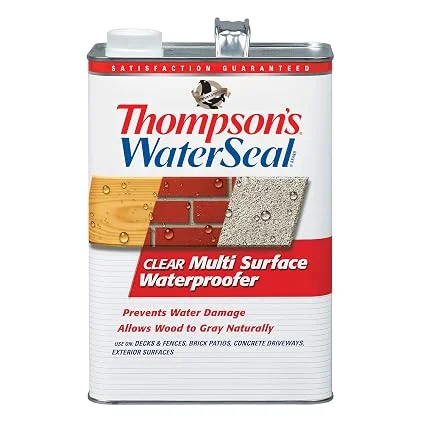 |
Thompson’s WaterSeal Multi-Surface Waterproofer, Clear, 1 Gallon – $17.97 Fir needs regular resealing to close the durability gap with cedar; this is the coat that buys it extra years.
|
Durability And Lifespan
Cedar’s heartwood contains natural oils (thujaplicins) that resist rot and repel insects without any chemical treatment — this is the same reason cedar is used for closets and outdoor furniture. A well-built cedar fence with concrete-set, ground-contact-rated posts commonly reaches 15-20 years before boards need replacing.
Fir has no comparable natural protection. Left unsealed, fir fence boards can show soft, discolored rot spots within 2-3 years in wet climates. With a sealant reapplied every 2-3 years, a fir fence realistically lasts 10-15 years — the gap versus cedar narrows, but the ongoing labor is the tradeoff. Posts are the exception either way: even cedar posts benefit from a ground-contact-rated pressure-treated post or a post that sits on a concrete footing rather than buried raw wood, since soil moisture is harsher on any species than open-air exposure.
Cost Comparison
Fir fence lumber typically runs $12-$18 per linear foot installed, depending on height and picket spacing; cedar runs $18-$28. For a typical 150-foot backyard perimeter, that’s roughly a $900-$1,500 difference in materials and labor upfront.
The gap narrows over a fence’s full lifespan once you factor in fir’s recurring sealant/paint cost (a gallon covers roughly 150-200 sq ft, so a 6-foot-tall, 150-foot fence needs several gallons per application, repeated every 2-3 years) plus earlier board replacement. Cedar’s higher sticker price is closer to a wash by year 10-15 if fir has needed even one round of partial board replacement.
Appearance And Finish Options
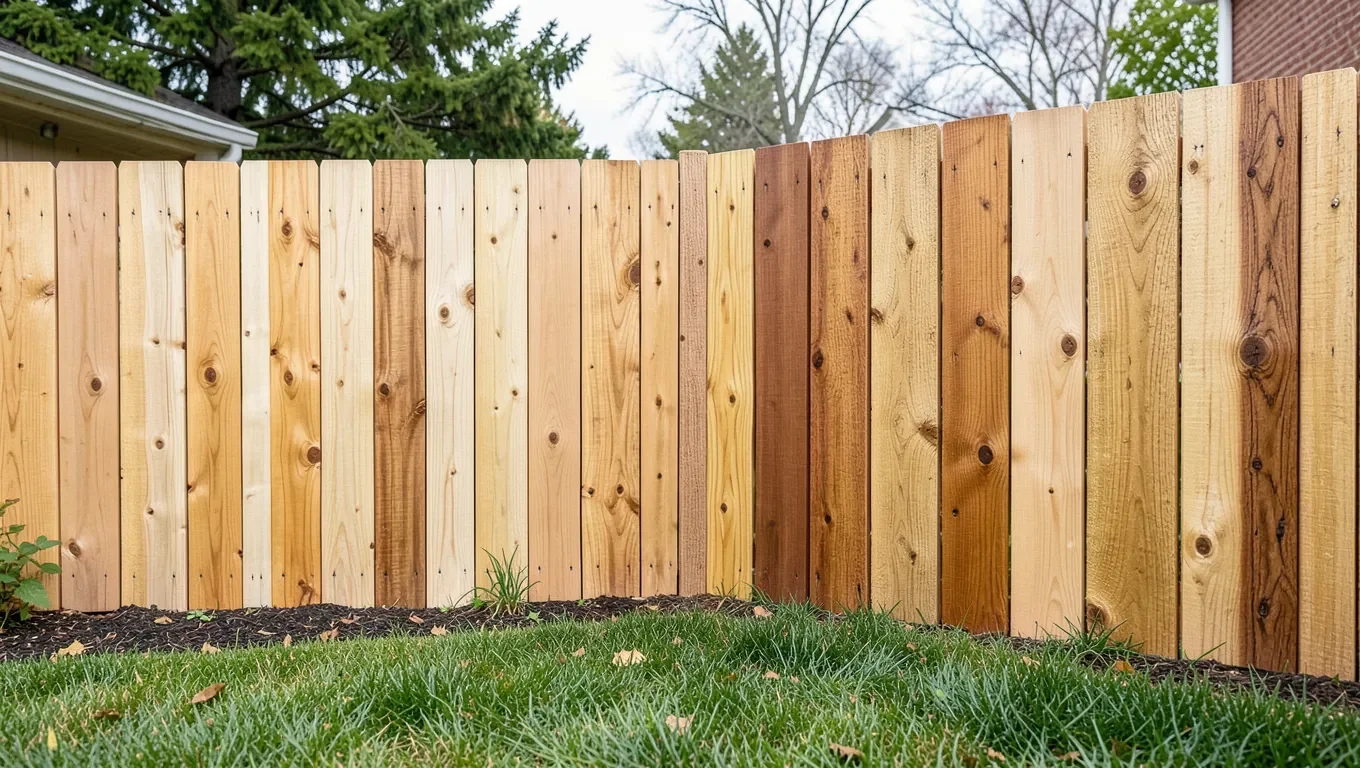
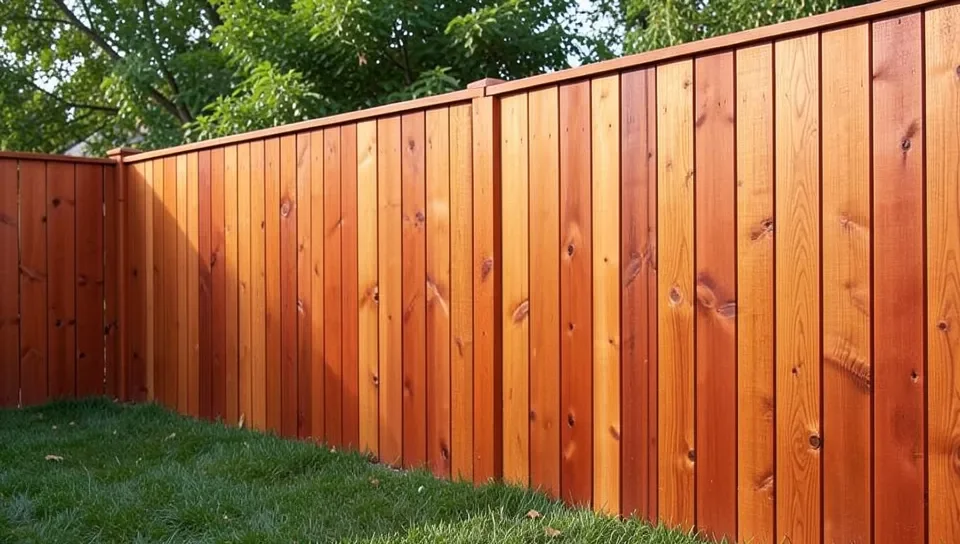
Cedar has a reddish-brown heartwood with a straight, sometimes knotty grain, and it’s commonly left unfinished on purpose — UV exposure turns it a silvery gray over 1-2 years, a look many homeowners prefer over any stain. Fir is a lighter, more uniform tan color that takes paint and stain evenly, which makes it the more flexible option if you want the fence to match a specific house color rather than weather naturally.
Maintenance
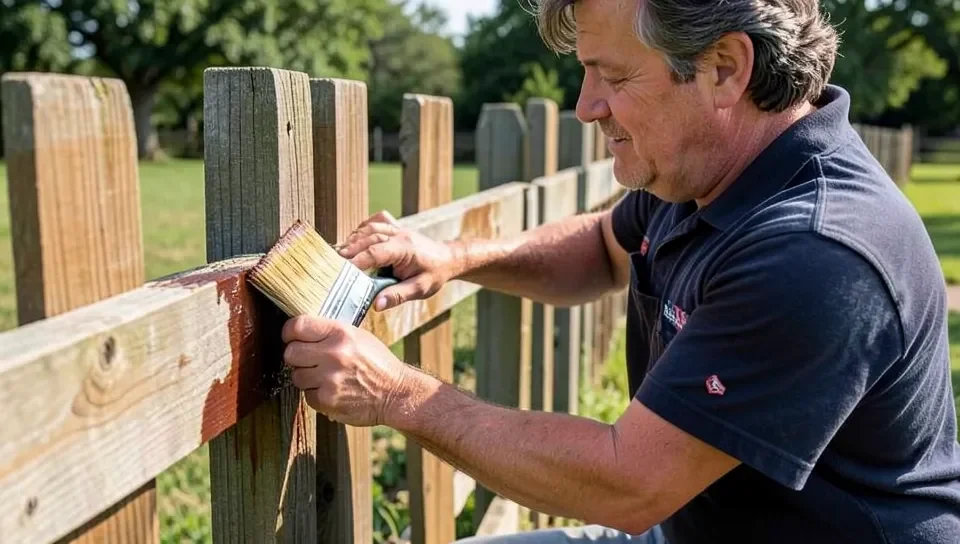
Cedar maintenance is close to optional: an occasional rinse to remove mildew or pollen buildup, and a sealant application every 4-6 years only if you want to preserve the reddish color instead of letting it gray. Fir needs a real maintenance schedule — inspect yearly for soft spots or discoloration, and reseal or repaint every 2-3 years regardless of how it looks, since fir rot often starts from the inside before it’s visible on the surface.
Common Mistakes To Avoid
Burying untreated fence posts of either species directly in soil is the single biggest cause of early fence failure — the post/soil contact point rots or gets insect damage years before the visible boards do, and once a post fails the whole section leans. Use ground-contact-rated pressure-treated posts, or set posts in concrete with the wood held slightly above grade.
Skipping the first seal coat on fir is another common mistake — boards look fine when new, so owners wait a season before sealing, but that’s exactly when moisture gets into freshly cut end-grain and starts the rot process. Seal fir within the first few weeks of installation, not after the first visible sign of wear.
Frequently Asked Questions
Is Cedar Or Fir Better For A Fence?
Cedar is generally the better choice for durability — its natural oils resist rot and insects without treatment, and it typically lasts 15-20 years versus 10-15 for sealed fir. Fir is the better choice if minimizing upfront cost matters more than long-term maintenance.
What Lasts Longer, Cedar Or Fir?
Cedar lasts longer. Its natural resistance to decay and insects gives it a 15-20 year typical lifespan versus 10-15 years for fir, which depends on regular sealing to reach even that range.
What Are The Disadvantages Of Fir Wood For Fencing?
Fir has little natural decay or insect resistance, so it needs sealant or paint reapplied every 2-3 years to avoid rot. It’s also more prone to warping and cracking than cedar if left untreated through multiple wet-dry cycles.
Which Wood Is Best For A Fence Overall?
Cedar is the best all-around choice for most fences — it resists rot, insects, and weather damage naturally, ages well without maintenance, and needs far less long-term care than fir. Fir remains a reasonable choice on a tight budget as long as you commit to a sealing schedule.
Conclusion
Pick cedar if you want a fence that needs minimal upkeep and can absorb the higher upfront cost. Pick fir if the lower material cost matters more and you’re prepared to seal it every 2-3 years. Whichever you choose, ground-contact-rated posts and sealing the end-grain early are what actually determine whether the fence reaches its full expected lifespan.
Sponsored / affiliate links. As an Amazon Associate I earn from qualifying purchases. I may earn additional commission from eligible campaigns.