How to Remove Tree Sap From Hardwood Floors, Safely
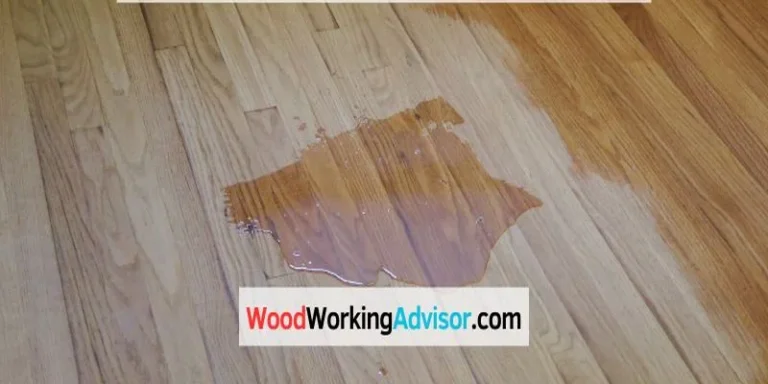
Fresh tree sap wipes off a hardwood floor with a warm, soapy microfiber cloth in under a minute; hardened sap needs 10 to 15 minutes under an ice cube before it scrapes off cleanly with a plastic tool. Isopropyl alcohol and Goo Gone lift stubborn residue fast, but both can cloud wax or oil finishes — test in a hidden spot first. This guide covers safe methods by finish type, the ice-and-scrape technique, and mistakes that dull a floor’s shine.
What You’ll Need
Best Hardwood-Safe Sap Removal Pick
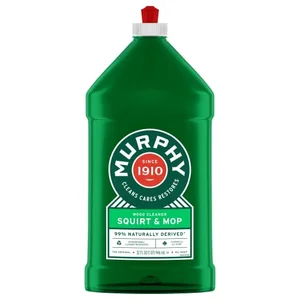
Murphy’s Oil Soap Squirt and Mop Wood Floor Cleaner – 32 Fluid Ounce
Undiluted oil soap is the method flooring pros reach for on sap that’s already sat a few hours — it’s gentler on finishes than alcohol or adhesive removers.
- Best for: Sticky, hours-old sap on any sealed hardwood finish
- Why we picked it: Oil-based formula lifts sap without the finish-clouding risk of solvents
- Main drawback: Needs a 15-minute soak, so it’s slower than the ice-and-scrape method on fresh sap
Compare more sap-removal supplies
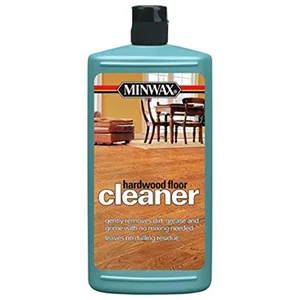 Option 1 Minwax Hardwood Floor Cleaner, 32 fl. oz.
|
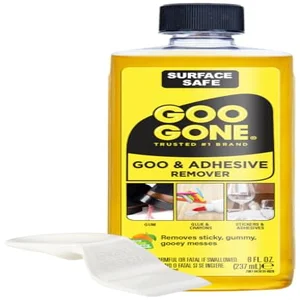 Option 2 Goo Gone Original Liquid Adhesive Remover 8 Oz with Sticker Lifter
|
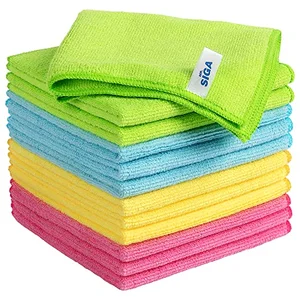 Option 3 MR.SIGA Microfiber Cleaning Cloths, Streak Free Microfiber Towels, 12 Pack
|
As an Amazon Associate we earn from qualifying purchases.
- Warm water and a few drops of mild dish soap
- A soft microfiber cloth or rag
- A handful of ice cubes in a sandwich bag or wrapped in a thin towel
- A plastic putty knife, old gift card, or your fingernail — never a metal scraper on a finished floor
- Undiluted oil soap (such as Murphy’s) for sap that’s been sitting a few hours or longer
- Isopropyl alcohol or a citrus-based adhesive remover for stubborn leftover residue — optional, use with caution (see the finish-safety table below)
Wipe Away Fresh Sap With Warm, Soapy Water
Sap that’s still soft and tacky comes up fastest with warm water and a few drops of mild dish soap on a microfiber cloth. Work in small circles, then wipe the spot dry so no moisture sits on the wood. This is the safest method for every finish type, so it’s worth trying first even on sap you think has already hardened.
If you’re also dealing with other spots on the same floor, our guide to removing urine stains from hardwood floors uses a similar warm-water approach for organic residue.
Freeze and Scrape Hardened Sap
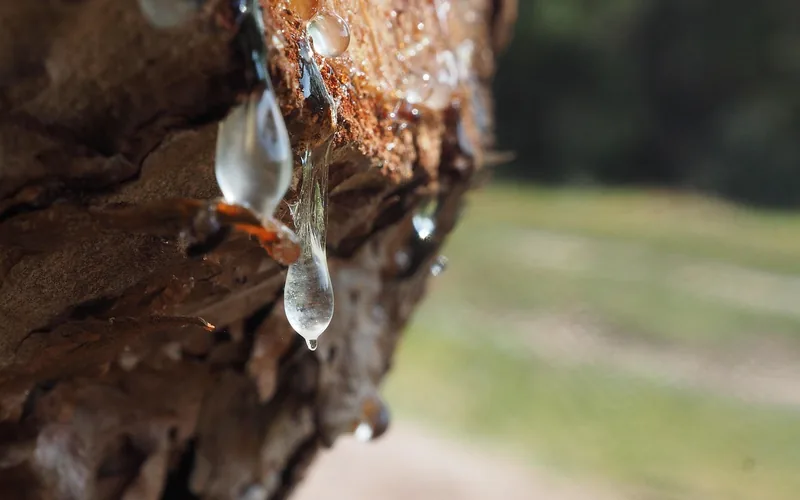
Once sap has sat long enough to turn hard and glassy, soap and water alone won’t lift it. Chilling it first makes it brittle enough to break away from the wood grain instead of smearing.
- Harden the sap: Set an ice cube directly on the spot, or press an ice-filled sandwich bag against it, for 10 to 15 minutes until the sap turns brittle.
- Scrape at a low angle: Hold a plastic putty knife or old gift card nearly flat against the floor and push under the hardened sap in one direction. Never angle a tool downward into the finish.
- Clear the fragments: Sweep or vacuum the broken sap pieces before they get walked on and ground into the grain.
- Wipe the spot clean: Go over the area with a warm, soapy microfiber cloth to lift the last sticky film, then dry it with a second cloth.
Never use a metal knife, razor blade, or steel wool on a finished hardwood floor — even a light scrape can cut through the finish and leave a permanent scratch that shows under raking light.
Stubborn Residue: Match the Method to Your Floor’s Finish
If a hazy film is left after scraping, the next step depends on what’s actually protecting your floor — not just what worked on someone else’s. Isopropyl alcohol and adhesive removers like Goo Gone are solvents. They dissolve sap well, but on wax, oil, or shellac finishes they dissolve the finish just as readily, leaving cloudy patches or dull spots that don’t buff out.
📊 According to Hunker’s wood-finish care guide, isopropyl alcohol can soften a polyurethane finish enough to scratch off with a fingernail after roughly a minute of contact. That’s why alcohol should only ever touch a floor briefly, diluted, and never as a soak.
| Method | Best For | Polyurethane / Varnish Finish | Wax, Oil, Shellac & Unfinished |
|---|---|---|---|
| Ice + plastic scraper | Fresh to fully hardened sap | Safe | Safe |
| Undiluted oil soap, 15-min soak | Sap that’s sat several hours or more | Safe | Safe — rinse promptly |
| Isopropyl alcohol, diluted & brief | Light residue left after scraping | Lower risk with brief, diluted use | Higher risk — can cloud or strip the finish |
| Goo Gone / adhesive remover | Hardened, glue-like leftover spots | Safe if rinsed within about 60 seconds | Higher risk — dissolves oil and wax finishes |
| White vinegar, diluted | Very light residue only | Safe, diluted | Use sparingly — can dull the finish over time |
Our guide on whether Pine-Sol damages hardwood floors covers the same finish-first logic for cleaning products generally, and if vinegar is the only thing you have on hand, see mopping hardwood floors with vinegar for safe dilution ratios.
“In our experience, sap that’s been baking in direct sunlight through a window for more than a day grips the grain far more stubbornly than a fresh drip. When the ice trick alone won’t budge it, we reach for an oil soap soak first and finish with a plastic scraper rather than jumping straight to alcohol.”
How to Tell What Finish Your Floor Has
A polyurethane or varnish finish is a hard, glossy surface film that beads water on top instead of soaking it in. A wax or oil finish feels more matte, soaks in a drop of water within a minute or two, and often needs periodic reapplication. If you’re not sure which you have, our guide to identifying the best finish for hardwood floors walks through the water-drop test in more detail — and either way, test any solvent in a hidden corner or closet before using it on a visible spot.
Common Mistakes That Damage the Finish
- Scraping with metal. A butter knife or razor blade cuts through finish long before it cuts through sap.
- Scrubbing hard instead of soaking. Sap loosens with time and gentle solvents, not elbow grease — hard scrubbing burnishes the finish and can leave a dull patch.
- Skipping the spot test. Alcohol, Goo Gone, and even undiluted vinegar can react differently on different finishes; a hidden-corner test takes thirty seconds and prevents a visible mistake.
- Letting sap bake in direct sunlight for days. UV exposure hardens and darkens sap, making it far more stubborn than sap treated the same day it drips.
- Soaking wax or oil finishes in solvent. A quick, diluted dab is very different from letting alcohol or adhesive remover sit — prolonged contact is what strips these finishes.
After the Sap Is Gone: Buffing and Preventing the Next Spill
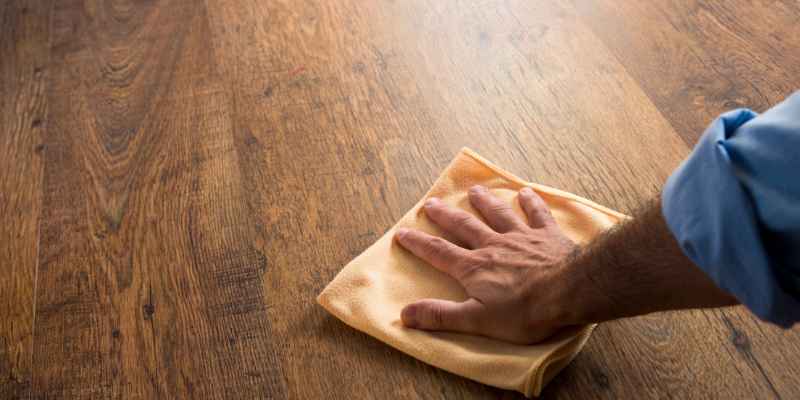
Once the area is clean and dry, buff it with a dry microfiber cloth in the direction of the grain to bring back the sheen — our guide to using Quick Shine floor finish covers when a light refresher coat is worth adding. If sap is a recurring problem near a window or door, keep a doormat or rug in that spot, and check our broader deep-cleaning guide for hardwood floors for a maintenance routine that won’t damage the finish over time.
Frequently Asked Questions
Does Dawn dish soap remove tree sap from a hardwood floor?
Yes, for fresh sap. A few drops of Dawn or another mild dish soap in warm water on a microfiber cloth loosens sap that hasn’t hardened yet. For sap that’s already dried, soften it first with ice or an oil soap soak before wiping.
Does vinegar dissolve tree sap on wood floors?
Only partially. Diluted white vinegar can loosen light, fresh sap residue, but it won’t break down sap that’s already hardened the way an oil soap soak or the ice-and-scrape method can, and full-strength vinegar left sitting on some finishes can dull the shine over time.
What is the fastest way to remove tree sap from a hardwood floor?
Fresh sap comes up fastest with a warm, soapy cloth in under a minute. For sap that’s already hardened, the ice-and-scrape method — 10 to 15 minutes of ice, then a plastic scraper — is faster and safer than waiting for a chemical solvent to soften it.
Is Goo Gone safe to use on hardwood floors?
Only on floors with an intact polyurethane or varnish finish, and only briefly: apply a small amount, work quickly, and rinse with soapy water within about 60 seconds. Avoid it on wax, oil, or shellac finishes, where it can strip the protective coating.
Will rubbing alcohol damage my hardwood floor’s finish?
It can. Isopropyl alcohol is a solvent that can soften and cloud a polyurethane finish with prolonged contact, and it’s riskier still on wax, oil, or shellac finishes. Use it sparingly, diluted, and only after testing in a hidden spot.
Does this method work for Christmas tree sap too?
Yes. Fresh conifer sap from a Christmas tree behaves the same as sap from an outdoor tree — warm, soapy water lifts it while it’s fresh, and the ice-and-scrape method works once it has hardened on the floor.
Conclusion
Fresh tree sap almost always comes off with warm, soapy water and a soft cloth. Once it hardens, ice and a plastic scraper do the job safely on any finish — save alcohol, Goo Gone, and other solvents for stubborn residue only, and always match the method to your floor’s finish first. For more on choosing, comparing, and maintaining hardwood floors overall, see our complete wood flooring guide.
Sponsored / affiliate links. As an Amazon Associate I earn from qualifying purchases. I may earn additional commission from eligible campaigns.