HDPC Vs LVP: Choosing the Best Flooring Solution
HDPC surpasses performance standards with a dense, waterproof core, while SPC is more durable and dent-resistant compared to LVP. High Density Plastic Composite (HDPC) technology offers superior waterproof properties and dimensional stability, making it a popular choice for flooring applications.
On the other hand, Stone Plastic Composite (SPC) flooring is known for its durability and resistance to scratches and impacts, outperforming Luxury Vinyl Plank (LVP) in longevity and daily wear and tear. Each type of flooring has its unique features and benefits, catering to different needs and preferences in the market.
Understanding the differences between HDPC, SPC, and LVP can help consumers make informed decisions when selecting the most suitable flooring option for their homes or commercial spaces.
Introduction To HDPC And LVP Flooring
HDPC and LVP are both popular flooring options, but there are some differences between the two. HDPC, or High Density Plastic Composite, is a waterproof and dimensionally stable flooring option that can be floated anywhere. LVP, or Luxury Vinyl Plank, is also waterproof but may not be as durable as HDPC.
When it comes to selecting the right flooring option for your home, there are numerous choices available in the market. Two of the most popular options in recent years have been HDPC and LVP flooring. HDPC stands for High Density Plastic Composite, while LVP stands for Luxury Vinyl Plank. Both of these flooring types have gained popularity due to their durability, waterproof properties, and ease of installation.
The Basics Of HDPC
HDPC is a type of composite flooring that utilizes a high-density plastic core. This core technology makes it more rigid and durable than traditional composite flooring options. Additionally, HDPC flooring has superior thermal properties, making it an excellent choice for areas with extreme temperatures. The waterproof and dimensionally stable core also allows it to be floated virtually anywhere in your home. HDPC flooring is also known for its easy installation process, making it a popular choice for DIY enthusiasts.
Understanding LVP
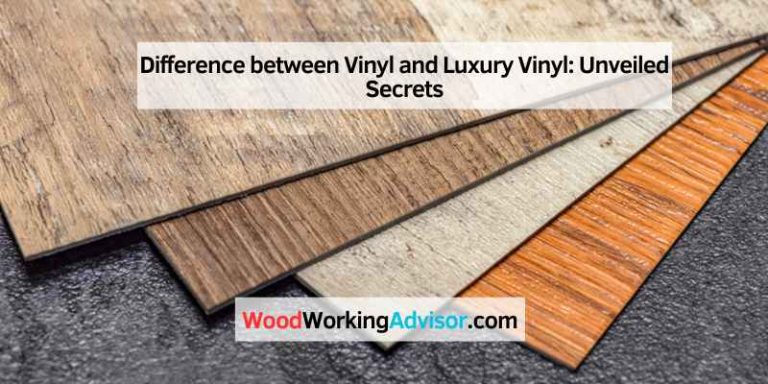
LVP flooring is a type of luxury vinyl plank that offers the look and feel of real hardwood flooring at a fraction of the cost. It is made up of multiple layers, including a vinyl layer, a photographic layer, and a protective wear layer. This combination of layers provides excellent durability, making it resistant to scratches, dents, and water damage. LVP flooring is also easy to install and maintain, making it a popular choice for homeowners looking for a budget-friendly and low-maintenance flooring option.
Comparing HDPC And LVP Flooring
When it comes to comparing HDPC and LVP flooring, there are a few key differences to consider. HDPC flooring is typically more rigid and durable than LVP flooring, making it an excellent choice for high-traffic areas. It also has superior thermal properties, making it ideal for areas with extreme temperatures. On the other hand, LVP flooring offers the look and feel of real hardwood flooring at a lower cost. It is also easier to install and maintain than HDPC flooring. Ultimately, the choice between HDPC and LVP flooring will depend on your specific needs and preferences.
Key Features Of HDPC Flooring
When it comes to choosing the right flooring for your home or office, HDPC (High Density Plastic Composite) is a top contender. With its innovative core technology and exceptional features, HDPC flooring offers a range of benefits that make it a popular choice among homeowners and commercial property owners alike.
Waterproof Capabilities
One of the standout features of HDPC flooring is its superior waterproof capabilities. Unlike traditional hardwood or laminate flooring, HDPC is designed to withstand moisture, making it an ideal choice for areas prone to spills, such as kitchens, bathrooms, and basements. Whether you accidentally spill a glass of water or experience a plumbing leak, you can trust that your HDPC flooring will remain unaffected, protecting your subfloor from damage.
Durability And Lifespan
HDPC flooring is known for its exceptional durability, ensuring that it can withstand the test of time in high-traffic areas. The high-density core of HDPC provides added strength and stability, making it resistant to dents, scratches, and wear. This means that even in busy households or commercial spaces, your HDPC flooring will maintain its pristine appearance for years to come.
Moreover, HDPC flooring boasts an impressive lifespan, surpassing that of many other flooring options. With proper care and maintenance, HDPC flooring can last for decades, saving you the hassle and cost of frequent replacements.
Additionally, HDPC flooring offers excellent impact resistance, making it a suitable choice for households with children or pets. It can withstand heavy furniture, dropped objects, and the general wear and tear of daily life, ensuring that your flooring remains beautiful and functional in the long run.
Furthermore, HDPC flooring is resistant to fading, making it an ideal choice for areas exposed to direct sunlight. You can enjoy the vibrant colors and patterns of your HDPC flooring without worrying about them fading over time.
In conclusion, HDPC flooring is a durable, long-lasting, and waterproof option that provides exceptional performance in various environments. Its ability to withstand moisture, resist scratches and dents, and maintain its appearance for years to come makes it a top choice for those seeking a reliable and visually appealing flooring solution.
Advantages Of LVP Flooring
LVP flooring offers several advantages over HDPC, including superior durability and resistance to dents and scratches. It is also more budget-friendly and easier to install, making it a popular choice for homeowners looking for high-quality, low-maintenance flooring solutions.
Flexibility And Comfort
LVP flooring offers unparalleled flexibility and comfort due to its soft underfoot feel and ability to absorb impact, making it ideal for households with children or pets.
Aesthetic Options
With a wide range of aesthetic options available, LVP flooring allows homeowners to achieve the look of natural materials like hardwood or stone without the associated maintenance.
Comparing Performance: HDPC Vs LVP
The choice between High Density Plastic Composite (HDPC) and Luxury Vinyl Plank (LVP) flooring can significantly impact the performance and durability of your floors. Here, we’ll compare the two based on resistance to wear and tear as well as installation differences.
Resistance To Wear And Tear
When it comes to wear and tear, HDPC flooring stands out for its increased density and hardness. This makes it more resistant to dents, scratches, and impact compared to LVP. The superior thermal properties of HDPC result in a dimensionally stable and waterproof core, offering long-lasting durability and performance.
Installation Differences
One of the key differences between HDPC and LVP is their installation methods. HDPC features a patented technology that uses no adhesive to bond the vinyl layers together. It also utilizes the patented Uniclic and Unipush systems, allowing for a glueless floating floor installation. On the other hand, LVP typically requires adhesive for installation, making the process more labor-intensive.
Environmental Impact And Safety
When it comes to choosing between HDPC and LVP flooring, it’s essential to consider their environmental impact and safety features. Both HDPC and LVP offer distinct advantages, but understanding their differences in terms of VOC emissions, certifications, and indoor air quality is crucial for making an informed decision.
VOC Emissions In HDPC And LVC
Volatile Organic Compounds (VOCs) are chemicals that can have adverse health effects and are emitted from certain materials, including flooring products. HDPC and LVP differ in their VOC emissions, with HDPC generally having lower VOC levels compared to LVP. This makes HDPC a safer and more environmentally friendly option for indoor air quality.
Certifications And Indoor Air Quality
Both HDPC and LVP flooring products undergo rigorous testing and certification processes to ensure their compliance with indoor air quality standards. Look for products that are certified by reputable organizations such as FloorScore and GREENGUARD to ensure that they meet strict indoor air quality standards and contribute to a healthier indoor environment.
Cost Considerations
When comparing the cost of HDPC and LVP flooring, it’s important to consider the long-term value they offer. While HDPC may have a higher initial cost, its durability and waterproof properties can make it a cost-effective choice in the long run.
On the other hand, LVP may be more budget-friendly upfront, but it might require more frequent replacement or maintenance, impacting the overall cost.
When it comes to choosing between HDPC and LVP flooring, cost is often a significant consideration. While both options can be more affordable than traditional hardwood floors, there are still some differences in cost to be aware of.
Initial Investment
In terms of initial investment, LVP flooring is often the more affordable option. It is widely available and offered at a range of price points, making it accessible to a variety of budgets. HDPC flooring, on the other hand, may be more expensive upfront due to its patented core technology and unique features.
Long-term Value
While LVP may be the more affordable option initially, HDPC flooring can offer long-term value. Its increased density and hardness make it more resistant to wear and tear, which can result in fewer repairs and replacements over time. Additionally, HDPC flooring is waterproof, which can help prevent damage from spills or moisture.
When considering the cost of HDPC vs. LVP flooring, it’s essential to weigh both the initial investment and long-term value. While LVP may be the more affordable option upfront, HDPC flooring can provide increased durability and waterproofing, making it a worthwhile investment for those looking for a long-lasting flooring solution.
Consumer Reviews And Feedback
When it comes to choosing between HDPC and LVP for your home, it’s crucial to consider consumer reviews and feedback. Understanding the experiences of real homeowners can provide valuable insights into the performance and durability of these flooring options in real-life settings.
Experiences With HDPC
Many homeowners have shared their positive experiences with HDPC flooring in home settings. The waterproof and dimensionally stable core of HDPC makes it a popular choice for areas prone to moisture, such as kitchens and bathrooms. The patented technology used in HDPC ensures a strong and durable flooring solution that can withstand the rigors of daily life.
LVP In Home Settings
Similarly, luxury vinyl plank (LVP) has garnered positive feedback from homeowners who have installed it in their homes. Its durability, scratch resistance, and ease of maintenance make it an attractive option for high-traffic areas like living rooms and hallways. Additionally, the wide range of design options available in LVP allows homeowners to achieve the desired aesthetic for their living spaces.
Making The Right Choice For Your Home
When it comes to choosing between HDPC and LVP flooring for your home, there are several important factors to consider. Both HDPC (High Density Plastic Composite) and LVP (Luxury Vinyl Plank) have their own unique features and benefits, making it essential to weigh them against your specific needs and preferences. In this guide, we’ll delve into the key factors to consider and provide recommendations for specific needs, to help you make an informed decision for your home.
Factors To Consider
- Durability: HDPC flooring offers increased density and hardness, making it more resistant to dents and damage compared to LVP. Consider the level of foot traffic in the area where the flooring will be installed to determine the required durability.
- Waterproof Properties: HDPC is known for its waterproof core, making it suitable for areas prone to moisture, such as kitchens and bathrooms. LVP also offers water resistance but may not be as suitable for areas with high moisture levels.
- Installation: Both HDPC and LVP can be installed as floating floors, but HDPC’s patented Uniclic and Unipush systems provide a glueless installation method, which may be a deciding factor for some homeowners.
- Environmental Impact: Consider the environmental impact of the flooring materials, including the presence of harmful VOCs and the overall indoor air quality. HDPC eliminates harmful VOCs and reduces overall sound transmission, contributing to a healthier indoor environment.
Recommendations For Specific Needs
For areas with high foot traffic and where durability is a top priority, HDPC flooring is a recommended choice due to its increased density and resistance to dents. Alternatively, for areas with moderate foot traffic and where water resistance is crucial, LVP may be a suitable option.
Frequently Asked Questions
Is Hdpc Good Flooring?
HDPC is an excellent flooring choice with a waterproof and stable core, surpassing performance standards. Its increased density and hardness offer superior thermal properties and can be floated almost anywhere.
What Is Better Than LVP?
SPC flooring is better than LVP because it has a denser core, making it more resistant to dents and damage. It also has a longer lifespan and better resistance to scratches and impact compared to LVP. SPC flooring is a durable and reliable choice for your flooring needs.
What Is HDPC Core?
HDPC core stands for High Density Plastic Composite core, which is a patented technology used in flooring. It offers superior performance standards compared to traditional composite flooring due to its increased density, hardness, and waterproof properties. HDPC can be floated virtually anywhere and is installed as a glueless floating floor, making it a great choice for many applications.
Which Is Better, LVP Or SPC Flooring?
SPC flooring is better than LVP due to its durability, longer lifespan, and superior resistance to damage.
Conclusion
When comparing HDPC and LVP flooring options, it is clear that HDPC has several advantages. With its patented core technology, HDPC surpasses performance standards by offering increased density, hardness, and superior thermal properties. Additionally, HDPC is completely rigid and waterproof, making it a durable and long-lasting option for your home.
While LVP is also a viable choice, HDPC offers a higher level of durability and resistance to dents and scratches. Consider HDPC for a high-quality flooring solution that will stand the test of time.