How to Shine LVP Flooring (and When It Was Never Meant To)
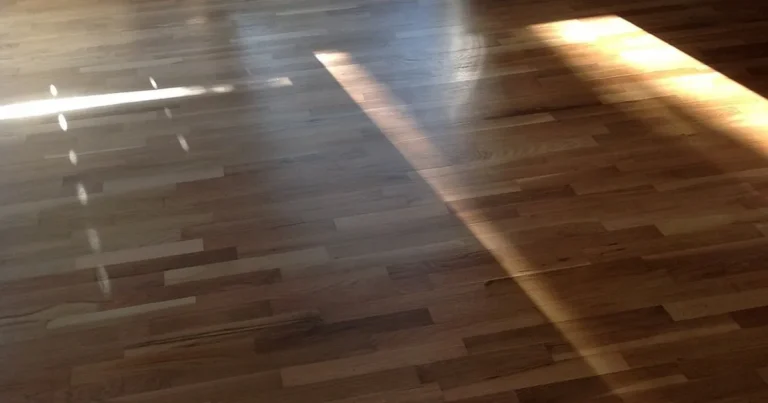
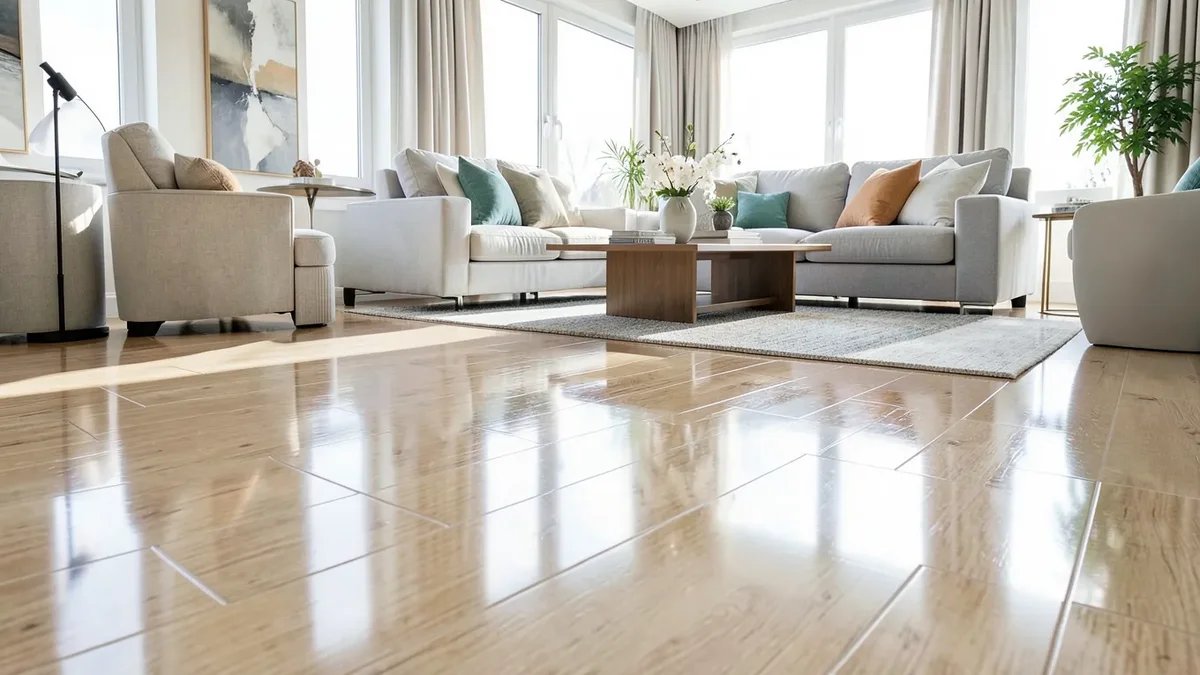
Before you buy a shine product, check one thing: is your LVP actually supposed to be glossy? A lot of “why won’t my LVP shine” frustration traces back to a floor that was manufactured with a matte or low-sheen wear layer on purpose — textured finishes hide scratches and dust better and are less slippery when wet, so many manufacturers deliberately move away from high gloss. If your floor never had a glossy finish out of the box, no cleaner will make it mirror-shiny; you’d be fighting the wear layer’s own texture. If it used to shine and has gone dull, that’s a cleaning and product problem, and the rest of this guide covers it.
Why LVP Loses Its Shine
Best For Restoring LVP Shine
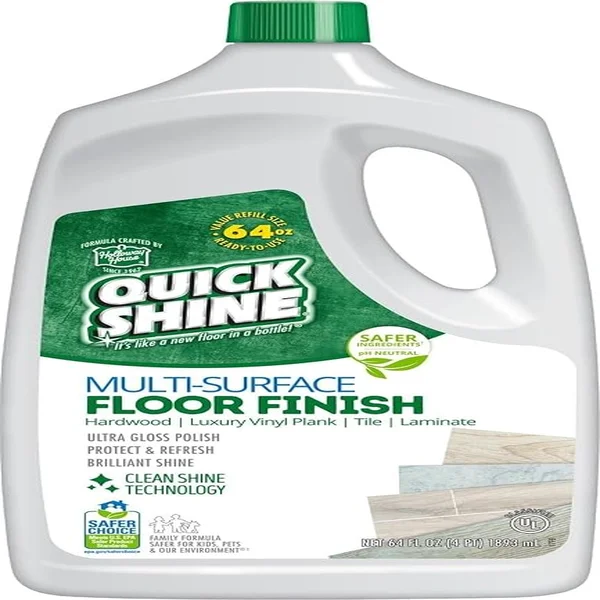 |
Quick Shine Multi-Surface Floor Finish – $12.57 Formulated for LVP, laminate, and hardwood alike, so it won’t leave the cloudy buildup traditional paste wax does.
|
LVP’s shine lives in a thin urethane or aluminum-oxide wear layer on top of the printed design layer. Foot traffic grinds fine grit into that layer over time, leaving thousands of tiny scratches that scatter light instead of reflecting it — that’s what reads as “dull” even on a floor that’s perfectly clean. Two things make this worse: tracked-in dirt acting like sandpaper underfoot, and cleaning products that leave a residue film on top of the wear layer, which dulls the surface further instead of restoring it.
What Actually Restores Shine
Start With a Real Clean, Not Just a Quick Mop
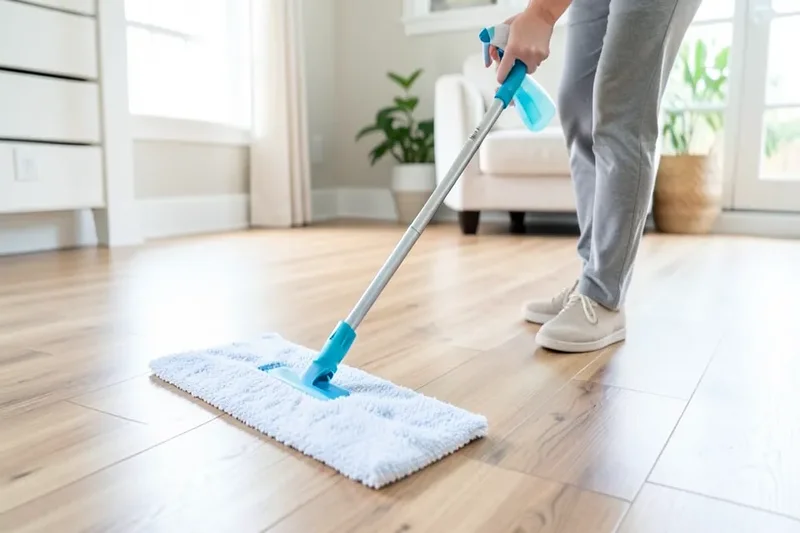
Vacuum or dry-sweep first — mopping over loose grit just drags it across the finish and adds new micro-scratches. Then mop with a pH-neutral floor cleaner (never an all-purpose cleaner, ammonia, or vinegar in full strength — repeated use of anything acidic slowly etches the wear layer’s finish). Let it dry completely before judging whether it actually needs a shine product; a lot of “dull” LVP just needed the residue from the last cleaning removed.
Use a Finish Made for LVP, Not a Generic Wax
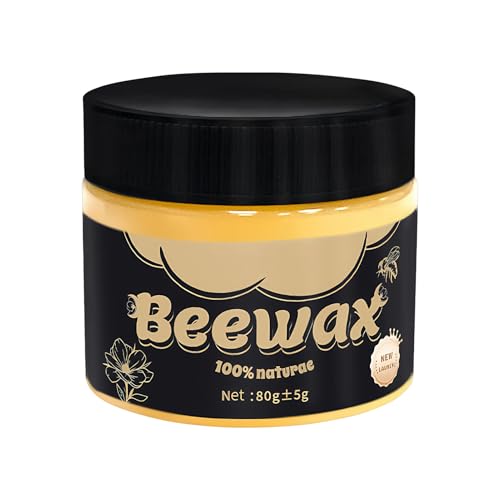
Traditional paste wax and floor sealants are made for hardwood and will cause exactly the problem you’re trying to fix: a cloudy, uneven film that actually looks duller once it builds up over a few applications. A finish formulated specifically for LVP and other hard-surface floors bonds thin and even instead, and doesn’t need to be buffed off between coats.
The Baby Oil Trick (and Its Real Limits)
A few drops of baby oil mixed into a vinegar-and-water mop solution is a real, cheap trick that works — the oil leaves a thin reflective film that fills in micro-scratches temporarily. It’s worth knowing what it actually is, though: a cosmetic fix, not a restoration. It doesn’t repair the wear layer, wears off within days of foot traffic, and can leave floors noticeably slicker underfoot right after mopping, which matters if you have kids, pets, or anyone unsteady on their feet in the house. Use it for a one-time touch-up before guests come over, not as your regular routine — a dedicated LVP finish holds up far longer.
What to Avoid
- Steam cleaners: heat and moisture can work into the seams between planks and cause warping or delamination over time, on top of stripping any finish.
- Paste wax and hardwood floor polish: not formulated for vinyl’s wear layer, and builds up into a cloudy film rather than a clear shine.
- Full-strength vinegar as a regular cleaner: a light vinegar-water mix occasionally is fine, but frequent use is acidic enough to dull the finish over months, the opposite of what you’re going for.
- Abrasive pads or scouring cleaners: they’ll cut new scratches into the wear layer faster than foot traffic does.
Frequently Asked Questions
How do I make my vinyl plank floors shine?
Clean thoroughly with a pH-neutral cleaner first to remove residue buildup, then apply a finish made specifically for LVP (not hardwood wax or paste wax). A vinegar-and-water mop with a few drops of baby oil gives a temporary shine boost but wears off within days.
Why does my LVP look dull even right after I mop it?
Two likely causes: a residue film left by an all-purpose cleaner instead of a pH-neutral one, or the floor was manufactured with a matte/textured wear layer that was never designed to be glossy in the first place.
Can you use Quick Shine on vinyl plank flooring?
Yes, Quick Shine Multi-Surface Floor Finish is formulated to be safe on LVP, laminate, hardwood, and tile.
Is it safe to use a steam cleaner on LVP flooring?
No. Heat and moisture can push into the seams between planks and cause warping or delamination over time, in addition to stripping away any finish on the surface.
Conclusion
If your LVP was glossy when it was new, dullness is almost always a residue or micro-scratch problem, not a permanent one — a real pH-neutral clean plus an LVP-specific finish fixes it. If your floor was never glossy to begin with, that’s the wear layer’s texture doing its job of hiding scratches and reducing slip risk, and no cleaner will change that. Either way, skip the steam cleaner and the hardwood paste wax; both do more damage than good on vinyl.
Sponsored / affiliate links. As an Amazon Associate I earn from qualifying purchases. I may earn additional commission from eligible campaigns.