6 Mil vs 12 Mil Vinyl Plank Flooring: Which Should You Choose
The “mil” rating on vinyl plank flooring measures the wear layer’s thickness in thousandths of an inch – 12 mil is a thicker wear layer than 6 mil, and thicker wear layers resist scratches, dents, and general wear-through for longer. 6 mil is a reasonable, budget-friendly choice for low-traffic rooms like bedrooms; 12 mil is the better choice for kitchens, living rooms, hallways, and anywhere with kids, pets, or heavy furniture.
What “Mil” Actually Measures
Best For A Clean Vinyl Plank Install
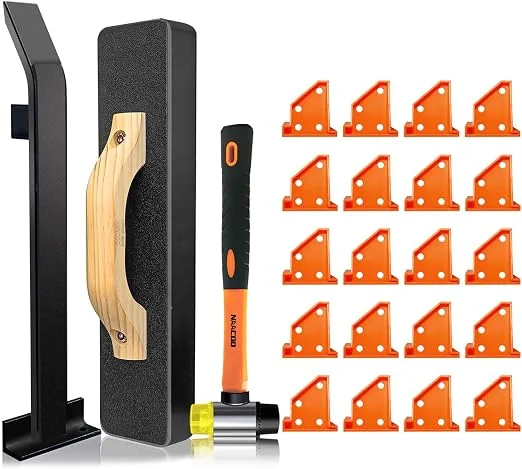 |
NAACOO 4-in-1 Vinyl Plank Install Kit – $39.99 Tapping block, pull bar, spacers, and mallet – the tools needed to click-lock either 6 mil or 12 mil vinyl plank without damaging the edges.
|
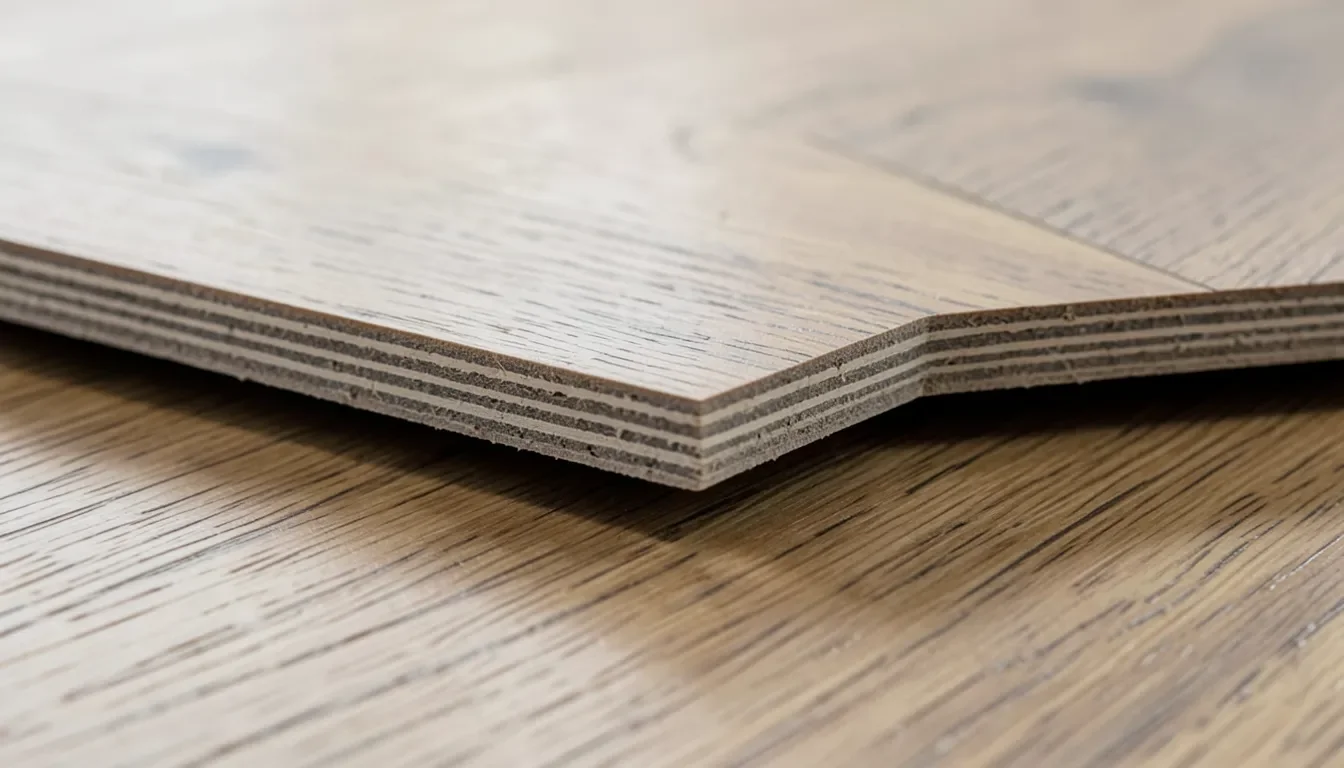
A “mil” is one-thousandth of an inch (0.001″), and on vinyl plank flooring it specifically describes the thickness of the clear, protective wear layer sitting on top of the printed design layer – not the thickness of the whole plank. This is an important distinction competitors’ articles often blur: the total plank thickness (usually given in millimeters, covering the wear layer, design layer, core, and any attached underlayment) is a separate spec from the wear layer’s mil rating. A plank can be thick overall but still have a thin wear layer, so check both numbers when comparing products rather than assuming a thicker plank automatically means better wear resistance.
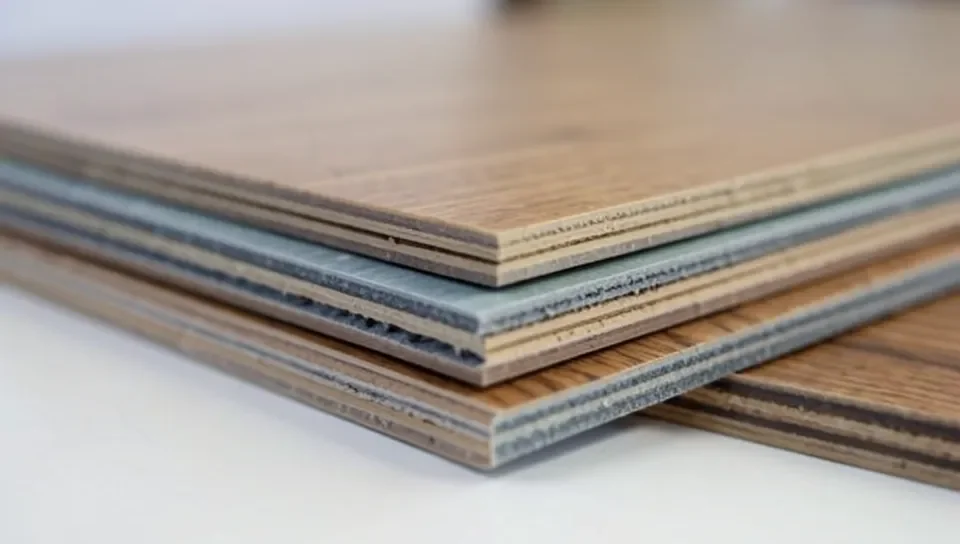
6 Mil Vinyl Plank Flooring
6 mil is on the thinner end for residential wear layers. It costs less, and the plank itself is often lighter and easier to handle during installation. The tradeoff is durability: with less wear layer standing between foot traffic and the design layer underneath, 6 mil shows scratches, scuffs, and dents sooner than a thicker option under the same conditions.
It’s a reasonable choice for bedrooms, guest rooms, home offices, and other genuinely low-traffic spaces – rooms with light foot traffic, no pets clawing at the surface, and furniture that doesn’t move often. It’s not the right choice for kitchens, entryways, or hallways, where sustained daily wear will outpace what a thin wear layer can handle.
12 Mil Vinyl Plank Flooring
12 mil roughly doubles the wear layer thickness compared to 6 mil, which translates directly into better resistance to scratches, dents, and general wear over the same span of years. It costs more and the planks are typically a bit heavier and stiffer to cut and fit, but it holds up to daily foot traffic, pet claws, and moved furniture far better.
This is the better choice for kitchens, living rooms, hallways, entryways, and any commercial or high-traffic setting. If you’re deciding between the two for a room that sees regular daily use, 12 mil is worth the extra cost.
Durability And Realistic Lifespan
| Factor | 6 Mil | 12 Mil |
|---|---|---|
| Typical lifespan, low-traffic room | 5-10 years | 10-15+ years |
| Scratch/dent resistance | Lower | Higher |
| Best rooms | Bedrooms, guest rooms, home offices | Kitchens, living rooms, hallways, high-traffic areas |
| Relative cost | Lower | Higher |
| Handling during install | Lighter, easier to cut | Heavier, slightly more effort to cut |
These are typical ranges, not guarantees – actual lifespan depends heavily on how much traffic a room actually sees, how well the floor is cleaned and maintained, and whether furniture is moved carefully (using felt pads) rather than dragged. A 12 mil floor in a genuinely heavy-traffic commercial space will still wear faster than a 6 mil floor in a rarely-used guest room, so match the product to the room’s real usage rather than assuming thicker always wins regardless of context.
Cost, Installation, And Maintenance
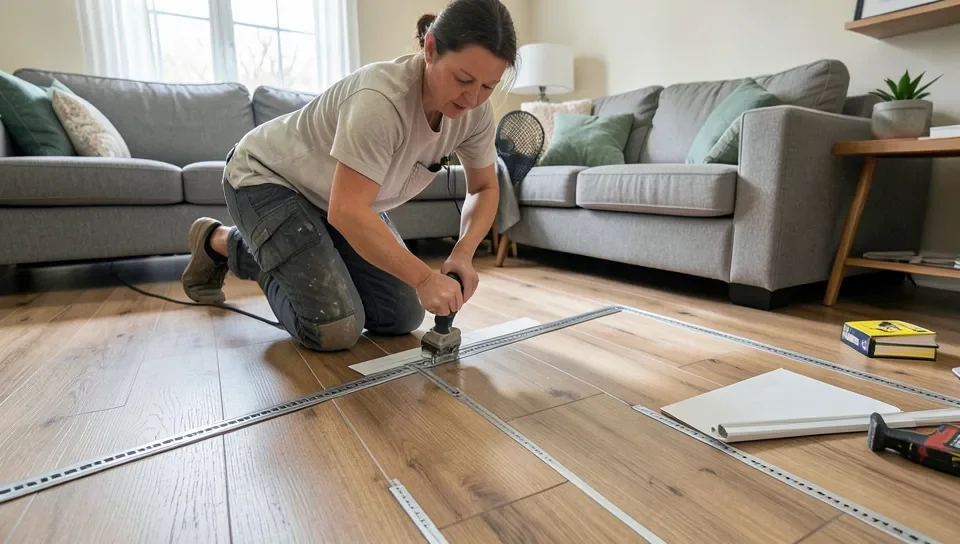
6 mil generally costs less per square foot than 12 mil for a comparable style and brand tier, which makes it attractive for budget-conscious projects in rooms where the lower durability is an acceptable tradeoff. Both thicknesses typically use the same click-lock installation system and can go over most existing subfloors following the manufacturer’s prep instructions – the main practical difference during installation is that 12 mil planks are a bit heavier and stiffer, which can take slightly more effort to cut cleanly and fit tight against walls.
Maintenance is the same for both: regular sweeping or vacuuming, damp-mopping for spills, and avoiding harsh abrasive cleaners that can dull the wear layer’s finish. Felt pads under furniture legs and entry mats at doorways reduce grit that would otherwise scratch either thickness over time.
Choosing The Right Thickness For Your Project
- Choose 6 mil for: bedrooms, guest rooms, home offices, and other low-traffic rooms where budget matters more than maximum durability.
- Choose 12 mil for: kitchens, living rooms, hallways, entryways, and any room with regular pet traffic or heavy furniture.
- Consider 20 mil or higher for commercial spaces or households with large, active dogs, since even 12 mil will show wear faster under that level of use.
How To Check The Mil Rating Before You Buy
Retail packaging sometimes highlights the total plank thickness in millimeters more prominently than the wear layer’s mil rating, since a bigger overall number looks more impressive on a box front. Look at the product’s technical spec sheet or the manufacturer’s website listing, which should list both numbers separately – “wear layer” or “wearlayer” in mils, and “overall thickness” or “plank thickness” in millimeters. If a listing only advertises millimeters with no mil rating mentioned anywhere, treat that as a sign to look elsewhere or ask the retailer directly before assuming it matches the durability of a clearly-labeled 12 mil product.
Frequently Asked Questions
How Long Will 6 Mil Vinyl Plank Flooring Last?
In a low-traffic room like a bedroom or guest room, a 6 mil wear layer typically holds up for around 5-10 years before showing significant wear. It wears faster than 12 mil in the same conditions, since there’s simply less protective material to wear through.
How Long Will A 12 Mil Wear Layer Last?
A 12 mil wear layer generally lasts longer than 6 mil under the same conditions – often 10-15+ years in a moderate-traffic residential room – because there’s roughly twice the protective material before the design layer underneath is exposed.
What’s The Difference Between Mil And Millimeter Thickness?
They measure two different things. ‘Mil’ (thousandths of an inch) refers specifically to the clear wear layer on top of a vinyl plank – the part that actually resists scratches and wear. ‘Millimeter’ thickness refers to the total plank, including the wear layer, printed design layer, core, and any attached underlayment. A plank can have a thick overall mm measurement but a thin mil wear layer, or vice versa – check both numbers separately when comparing products.
Is A 12 Mil Wear Layer Enough For Dogs?
For most dogs, yes, especially if nails are kept trimmed. For larger or very active dogs, or multiple pets, a 20 mil or higher commercial-grade wear layer holds up noticeably better against scratches over time.
Conclusion
12 mil is the more durable, longer-lasting option in every comparison – the tradeoff is cost, not performance. Match the thickness to the room: 6 mil is a fine budget choice for low-traffic spaces, while 12 mil earns its higher price in kitchens, living rooms, and anywhere that sees daily wear.
Sponsored / affiliate links. As an Amazon Associate I earn from qualifying purchases. I may earn additional commission from eligible campaigns.