Home Depot Wood Floor Repair: DIY Tips for Flawless Finish
Have you noticed a scratch or dent on your beautiful wood floors? Maybe a squeaky board that’s been bothering you for ages?
You’re not alone. Wood floors bring warmth and elegance to your home, but they can also show wear and tear over time. Fortunately, Home Depot offers solutions that can make your floors look brand new again. Imagine walking across your living room without cringing at that unsightly mark or wincing at the creaky noise.
In this guide, you’ll discover tips, tricks, and products to tackle wood floor repairs yourself. Get ready to transform your floors and enjoy the beauty of your home once more.
Credit: www.homedepot.com
Choosing The Right Tools
Fixing wood floors needs the right tools. First, a hammeris important. It helps with nails and wood pieces. A screwdriverhelps with screws. Make sure it fits the screw size. A levelis good for checking flatness. Floors must be even. Sandpapermakes floors smooth. Choose the right grit for the job. A putty knifehelps with filling holes. Use wood filler with it. A tape measurechecks the size of wood pieces. It ensures they fit well. These tools make repairs easier and better.
Credit: www.homedepot.com
Identifying Wood Floor Damage
Wood floors can show signs of damage easily. Scratches may appear from shoes or furniture. Water spills can cause stains or warping. Sunlight can fade the color over time. Keep an eye out for cracks in the wood. They often mean the floor is drying out. Gaps between planks can be a sign of shrinking. Use a flashlight to check corners and edges. Uneven surfaces are also a red flag. Watch for any squeaky sounds when walking. Sometimes floors get loose over time. Proper care can prevent many of these issues. Regular cleaning helps maintain the wood’s look. Inspections can catch problems early. This saves time and money later.
Preparing The Area
First, remove all furniture and rugsfrom the room. This keeps them safe from damage. Ensure the area is clean and freeof dirt. Use a soft broom or a vacuum for this. Next, inspect the floor for damage. Look for cracks or loose boards. Mark these spots with tape. You will fix them later. Gather your repair toolsand keep them handy. You might need a hammer, nails, and wood filler. Wear safety gear like gloves and goggles. Keep the area well-lit. This helps you see every detail. Now, your space is ready for repairs.
Fixing Scratches And Dents
Wood floors can get scratches and dents over time. Small scratches are easy to fix. Use a wood crayon that matches your floor. Rub it over the scratch. Wipe the area with a soft cloth. This will make the scratch less visible.
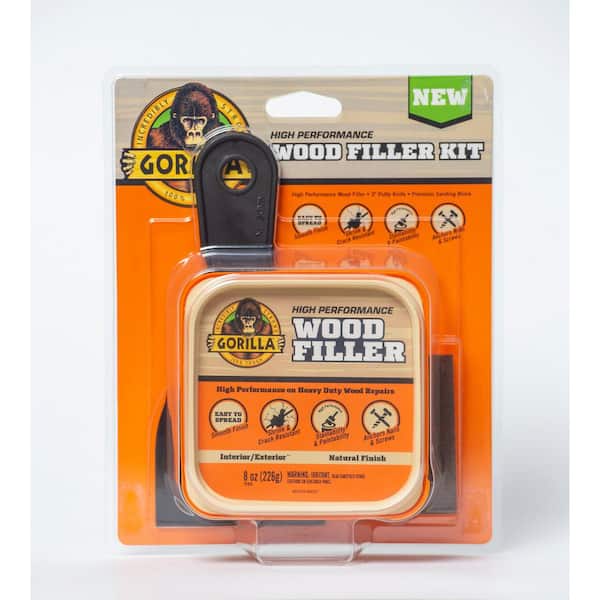
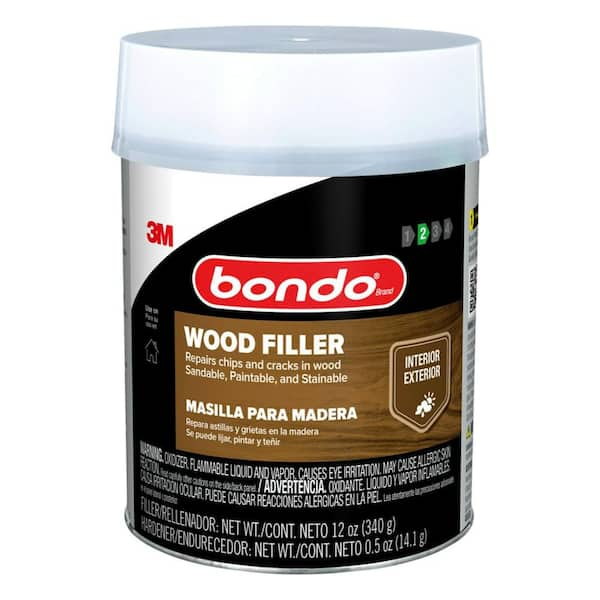
For deeper dents, use wood filler. First, clean the area well. Apply the filler with a putty knife. Let it dry completely. Once dry, sand the area gently. Make it smooth with the rest of the floor. Finally, apply a matching stain if needed. This helps blend the repair with the floor.
Repairing Gouges And Cracks
Wood floors can have gouges and cracks. Gouges are deep cuts or dents. Cracks can split the wood. Use wood filler to fix them. Wood filler fills the gaps. It dries hard and smooth. Sand the area after applying filler. Sanding makes it even. A putty knife can help apply filler. Choose a filler that matches the wood color.
For deeper gouges, use wood patch. Wood patch is stronger. Apply patch with a putty knife. Let it dry completely. Sand it smooth. Staining can match the repair with the rest of the floor. Use a stain that matches the floor. This makes repairs invisible.
Replacing Damaged Planks
Begin by finding the damaged plank. Look for any cracks or holes. Use a pencil to mark the spot.
Next, use a saw to cut the damaged plank. Be careful to not harm other planks. Remove the broken piece.
Measure the space carefully. Choose a new plank of the same size. Fit the new plank into the space. Ensure it is snug and even.
Secure the plank with nails or glue. Check if the surface feels smooth. Your floor should look as good as new.
Sanding And Refinishing
Before you start, clear all furniture from the room. This step is important for safety. Next, clean the floor with a broom and a mop. Make sure there is no dust or dirt left. Proper cleaning helps the process. Check for any nails sticking out. Hammer them down to avoid damage. This makes the surface smooth.
Rent or buy a sander from Home Depot. Follow the instructions on the machine. Begin sanding with coarse grit sandpaper. This removes the old finish. Work in small sections at a time. Move the sander in straight lines. Do not stay in one spot for too long. This will prevent uneven areas.
After sanding, clean the floor again. Remove all dust with a vacuum. Pick a finish that suits your wood type. Use a brush or roller to apply the finish. Apply thin layers for best results. Let each layer dry completely. Usually, it takes a few hours. Read the label for specific drying times.
Applying Wood Floor Sealant
Sealant keeps wood floors safe from water. It adds a shiny look to the floor. Clean the floor before applying sealant. Dust can ruin the look. Use a mop or vacuum for this task. Choose the right sealant for your wood type. Some sealants work better on oak, others on pine. Apply sealant evenly with a brush or roller. Start at one corner and move across the room. Let the sealant dry for 24 hours. Avoid walking on the floor during this time. Check for missed spots and apply more sealant if needed. Your floor will look new and bright.
Maintaining Your Wood Floor
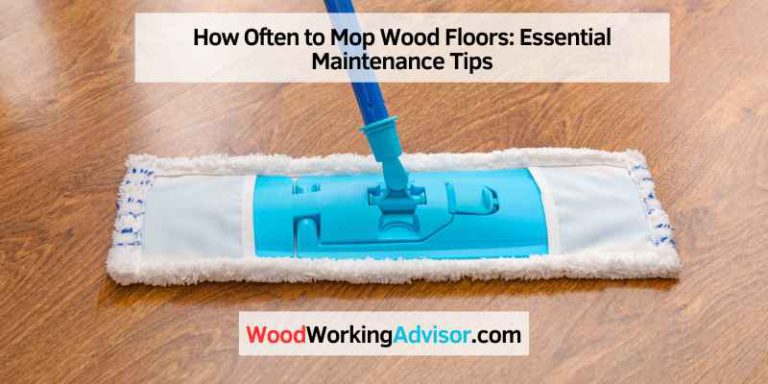
Wood floors can look beautiful. But they need care. First, keep them clean. Use a soft broom or vacuum daily. Dirt can scratch the surface. Wet mops should be avoided. Water can cause damage. Use a dry mop instead.
Place rugs in high traffic areas. This helps protect the floor. Make sure to use furniture pads. Heavy furniture can leave marks. Regularly check the floor for damage. Fixing small scratches is easy. Larger problems might need professional help.
Polish the floor every few months. This keeps it shiny. Use products made for wood floors. These are safe and effective. Remember, caring for your floor extends its life. A well-maintained floor looks great for years.
Common Mistakes To Avoid
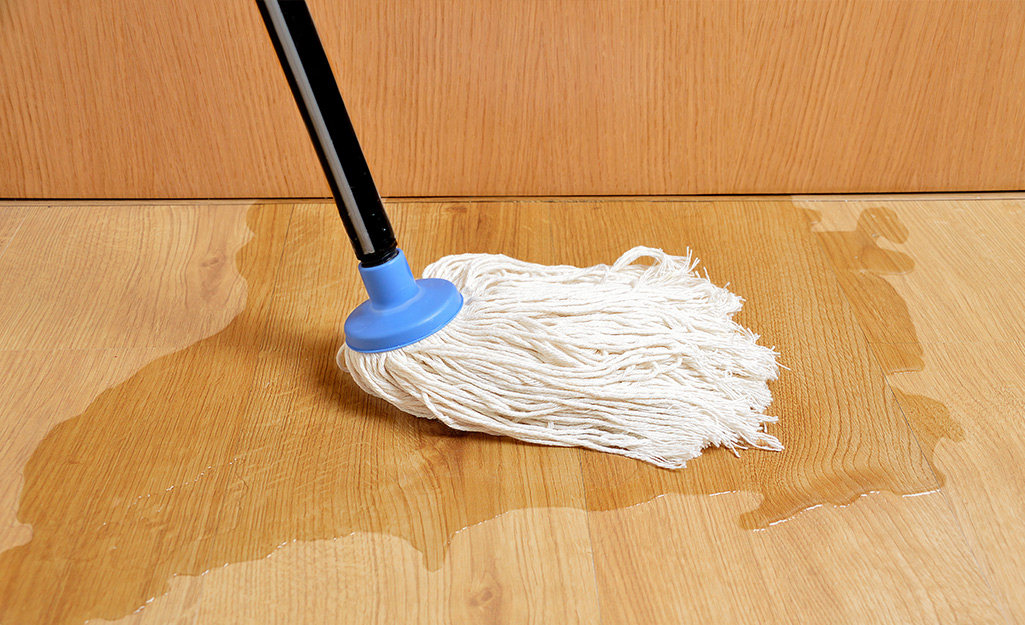
Many people use too much water when cleaning wood floors. This can cause the wood to swell and get damaged. Using the wrong cleaner is another mistake. Some cleaners can harm the wood. Always choose a cleaner made for wood floors. Skipping regular cleaning leads to dirt build-up. Dirt can scratch and harm the floor surface. Dragging furniture without protection is risky. This can leave marks or even deep scratches. Always use pads under furniture legs. Not fixing spills quickly can cause stains. Be sure to wipe spills right away to protect the wood.
Many forget to check for loose planks. Loose planks can make the floor uneven. Fix them as soon as you see them. Ignoring small damages can lead to bigger issues. Repair small scratches or dents quickly. This keeps the floor looking nice and lasting longer.
Frequently Asked Questions
How Do You Repair Scratched Wood Floors?
To repair scratched wood floors, clean the area first. Use a wood filler or a crayon that matches the floor color. Apply the filler into the scratch and let it dry. Finally, buff the area gently to restore the floor’s shine.
Can You Fix Water Damage On Wood Floors?
Yes, water damage on wood floors can be fixed. First, dry the area completely. Sand the damaged part lightly and apply a wood stain that matches your floor. Seal it with a polyurethane finish for protection and shine.
What Tools Are Needed For Wood Floor Repair?
Common tools for wood floor repair include a putty knife, sandpaper, wood filler, and a wood stain. A buffer or a cloth can help in polishing the floor. Always ensure tools are clean and suitable for your floor type.
How Much Does Wood Floor Repair Cost?
The cost of wood floor repair varies based on the damage extent and materials used. Minor repairs can cost as little as $50, while extensive repairs may exceed $500. For accurate pricing, consult with a professional.
Conclusion
Repairing wood floors is easier with the right tools and knowledge. Home Depot offers a wide range of products to help you. Choose quality materials for a lasting finish. Follow step-by-step guides for best results. Don’t rush; take your time to ensure a smooth process.
Protect your investment by maintaining your floors regularly. Seek professional advice if uncertain about any step. A well-maintained wood floor adds beauty and value to your home. Enjoy the satisfaction of seeing your floors look like new again. Happy repairing!