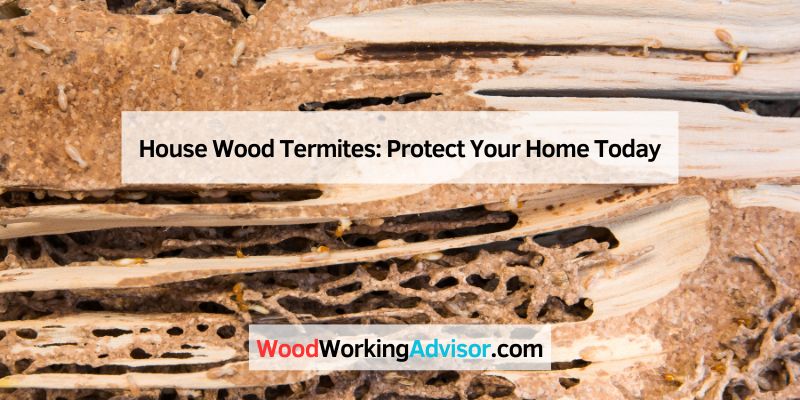
House Wood Termites: Protect Your Home Today
Imagine waking up to find your dream home under siege. Tiny, unseen invaders are silently munching away at the very structure that holds your sanctuary together.
Yes, we’re talking about house wood termites. These little pests can cause big problems, threatening not only the beauty of your home but its safety and value as well. You might be wondering how to protect your investment and ensure your peace of mind.
Understanding the threat is the first step. We will uncover the secrets of these wood-eating intruders and arm you with the knowledge you need to keep them at bay. Curious about how to identify the signs of an infestation before it’s too late? Want to learn the most effective strategies for prevention and control? Stay with us, and you’ll soon be equipped to defend your home like a pro. Don’t let termites take a bite out of your happiness; read on to safeguard your living space today.
Identifying Termites
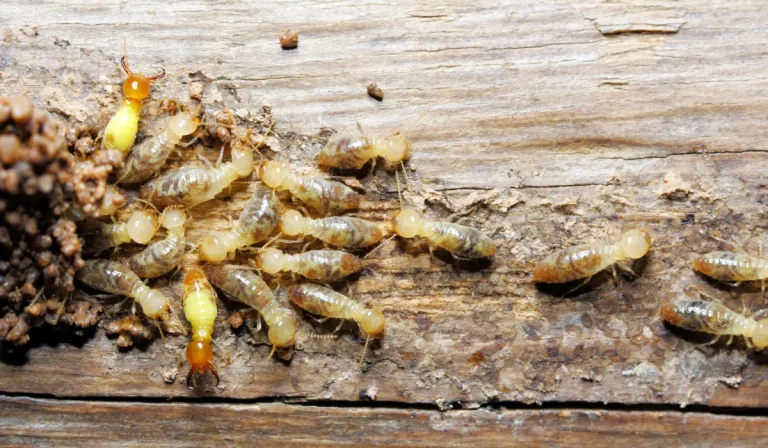
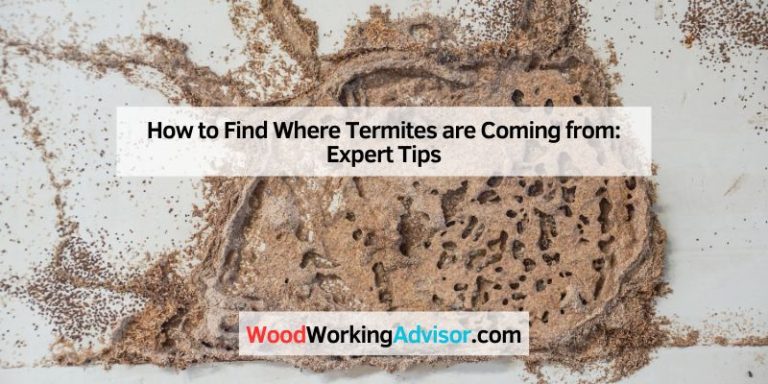
Termites can be sneaky. They might eat your wood before you know it. Look for mud tubes on walls. These tubes help termites stay safe. Wood damage can be a big clue. If wood sounds hollow, termites might be inside. Wings on the ground mean termites were there. They leave wings when they move. Droppings that look like sawdust are another sign. Always check for these clues.
Subterranean termites live underground. They build tunnels to your house. Drywood termites hide in dry wood. They like furniture and walls. Dampwood termites prefer moist wood. They usually live outside. Each type is different. Knowing them helps in keeping them away.
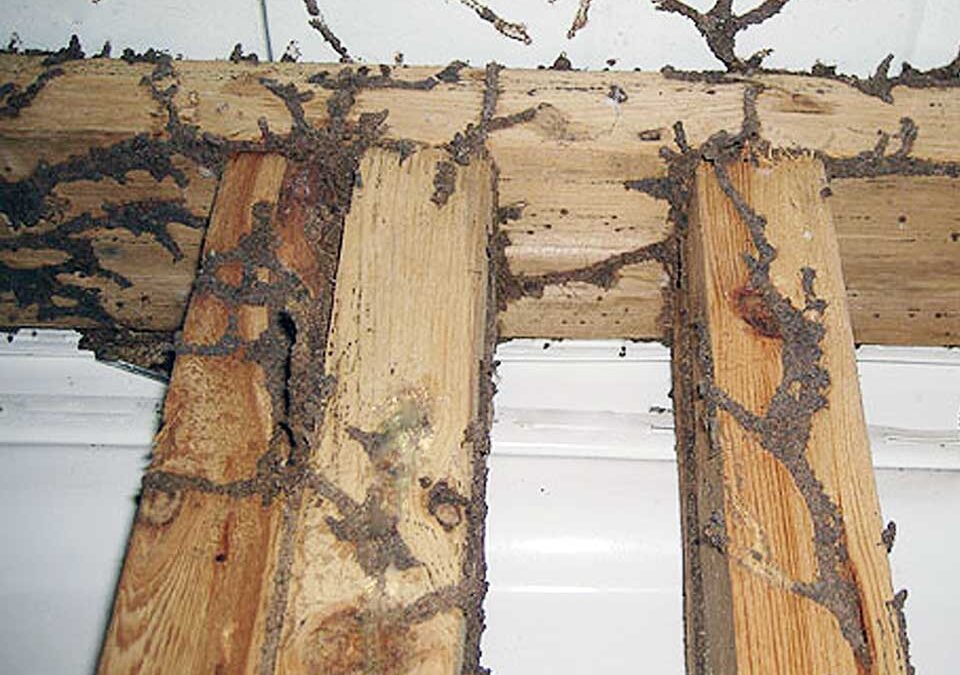
Credit: www.chemfreeexterminating.com
Understanding Termite Behavior
Termites eat wood. They love dead plants and trees. Wood is their favorite meal. Termites chew on wood to get cellulose. Cellulose helps them grow. They live in large groups. These groups are called colonies. Colonies can have thousands of termites. Termites work together to find food. They search for wood all day and night. Termites can damage houses. They eat wooden parts of buildings. It is important to check for termites. Termites hide in walls and floors. They can cause big problems if not stopped.
Termites start as eggs. Eggs hatch into baby termites. Baby termites are called nymphs. Nymphs grow into adult termites. There are different types of adult termites. Workers find food. Soldiers protect the colony. Queens lay eggs. Kings help queens. Termites have short lives. Most live for one to two years. Queens can live much longer. They can live for over ten years. Understanding their life cycle helps us stop damage. Proper care can keep homes safe from termites.
Preventative Measures
Regular inspection keeps termites away. Check your home often. Look for signs of damage or decay. Fix any leaks quickly. Moisture attracts termites. Keep wood away from soil. Use stones or concrete barriers. Seal cracks and holes in walls. Termites enter through small spaces. Trim trees and bushes near the house. Overgrown plants can hide termite paths. Keep your home clean and tidy. Remove old wood and debris. Termites love cluttered places. Use treated wood for building. Protect your home from termites.
Barriers stop termites from entering. Install metal or plastic shields around the house. These barriers keep termites out. Use sand or gravel under foundations. Termites cannot move through these materials. Apply termite repellent to soil. These chemicals keep termites away. Check barriers regularly. Ensure they remain strong and effective.

Credit: www.trustterminix.com
Treatment Options
Chemical treatments are a common way to fight termites. These chemicals stop termites from eating wood. They also kill any termites they touch. Liquid termiticides are sprayed around the house. They create a barrier that termites cannot cross.
Bait stations are another option. They use poison to kill termites. Termites eat the bait and take it back to their nests. This helps kill the whole colony. Both methods work well to protect homes from termites.
Natural remedies can also help with termites. Orange oil is a popular choice. It is safe for people and pets. It kills termites on contact. Neem oil is another option. It stops termites from growing.
Boric acid is a powder that kills termites. It is sprinkled on wood. Termites walk through it and die. These remedies are good for those who prefer chemical-free solutions.
Hiring Professionals
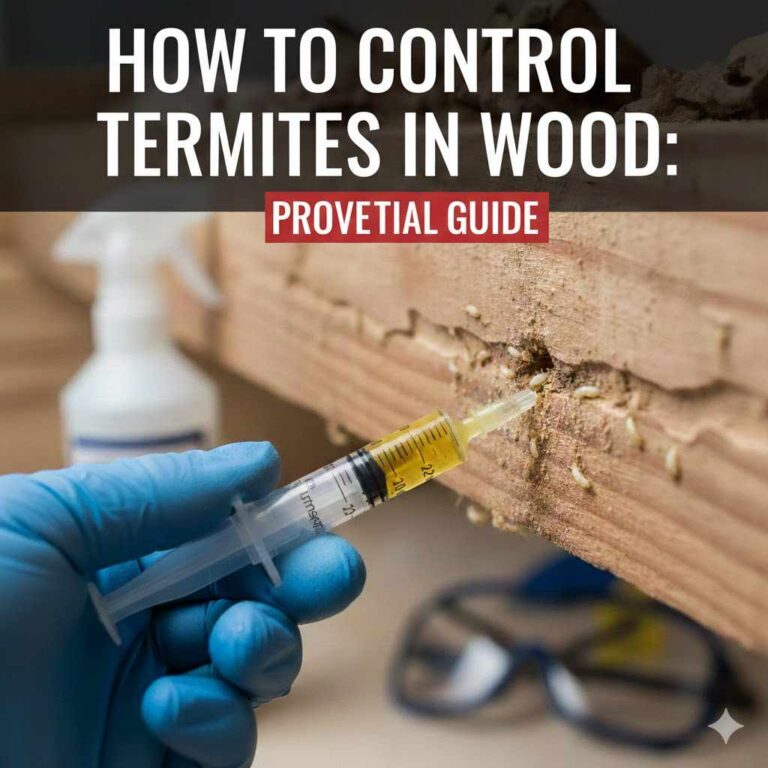
Professional pest control services tackle house wood termites efficiently. They use safe methods to protect your home from damage. Hiring experts ensures thorough inspection and effective treatment, safeguarding your wood structures.
When To Call An Expert
Termites can cause serious damage to homes. It’s best to act fast. Call an expert if you see signs of termites. Mud tubes, hollow wood, or wings are key signs. Experts know where termites hide. They use special tools and skills. Early action can save your home from big damage. Don’t wait too long. Termites work day and night. They never stop eating wood. An expert can stop them.
What To Expect From Services
Experts check your home carefully. They look in every corner. They use safe treatments to remove termites. The team explains each step to you. This helps you understand the process. Expect clear answers to all your questions. They also give tips to prevent termites in the future. Professional help keeps your home safe. You can trust their experience.
Long-term Strategies
Regular inspections help keep termites away. A professional can spot early signs of termites. Early detection saves money and time. It’s wise to schedule inspections every six months. Experts check for damaged wood and mud tubes. They also look for termite droppings. These signs mean trouble. If termites are found, a treatment plan is needed. Experts give advice for best solutions. Regular checks keep your home safe.
Simple changes can stop termite attacks. Remove wood from around the house. This includes old logs and dead trees. Seal cracks and holes in walls. Termites use them to enter homes. Ventilate basements and attics to keep them dry. Moisture attracts termites. You can also use special paints that repel termites. These paints protect wooden surfaces. Keep the yard clean and dry. A clean yard makes termites unhappy.

Credit: stampedepestcontrol.com
Frequently Asked Questions
Can You Still Live In A House With Termites?
Living in a house with termites is possible but not recommended. Termites can cause structural damage over time. Addressing the infestation promptly ensures safety and prevents costly repairs. Regular inspections and professional treatment help maintain a healthy living environment. Protect your home by acting quickly against termites.
Is It Safe To Sleep In A House With Termites?
Sleeping in a house with termites is generally safe for humans. Termites don’t bite or spread diseases. However, they can cause structural damage over time. It’s crucial to address termite infestations promptly to prevent severe damage to the property. Regular inspections and treatments help maintain a safe living environment.
Can You Get Rid Of Wood Termites?
Yes, you can eliminate wood termites using professional pest control services or DIY methods. Use termite baits, insecticides, or natural treatments to effectively remove them. Regular inspections and preventive measures can help protect your home from future infestations.
Why Do Termites Suddenly Appear In Your House?
Termites appear due to moisture, wood decay, or soil contact. They seek shelter, food, and water sources. Regular inspections and proper home maintenance can prevent infestations. Act quickly if signs emerge to minimize damage and costs.
Conclusion
Protect your home from wood termites by staying vigilant. Regular inspections help spot problems early. Use preventive treatments to safeguard wood structures. Keep moisture away from wood, as termites thrive in damp areas. Consider professional pest control for severe infestations.
Awareness and timely action keep your home safe. Remember, early detection is key. Don’t let termites damage your home. Stay informed and proactive in maintaining a termite-free environment. Your home deserves the best care.