Pile of Dirt Near Baseboard: Frass, Sawdust or Soil? How to Tell
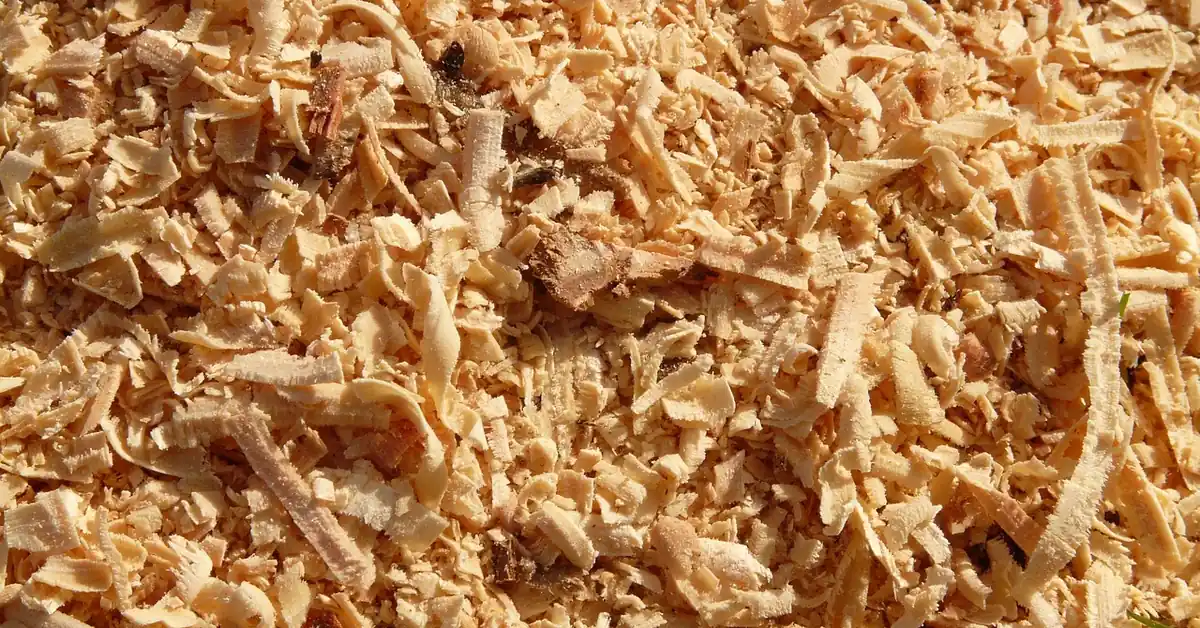
A pile of dirt near a baseboard is not always dirt. Hard six-sided pellets under a pinhole point to drywood termites, fibrous shavings point to carpenter ants, and powder as fine as flour points to wood-boring beetles. The only way to know is to read the texture and then run a three-day sweep test. This guide covers the clues, the test, the moisture check and when to call a licensed pest professional.
Pile of Dirt Near the Baseboard: What Each Type Means
Best Damp-Check Pick
 |
General Tools MMD4E Moisture Meter for Wood, Walls & Water Leak Detection ($32.03) A pin-type meter for the moisture check described below, since carpenter ants and decay both follow damp wood. It tells you where the wood is wet. It cannot tell you whether insects are present.
|
As an Amazon Associate we earn from qualifying purchases.
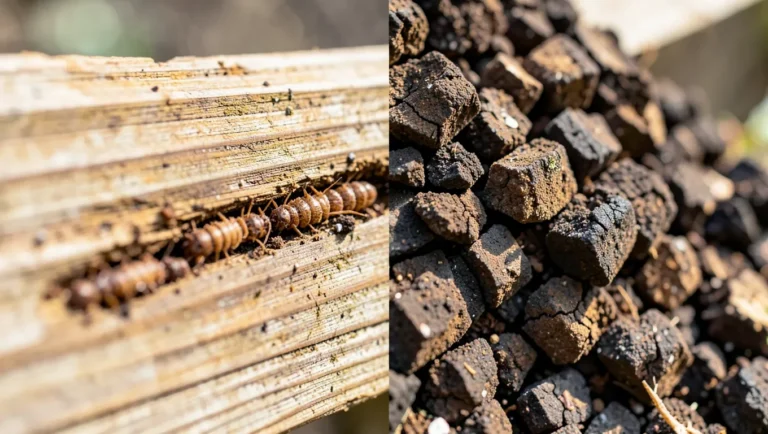
Start with texture, not color. Frass (insect waste mixed with wood) takes its color from the wood being eaten, so color alone tells you very little. What changes between pests is the shape and feel of the particles. The table below pulls the identifying details from University of California IPM publications.
| What you see | Most likely source | Diagnostic clue | Next step |
|---|---|---|---|
| Hard, grain-like pellets, under 2 mm, in a small pile below a tiny hole | Drywood termites | Pellets have six hexagonal sides under a hand lens; the UC IPM page calls this diagnostic | Photograph, bag a sample, call a licensed pest professional |
| Fibrous, stringy shavings | Carpenter ants | Fibrous texture, not pellets; often near damp or decayed wood | Look for trails after dark and for moisture sources |
| Fine powder like baking flour or talc | Powderpost beetles | Powdery frass; exit holes tend to be all the same size | Tap out frass from a gallery, identify, get an inspection |
| Gritty powder, like powdered borax soap | False powderpost beetles | Coarser than true powderpost frass | Same as above |
| Slightly gritty fine frass with exit holes of mixed sizes | Deathwatch beetles | Prefer wood above about 14% moisture | Find and fix the damp wood first |
| Small soil pile where a floor crack meets the wall | Ants such as pavement ants | Soil pushed up from cracks in floors or along foundations | Seal the crack, manage the outdoor nest |
Two caveats about this table. First, a mixed pile can contain more than one thing, for example dust from a past renovation with a few pellets on top. Second, treat the table as a way to narrow the field, not a final verdict, because several of these look alike to the naked eye. For a longer look at the holes themselves, see our guide on which insect drills holes in wood.
The Three-Day Sweep Test: Is the Activity Active or Old?
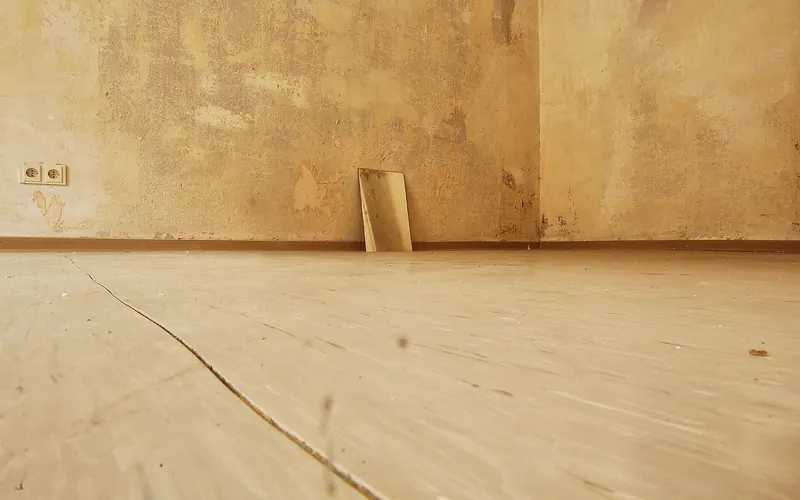
A pile tells you something was there. It does not tell you whether it is still happening. UC IPM gives a simple method for drywood termites: clean up the pellets around a kickout hole and check again after a few days to see whether new ones have appeared. The same logic works for any pile near a baseboard, and it is the step most online guides skip.
- Photograph first: take a close photo of the pile with a coin beside it for scale, then a wider shot showing the wall above.
- Save a sample: put a teaspoon of the material in a zip bag. A pest professional can identify it far faster than from a photo.
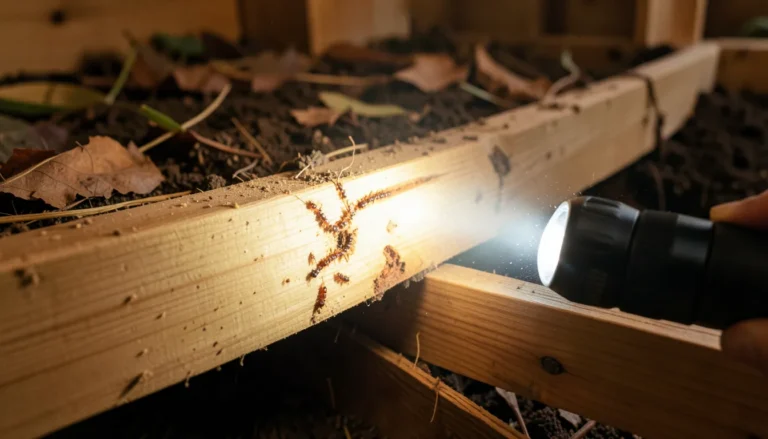
- Look straight up: use a flashlight on the wall, trim and door frame above the pile for a hole smaller than a pencil tip. Pellets fall from where they are pushed out.
- Clean the spot completely: vacuum or sweep until the floor is bare, then lay a strip of painter’s tape or a sheet of white paper there.
- Wait three days: do not touch the area. Check the paper each morning and write down the date and amount.
- Read the result: fresh material means something is active. A clean surface after several days suggests old debris, but one quiet week is not proof, so repeat once.
This test also fixes a common mistake. Many homeowners vacuum the pile, feel better and never look again. The vacuum step is only useful if you then watch whether the pile returns.
What Each Type of Pile Tells You
Drywood termite pellets
Drywood termites live inside the wood and push waste out through small holes, described by UC IPM as kickout holes under 2 mm across. The pellets are hard and have six hexagonal sides, which is why they are considered diagnostic. They pile up directly below the hole, so a baseboard pile can come from the wall above, not the baseboard itself. UC IPM states that do-it-yourself treatments are not recommended for drywood termites and that homeowners should seek help from pest control professionals.
Powderpost beetle powder
Powderpost frass feels like baking flour or talcum powder. Here is a myth worth correcting: many people assume dry household wood is safe from wood-boring insects. UC IPM reports that powderpost beetles can attack wood with moisture content as low as 8%. Susceptible items include molding, flooring, window and door frames and paneling, which is exactly what sits next to your baseboard. For small removable pieces, UC IPM lists oven heat treatment at 120 to 140 F for 6 hours or freezing at 0 F for 72 hours, while borate applications and fumigation need a licensed operator.
Carpenter ant shavings
Carpenter ant debris is fibrous, in contrast to the six-sided pellets of termites. These ants do not eat wood. They excavate it to nest, so the pile is the waste from digging, and nests are often in wall voids, hollow doors, subfloor spaces or places with existing water damage. UC IPM suggests following ant trails after sunset and listening for a faint rustling in walls and floors. A moisture source such as a leaking pipe or clogged gutter is usually part of the story, which is why the moisture section below matters.
Ants pushing up soil
If the pile is real soil rather than wood waste, ants are the more likely cause. UC IPM notes that pavement ants can push small piles of soil out of cracks in floors or along foundations. The fix is to caulk cracks and crevices and keep plants, grass and mulch several inches away from the foundation, so the colony outside loses easy access.
Mud, not dirt: subterranean termites
Subterranean termites are known for shelter tubes between soil and wood rather than dry pellet piles. UC IPM states that an inspection by a licensed pest management professional is required before any treatments can be performed. If your pile looks like crumbled mud or you see tubes, read our page on mud tubes on walls.
Where Moisture Fits In
Moisture does not cause the pile, but it often explains where it appears. Carpenter ants look for nest sites with existing water damage or decay, and deathwatch beetles prefer wood above about 14% moisture, per UC IPM. A wall base that stays damp from a leaking window, a plumbing joint or poor drainage can attract all of them, and it can rot trim on its own with no insects involved.
A pin-type meter such as the one in the box above reads moisture in wood by pressing two pins into the surface. Take readings along the baseboard every foot or so and compare them to a spot you know is dry, such as an interior wall. Treat a clearly higher reading as a lead to chase, not a diagnosis. Remember the limits: a meter finds damp wood, it does not find insects, and powderpost beetles can work in wood that reads dry.
| Reading result | What it suggests | What to do |
|---|---|---|
| Same as your dry reference wall | No ongoing moisture at that spot | Keep watching the pile with the sweep test |
| Clearly higher along one stretch | A local leak, condensation or drainage problem | Trace the source: pipe, window, gutter, grading |
| High everywhere at the wall base | Humidity or a wet subfloor or slab | Fix the water first, then have the wood checked for decay |
What To Do, and What Not To Do
- Do not spray first: a store-bought spray on the pile treats the dust, not the source, and it makes the sweep test meaningless.
- Do not dig into the wood: breaking into a gallery can scatter the evidence a professional wants to see. A light tap with a screwdriver handle is enough to test whether trim sounds hollow.
- Do seal and dry: caulk gaps between baseboard and wall only after the pest question is settled, and fix any leak you found.
- Do keep records: dated photos and the sample bag make an inspection faster and cheaper.
- Do call a licensed professional if you see pellets, fibrous shavings in repeat piles, mud tubes, swarming winged insects, or damaged-sounding wood. Termite control products are not made for homeowner use, and a wrong identification costs real money.
When It Is Probably Just Dust or Debris
Not every pile is a pest. Leftover drywall dust, sanding dust or plaster crumbs from a past renovation collect in the same low spots, as do chips of old paint and dirt tracked in on shoes. Clues that point away from insects: no hole above the pile, no uniform pellets, no insect parts, and the pile does not come back after the sweep test. Ordinary baseboard dust gathers along the top edge and the gap at the floor, so a thin gray line is almost always just dust. Clean it with a vacuum brush attachment, then a damp cloth. If you are planning to pull the trim off for a closer look, see when glue works on baseboards before you put anything back.
Frequently Asked Questions
Do termites leave piles of dirt?
Drywood termites leave small piles of hard, six-sided pellets under tiny holes. Subterranean termites are known for mud shelter tubes instead of dry pellet piles. A loose pile of soil without pellets or tubes is more likely ants or tracked-in dirt.
What does termite frass look like near a baseboard?
It looks like a small cone of grain-sized, hard pellets, usually under 2 mm, in colors from light tan to dark brown depending on the wood. Under a magnifier the pellets show six sides. It collects directly below a kickout hole, which may be in the wall or trim above.
Do carpenter ants leave piles of sawdust?
Yes. Carpenter ants excavate wood to nest and push out fibrous shavings rather than pellets. The piles often appear near damp or decayed wood, wall voids or hollow doors, and you may also see ants moving along trails after dark.
Is fine powder under trim always powderpost beetles?
No. Flour-like powder is characteristic of powderpost beetles, but sanding dust, drywall dust and plaster dust look similar. Check for a cluster of same-size exit holes in the wood and see whether new powder appears after a clean-up.
Can I vacuum up the pile and ignore it?
Clean it up, but do not ignore it. Vacuum the area completely, then check again after three days. If fresh material appears, something is active and a licensed pest professional should inspect before you repair or paint.
What if I cannot find any hole in the wall?
Drywood termite kickout holes are tiny, under 2 mm, and can be hidden under paint or caulk. Use a flashlight at a low angle along the trim. If you find nothing but the pile keeps returning, have a professional inspect.
Conclusion
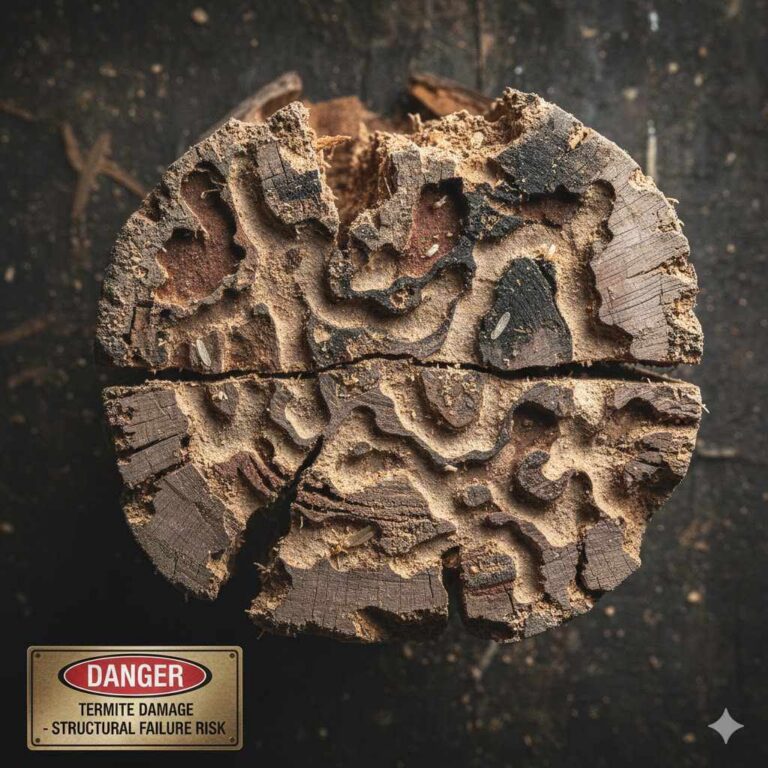
Match the texture first: six-sided pellets, fibrous shavings, flour-fine powder or real soil each point somewhere different. Then run the three-day sweep test, check the wall base for moisture, and keep the photos and a sample. If anything looks like termites, beetles or carpenter ants, a licensed pest professional is the right next call. Compare notes with our pages on insects that leave sawdust and what termite-damaged wood looks like.
Sponsored / affiliate links. As an Amazon Associate I earn from qualifying purchases. I may earn additional commission from eligible campaigns.