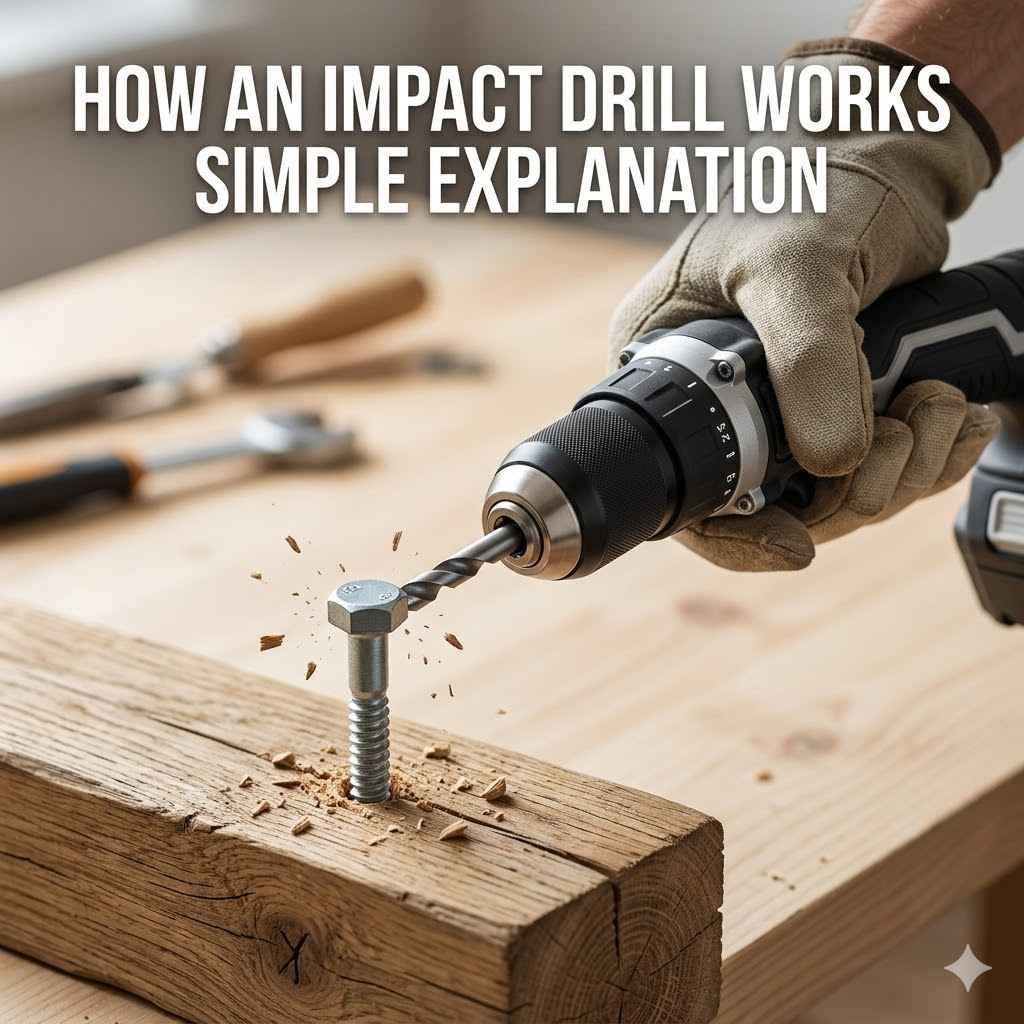
How an Impact Drill Works: Simple Explanation
Some tools can seem a bit tricky to figure out at first, and that’s totally normal. For folks new to DIY projects, understanding How an Impact Drill Works: Simple Explanation might feel like a puzzle. But don’t worry, it’s actually much simpler than you think!
This guide will break it down step-by-step, making it super easy to grasp. We’ll go through what makes an impact drill different and how it gets its power to tackle tough jobs.
Understanding How an Impact Drill Works Simple Explanation
Impact drills are workhorses in the tool world, known for their ability to drive screws into tough materials and drill through harder surfaces. They combine rotational force with hammering action, which is what sets them apart from regular drills. This dual action provides significantly more torque, allowing for tasks that would strain or even damage a standard drill.
Understanding the mechanics behind this power is key to using the tool effectively and safely.
The Core Mechanism of an Impact Drill
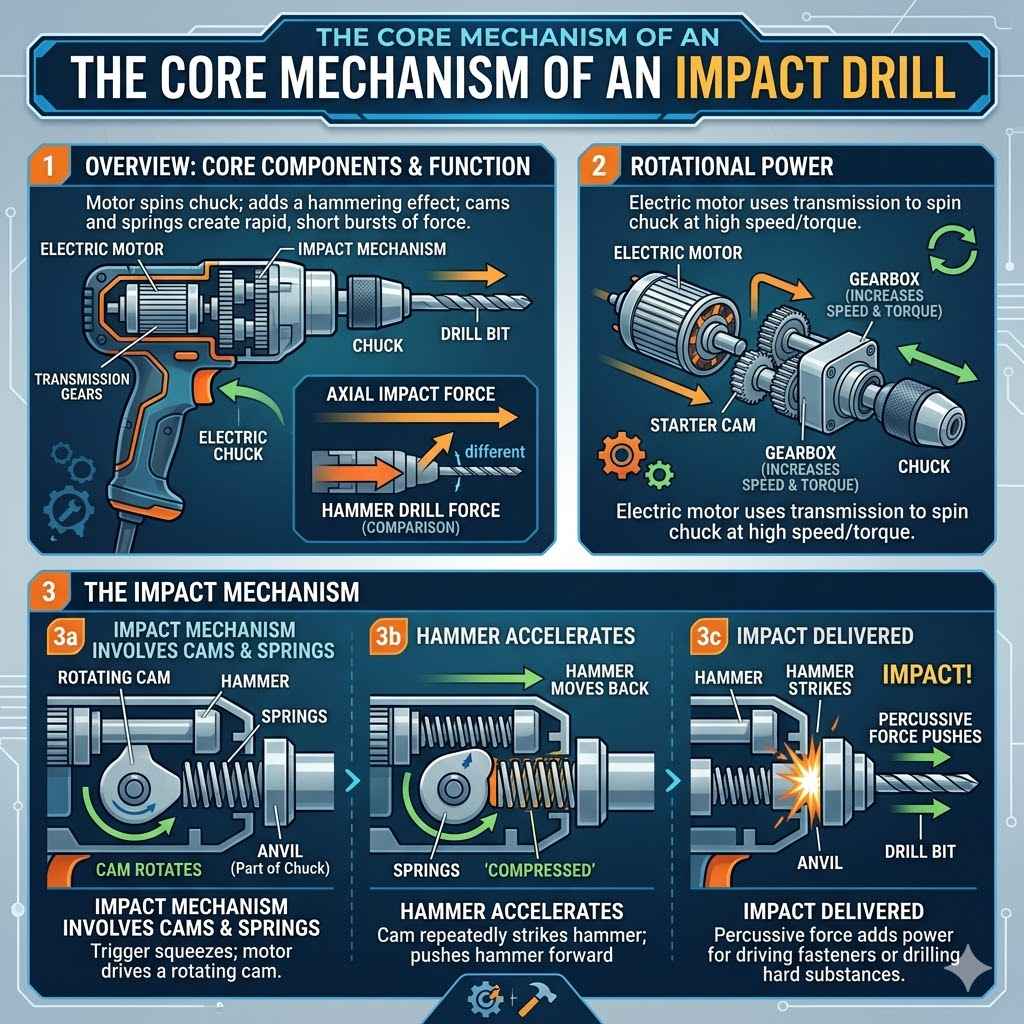
At its heart, an impact drill has a motor that spins a chuck, holding a drill bit or driver bit. What makes it an “impact” drill is an internal mechanism that adds a hammering effect. This mechanism consists of cams and springs that, when engaged, create rapid, short bursts of force.
These impacts are delivered along the axis of the drill bit. This is different from a hammer drill, which strikes perpendicular to the drill bit.
Rotational Power
Like any drill, an impact drill uses an electric motor to spin the chuck. The motor’s power is transferred through gears to increase the rotational speed and torque. This spinning motion is what allows the bit to turn and cut into material.
The Impact Mechanism
The real magic happens with the impact mechanism. It’s often described as a series of cams and springs. When the trigger is squeezed, the motor drives a rotating cam.
This cam repeatedly strikes a hammer, which then pushes the drill bit forward with a percussive force. This adds a significant amount of extra power for driving fasteners or drilling into hard substances.
Key Components of an Impact Drill
To fully grasp how an impact drill works, it’s helpful to know its main parts. Each component plays a role in delivering that potent combination of spinning and hammering. From the power source to the bits, every piece is designed to contribute to the drill’s impressive performance on tough jobs.
Motor
The motor is the engine of the impact drill. It converts electrical energy into mechanical energy, providing the rotational force. Most impact drills use either brushed or brushless motors.
Brushless motors are generally more efficient, offer longer run times, and require less maintenance. The power of the motor is often measured in volts for cordless models.
Gearbox
The gearbox translates the high-speed, low-torque output of the motor into lower speed and higher torque at the chuck. It often includes multiple gear settings, allowing the user to select a speed and torque best suited for the task at hand. Lower gears provide more torque for driving screws, while higher gears offer more speed for drilling.
Impact Hammer and Anvil
This is the core of the impact action. The hammer, driven by the motor and a cam system, strikes an anvil. The anvil is directly connected to the chuck and the drill bit.
With each strike, the hammer pushes the anvil (and thus the bit) forward with a forceful impulse. This is a very brief but powerful push.
Chuck
The chuck is the part that grips the drill bit or driver bit. Impact drills typically have a keyless chuck, which can be tightened and loosened by hand. Some models have a metal chuck for added durability, while others use a reinforced plastic.
It needs to be strong enough to withstand the forces generated by the motor and the impact mechanism.
Trigger and Mode Selector
The trigger controls the speed and activation of the motor and impact mechanism. Squeezing it further increases speed and engages the impacts. Many impact drills also feature a mode selector, allowing users to switch between drill-only, hammer drill, and impact driver modes.
How the Impact Action Enhances Performance
The added impact force is what makes an impact drill so effective for specific applications. It’s not just about spinning faster; it’s about delivering concentrated bursts of power. This makes it easier to drive long screws, drill into dense materials like concrete or brick, and remove stubborn bolts.
Driving Fasteners
When driving screws, especially into hard wood or metal, a regular drill might struggle, stall, or even strip the screw head. An impact drill’s hammering action helps to overcome resistance. It essentially pounds the screw in while turning it, making the process smoother and faster.
This is incredibly useful for decks, framing, or any project involving numerous fasteners.
Drilling into Hard Materials
While not a substitute for a dedicated rotary hammer for heavy demolition, an impact drill can effectively drill into concrete, brick, and stone for lighter-duty tasks, like mounting shelves or light fixtures. The impacts help to break up the material, allowing the rotating bit to remove it more easily.
Removing Stubborn Bolts
For rusted or overtightened bolts, the impact action can provide the necessary shock to loosen them. The rapid hammering can break the bond of corrosion or seize, making removal possible where a standard wrench or drill would fail.
Comparison Table: Impact Drill vs. Standard Drill
| Feature | Standard Drill | Impact Drill |
|---|---|---|
| Primary Action | Rotational | Rotational and Percussive (Hammering) |
| Torque Output | Moderate | High |
| Best For | Light drilling, general screw driving | Driving long screws, drilling into hard materials, removing stubborn fasteners |
| Noise Level | Lower | Higher (due to impacts) |
| Vibration | Lower | Higher (due to impacts) |
Understanding the Different Modes
Most modern impact drills offer different modes to adapt their function to various tasks. These modes control whether the impact mechanism is engaged and how it operates. Knowing when to use each mode is crucial for efficiency and tool longevity.
Drill Mode
In drill mode, the impact drill functions much like a standard drill. It only provides rotational force. This is ideal for general drilling into wood, metal, or plastic where the extra impact is not needed and could potentially damage the material or the fastener.
Hammer Drill Mode
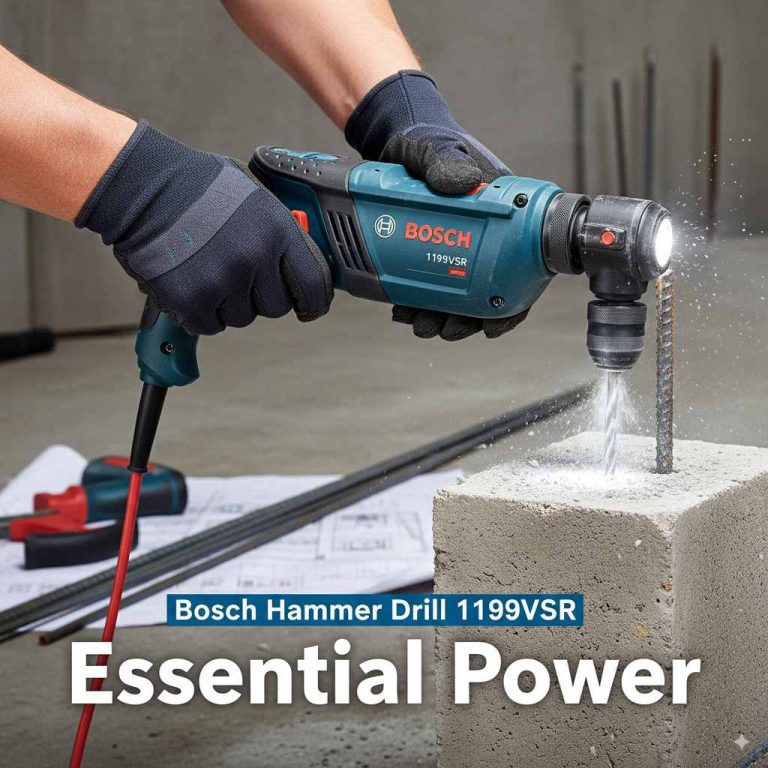
This mode is for drilling into masonry like brick or concrete. It combines the rotational action with a perpendicular hammering motion, like a jackhammer but on a smaller scale. This action chips away at the hard material, allowing the drill bit to penetrate.
It’s important to use a masonry bit when in this mode.
Impact Driver Mode
This is the mode that distinguishes an impact driver from a hammer drill. It delivers rotational force along with rapid, short, percussive impacts that are delivered in the direction of the screw. This is primarily for driving fasteners, especially long or large ones, into tough materials.
The impacts help seat the screw quickly and with minimal effort.
Powering Your Impact Drill
Impact drills are powered either by electricity from a wall outlet or by rechargeable batteries. The choice between corded and cordless often comes down to convenience, portability, and the nature of the work. Cordless models offer freedom of movement, while corded ones provide consistent power without the need for recharging.
Cordless Impact Drills
These are the most popular for home use and many professional applications. They run on lithium-ion batteries, which have become very powerful and long-lasting. Battery voltage (e.g., 18V, 20V) is a good indicator of the drill’s power.
Higher voltage generally means more power and torque.
- Battery Technology
Modern lithium-ion batteries offer excellent power-to-weight ratios and can be recharged multiple times. They also have minimal self-discharge, meaning they hold a charge for a long time when not in use. Many manufacturers offer batteries that are compatible with a range of their tools, allowing you to share batteries across drills, saws, and sanders. - Charge Time and Run Time
Consider how long it takes to charge a battery and how long a single charge will last under typical use. Fast chargers can significantly reduce downtime. Run time depends heavily on the task and the power demands of the drill. Driving many large screws will drain a battery faster than drilling small holes.
Corded Impact Drills
These models plug into a standard electrical outlet, offering unlimited run time as long as they are connected to power. They are often more powerful and less expensive than their cordless counterparts. However, the cord can be a limiting factor, restricting movement and requiring proximity to an outlet.
They are best suited for stationary workshops or jobs where continuous power is essential.
Safety and Best Practices
Using an impact drill requires attention to safety due to its power and percussive action. Proper technique and safety gear can prevent injuries and ensure the tool performs at its best.
Personal Protective Equipment (PPE)
Always wear safety glasses to protect your eyes from flying debris. Hearing protection is also recommended, as impact drills can be quite loud, especially in hammer mode. Gloves can improve grip and protect your hands.
- Eye Protection
Safety glasses are non-negotiable. They prevent wood chips, metal shavings, or dust from entering your eyes, which could cause serious injury. Ensure they fit snugly and cover your eyes completely. - Hearing Protection
The repetitive impact sounds can be damaging over time. Earplugs or earmuffs are essential for prolonged use or when working in enclosed spaces where the noise can reverberate. - Gloves
Work gloves provide a better grip on the tool, reducing the chance of it slipping. They also protect your hands from minor abrasions and vibrations.
Proper Usage Techniques
When driving screws, start at a lower speed to set the screw, then increase speed. Apply steady, firm pressure. For drilling, ensure the bit is securely fastened and that you have a stable stance.
For hammer drilling, let the tool do the work; don’t force it excessively.
- Starting a Screw
Begin with the impact drill on a low speed setting. Gently engage the trigger to start the screw, allowing it to bite into the material. This prevents the screw from wandering or the head from being stripped. - Applying Pressure
Once the screw is started, apply firm, consistent pressure directly behind the drill. This ensures the bit stays engaged with the screw head and the impact mechanism works effectively. - Switching Modes
Always ensure you are in the correct mode for the task. Using impact driver mode for general drilling might damage delicate materials, while hammer drill mode is essential for masonry.
Maintenance for Longevity
Like any power tool, proper maintenance will extend the life of your impact drill and ensure it continues to perform reliably. Keeping it clean and in good working order is simple but effective.
Cleaning and Storage
After each use, wipe down the drill to remove dust and debris. Store it in a dry place, preferably in its case, to protect it from moisture and impact. For cordless tools, store batteries separately in a temperature-controlled environment.
Bit Care
Ensure drill bits and driver bits are sharp and in good condition. Dull bits require more force, putting extra strain on the drill and motor. Regularly inspect bits for damage and replace them as needed.
Battery Maintenance (for Cordless Models)
Avoid fully depleting lithium-ion batteries regularly, as this can shorten their lifespan. Most modern chargers have circuitry to prevent overcharging. Keep battery contacts clean for optimal power transfer.
Troubleshooting Common Issues
If your impact drill is not performing as expected, check the battery charge, ensure the bit is properly seated, and confirm you are using the correct mode for the job. For persistent issues, consult the user manual or a qualified service center.
Benefits of Using an Impact Drill
The unique design of an impact drill offers several advantages over standard drills. These benefits translate into increased efficiency, reduced user fatigue, and the ability to handle tasks that would otherwise be difficult or impossible.
Increased Torque and Power
The primary benefit is the significantly higher torque output. This means the drill can apply more twisting force. This extra power is invaluable for driving large fasteners or working with dense materials, making projects faster and less physically demanding.
The rapid impacts help overcome resistance, preventing the drill from bogging down.
- Driving Large Fasteners
Tasks like building decks, installing fences, or framing walls often require driving many long screws. An impact drill makes this process much easier, reducing the strain on your arms and wrists. It can drive screws that would make a standard drill struggle or even overheat. - Woodworking Projects
In furniture making or cabinetry, where precise fastening is often needed, an impact drill can help seat screws flush with the surface without stripping the head, especially in hardwoods.
Reduced User Fatigue
Because the impact drill does more of the work itself, it requires less sustained muscle effort from the user. The hammering action does much of the heavy lifting, meaning you can work for longer periods without getting as tired. This is particularly noticeable when you have many screws to drive.
- Less Strain on Wrists
A standard drill might require you to brace against a lot of resistance, leading to wrist strain. The impact drill’s action is more controlled and less reliant on brute force from the user. - Faster Completion Times
When tasks are completed more quickly, the overall time spent working is reduced, leading to less cumulative fatigue over the course of a project.
Enhanced Durability for Tough Jobs
Impact drills are built to withstand demanding applications. Their internal mechanisms and often more robust construction make them ideal for construction sites and frequent heavy use. They are designed to handle the stresses of high-torque applications.
Real-Life Scenario: Building a Deck
Imagine you’re building a large wooden deck. You have hundreds of 3-inch deck screws to drive. Using a standard drill would be slow and tiring, with many screws not seating properly.
With an impact drill, each screw goes in quickly and smoothly. The tool barely strains, and your arms don’t ache. This significantly speeds up the project and ensures a professional finish.
Real-Life Scenario: Installing a Fence
When installing fence posts, you might need to drive long lag screws into wooden support beams. These can be very difficult for a regular drill. An impact drill can power through these with ease, securing the fence tightly and efficiently.
How an Impact Drill Works Simple Explanation in Practice
Now that we’ve covered the mechanics and benefits, let’s look at how you’d practically use an impact drill for common tasks. This section will walk you through applying your newfound knowledge to real-world projects, making the operation of this tool feel natural.
Driving Screws into Different Materials
The versatility of an impact drill shines when driving screws into various materials. Knowing how to adjust settings will ensure you get the best results without damaging your workpiece.
Softwoods
For softwoods like pine, start with a lower speed setting. Use the impact driver mode but be ready to ease off the trigger as the screw seats to prevent over-driving or stripping. The impacts help seat the screw quickly.
Hardwoods
Hardwoods require more power. Use a higher speed setting and full impact power. Apply steady pressure.
The impact action is crucial here to overcome the dense wood fibers. You might want to pre-drill a pilot hole if the screw is very large or the wood is exceptionally dense.
Metal Studs and Sheet Metal
When working with metal, especially for framing or attaching fixtures, an impact drill is excellent. Use a metal-drilling bit for pilot holes and then switch to a driver bit for self-tapping screws. The impacts help the threads grip the metal effectively.
Be mindful not to over-tighten and strip the threads in thin metal.
Drilling with an Impact Drill
While its primary strength is fastening, an impact drill can also drill effectively, especially with the right settings and bits.
Drilling into Wood
For wood, use the drill-only mode. Select a speed appropriate for the bit size; larger bits generally require slower speeds. Ensure the wood is secured, and maintain a firm grip on the drill.
Drilling into Masonry (Brick, Concrete, Stone)
This is where the hammer drill mode is essential. Use a masonry drill bit designed for this purpose. Start the hole slowly, then engage the hammer function.
Let the tool’s weight and the hammering action do the work. Avoid excessive pressure; too much force can damage the bit or the hammer mechanism.
- Selecting the Right Bit
Using the correct bit for the material is paramount. A standard wood or metal bit will not effectively drill into concrete. Masonry bits have hardened tips that can chip away at hard surfaces. For very hard concrete or stone, a rotary hammer might be a better, though more expensive, choice. - Pilot Holes
For larger holes in masonry, drilling a smaller pilot hole first can make the main drilling process easier and more accurate. It also helps to guide the larger bit.
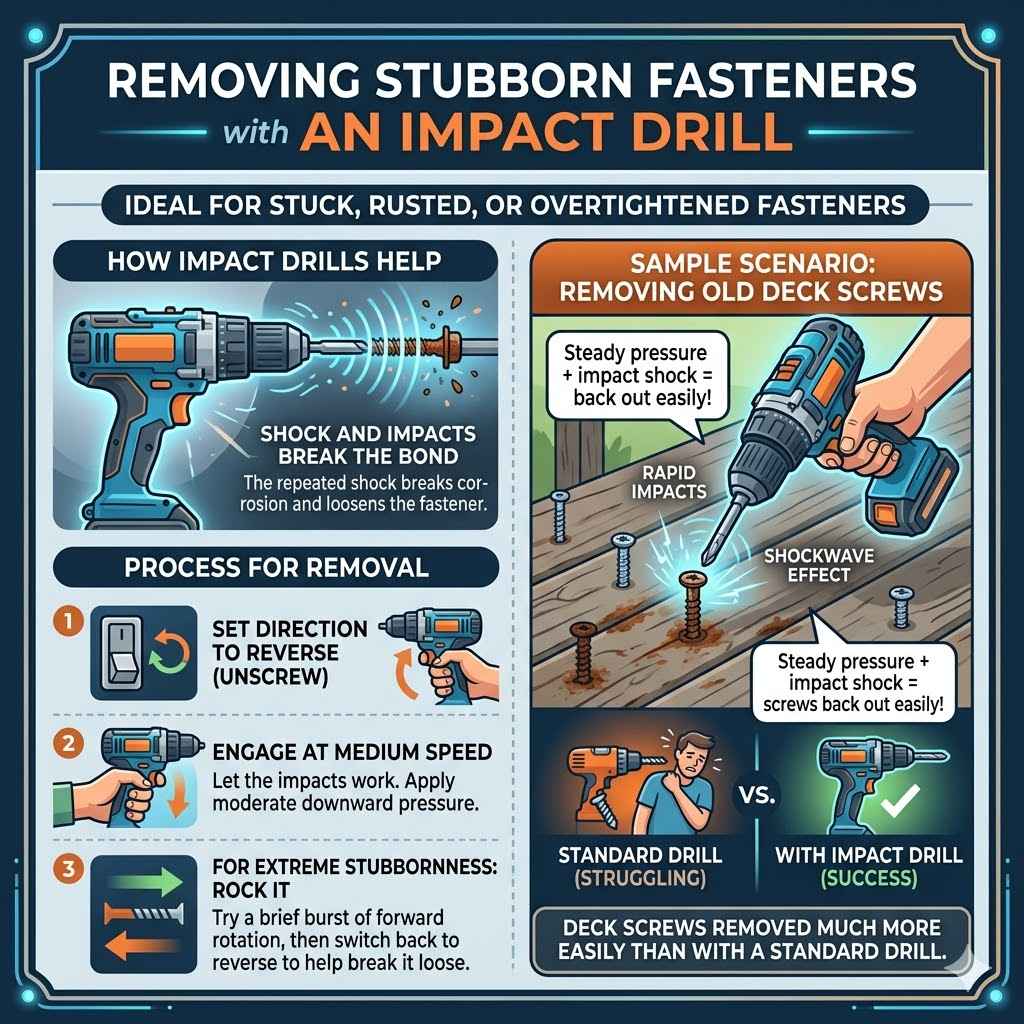
Removing Stubborn Fasteners
Impact drills are also fantastic for removing fasteners that are stuck, rusted, or overtightened. The shock of the impacts can break the bond holding the fastener in place.
Process for Removal
Set the drill to its reverse (unscrew) direction. Engage the drill at a medium speed and let the impacts do their work. You might need to apply some downward pressure.
If a fastener is extremely stubborn, you can try a brief burst of forward rotation followed by reverse to help break it loose.
Sample Scenario: Removing Old Deck Screws
You’re replacing worn deck boards. The old screws are rusted and difficult to remove. You attach a driver bit to your impact drill, set it to reverse, and engage the trigger.
The rapid impacts help shock the rusted threads, and with steady pressure, the screws back out much more easily than they would with a standard drill.
Tips for Maximizing Efficiency
To get the most out of your impact drill, consider these practical tips:
- Keep Bits Sharp and Clean
Dull bits require more force and can overheat. Clean bits ensure a good grip on fasteners. - Use the Right Bit for the Job
Matching the bit type and size to the screw head and material prevents stripping and slippage. - Maintain Control
Always use two hands on the drill when possible for better control, especially when driving large fasteners or drilling into hard materials. - Listen to the Tool
If the drill sounds like it’s struggling, ease up. You might need a different bit, a pilot hole, or a different mode.
Frequently Asked Questions
Question: What is the main difference between an impact drill and a regular drill?
Answer: A regular drill only spins, while an impact drill adds a hammering action to the spinning motion. This gives it much more power for driving screws or drilling into hard materials.
Question: Can I use an impact drill for all my drilling needs?
Answer: For most tasks, yes. However, for very delicate drilling or precision work where you need fine control, a standard drill might be better. For heavy-duty concrete work, a rotary hammer is usually more effective.
Question: Is an impact drill louder than a regular drill?
Answer: Yes, impact drills are generally louder because of the percussive hammering action. It’s a good idea to wear hearing protection when using one.
Question: Do I need special drill bits for an impact drill?
Answer: You need special bits for hammer drill mode (masonry bits) and specific driver bits for fastening. For regular drilling in wood or metal, standard bits usually work fine, but they need to be able to withstand the rotational force.
Question: How do I know which mode to use on my impact drill?
Answer: Use drill mode for general drilling. Use hammer drill mode for brick and concrete. Use impact driver mode for driving screws, especially long or large ones.
Summary
An impact drill combines spinning motion with rapid hammering to deliver significant torque. This makes it ideal for driving screws and drilling into tough materials. By understanding its modes and components, you can use it effectively and safely for a wide range of projects.
With proper care, your impact drill will be a reliable tool for years.