How Bad are Termites in a Home: Uncover the Hidden Dangers
Termites can cause serious damage to homes. They eat wood and weaken structures.
Termites are tiny insects, but their impact can be enormous. They silently chew through wood, often going unnoticed until significant damage has occurred. This can lead to costly repairs and a lot of stress for homeowners. Understanding how bad termites can be in a home is crucial for prevention and early intervention.
By knowing the signs and the extent of their damage, you can protect your home and save money. In this blog, we will explore the dangers termites pose and why it is essential to address them quickly. Stay with us to learn more about these destructive pests and how to safeguard your home.
Credit: www.chemfreeexterminating.com
Introduction To Termites
Termites are small insects that can cause big problems in homes. They are known for eating wood and other materials in houses. This can lead to serious damage and costly repairs. Understanding termites is the first step in protecting your home.
What Are Termites?
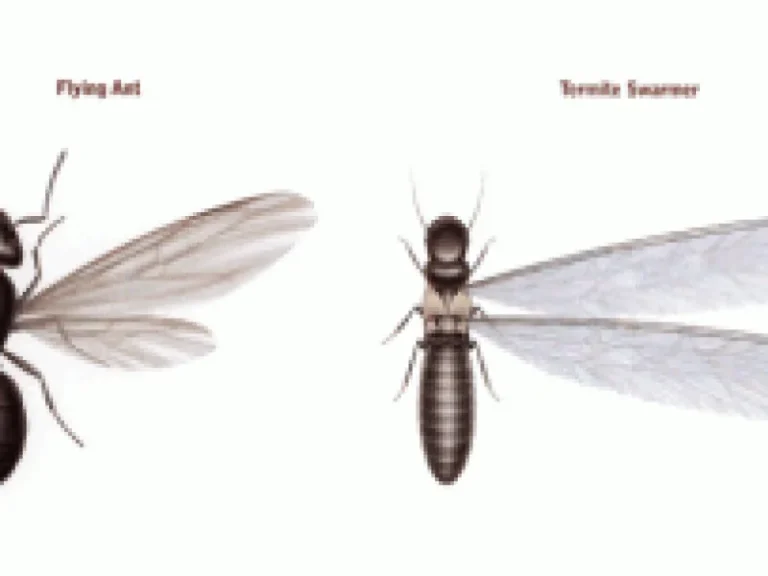
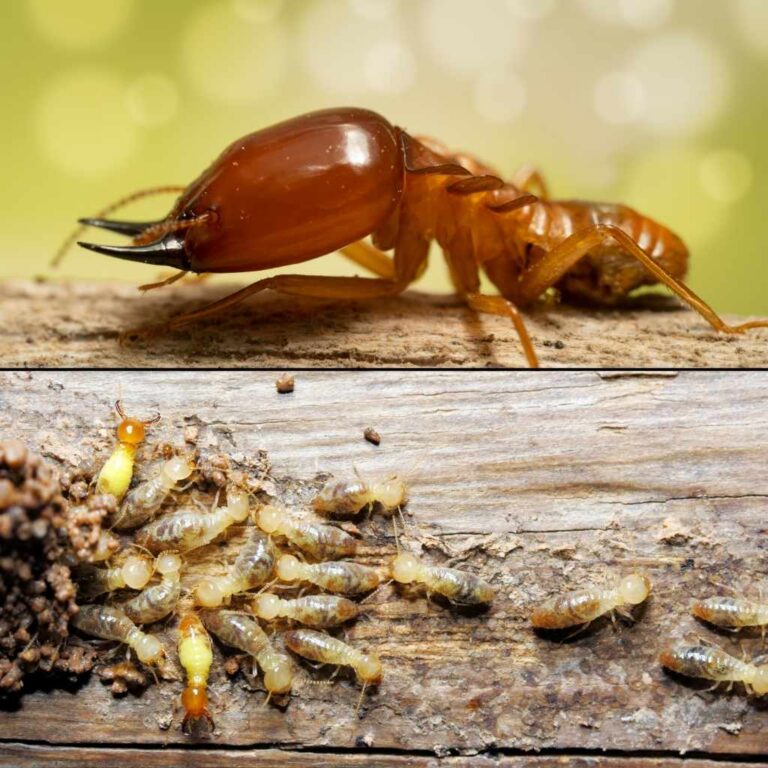
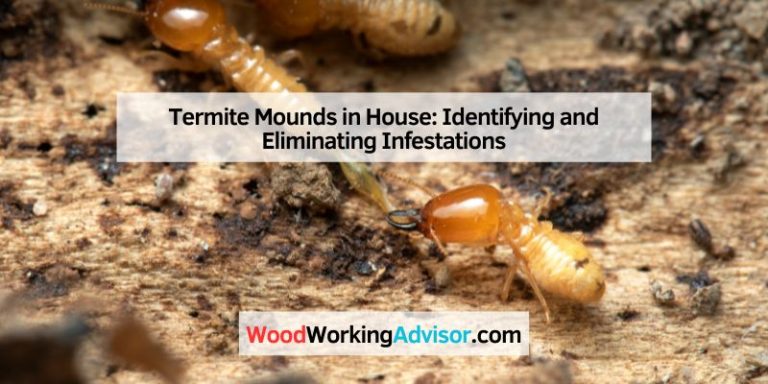
Termites are tiny, pale insects that feed on wood. They live in large colonies and work together to find food. They have soft bodies and straight antennae. Termites can be mistaken for ants, but they are different insects.
Types Of Termites
There are several types of termites. The main types are subterranean, drywood, and dampwood termites. Subterranean termites live in the soil and build mud tubes to reach food. They are the most common type and cause the most damage.
Drywood termites live inside wood and do not need soil. They often infest furniture and wooden structures. Dampwood termites prefer moist wood. They are less common but can still cause damage. Each type of termite has unique habits and needs different treatments.
Credit: www.bankrate.com
Signs Of Termite Infestation
Termites can cause severe damage to your home. Identifying the early signs of termite infestation can save you from costly repairs. Here are some key signs to look out for.
Visible Damage
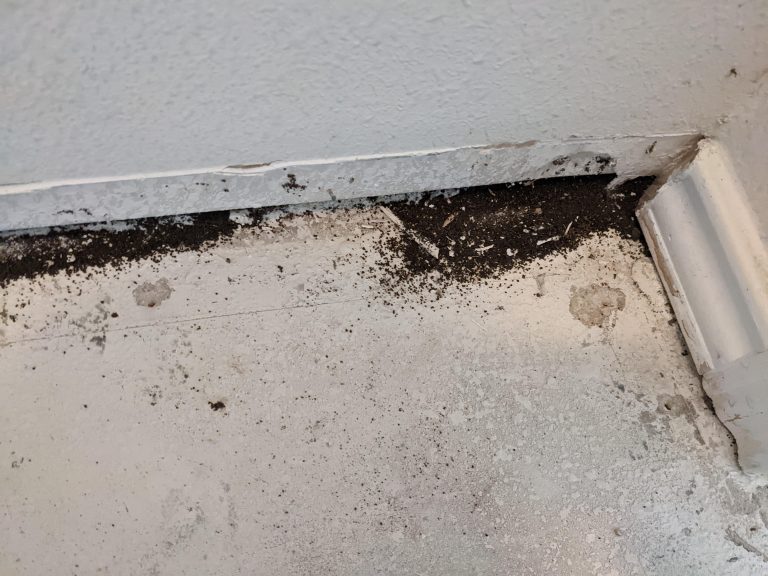
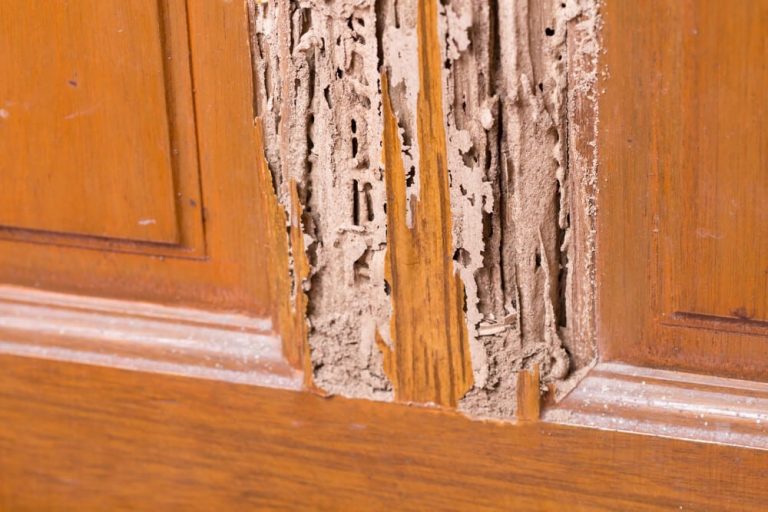
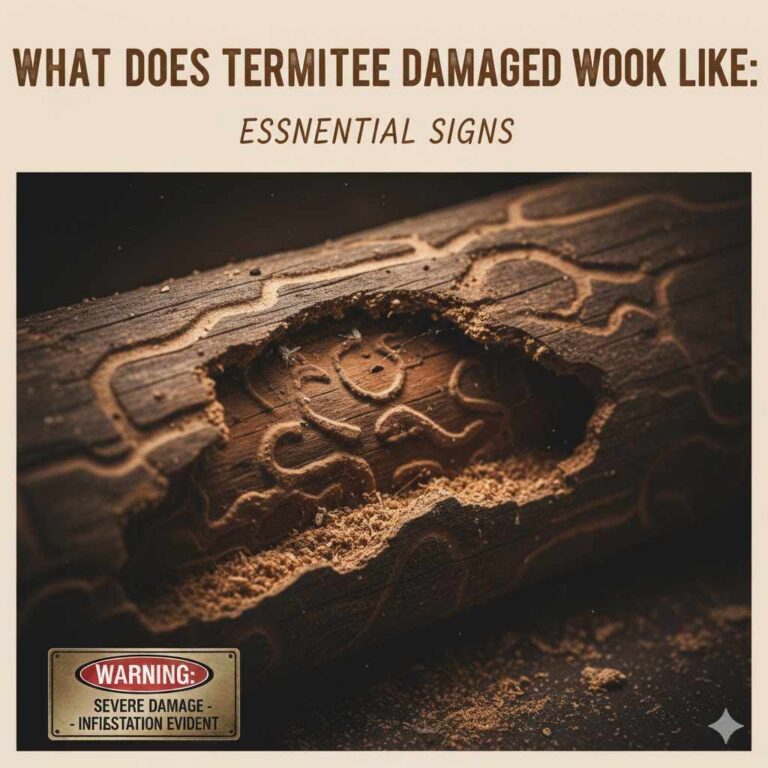
Look for visible damage to wood structures. Termites often leave behind hollowed-out wood. You may notice wood that sounds hollow when tapped. Paint may also start to bubble or peel. Check for sagging floors or ceilings. These can be signs of extensive termite damage.
Mud Tubes
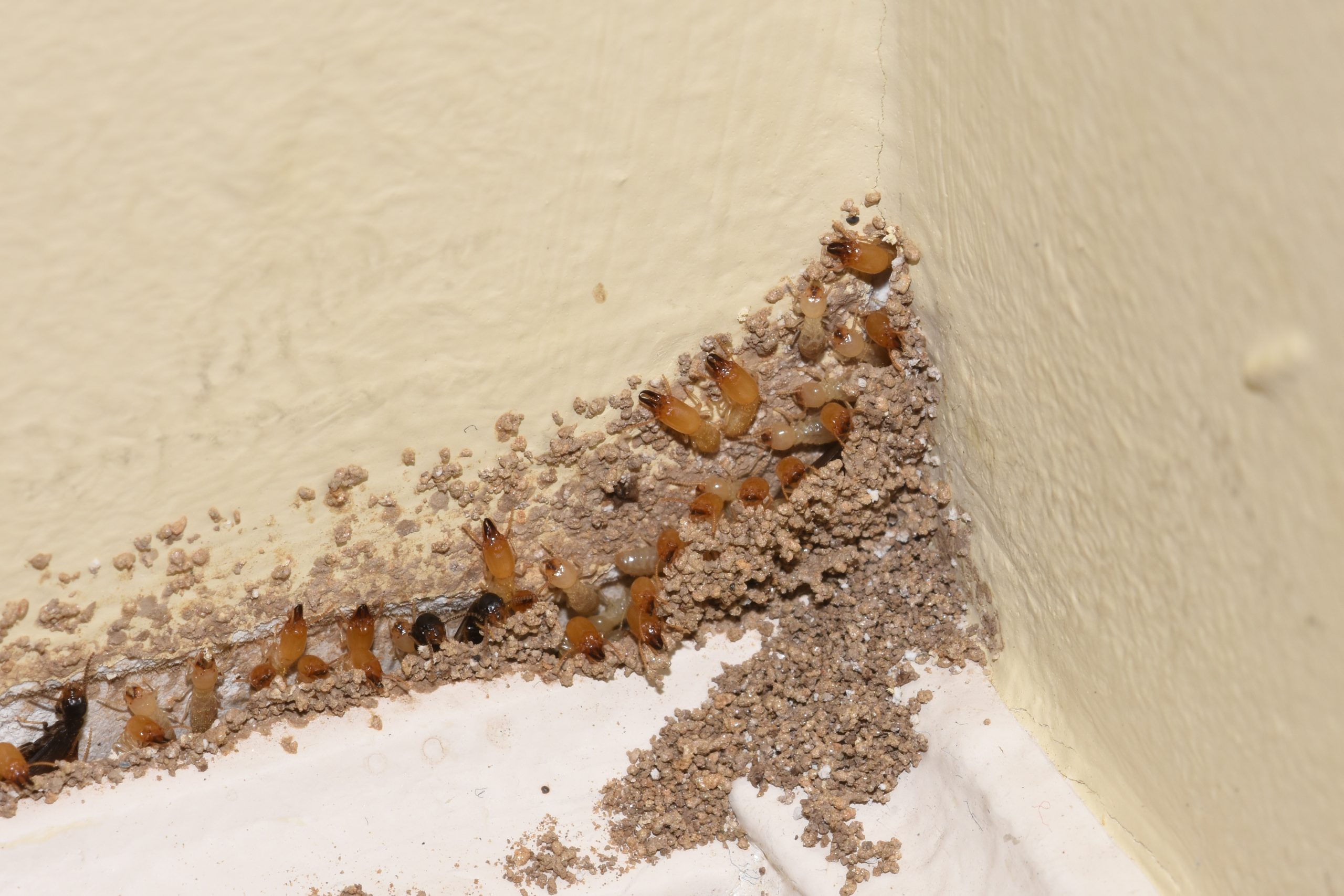
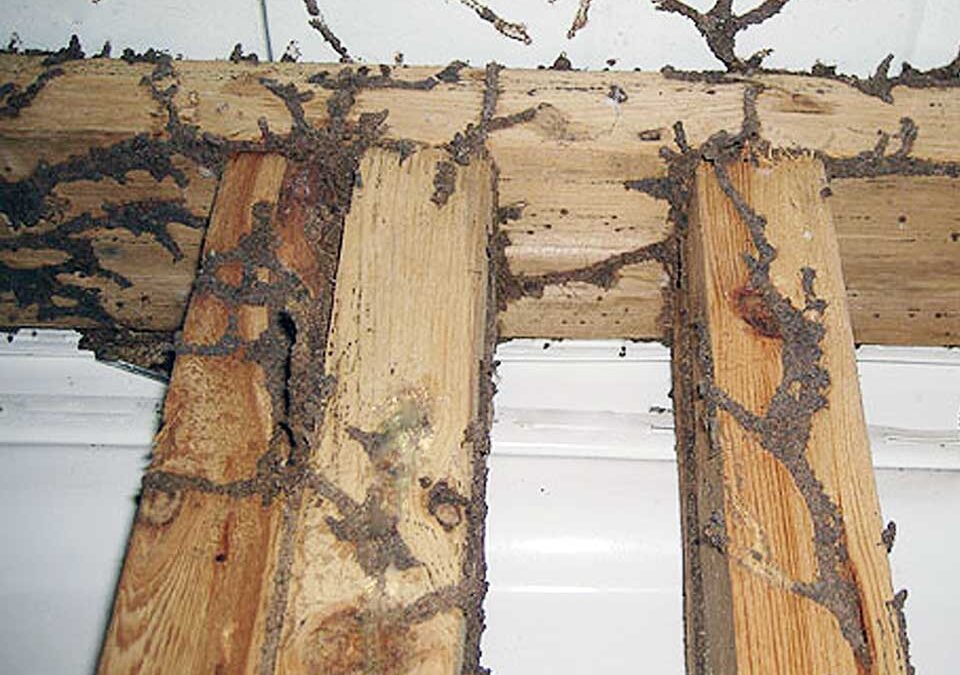
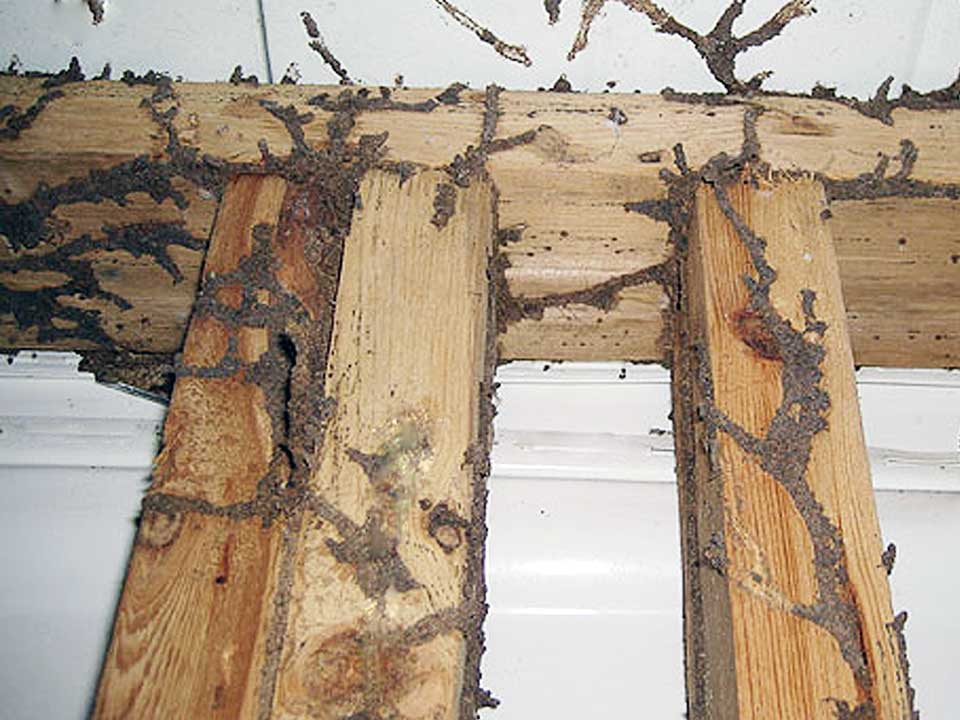
Termites build mud tubes to travel from their nest to their food source. These tubes are usually found on walls, floors, and foundations. Mud tubes are pencil-width and made of soil and wood particles. They protect termites from predators and dry air. Break open a tube and look for live termites inside.
Discarded Wings
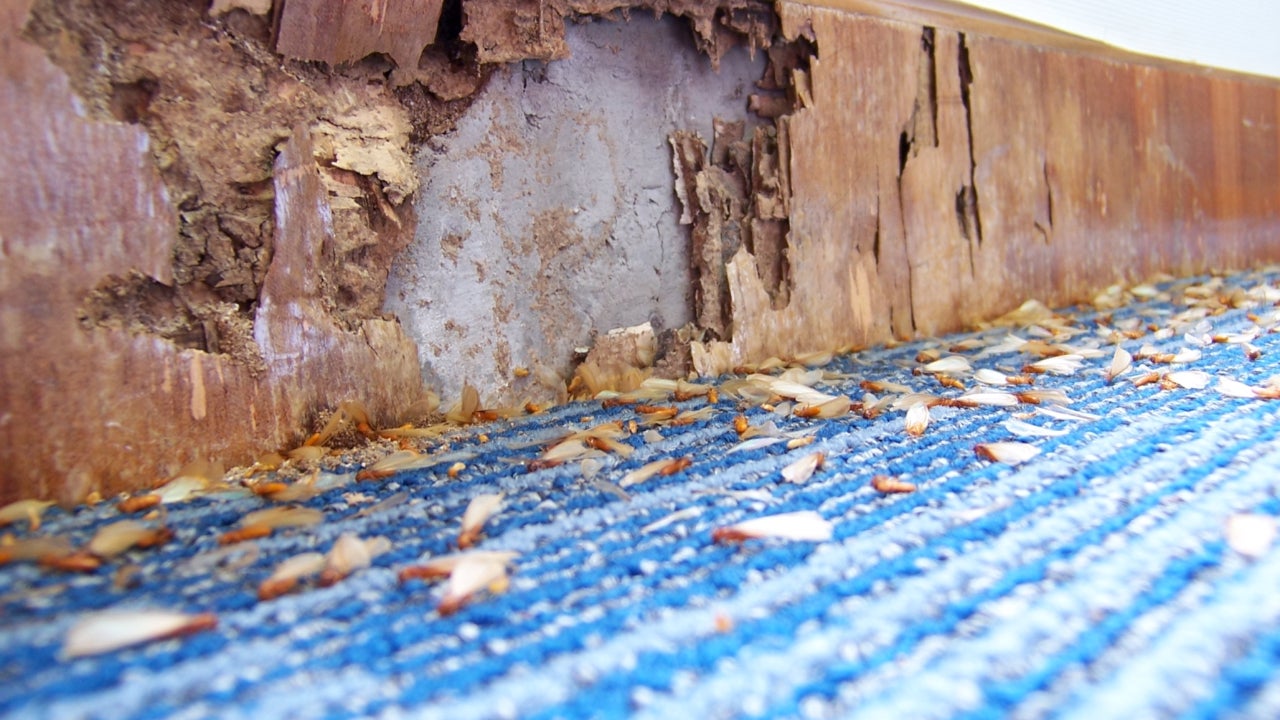
Termites shed their wings after they find a new place to nest. Look for small piles of discarded wings near windows, doors, and other entry points. These wings are often translucent and resemble fish scales. The presence of wings can indicate a nearby termite colony. Check your home regularly for this sign.
Structural Damage
Termites can cause extensive damage to a home. Structural damage is one of the most severe effects. This damage can compromise the safety and stability of a house. Understanding the different types of structural damage can help you take action.
Wood Damage
Termites eat wood from the inside out. This weakens the structure of your home. Floorboards, walls, and ceilings may all suffer. This wood damage can lead to sagging floors and bulging walls. In extreme cases, parts of the house may collapse.
Foundation Issues
Termites can also damage the foundation. They build tunnels in the soil, reaching the foundation. Over time, these tunnels weaken the support. Cracks may appear, and the house may shift. Repairing foundation damage is costly and time-consuming.
Health Risks
Termites can cause serious damage to your home, but did you know they can also affect your health? Yes, those tiny critters can lead to some real health problems. Let’s dive into the health risks associated with termites. We’ll look at two main issues: allergies and asthma and mold growth.
Allergies And Asthma
Termites can trigger allergies and worsen asthma. How? They leave behind droppings, shed skin, and saliva. These can mix with the air in your home. When you breathe them in, it can cause problems, especially if you already have allergies or asthma.
Think about it. It’s like having dust mites or pet dander. But it’s termites. Here’s what you might experience:
- Itchy eyes
- Runny nose
- Wheezing
- Shortness of breath
My friend Sarah had this issue. She couldn’t figure out why her son’s asthma was getting worse. It turned out, termites were the culprit. Once they got rid of the termites, his asthma improved.
Mold Growth
Termites love damp wood. And damp wood often means mold. Mold is not just bad for your home; it’s bad for your health too. Mold spores can get into the air and cause all sorts of problems.
When termites eat through wet wood, they can spread mold. Here are some symptoms you might notice:
- Coughing
- Sneezing
- Skin rash
- Sinus infections
Imagine this. You walk into your basement and smell something musty. You see mold on the walls. It’s not just an eyesore. It’s a health hazard. And yes, termites could be part of the problem.
In short, termites are not just a threat to your home’s structure. They can also affect your health. So, it’s important to deal with them quickly and effectively.
Economic Impact
Termites can cause significant economic impacts on homeowners. These tiny pests silently damage the wooden structures in your home. Over time, their destruction can lead to costly repairs and a reduction in property value. Let’s delve deeper into the economic impact of termites in a home.
Repair Costs
Termite damage often goes unnoticed until it’s severe. By then, the repair costs can be substantial. Homeowners might face bills ranging from a few hundred to several thousand dollars. Damaged wood might need complete replacement, which adds to labor costs. Regular inspections and early detection can help mitigate these expenses.
Property Value
Termite infestations can lower your home’s property value. Potential buyers may hesitate to invest in a termite-damaged property. Even if repairs are made, the history of termite issues can deter buyers. This can lead to lower offers or a longer time on the market. Protecting your home from termites helps maintain its value.
Prevention Methods
Termites can cause significant damage to your home. Prevention is key to avoiding costly repairs. Implementing effective prevention methods will help keep termites at bay. Here are some essential strategies to prevent termite infestations.
Regular Inspections
Conduct regular inspections to detect early signs of termites. Check wooden structures for damage. Look for mud tubes, which termites use to travel. Inspect your home’s foundation, basement, and crawl spaces. Regular inspections can help you catch termites early.
Moisture Control
Termites thrive in moist environments. Reduce moisture levels in and around your home. Fix leaky pipes and faucets promptly. Ensure good ventilation in basements and crawl spaces. Use dehumidifiers in damp areas. Keeping your home dry can deter termites.
Treatment Options
Termites can turn your home into a nightmare. But don’t worry. There are ways to get rid of them. Let’s talk about some treatment options. We’ll go over chemical treatments and natural remedies. Both can help you say goodbye to these little destroyers.
Chemical Treatments
Chemical treatments are a common way to deal with termites. They work fast and are very effective. Here are some options:
- Liquid Termiticides: These are chemicals applied to the soil around your home. They create a barrier that termites can’t cross.
- Termite Baits: Baits are placed around your home. Termites eat the bait and take it back to their colony, killing many termites at once.
- Wood Treatments: These are chemicals applied directly to the wood. They kill termites and protect the wood from future infestations.
Chemical treatments are strong. They can quickly reduce termite numbers. But they are not the only option.
Natural Remedies
If you prefer a natural approach, there are several remedies you can try. They might not work as fast as chemicals, but they are safer for your family and pets. Here are some natural treatments:
- Boric Acid: This is a natural pesticide. Sprinkle it on wood and in cracks. Termites will eat it and die.
- Orange Oil: Orange oil can kill termites on contact. Inject it into the wood where termites live.
- Diatomaceous Earth: This is a powder made from tiny fossils. Sprinkle it around your home. It cuts the termites’ bodies and dehydrates them.
- Beneficial Nematodes: These are tiny worms. They hunt and kill termites. You can release them in your garden soil.
Natural remedies can be a good choice. They are less harmful to the environment. But they might need more time to work.
In conclusion, whether you choose chemical treatments or natural remedies, it’s important to act fast. Termites can cause a lot of damage if left unchecked. Choose the method that works best for you and your home.
Credit: www.chemfreeexterminating.com
Professional Help
Professional help is essential when dealing with termites in your home. These pests can cause severe damage if not handled properly. While DIY methods might seem appealing, professional exterminators have the expertise and tools needed to eradicate termites effectively. Let’s dive into how to choose the right exterminator and what you can expect from the process.
Choosing An Exterminator
Picking the right exterminator is crucial. Here are some tips to help you make the best choice:
- Check Credentials: Ensure the exterminator is licensed and certified. This shows they are trained and follow the right procedures.
- Read Reviews: Look for customer reviews online. Good reviews often mean good service.
- Ask for Referrals: Talk to friends or family who have dealt with termites. Their recommendations can be valuable.
- Get Multiple Quotes: Don’t settle for the first quote. Compare prices and services from different exterminators.
Choosing the right professional can save you time, money, and stress in the long run. Just like finding a good mechanic for your car, a reliable exterminator is worth the effort.
What To Expect
So, you’ve chosen an exterminator. What happens next? Here’s a simple breakdown:
- Inspection: The exterminator will inspect your home to identify the extent of the termite problem. They will look for signs like mud tubes, damaged wood, and termite droppings.
- Treatment Plan: Based on the inspection, the exterminator will suggest a treatment plan. This could include chemical treatments, bait systems, or fumigation.
- Implementation: The exterminator will carry out the treatment. This might take a few hours or several days, depending on the severity of the infestation.
- Follow-Up: After the treatment, the exterminator will schedule follow-up visits to ensure the termites are gone. This step is crucial for long-term protection.
When I had termites in my home, I was overwhelmed at first. But, finding a trustworthy exterminator made all the difference. They handled everything from start to finish, and now my home is termite-free. The peace of mind? Priceless.
Remember, dealing with termites is not a one-time fix. Regular inspections and maintenance are key. Think of it like dental check-ups; a little effort now can prevent bigger problems later.
In conclusion, hiring a professional for termite control is the best way to protect your home. With the right exterminator, you can rest easy knowing your home is in good hands.
Frequently Asked Questions
Is It Ok To Live In A House With Termites?
Living in a house with termites is not safe. They cause structural damage and health issues. Act quickly to eliminate them.
How Quickly Can Termites Destroy A House?
Termites can destroy a house in 3 to 8 years. Extensive damage might occur in as little as 1 to 2 years. Regular inspections help prevent severe damage.
Can A Termite-infested House Be Saved?
Yes, a termite-infested house can be saved. Professional pest control services can eliminate termites and prevent further damage. Early detection and treatment are crucial. Regular inspections help maintain a termite-free home.
Should I Be Worried If I See A Termite?
Yes, seeing a termite can be a cause for concern. Termites can damage wooden structures, so contact a pest control expert.
Conclusion
Termites can cause severe damage to your home. Their presence weakens structures. This leads to costly repairs and potential safety hazards. Regular inspections are crucial. Early detection can save money and stress. Act quickly if you suspect termites. Protect your home from these destructive pests.
Maintaining a termite-free home ensures safety and peace of mind. Don’t let termites take over. Stay vigilant and proactive to keep your home safe.