How Close Do Cherry Trees Need to Be to Pollinate: Optimal Distance Explained
Are you dreaming of a bountiful cherry harvest from your very own garden? Understanding how close cherry trees need to be for effective pollination could be your secret weapon.
Imagine walking into your backyard and picking juicy, ripe cherries right from the tree. To make this dream a reality, it’s crucial to know the role of pollination in your cherry trees’ fruit production. But here’s the catch—if your trees aren’t spaced just right, you could end up with a disappointing yield.
Don’t let your hard work go to waste. By learning the ideal distance for pollination, you can ensure that your cherry trees thrive and produce the delicious fruit you’re hoping for. Ready to discover the perfect spacing for a successful cherry harvest? Read on to unlock the secrets of cherry tree pollination.

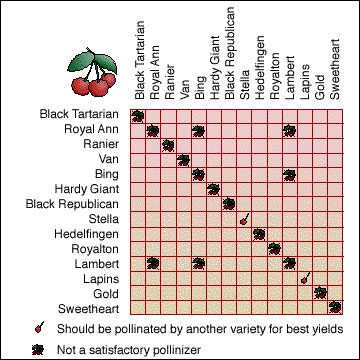
Credit: naturehills.com
Cherry Tree Pollination Basics
Cherry trees need help to make fruit. Bees and wind move pollen. Most cherry trees need another tree nearby. Pollination happens when pollen travels from one flower to another. This is important for growing fruit.
Cherry trees should be close together. 20 feet apart is good. This helps bees move pollen easily. Some cherry trees can make fruit alone. These are called self-pollinating trees. But even self-pollinating trees do better with a friend.
Different cherry trees can help each other. Plant different kinds near each other. This can make more fruit. Bees love flowers, and they help a lot. Having flowers nearby will help bees visit more. This means more cherries for you!
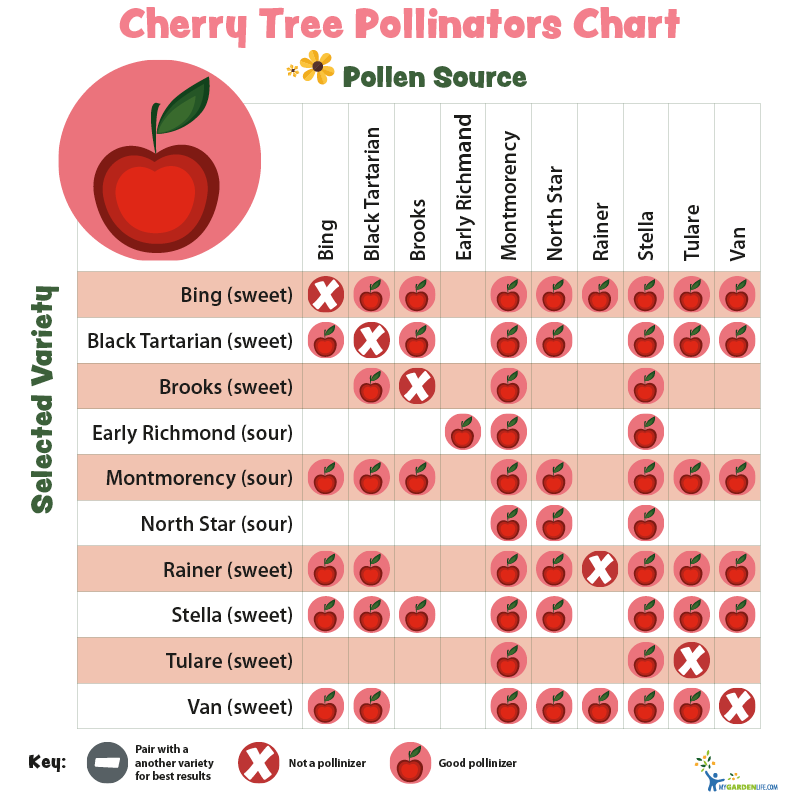
Credit: mygardenlife.com
Factors Affecting Pollination
Cherry trees come in different types. Each type needs different distances for pollination. Some trees need to be closer than others. Sweet cherries often need partners nearby. Sour cherries might pollinate by themselves. Choosing the right type is important. It helps trees grow better and produce more fruit.
Weather plays a big role in pollination. Cool weather can slow down pollination. Warm, sunny days help pollination happen faster. Rain can wash away pollen. Dry and windy days might spread pollen far. Soil quality also matters. Healthy soil makes trees stronger. Strong trees pollinate better.
Bees and other insects help pollination. They move pollen from tree to tree. More active bees mean better pollination. Planting flowers can attract more bees. Bees like bright, colorful flowers. More bees visiting trees increases fruit production. Bees are important for cherry trees.
Ideal Planting Distances
Cherry trees should be planted at a safe distance. 15 to 25 feet apart is best. This helps them grow well and stay healthy. Trees need space to spread their branches. This distance helps with good air flow. It also reduces the risk of diseases.
Planting too close can cause problems. Trees might not get enough sunlight. They could also compete for nutrients. This can affect growth and fruit production.
Distance affects how many cherries you get. Trees planted too close may yield less fruit. Proper spacing allows for more sunlight. This boosts photosynthesis. More sunlight means more cherries.
Well-spaced trees are easier to care for. You can prune them easily. Also, harvesting becomes simple. Proper distance ensures a healthy and productive cherry orchard.
Role Of Cross-pollination
Cherry trees need cross-pollination to grow fruit. Cross-pollination means pollen from one cherry tree goes to another. This helps the tree make cherries. Bees and wind carry the pollen. Without this, cherry trees cannot make fruit.
Some cherry trees are self-pollinating. But many need another tree. These trees must be compatible. They should flower at the same time. For example, Bing cherries need a different type like Black Tartarian. These trees help each other grow cherries. Planting them close helps bees work. Closer trees mean better pollination.
Enhancing Pollination Success
Cherry trees need to be within 100 feet of each other for successful pollination. This proximity ensures bees can easily transfer pollen. Proper spacing boosts fruit production.
Attracting Pollinators
Bees and butterflies love bright flowers. Plant flowers near cherry trees. This helps attract pollinators. Pollinators carry pollen from one tree to another. This is important for fruit production. Keep the area clean. Avoid using harmful sprays. These can hurt the helpful insects. Bees need water. Provide small water sources. Small dishes with water are great. Keep them filled. Pollinators help cherries grow better.
Improving Orchard Layout
Trees should be close to each other. 15 to 30 feet apart is good. This helps pollen transfer easily. Wind can help too. Space trees evenly. Avoid crowded planting. Crowded trees block sunlight. Trees need sunlight to grow well. Enough space allows good air flow. Air flow helps pollen move. Keep paths wide between rows. Wide paths make it easy to care for trees. Proper layout helps trees grow healthy.
Common Pollination Challenges
Cherry trees need close proximity to pollinate effectively. Ideally, they should be planted within 100 feet of each other. This distance ensures bees can easily transfer pollen between trees, aiding in fruitful growth.
Weather Impacts
Weather plays a big role in cherry tree pollination. Cold winds can stop pollen movement. Heavy rain can wash away pollen. Extreme heat dries pollen out quickly. Bees don’t like flying in bad weather. They stay home when it’s cold or rainy. This means less pollination happens. Sunny days help bees to work. Mild temperatures are best for pollination.
Pest And Disease Issues
Pests can damage cherry trees. They can eat leaves and flowers. This affects the tree’s health and pollination. Diseases can also harm cherry trees. They can spread fast in wet conditions. Sick trees produce less pollen. Healthy trees make more pollen. Regular checks help find pests early. Treatments can save many trees. It’s important to keep trees healthy for good pollination.
Innovative Pollination Techniques
Artificial pollination is a method to help cherry trees. It is used when trees are too far apart. This technique involves transferring pollen by hand. Farmers use brushes or blowers to spread pollen. This method is useful for orchards with many trees. It can increase fruit production. It ensures that trees get enough pollen. It is a good solution for isolated trees.
Technology helps in pollinating cherry trees. Drones can carry pollen. They can spread it over trees quickly. This saves time for farmers. Sensors can check if trees need more pollen. They give real-time information. Machines can pollinate at night too. This helps when bees are sleeping. Technology makes pollination easier and faster. It helps trees grow more cherries.
Expert Tips For Growers
Cherry trees need to be close for good pollination. Pollination happens when pollen moves from one flower to another. Trees should be about 20 feet apart. This helps bees and wind to work well. Bees are important. They carry pollen between trees. Without bees, pollination is hard.
Check trees often. Look for flowers and bees. Count the flowers on each tree. More flowers mean better chances for fruit. If there are no bees, think about adding a bee hive. Hives can help. They bring more bees and improve pollination.
Adjust your strategies if needed. Sometimes, trees are too far apart. Move them closer if possible. This ensures better pollination and more fruit. Remember, every tree needs friends nearby. Together, they can grow lots of cherries.
Frequently Asked Questions
How Close To Cherry Trees Need To Be To Pollinate?
Cherry trees should be within 100 feet of each other for effective pollination. Bees can easily travel this distance. Ensure that the trees bloom simultaneously for better cross-pollination. A nearby compatible variety can improve fruit yield significantly. Proper spacing enhances pollination success and overall orchard productivity.
Can Two Of The Same Cherry Trees Pollinate Each Other?
Yes, two of the same cherry trees can pollinate each other if they are compatible. Ensure both trees bloom simultaneously for effective pollination. Some cherry tree varieties are self-pollinating, while others require cross-pollination with compatible partners for fruit production. Always check the specific type of cherry tree.
How Many Years Does It Take A Cherry Tree To Bear Fruit?
Cherry trees typically take 3 to 5 years to bear fruit. Proper care speeds up the process. Ensure the tree receives adequate sunlight, water, and nutrients. Regular pruning promotes healthy growth. Choose a suitable variety for your climate to optimize fruit production.
Patience and care lead to a fruitful harvest.
Can Cherry Trees Grow Next To Each Other?
Yes, cherry trees can grow next to each other. Maintain a distance of 15-20 feet between them. This spacing ensures proper sunlight and air circulation. Proper spacing helps prevent disease spread and supports healthy growth. Consider soil quality and drainage for optimal tree development.
Conclusion
Cherry trees need close planting for effective pollination. Bees help transfer pollen between trees. Planting cherry trees within 100 feet ensures better pollination. Different varieties may require closer distances. Space allows bees to work efficiently. Proper spacing boosts fruit production.
Healthy cherry trees yield more cherries. Always consider soil and sunlight needs. Choose compatible cherry varieties. Check local climate conditions. Effective planning leads to fruitful harvests. Enjoy bountiful cherry seasons with proper care. Your cherry orchard will thrive with good spacing.
Grow cherries with confidence and delight in their sweet rewards.