What Does Cherry Wood Smell Like? (Sweet, Nutty Scent Explained)
Cherry wood has a mild, sweet-nutty scent driven by natural benzaldehyde and coumarin compounds in the grain — strongest right after milling, much fainter once the lumber is kiln-dried. A sour or vinegar-like smell usually means the wood got wet or started to spalt, not a flaw in the species itself. This guide covers the real chemistry behind the scent, how it stacks up against cedar and oak, and why it’s a go-to for smoking meat.
Why Cherry Wood Is a Favorite for Smoking Meat
Best Cherry Smoking Wood Pick
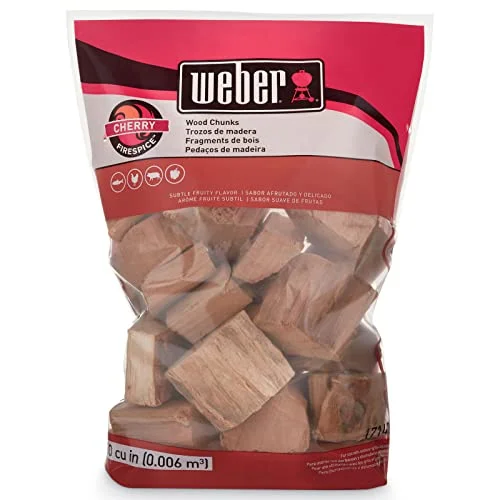 |
Weber Cherry Wood Chunks, 4 lb – $10.98 Real cherry wood chunks for the mild, fruity smoke this guide describes — works well with the poultry, pork, and fish pairings covered above.
|
Cherry wood’s natural sugars and compounds break down over heat into a mild, slightly sweet smoke that pairs well with poultry, pork, and fish without overpowering the meat the way stronger woods like hickory or mesquite can. Pitmasters often blend it with oak or hickory: cherry supplies the sweetness and a reddish smoke-ring tint, while the heavier wood supplies the backbone smoke flavor.
Because cherry burns relatively cool and produces a thin, clean smoke, it’s forgiving for beginners — there’s less risk of the acrid, bitter smoke that comes from smoldering, oxygen-starved fires with denser woods.
What Makes Cherry Wood Smell Sweet? (The Chemistry)
Cherry wood’s aroma is a natural blend of aromatic compounds, not a single “cherry” scent — it comes primarily from benzaldehyde (the same almond/marzipan-adjacent compound found in cherry pits and stone fruit) and coumarin (a sweet, hay-like compound that develops as the wood cures). Neither compound is added; both occur naturally in the heartwood and are released as fibers are cut, sanded, or heated.
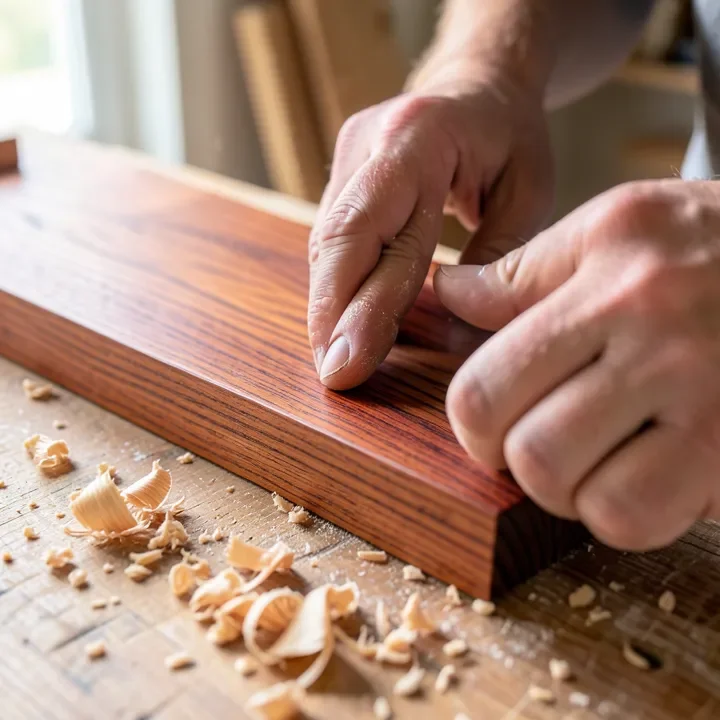
This is why cherry rarely smells like the actual fruit — benzaldehyde reads more like almond extract or marzipan than fresh cherries, and it’s usually faint enough that you need to be sanding, cutting, or standing close to a fresh pile of shavings to notice it at all.
Fresh-Cut vs. Kiln-Dried Cherry Wood Scent
Freshly milled cherry releases the strongest scent because cutting and sanding expose more surface area and rupture more wood cells at once, releasing the volatile compounds trapped inside. Kiln-dried cherry — the form most lumber yards sell — has already lost much of that volatility to heat during drying, so boards on the rack often smell like almost nothing until you cut into them again.
Air-dried cherry sits in between: it retains more of the natural coumarin sweetness than kiln-dried stock but less of the sharp benzaldehyde note than wood cut within the last few hours.
📊 Black cherry (Prunus serotina) is rated as having a “mild, distinctive” scent when worked, noticeably fainter than cedar or pine but more present than woods like maple or birch — Source: The Wood Database, Black Cherry profile
Cherry Wood vs. Other Aromatic Woods
Cherry sits in the middle of the pack for scent intensity — noticeably milder than cedar or pine, but more present than oak or walnut. The table below breaks down how it compares.
| Wood | Scent Profile | Intensity | Best For |
|---|---|---|---|
| Cherry | Sweet, nutty (benzaldehyde/coumarin) | Mild | Furniture, smoking pork & poultry |
| Cedar | Sharp, resinous, classic “cedar closet” | Strong | Closets, outdoor furniture, insect resistance |
| Pine | Sharp piney resin, strongest when cut/burned | Strong | Framing, rustic furniture, kindling |
| Oak | Rich, earthy, tannic | Moderate | Flooring, cabinetry, whiskey barrels |
| Walnut | Faint, slightly bitter/earthy | Very mild | Fine furniture, gunstocks |
Does Cherry Wood Ever Smell Off or Unpleasant?
Yes — and it’s worth knowing the difference between cherry’s normal sweet-nutty smell and a genuine problem. Woodworking forums regularly document cherry lumber developing a sour, vinegar-like, or ammonia odor, which is almost always caused by one of three things: the wood was kiln-dried or stored while still too wet (trapped moisture ferments), it has started to spalt from fungal activity before drying, or it was stored in an unventilated space with mildew.
A true off-odor doesn’t fade with airing out the way normal “fresh-cut” intensity does, and it’s often paired with visible dark streaking or soft, punky spots in the board. If a board still reeks after a week of open-air storage, treat it as a moisture or spalting problem rather than a quirk of the species — check it with a moisture meter before using it in a finished piece.
Frequently Asked Questions
Does cherry wood smell like cherries?
Not really. Cherry wood’s scent comes from benzaldehyde and coumarin, which read closer to almond extract or marzipan than fresh cherry fruit, and the smell is usually much fainter than people expect.
What wood has the best smell?
That comes down to preference, but cedar is the most commonly cited favorite for its classic sweet, resinous smell, which is why it’s used in closets and chests for its calming, insect-repelling scent.
What wood smells sweet?
Cherry and birch both lean sweet. Birch produces a light, sweet aroma especially when burned, while cherry’s sweetness comes from coumarin and is more noticeable in fresh sawdust than in finished furniture.
What’s the best-smelling firewood?
Cherry, cedar, birch, and apple are commonly ranked among the best-smelling firewoods because they burn with a mild, sweet aroma instead of the sharp, sooty smell of resinous softwoods like pine.
Why does my cherry wood smell sour or like vinegar?
A sour or ammonia-like smell in cherry almost always means the wood was still too wet when dried or stored, or it has started to spalt from fungal growth. Normal cherry scent is sweet and nutty, not sour — a persistent sour smell signals a moisture problem, not a quirk of the species.
Conclusion
Cherry wood’s scent is real chemistry, not folklore — benzaldehyde and coumarin give it a mild, sweet-nutty note that’s strongest fresh off the saw and fades noticeably once the wood is kiln-dried. It’s one reason cherry works so well both on the workbench and on the smoker. If a board smells sour instead of sweet, that’s a moisture or spalting issue worth checking before you build with it, not a normal trait of the wood.
Sponsored / affiliate links. As an Amazon Associate I earn from qualifying purchases. I may earn additional commission from eligible campaigns.