How Do Termites Start Colonies: Unveiling the Process
Have you ever wondered how termites start their journey of destruction right under your nose? You might be surprised to learn that these tiny creatures can cause significant damage before you even notice their presence.
Termites are not just pests; they are silent invaders that can turn your home into a buffet of wood and cellulose. Understanding how termites begin their life cycle and infest your property is crucial to protecting your valuable investment. You’ll discover the secrets behind the termite’s life cycle, what attracts them to your home, and the hidden signs you need to watch out for.
You’ll gain the knowledge to keep these unwelcome guests at bay. Are you ready to uncover the truth about termites and safeguard your home? Keep reading to arm yourself with the information you need to prevent a termite invasion.
Termite Reproduction
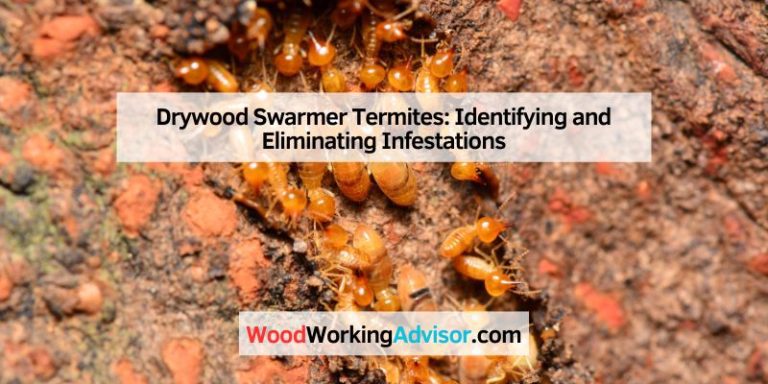
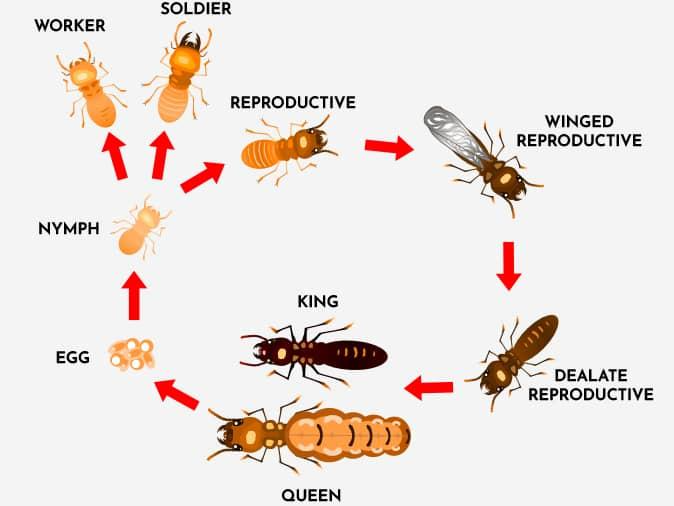
Alates are special termites. They have wings. They can fly. They leave their colonies. They search for new homes. These homes become new colonies. Alates are important for termite reproduction. They spread and create new colonies. Without them, termites can’t grow. Alates help colonies expand. They play a key role in growth. Their wings are temporary. They shed them after finding a mate. Then they start new colonies. This process repeats every season.
Termites have unique mating rituals. Alates fly into the air. They find partners. They mate in the air. This is called a “nuptial flight”. After mating, they land on the ground. They search for a safe place. They start new colonies together. These rituals ensure strong colonies. Mating rituals help termites survive. They reproduce and grow. Each pair creates many new termites. This keeps their species alive.
Credit: arrownj.com
Selecting A Nesting Site
Termites choose places with warmth and moisture. These conditions help them survive. Rain and humidity are important. Termites need soft soil for digging. Dry places are not good for them.
Termites often pick underground spots. Wood is their favorite food. They look for dead trees or rotting logs. Safe places protect them from predators. Dark areas are preferred.
Establishing The Colony
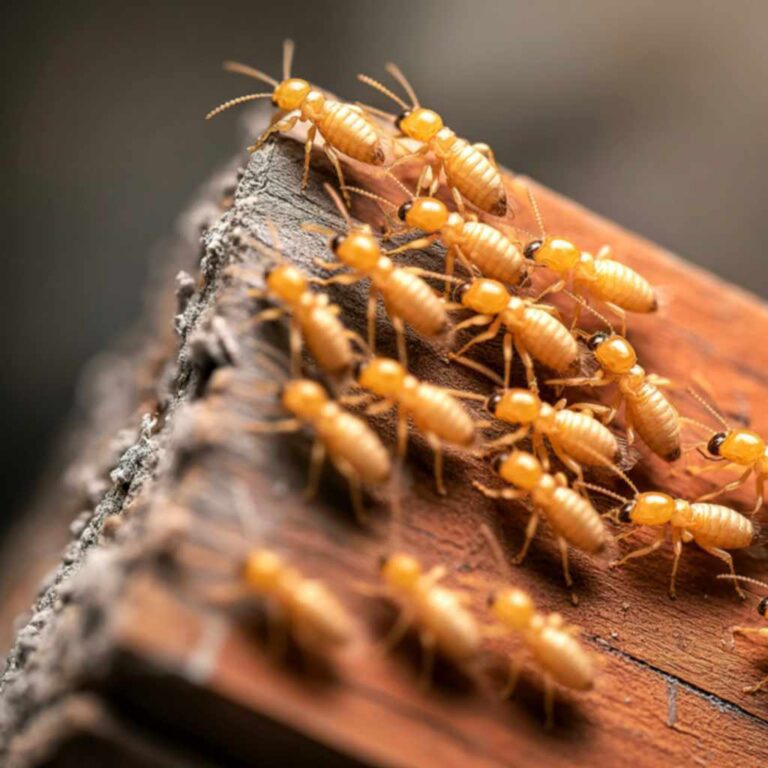
Termites begin their journey by searching for a suitable location. This spot must have moisture and wood. They dig small tunnels to create a nest. These tunnels help them stay safe and find food. Worker termites are busy constructing these tunnels. They work all day to ensure the nest is strong. Soldier termites guard the entrance to the nest. They protect the colony from threats. The queen termite is inside the nest. She lays many eggs to grow the colony.
Every termite has a special job. Workers gather food and build tunnels. They maintain the nest. Soldiers protect the colony. They fight enemies that come near. The queen lays eggs. Her job is to grow the colony. Termites work together as a team. Each one knows its role. Without teamwork, the colony cannot survive.
Credit: www.callnorthwest.com
Growth And Expansion
Termites live in large groups. These groups are called colonies. Each colony has different types of termites. There are workers, soldiers, and a queen. The queen is very important. She lays many eggs every day. This helps the colony grow fast. Worker termites take care of eggs and babies. They also find food for everyone. Soldier termites protect the colony from danger.
Termites build their homes from mud and wood. These homes are called mounds. Mounds can be very big. They have many tunnels inside. Tunnels help termites move easily. Termites use their strong jaws to chew wood. This makes tunnels and rooms inside the mound. Air can flow in tunnels. This keeps the mound cool inside.
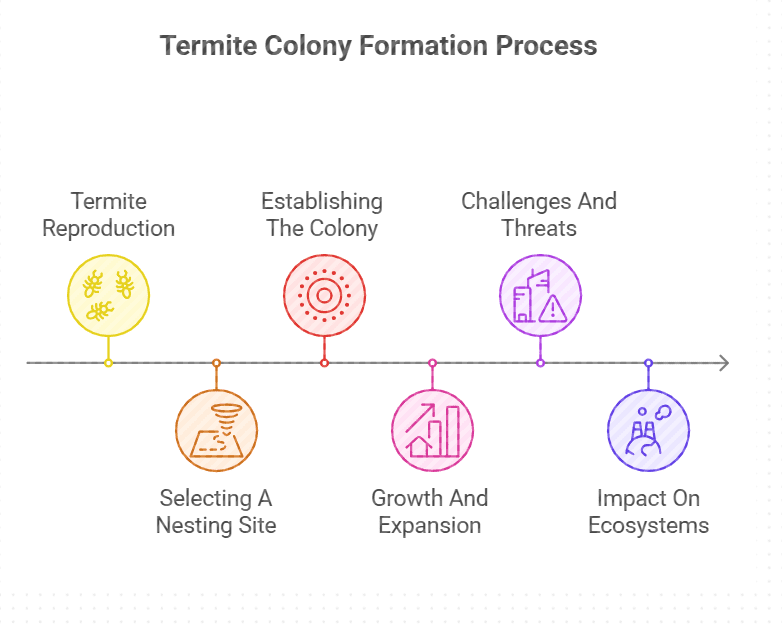
Challenges And Threats
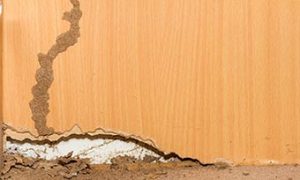
Termites face many challenges in the wild. Predators like ants, spiders, and birds eat them. These creatures are always on the hunt. They wait for a chance to catch termites. Competitors also pose threats. Ants fight termites for food and space. They often win these battles. Termites must be smart to survive.
Nature can be harsh for termites. Rain can flood their nests. Strong wind can destroy their homes. Temperature changes affect them too. If it’s too cold, termites slow down. If it’s too hot, they can die. Fire is a big danger. It can burn their nests quickly. Termites need to adapt to these hazards.
Credit: www.myheronhome.com
Impact On Ecosystems
Termites are nature’s helpers. They break down dead plants and trees. This process is called decomposition. It helps recycle nutrients into the soil. Without termites, dead plants would pile up. This would make it hard for new plants to grow. Termites help keep the earth healthy. They are tiny but very important.
Termites are food for many animals. Birds, ants, and even some mammals eat termites. This helps keep the food chain balanced. Termites also create homes. Their tunnels in the ground provide shelter. Many small animals live in these tunnels. Termites are part of a big team in nature. They work with other animals to keep the ecosystem strong.
Frequently Asked Questions
What Is The Main Cause Of Termites?
Termites mainly infest due to moisture and wood in contact with soil. These conditions provide an ideal habitat. Preventing excess moisture and wood-soil contact can help deter termite infestations effectively. Regular inspections and proper home maintenance are crucial for termite prevention.
How Does A House Get Termites?
Termites enter homes through wood contact with soil, cracks in foundations, or gaps around utility pipes. They are attracted to moisture and wood, making basements and crawl spaces susceptible. Regular inspections and maintaining dry, sealed environments help prevent infestations. Protect your home by addressing leaks and sealing entry points.
Why Do Termites Suddenly Appear?
Termites appear suddenly due to environmental changes, such as warmer temperatures and increased humidity. They swarm during their mating season, often after rain. This activity helps them establish new colonies, explaining their sudden presence. Homeowners may notice them more during these swarming periods.
Regular inspections can prevent infestations.
What Does The Beginning Of Termites Look Like?
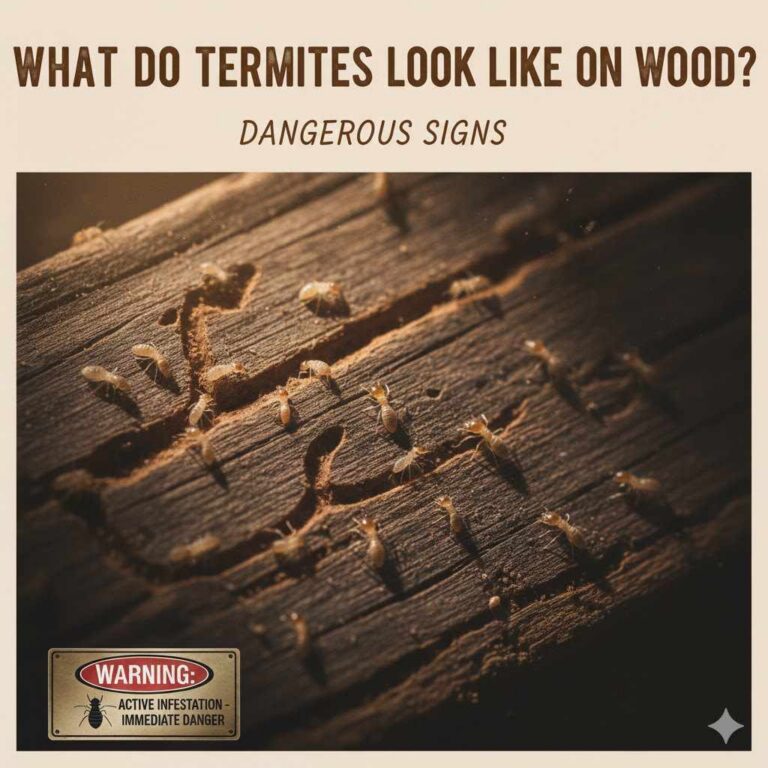
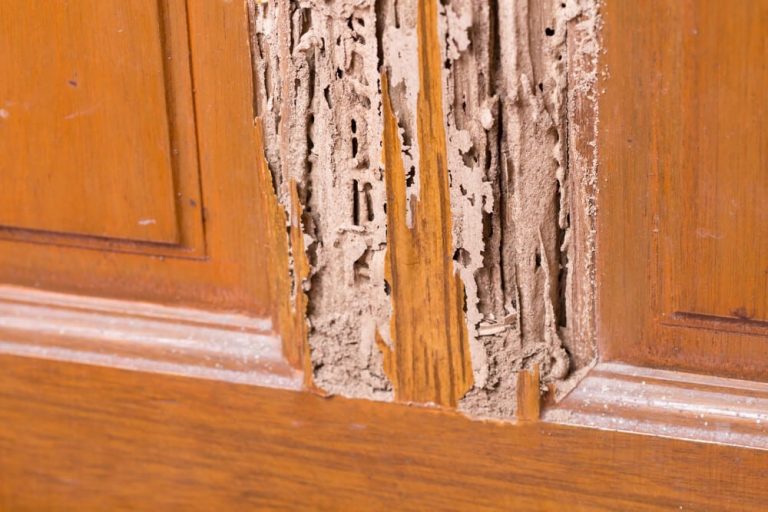
Termites begin as tiny eggs that hatch into translucent larvae resembling small ants. They grow through molting stages, developing into workers, soldiers, or reproductive termites. Their presence may include mud tubes, discarded wings, or damaged wood. Early detection helps prevent infestations.
Conclusion
Termites start from colonies with a single queen. Simple and structured. They thrive in warm, moist environments. Workers build nests and seek food. Queens lay thousands of eggs. New colonies form from swarming termites. Understanding their life cycle helps in prevention.
Protect your home by reducing moisture and sealing cracks. Regular inspections keep termites at bay. Professional help is often necessary for serious infestations. Knowing these basics can save your property. Stay informed and proactive against termites. A small effort now can prevent big problems later.
Keep your space termite-free with these insights.