How Do You Burn Wood Safely? A Beginner’s Guide
Thinking about burning wood, maybe in a fireplace or for a campfire? It’s a common thing to do, but getting it right can feel a bit tricky, especially at first. The main question on everyone’s mind is How Do You Burn Wood Safely? Don’t worry, though; it’s easier than you might think. This guide will take you step by step through everything you need to know. We’ll explore the basics, covering everything from choosing the right wood to putting out the fire safely. Let’s get started!
Choosing the Right Wood for Burning
One of the first things to consider when you want to burn wood is the type of wood you’re using. Different woods burn differently, and some are much better choices than others. Selecting the right wood is important not only for a good fire but also for your safety and the environment. Some types of wood create more smoke and creosote, which can be dangerous.
Types of Wood and Their Properties
There are generally two categories: hardwoods and softwoods. Hardwoods, like oak, maple, and birch, are denser and burn slower and hotter, producing fewer emissions. Softwoods, such as pine and fir, are less dense. They ignite quickly, but they burn faster and often produce more smoke. The best wood for a fireplace or wood stove is usually a hardwood that has been seasoned properly.
Hardwoods: These are denser woods that burn hotter and longer.
Hardwoods like oak, maple, and hickory are the gold standard for firewood. They burn slowly and consistently, giving off plenty of heat with minimal smoke. Because of their density, they also produce fewer emissions. This makes them a more environmentally friendly option. They typically require more time to season, but the benefits are well worth the wait. You can expect a hardwood fire to provide hours of warmth and enjoyment.
Softwoods: These burn faster and produce more smoke.
Softwoods, including pine and fir, light up easily, which makes them ideal for getting a fire started. However, they burn fast and generate more smoke and creosote, which can build up in chimneys and create fire hazards. While they’re not the best choice for a sustained burn, they can be useful for kindling or for quickly warming up a space. Be cautious about the type of softwood you use and how frequently you use it.
Seasoned Wood: Properly dried wood burns more efficiently.
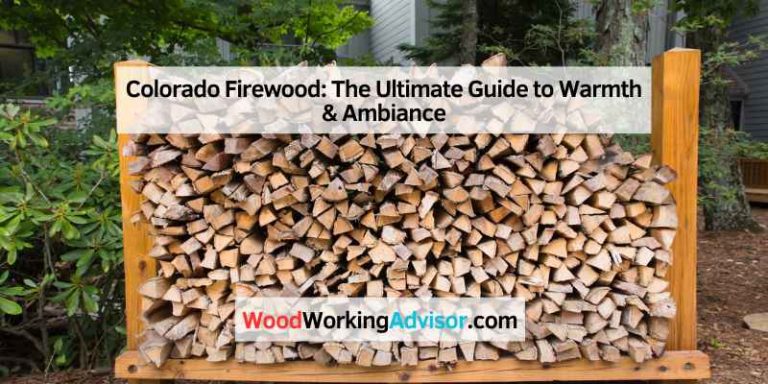
Regardless of the type of wood you choose, ensuring it is seasoned is critical. Seasoned wood has a low moisture content (ideally below 20%). This allows it to burn cleaner, generate more heat, and produce less smoke. Wood that’s been seasoned for at least six months to a year will generally give you the best results. You can tell if wood is seasoned by looking for cracks or checking the moisture content with a moisture meter.
Identifying Safe Wood
Knowing what wood to avoid is just as important as knowing what to use. Certain wood types and materials can be hazardous when burned. Burning the wrong materials can create toxic smoke and damage your fireplace or stove.
Avoid Treated Wood: Pressure-treated lumber is often chemically treated.
Never burn treated wood. This wood is often treated with chemicals like arsenic, which release harmful fumes when burned. These fumes can be a severe health hazard. Even small amounts of treated wood can contaminate your living space and create long-term health problems. This also includes painted or stained wood.
Stay Away from Painted or Coated Wood: Paints and coatings can release toxins.
Painted or coated wood can also release toxic fumes when burned. The paints and coatings contain various chemicals that can contaminate the air. Be especially careful with old wood, as the paints used in the past might contain lead. Always assume old painted wood is unsafe to burn unless you have it professionally tested.
Do Not Burn Trash or Plastics: These create dangerous emissions.
Avoid burning trash, plastics, or other synthetic materials. These materials release toxic chemicals like dioxins and furans when burned. They can also create excessive smoke and residue, causing problems for your chimney or stove. Plastics, in particular, will melt and release dangerous fumes.
Check for Proper Seasoning: Wet wood produces smoke.
Wood with high moisture content burns poorly and produces excessive smoke. It’s important to inspect the wood for cracks and to test its moisture content with a moisture meter. Wood that is not properly seasoned creates more creosote, which can lead to chimney fires. Well-seasoned wood provides a cleaner, more efficient burn.
Preparing Your Fireplace or Fire Pit
Before you even think about lighting a fire, you need to prepare your fireplace or fire pit. This involves cleaning the area, making sure everything is in good working order, and having safety equipment ready. Proper preparation is essential to prevent accidents and ensure your fire burns safely and efficiently.
Cleaning and Inspection
A clean fireplace is a safe fireplace. Regular cleaning and inspections can prevent several problems.
Clean the Fireplace: Remove ashes and debris.
Start by removing any old ashes or debris from the fireplace. Use a metal shovel and a metal container to dispose of the ashes. This will create space for a new fire and improve air circulation. Keep the area around the fireplace clear of any flammable materials, such as wood, paper, or decorations.
Inspect the Chimney or Venting: Ensure it’s clear of obstructions.
Check the chimney for obstructions, such as bird nests or fallen leaves. A blocked chimney can cause smoke to back up into your house. A professional chimney sweep should inspect and clean your chimney yearly to make sure it is safe. This can prevent chimney fires.
Check for Cracks or Damage: Repair any issues before lighting a fire.
Look for cracks in the chimney or fireplace walls. Any damage can create fire hazards or compromise the structure. Before you light a fire, repair any damage. Small cracks can worsen quickly when exposed to heat. Major damage might require professional repairs.
Safety Equipment and Setup
Having the right tools and knowing how to use them is essential for safety.
Use a Fire Screen or Mesh: Prevent sparks from escaping.
Always use a fire screen or mesh to prevent sparks from flying out of the fi
Have a Fire Extinguisher or Water Source: Be ready to put out the fire.
Keep a fire extinguisher or a bucket of water nearby in case of emergencies. Know how to use your fire extinguisher and ensure it is readily accessible. Water is useful for quickly extinguishing small fires. Never use water on a grease fire; instead, use baking soda.
Gather Necessary Tools: Poker, tongs, and shovel.
Have a poker, tongs, and a shovel on hand. The poker is for adjusting the logs, the tongs for safely moving them, and the shovel for removing ashes. These tools will help you manage the fire efficiently and safely. Keep these tools away from the fire to avoid accidental burns.
Building a Fire Safely
Building a fire is an art, but following a few simple steps will help you do it safely and efficiently. You need the right setup, know how to get it started, and manage it properly to avoid smoke and ensure a steady burn.
The Best Fire Building Methods
Several methods can help you build a fire. Here are a couple of recommended techniques.
The Log Cabin Method: Easy to build and offers good air circulation.
Place two larger logs parallel to each other on the bottom. Then, stack two more logs on top, perpendicular to the first two, creating a square. Continue to build up this structure, using smaller pieces of wood as you go. Place your kindling and a fire starter in the center of the cabin. This method provides good airflow, which is critical for a good burn.
The Top-Down Method: Starts slowly and burns clean.
Start by placing your largest logs on the bottom of the fireplace. Then, add a layer of smaller logs, followed by kindling and a fire starter on top. This method burns from the top down, which creates less smoke and burns more efficiently. It can take a bit longer to get started, but it results in a cleaner and more sustainable fire.
Lighting and Maintaining the Fire
Once you’ve built your fire, it’s time to light it and keep it going.
Use a Fire Starter: Ignite the kindling safely.
Use a fire starter like newspaper, commercial fire starters, or a small amount of natural tinder to light your kindling. Place the fire starter in the center of your chosen fire-building method and light it. Be patient, and let the fire starter ignite the kindling. Avoid using flammable liquids like gasoline to start a fire.
Add Wood Gradually: Avoid overloading the fire.
Once the kindling is burning well, start adding small pieces of wood. Increase the size of the wood as the fire grows. Do not overload the fire at any time. This allows the fire to gain strength without smothering it. Gradually adding wood is key to controlling the fire and avoiding excessive smoke.
Adjust Airflow: Control the burn rate.
Adjust the airflow to control how the wood burns. Most fireplaces have a damper that you can open or close to control the amount of air entering the fire. Open the damper more for a stronger burn and close it slightly to slow down the fire. Proper airflow helps the wood burn efficiently.
Safety Practices During Burning
Burning wood requires constant attention. It is crucial to practice certain safety measures to prevent accidents.
Constant Supervision
Always watch a burning fire.
Never Leave a Fire Unattended: Stay nearby.
Never leave a burning fire unattended, even for a short time. Always have someone watching the fire to ensure it burns safely and does not pose a fire hazard. Unexpected gusts of wind or the sudden cracking of wood can cause sparks to fly out, leading to accidents.
Keep Children and Pets Away: Prevent accidental injuries.
Keep children and pets away from the fireplace or fire pit. Create a safety zone around the fire to prevent them from getting too close to the heat or flames. Explain fire safety rules to children and supervise them closely when they are near a fire. Use a fire screen to reduce the risk of accidents.
Controlling the Fire
Knowing how to manage your fire is just as important as starting it.
Use Proper Tools: To manage the fire effectively.
Use the right tools, like a poker, tongs, and shovel. Use the poker to rearrange the logs. Tongs should be used to move burning wood safely. A shovel is handy for removing ashes. These tools help you control the fire and prevent accidents. Keep these tools away from the fire when not in use to avoid burns.
Control the Flame: Avoid Overloading the Fireplace.
Add wood gradually to avoid creating a large, uncontrolled flame. Keep an eye on how the wood burns. Avoid adding too much wood at once. Overloading the fireplace can create a large amount of smoke, which can be dangerous. Overloading can also cause sparks to fly out.
Monitor the Chimney or Venting: Check for smoke and creosote buildup.
Regularly check the chimney or venting for smoke or buildup of creosote. Excessive smoke or creosote buildup indicates poor burning. Contact a professional chimney sweep to inspect your chimney and check your venting system. Prevent chimney fires with regular inspection and cleaning.
Proper Ventilation
Proper ventilation is crucial for a safe fire. It helps to ensure that your fireplace or fire pit functions correctly and reduces the risk of smoke and dangerous fumes.
Ensure Adequate Airflow: Maintain the right air supply.
Make sure there is enough airflow to sustain the fire. Open the damper to allow sufficient oxygen. A well-ventilated fire burns more efficiently and produces less smoke. Insufficient airflow can cause smoke to back up into the house. It can also cause the fire to smolder, creating dangerous fumes.
Keep the Damper Open: Avoid smoke buildup.
Make sure the damper is fully open before lighting the fire. Once the fire is burning well, you can adjust the damper to control the burn rate. Keep the damper open while the fire is burning to allow smoke to escape safely. Closing the damper too early can cause smoke to fill your home.
Check for Wind Conditions: Be aware of weather conditions.
Be aware of wind conditions. High winds can affect how your fire burns. Wind can also push smoke back into your home. Consider the wind direction and position your fire pit accordingly. If it is a windy day, take extra caution when burning wood outdoors.
Extinguishing the Fire Safely
Knowing how to safely extinguish a fire is just as important as knowing how to build one. Proper extinguishing methods prevent accidents and ensure the area is safe.
Methods for Extinguishing
There are several effective methods for putting out a fire.
Allow to Burn Out Naturally: Let the fire die down.
For a small fire, you can allow it to burn out naturally. Remove any unburnt wood, and let the embers cool down. Be sure there are no remaining hot embers. This approach is best for small fires where you have plenty of time. Make sure the area is completely cool before leaving it unattended.
Use Water: For small fires, carefully apply water.
Carefully apply water to the embers. Slowly pour water over the embers to ensure all the embers are extinguished. Use a shovel to stir the ashes and ensure all embers are out. Make sure the ashes are cool to the touch before leaving the area. Keep a safe distance to prevent any steam or hot sparks from splashing onto you.
Use Sand or Ash: Smother the embers.
Cover the embers with sand or ash to extinguish the fire. Sand or ash smothers the embers and prevents them from reigniting. Gently cover the embers with sand or ash. Make sure the embers are completely covered, and there are no signs of smoke. Ensure the ashes are cool before discarding them.
Safety Precautions During Extinguishing
Extinguishing a fire requires careful attention to detail and safety.
Wait for Embers to Cool: Prevent re-ignition.
Wait until the embers have cooled completely. Never leave embers unattended. If you are using water, make sure the water has stopped steaming before you leave. This prevents any possible re-ignition of the fire. Always check the area again after a few hours to ensure the embers remain cool.
Dispose of Ashes Properly: Prevent fire hazards.
Dispose of ashes properly. Place ashes in a metal container with a lid. Store the container on a non-combustible surface. Keep the container away from any flammable materials, such as wood or paper. Ashes can remain hot for several days. Store ashes outdoors in a safe location.
Check Surrounding Area: Ensure no fire has spread.
Inspect the surrounding area for any signs of fire spread. Check for any hot spots or smoldering materials. Make sure the fire has not spread to any nearby vegetation. If you detect any signs of fire, put it out immediately. Be prepared to call for professional help if the situation is out of control.
Frequently Asked Questions
Question: Can I burn any type of wood in my fireplace?
Answer: No, it’s essential to use seasoned hardwoods like oak or maple. Avoid softwoods like pine, especially in large amounts, and never burn treated wood, painted wood, or trash. These can release harmful chemicals.
Question: How often should I have my chimney cleaned?
Answer: It’s generally recommended to have your chimney cleaned and inspected at least once a year, or more frequently if you burn a lot of wood. This helps to prevent creosote buildup, which can cause chimney fires.
Question: What do I do if my chimney catches fire?
Answer: If your chimney catches fire, immediately call the fire department. Close the damper to limit the air supply, and evacuate your home. Do not attempt to put out the fire yourself if it’s in the chimney.
Question: How can I tell if wood is seasoned?
Answer: Seasoned wood usually has cracks at the ends and will sound hollow when you knock two pieces together. You can also use a moisture meter; seasoned wood should have a moisture content below 20%.
Question: Is it safe to burn wood outdoors in a fire pit?
Answer: Yes, but you must follow safety guidelines. Clear the area around the fire pit of any flammable materials, keep a fire extinguisher or water nearby, and never leave the fire unattended. Also, always check local regulations regarding outdoor burning.
Final Thoughts
Mastering How Do You Burn Wood Safely? is a blend of understanding the right wood, preparing your space, building and maintaining the fire, and knowing how to extinguish it correctly. By following the tips in this guide, you can create a safe and enjoyable fire experience. Remember, selecting the correct wood is just as important as maintaining a safe burning environment. Be sure to check your local regulations before burning any wood. With practice, you’ll be building fires with confidence. Enjoy the warmth, the ambiance, and the sense of accomplishment that comes with a well-managed fire.